How to Clean and Maintain a Necklace in Morse Code
Learn how to safely clean, store, and maintain a necklace in morse code. Expert tips on protecting beads, cords, and chains from tarnish and wear.

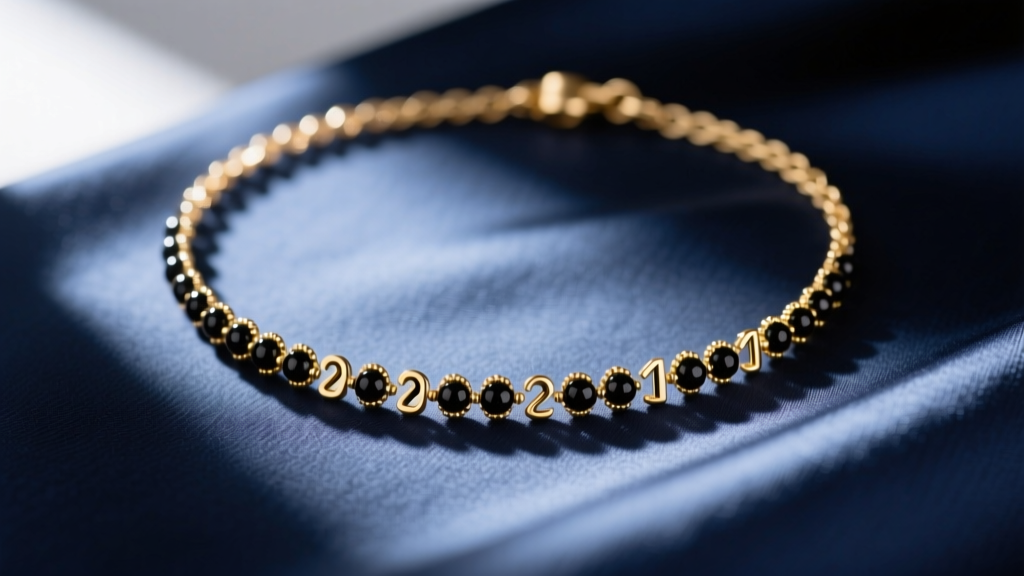
The Unique Anatomy of Morse Code Jewelry
A necklace in morse code is a deeply sentimental piece of jewelry, translating hidden messages of love, courage, or remembrance into a sequence of tactile beads. However, the very structure that makes these necklaces unique also makes them notoriously difficult to clean. Unlike a solid pendant or a continuous chain, morse code jewelry relies on a sequence of "dots" (typically 2mm to 4mm round beads) and "dashes" (usually 6mm to 10mm cylindrical or tube beads).
The micro-crevices between these alternating bead shapes act as traps for sebum, dead skin cells, cosmetic powders, and environmental dust. Furthermore, these beads are strung on delicate mediums—ranging from 0.015-inch braided nylon cords (like C-Lon) to 0.018-inch coated stainless steel beading wires, or directly onto fine cable chains. According to the Gemological Institute of America (GIA), understanding the specific material composition of both the beads and the stringing medium is the critical first step in jewelry maintenance. Using the wrong cleaning method can degrade the stringing material or fracture the beads, ruining the hidden message forever.
Why Standard Jewelry Cleaners Fail Here
Ultrasonic jewelry cleaners use high-frequency sound waves to create microscopic cavitation bubbles that blast dirt away. While excellent for diamond solitaires, ultrasonic vibrations can easily shatter glass beads, fracture porous gemstones like turquoise or opal, and weaken the structural integrity of nylon stringing cords. Similarly, commercial silver dips contain harsh thiourea chemicals that can strip the oxidized patina intentionally left on metal beads to make the morse code pattern visually distinct.
Step-by-Step Cleaning Guide by Bead Material
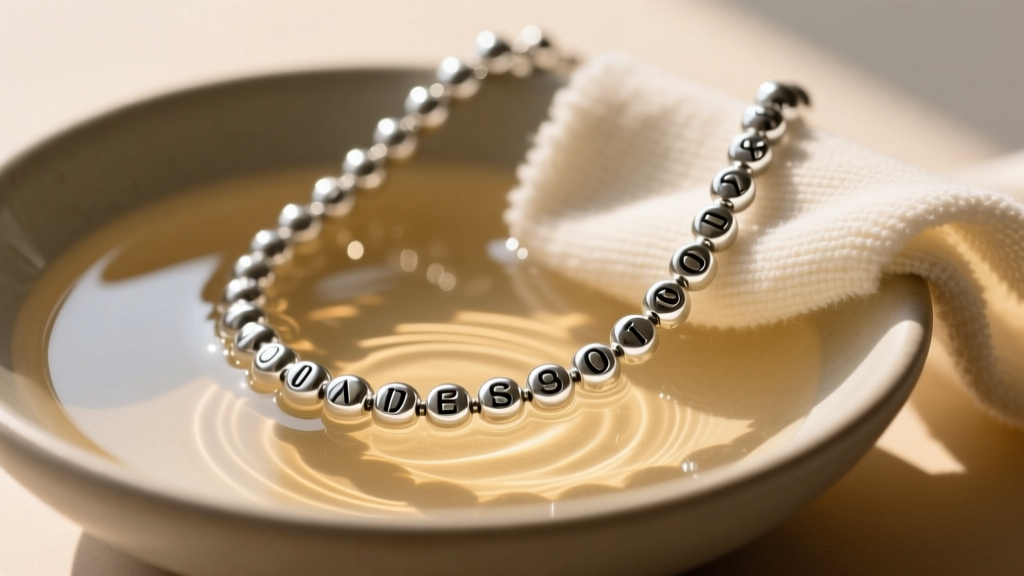
1. Glass and Crystal Beads
Glass and crystal (such as Swarovski or Czech fire-polished beads) are non-porous and highly durable, sitting around 5.5 to 6 on the Mohs hardness scale. They can withstand gentle aqueous cleaning. Mix a few drops of phosphate-free dish soap into a bowl of lukewarm distilled water. Submerge the necklace for no more than three minutes. Use a clean, ultra-soft baby toothbrush to gently "floss" the bristles between the dots and dashes, dislodging trapped oils. Rinse under a gentle stream of distilled water and pat dry with a lint-free microfiber cloth.
2. Porous Gemstones (Turquoise, Lapis Lazuli, Opal, Pearl)
Many artisans use natural gemstone beads to craft morse code necklaces. Stones like turquoise and lapis lazuli are highly porous and sensitive to chemicals, heat, and prolonged moisture. Never submerge these stones. Instead, dampen a microfiber cloth with plain, distilled water and gently wipe each individual bead. For stubborn grime in the crevices, use a dry, soft-bristled makeup brush to sweep out the dust. The Jewelers of America strongly advises against using any chemical cleaners on organic or porous gems, as they can absorb the liquid and permanently alter their color matrix.
3. Metal Beads (Sterling Silver, Gold-Filled, Brass)
Metal beads are prone to tarnishing, especially brass and sterling silver, which react with sulfur and humidity. To clean metal morse code beads without damaging the stringing cord, apply a small amount of specialized jewelry polishing paste to a cotton swab. Carefully rub the swab over the individual metal dashes and dots, avoiding the stringing holes where the paste could accumulate and abrade the cord from the inside out. Buff off the residue with a dry polishing cloth.
Cleaning Agents: What to Use and What to Avoid
| Bead Material | Safe Cleaning Agent | Dangerous / Avoid | Drying Method |
|---|---|---|---|
| Glass / Crystal | Mild dish soap & distilled water | Ammonia, Bleach | Air dry on microfiber |
| Porous Gemstones | Dry soft brush, slightly damp cloth | Ultrasonic, Soaking, Silver Dip | Immediate pat dry |
| Sterling Silver | Anti-tarnish polishing cloth | Toothpaste, Baking Soda paste | Buff to high shine |
| Brass / Copper | Lemon juice & salt (spot treat only) | Commercial Silver Dips | Rinse and dry instantly |
Preventative Maintenance: Protecting the Hidden Message
The "Last On, First Off" Rule
The most common cause of premature degradation in beaded necklaces is chemical exposure. Perfumes, hairsprays, lotions, and sunscreens contain alcohols and emulsifiers that coat the beads, dulling their luster and breaking down nylon stringing threads at a molecular level. Always put your morse code necklace on after your cosmetics have fully dried and absorbed into your skin, and remove it first before showering or applying nighttime skincare routines.
Inspecting Crimps and Clasps
The structural weak point of any beaded necklace is the crimp bead—the tiny 2mm x 2mm metal tube that is crushed to secure the clasp to the stringing wire or cord. Over time, the sharp inner edge of a poorly flattened crimp can act like a microscopic saw blade against a nylon cord, especially if the necklace is worn daily. Every six months, gently pull the cord near the clasp and inspect it under a bright light. If you see fraying, fuzzing, or a change in the cord's color, the structural integrity is compromised.
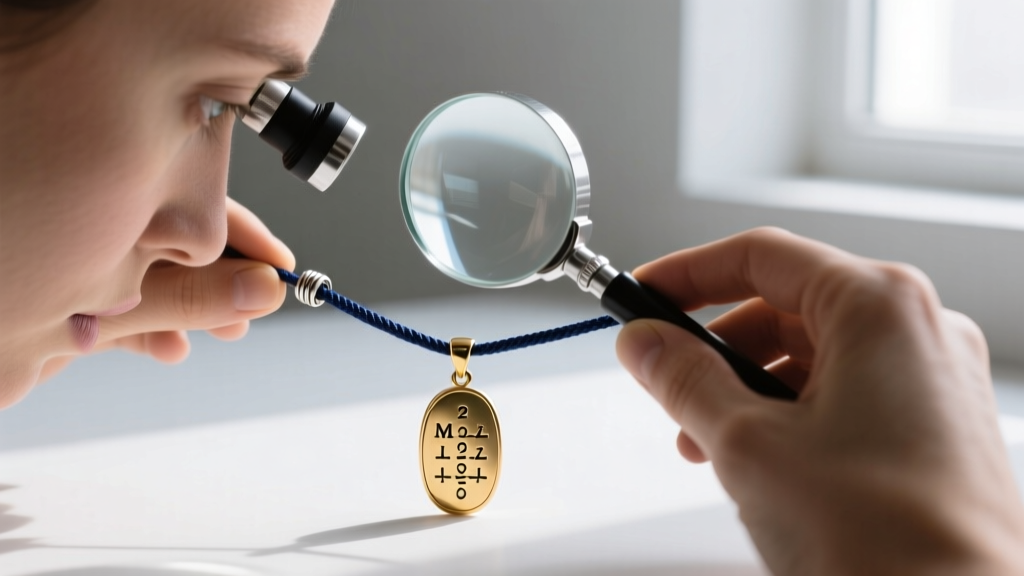
If the cord is fraying, stop wearing the necklace immediately to prevent the beads from scattering and losing the morse code sequence. Take it to a professional jeweler to have the cord replaced and the crimps upgraded to "crimp covers"—small metal beads that close over the flattened crimp, providing a smooth surface that protects the cord from internal abrasion.
Proper Storage to Prevent Fraying and Tarnish
How you store your necklace in morse code is just as important as how you clean it. Tossing it into a communal jewelry box guarantees that the cylindrical "dash" beads will snag on the prongs of rings or the links of other chains, leading to severe tension on the stringing medium.
- Hang or Lay Flat: If the necklace is strung on a memory wire or a stiff beading cable, lay it flat in a lined drawer. If it is on a delicate chain or soft nylon cord, hang it on a jewelry stand with a velvet-lined hook to prevent kinking.
- Use Anti-Tarnish Strips: If your morse code beads feature sterling silver, brass, or copper, store the necklace in a sealed polyethylene ziplock bag along with a 3M anti-tarnish strip. These strips absorb airborne sulfur compounds, keeping the metal beads bright for up to 12 months without the need for polishing.
- Silica Gel Packets: For necklaces featuring porous gemstones or organic materials like pearls, include a small silica gel packet in the storage bag to control ambient humidity, preventing the beads from absorbing excess moisture which can lead to cracking or mold growth on the stringing thread.
When to Seek Professional Repair
While routine cleaning and careful storage will keep your jewelry pristine, certain issues require professional intervention. If the metal loop connecting the clasp to the necklace has warped open, or if the hidden message has become scrambled because a bead has cracked and slipped out of sequence, do not attempt to restring it yourself with standard craft wire. Professional jewelers use specialized micro-crimping tools and high-tensile beading wires that ensure the tension is evenly distributed across the entire length of the necklace, preserving both the physical beauty and the sentimental message for years to come.


