How to Clean and Maintain a Necklace With Lock Mechanisms
Discover expert tips to clean, lubricate, and store your necklace with lock pendants or clasps to prevent tarnish and mechanism failure.
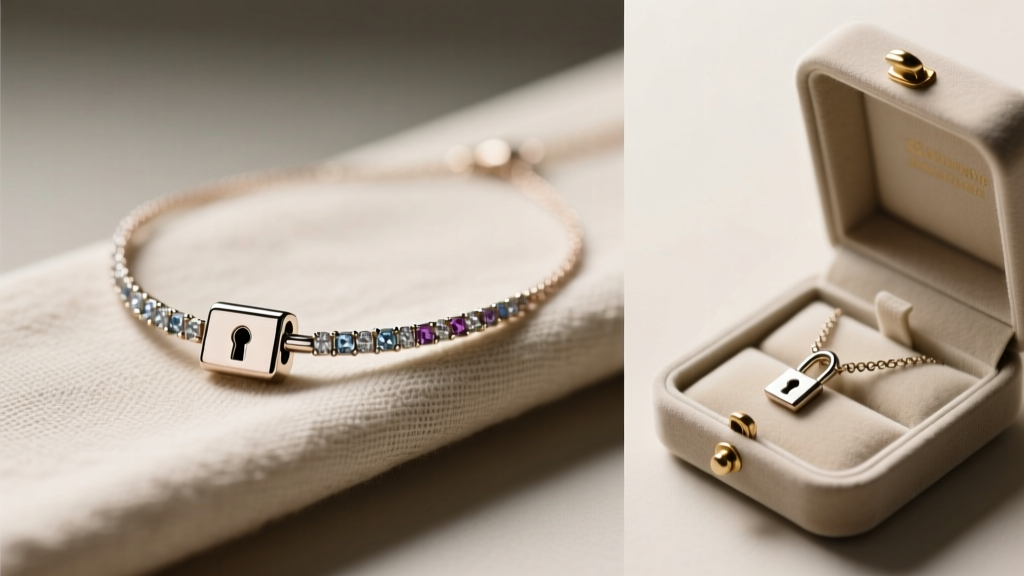
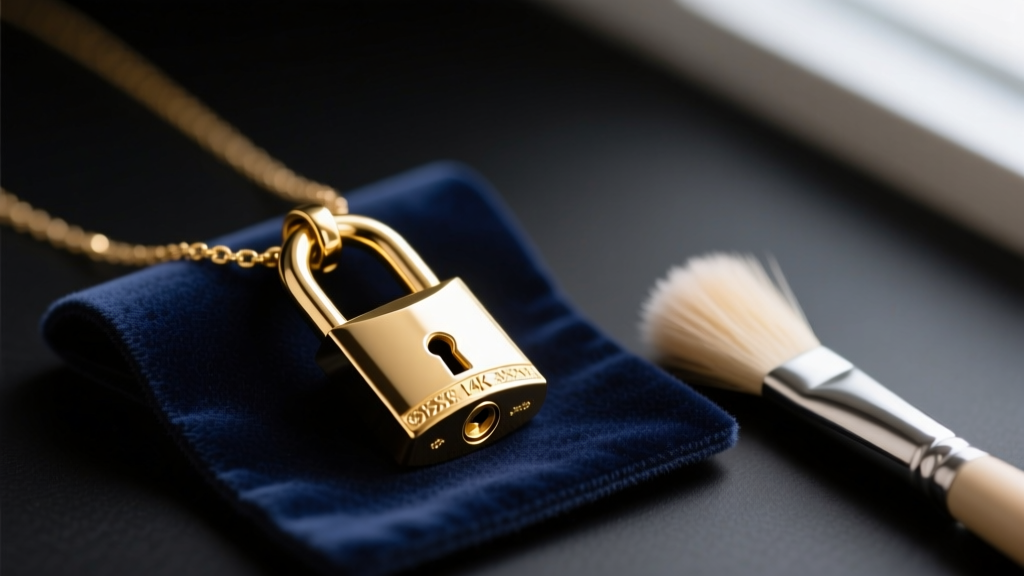
A necklace with lock elements—whether it is a luxury hinged bangle-style collar, a vintage padlock pendant, or an alternative leather choker with a functional cylinder lock—requires a specialized approach to care and maintenance. Unlike standard chain necklaces or simple pendants, pieces featuring working locks contain moving parts, internal springs, and narrow keyways. These mechanical features introduce unique vulnerabilities, such as internal rust, tarnish buildup inside the cylinder, and seized pins.
If you own a necklace with lock hardware, standard jewelry cleaning methods like ultrasonic baths or aggressive chemical dips can actually destroy the mechanism. In this comprehensive guide, we break down the metallurgy, mechanical care, and precise cleaning protocols required to keep your locking jewelry functioning flawlessly and looking pristine.
Understanding Your Lock Necklace Materials
The first step in maintaining any locking pendant or collar is identifying the base metal. The material dictates not only how the exterior will tarnish but also how the internal mechanism will degrade over time. For example, a solid brass padlock pendant is highly susceptible to verdigris (green oxidation) inside the keyway, which can permanently jam the locking pins. Conversely, 316L surgical stainless steel is virtually impervious to internal rust but can still accumulate skin oils and dust.
| Metal Grade | Tarnish Risk | Recommended Cleaner | Mechanism Vulnerability |
|---|---|---|---|
| 316L Stainless Steel | Very Low | Mild Dish Soap & Water | Low (Dust accumulation) |
| 925 Sterling Silver | High | Polishing Cloth (No dips) | High (Tarnish jams pins) |
| Solid Brass / Bronze | Medium | Lemon Juice & Baking Soda | High (Verdigris seizes springs) |
| 14k / 18k Solid Gold | Very Low | Warm Soapy Water | Low (Oil buildup) |
According to the Gemological Institute of America (GIA), understanding the specific alloy of your jewelry is critical before applying any chemical agent, as porous metals and plated locks can suffer irreversible damage from harsh solvents.
The Golden Rule: Protect the Keyway
The most common mistake owners make when cleaning a necklace with lock mechanisms is submerging the piece in liquid silver polish or ultrasonic cleaners. Liquids enter the keyway and the tiny gaps around the locking shackle through capillary action. When the liquid evaporates, it leaves behind a sticky, abrasive residue that attracts dust and ultimately seizes the internal tumblers.
Furthermore, ultrasonic cleaners use high-frequency sound waves to cavitate liquid. If your lock pendant contains tiny internal steel springs or delicate brass pins, the intense microscopic vibrations can dislodge these components, rendering the lock permanently broken. Always keep liquids away from the keyhole and the hinge of the shackle.
Step-by-Step Cleaning Protocol
To safely clean your locking necklace without compromising the mechanics, follow this targeted, dry-first approach.
Step 1: Dry Debris Removal
Before introducing any moisture, use a can of compressed air (held at least six inches away) to blow out dust, lint, and dead skin cells from the keyway and the hinge of the lock. Follow this by gently sweeping the crevices with a clean, dry, extra-soft baby toothbrush. This prevents scratching the metal when you apply liquid cleaners to the exterior.
Step 2: Targeted Surface Cleaning
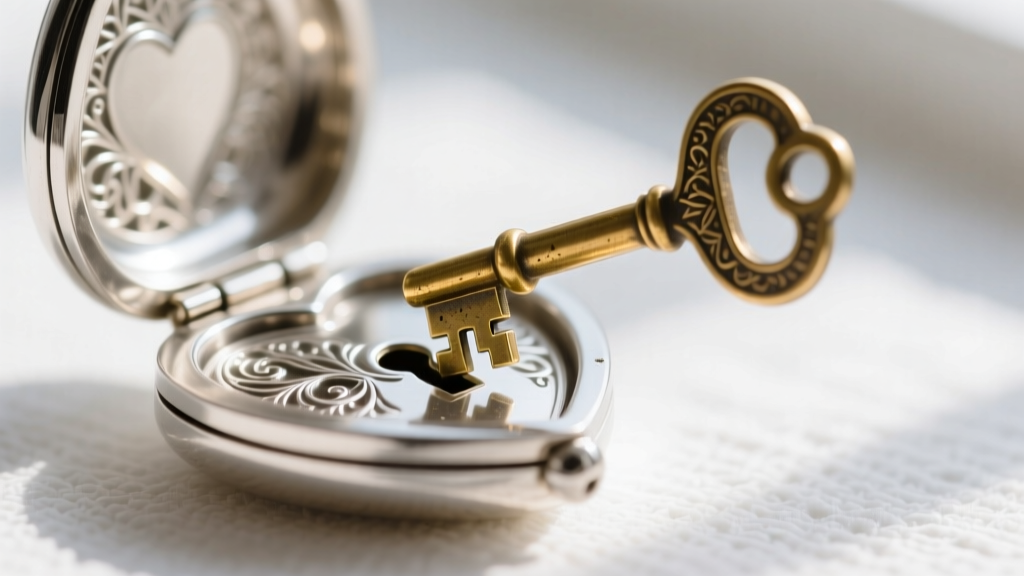
Dip a cotton swab (Q-tip) into a solution of warm water and a few drops of ammonia-free dish soap. Wring the swab out until it is barely damp—never dripping. Carefully trace the exterior seams, the shackle, and the engraved surfaces of the pendant. For sterling silver locks, use a treated silver polishing cloth on the flat surfaces, folding the cloth to avoid snagging on the keyhole edges.
Step 3: Rinsing and Rapid Drying
If you used soapy water on a gold or stainless steel piece, wipe it down with a damp cloth to remove soap scum. Immediately dry the entire piece with a microfiber cloth. To ensure no moisture remains inside the lock cylinder, use a hairdryer on the 'cool' setting for 30 seconds, blowing air directly into the keyway to evaporate any hidden condensation.
Lubricating and Maintaining the Locking Mechanism
Even with meticulous cleaning, the mechanical parts of a necklace with lock hardware require occasional lubrication to ensure the key turns smoothly and the shackle snaps shut with a satisfying click. However, you must never use standard household oil or WD-40. These petroleum-based lubricants leave a heavy residue that acts as a magnet for pocket lint and dust, eventually turning into a thick sludge that jams the lock.
How to Apply Dry Lubricant
The industry standard for fine jewelry mechanisms is a dry PTFE (Teflon) spray or pure graphite powder. Graphite is ideal because it provides excellent lubrication without any liquid carrier that could attract dirt.
- For Graphite Powder: Dip the tip of your key or a wooden toothpick into a tiny amount of powdered graphite. Insert it into the keyway and twist gently. Repeat this process three or four times to distribute the powder evenly across the internal pins.
- For PTFE Spray: Spray a small amount onto a cotton swab, let the liquid carrier evaporate for 10 seconds, and then rub the swab along the hinge of the shackle and the locking bar.
If your padlock pendant becomes completely stuck, do not force the key, as brass and silver keys can easily snap off inside the cylinder. Apply a microscopic drop of penetrating oil to the keyway, let it sit for an hour, work the key gently, and then immediately flush the mechanism with isopropyl alcohol to remove the oil before applying dry graphite.
Special Care for Locking Collars and Chokers
In alternative fashion and gothic aesthetics, a necklace with lock often takes the form of a leather or heavy-duty webbing collar secured by a stainless steel or brass padlock. These pieces require a dual-maintenance approach. The metal hardware must be cared for as described above, but the band material demands its own regimen.
For leather collars, body sweat and environmental humidity can cause the leather to stretch, warp, or develop mildew, which can misalign the lock's hasp and make it difficult to close. Condition the leather every three months with a high-quality mink oil or beeswax-based leather conditioner. Avoid getting the conditioner on the metal lock, as the fats can seep into the keyway and gum up the tumblers. If the collar features an O-ring where the lock attaches, inspect the welding point on the O-ring monthly for signs of metal fatigue or micro-fractures.
Proper Storage to Prevent Mechanism Seizing
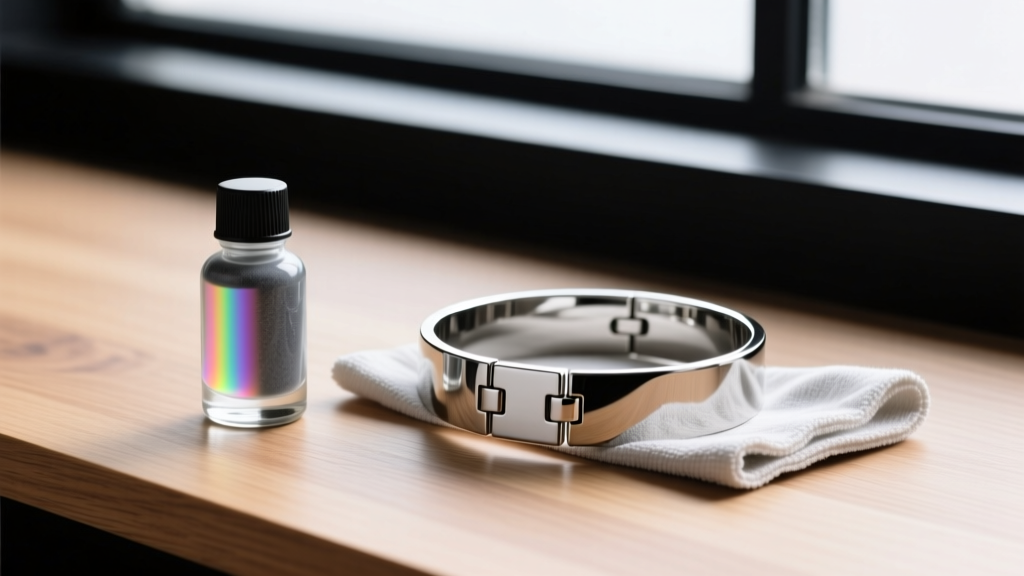
How you store your necklace with lock components is just as important as how you clean it. Leaving a silver padlock pendant exposed to the ambient humidity of a bathroom or bedroom guarantees that silver sulfide (tarnish) will form inside the tight tolerances of the lock cylinder. Over time, this tarnish acts like cement on the internal pins.
To prevent this, store your locking jewelry in an airtight polyethylene ziplock bag or a specialized jewelry vault. Include a 3M anti-tarnish strip and a small silica gel desiccant packet in the storage container. The Silver Institute highly recommends controlling ambient humidity and limiting exposure to sulfur-rich air to preserve the mechanical integrity of sterling silver pieces. Furthermore, always store the necklace with the lock in the 'unlocked' position. Leaving the shackle closed and locked for months can cause the internal spring to lose its tension or the metal to bind due to microscopic environmental shifts.
'A functional lock on a piece of jewelry is a marvel of miniature engineering. Treat the keyway with the same respect you would a high-end Swiss watch movement—keep it dry, keep it dust-free, and never force the mechanism.'
By adhering to these specialized care, maintenance, and cleaning protocols, your necklace with lock elements will remain a secure, functional, and stunning centerpiece in your jewelry collection for decades to come.


