Expert Care Guide: Cleaning a Sterling Silver Ruby Necklace
Learn how to safely clean, polish, and store your sterling silver ruby necklace. Expert tips on avoiding damage to 925 silver and treated rubies.

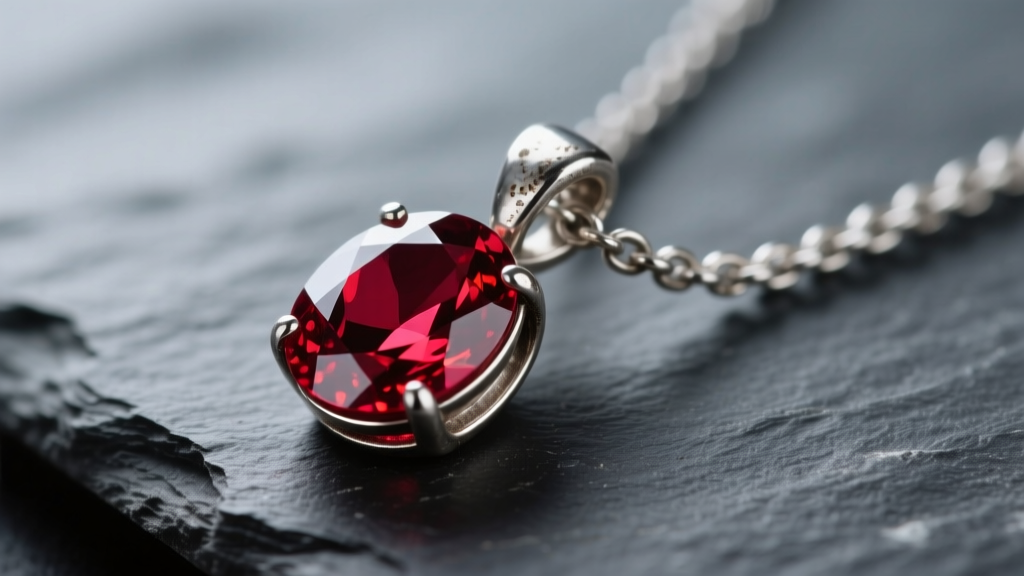
A sterling silver ruby necklace offers a breathtaking contrast between the cool, luminous sheen of polished silver and the deep, passionate crimson of a ruby. However, maintaining this striking piece requires a nuanced understanding of both metallurgy and gemology. While silver is prone to environmental tarnishing, rubies—despite their exceptional hardness—often harbor hidden vulnerabilities due to modern treatment methods. In this comprehensive 2026 care guide, we break down the exact chemistry of tarnish, the risks of common cleaning shortcuts, and the professional protocols for keeping your necklace in pristine condition.
The Chemistry of Tarnish and Ruby Vulnerabilities
To properly care for your jewelry, you must first understand the materials. Sterling silver is an alloy consisting of 92.5% pure silver and 7.5% copper. Pure silver is highly resistant to tarnish, but the copper added for structural integrity reacts with sulfur compounds and moisture in the air to form silver sulfide—the blackish film we recognize as tarnish. According to metallurgical experts at Rio Grande, everyday exposures like lotions, perspiration, and even the sulfur in cardboard packaging can accelerate this oxidation process.
On the gemological side, ruby is a variety of corundum, rating a 9 on the Mohs hardness scale. While it is incredibly scratch-resistant, the treatment of the ruby dictates its cleaning safety. The Gemological Institute of America (GIA) notes that a vast majority of commercial rubies are fracture-filled with lead glass to improve clarity. This glass filling is highly unstable and can be dissolved by mild acids (even lemon juice or vinegar) or shattered by the high-frequency vibrations of ultrasonic cleaners. Therefore, you must always assume your ruby is fracture-filled unless accompanied by a reputable gemological lab report stating otherwise.
The Danger Zone: What to Absolutely Avoid
Many well-intentioned jewelry owners destroy their pieces using aggressive, outdated cleaning methods. Protect your sterling silver ruby necklace by strictly avoiding the following:
- Ultrasonic Cleaners: The cavitation bubbles can fracture heat-treated rubies, dissolve glass fillings, and loosen the silver prongs holding the stone.
- Steam Cleaners: Sudden thermal shock can cause internal inclusions within the ruby to expand and crack the stone.
- Liquid Silver Dips: These chemical baths rely on thiourea, a toxic compound that strips tarnish instantly but can etch treated gemstones, degrade silver plating, and leave a porous, matte finish that tarnishes twice as fast the second time around.
- Baking Soda and Aluminum Foil: While this popular DIY electrochemical bath removes silver sulfide, the alkaline environment and heat required can permanently cloud the polish of a fracture-filled ruby.
Gemologist's Warning: Never use vinegar, Windex, or any citrus-based cleaner on a ruby. If the stone is lead-glass filled, the mild acidity will eat away the filler, leaving the ruby looking white, cloudy, and structurally compromised.
Step-by-Step Wet Cleaning Protocol
For routine maintenance and the removal of skin oils, dust, and light tarnish, a gentle wet wash is the safest and most effective method. Follow these professional steps:
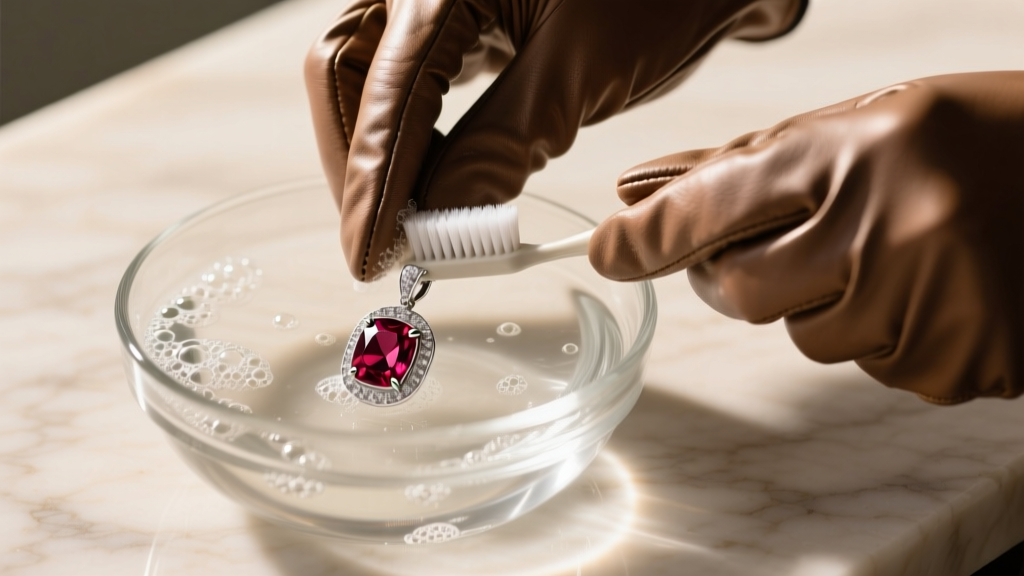
- Prepare the Solution: Fill a small glass bowl with distilled water (tap water contains chlorine and hard minerals that can spot the silver). Add two drops of phosphate-free, non-citrus dish soap (like original Dawn).
- Soak Briefly: Submerge the sterling silver ruby necklace for no more than 3 to 5 minutes. This loosens sebum and cosmetic residue trapped beneath the ruby's pavilion.
- Gentle Agitation: Using an extra-soft baby toothbrush (bristles under 0.1mm), gently sweep the bristles over the silver chain and the back of the ruby setting. Do not scrub aggressively against the silver prongs, as repeated friction can bend soft 925 silver.
- The Rinse: Rinse the necklace under a slow stream of lukewarm distilled water. Ensure the drain is plugged or use a strainer to prevent catastrophic loss.
- Drying: Pat the chain dry with a lint-free microfiber cloth. Use a hair dryer on the 'cool' setting to blow water out from behind the ruby setting. Trapped moisture against the silver will cause rapid localized tarnishing.
Polishing the Silver Chain (Without Harming the Ruby)
When your 925 silver chain has developed dark tarnish that soap cannot remove, mechanical polishing is required. Use a treated jeweler's polishing cloth (such as a Sunshine Cloth) impregnated with micro-abrasives and anti-tarnish rouge.
The Technique: Pinch the silver chain between the folds of the cloth and pull it through gently. When approaching the ruby pendant, stop using the treated side of the cloth. The micro-abrasives can leave microscopic scratches on the ruby's table facet over time, and the waxy rouge residue can build up in the crevices of the setting, dulling the stone's light return. Use the untreated inner flap of the cloth to buff the silver immediately surrounding the gemstone.
Troubleshooting Common Necklace Issues
| Symptom | Probable Cause | Expert Solution |
|---|---|---|
| White, cloudy haze on the ruby | Lead-glass filler damaged by acid or harsh chemicals. | Cannot be cleaned at home. Requires a lapidary to remove the stone, clean it, and potentially re-fill or replace it. |
| Chain is black, but ruby is clean | Heavy silver sulfide buildup from humidity or sulfur exposure. | Use a treated silver polishing cloth. Avoid liquid dips to protect the gemstone setting. |
| Ruby rattles slightly in the setting | Silver prongs have stretched or worn down from friction. | Stop wearing immediately. Take to a jeweler for prong re-tipping or tightening. 925 silver is soft and requires annual prong checks. |
| Greasy film on the back of the stone | Accumulation of lotions and dead skin cells. | Repeat the distilled water and baby toothbrush wet cleaning protocol, focusing on the pavilion (bottom) of the stone. |
Long-Term Storage and Anti-Tarnish Strategies
How you store your sterling silver ruby necklace when it is not being worn is just as critical as how you clean it. Silver tarnishes most rapidly in high-humidity environments and in the presence of volatile sulfur compounds.
The Ideal Storage Environment
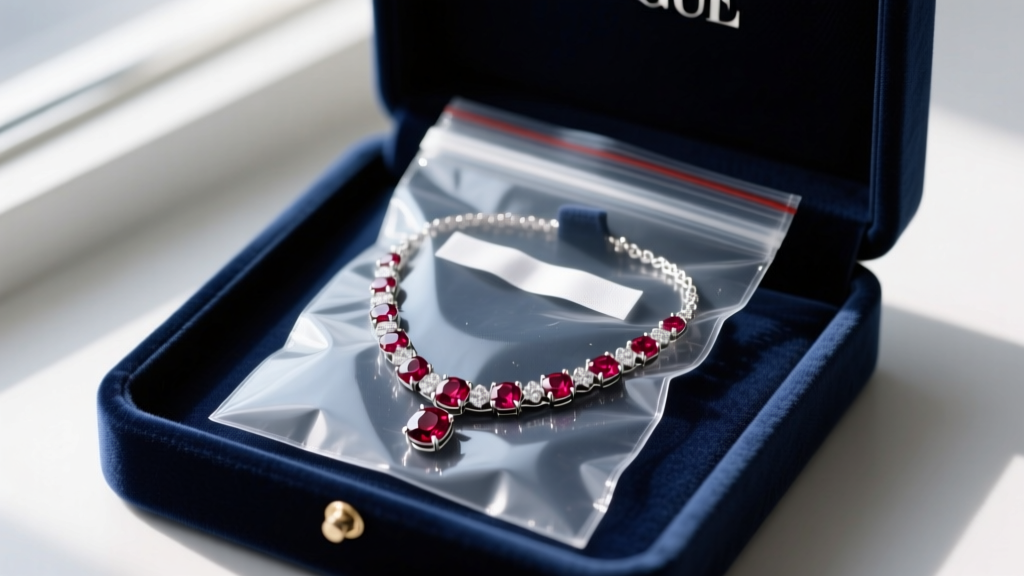
Never store your necklace in a cardboard box or wrapped in newspaper, as the wood pulp contains high levels of sulfur. Instead, place the completely dry necklace inside an airtight polyethylene ziplock bag. Squeeze out as much air as possible before sealing.
Inside the bag, include a 3M Anti-Tarnish Strip. These strips utilize activated carbon and silver particles to absorb airborne sulfur and moisture before they can reach your jewelry. Replace these strips every 6 months. Finally, store the bagged necklace in a cool, dark drawer away from direct sunlight, which can cause prolonged thermal expansion and contraction in treated gemstones. By combining proper chemical-free cleaning with rigorous environmental control, your sterling silver ruby necklace will retain its fiery brilliance and metallic luster for generations.


