How to Clean and Care for a Vintage Multi Strand Pearl Necklace
Learn expert techniques to clean, restring, and store your vintage multi strand pearl necklace without damaging the nacre or silk threads.

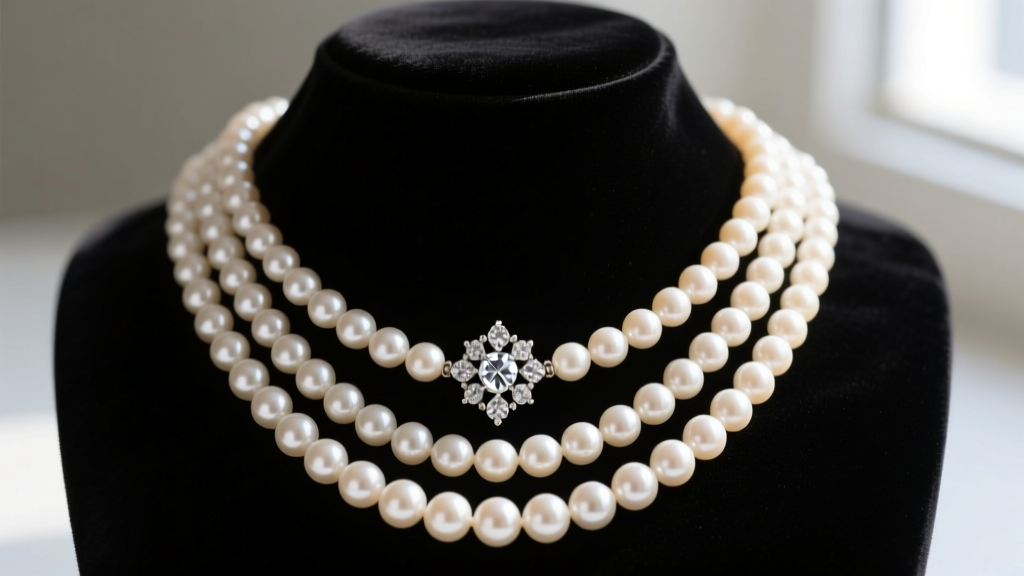
The Unique Vulnerabilities of Vintage Multi-Strand Pearls
Owning a vintage multi strand pearl necklace is an exercise in horological and gemological stewardship. Unlike modern, single-strand counterparts, multi-strand pieces from the early-to-mid 20th century possess complex structural mechanics and organic materials that demand highly specific care. The nacre of a pearl is composed of microscopic aragonite platelets bound together by conchiolin, an organic protein. Over decades, this protein can dehydrate, leading to 'crazing' (micro-fractures on the surface).
Furthermore, a multi-strand necklace places uneven tension on its silk threads. The innermost strand endures compressive force against the neck, while the outermost strand is subjected to tensile stretching. According to the Gemological Institute of America (GIA), pearls are exceptionally soft (rating 2.5 to 3.0 on the Mohs scale) and highly porous, meaning they readily absorb the acids in human sweat, cosmetics, and environmental pollutants, which can permanently dull their orient and luster.
Step-by-Step Cleaning Protocol for Aged Nacre
When cleaning a vintage multi strand pearl necklace, the golden rule is gentle, chemical-free intervention. Never submerge the necklace in water. Submerging vintage silk threads causes them to stretch, weaken, and eventually rot from the inside out, while trapping moisture inside the drill holes can cause the nacre to flake away from the mother-of-pearl nucleus.
What You Need (and What to Avoid)
- Safe: Distilled water, phosphate-free liquid castile soap, untreated microfiber cloths, and soft camel-hair brushes.
- Unsafe: Ultrasonic cleaners (the high-frequency vibrations will shatter the nacre), steam cleaners, ammonia, vinegar, baking soda, and commercial silver dips.
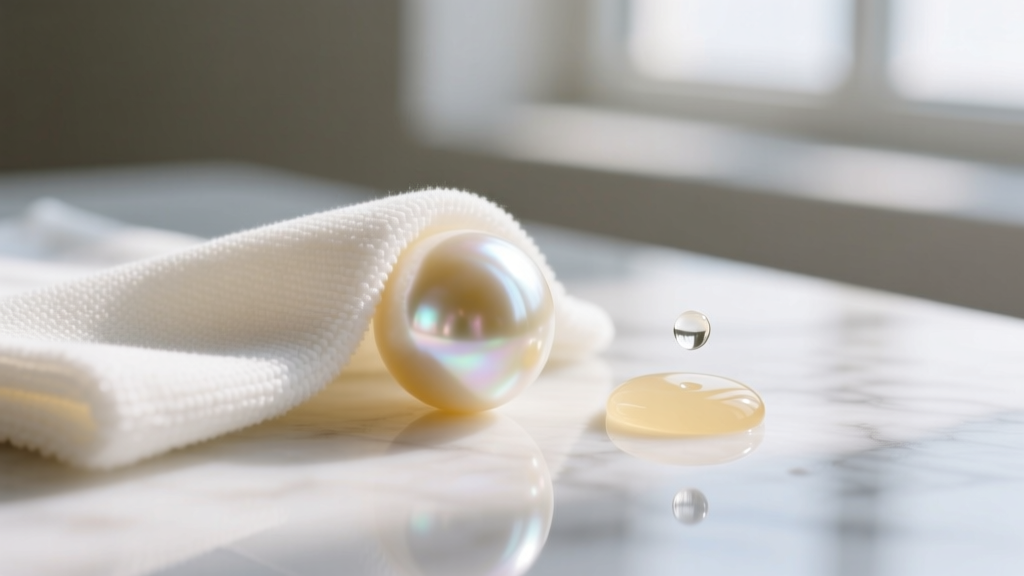
The Damp Cloth Technique
- Prepare the Solution: Mix one cup of distilled water with a single drop of phosphate-free castile soap. Tap water contains chlorine and fluoride that can leave microscopic abrasive deposits on the nacre.
- Dampen, Don't Soak: Dip a corner of your microfiber cloth into the solution and wring it out completely until it is barely damp.
- Wipe Strand by Strand: Lay the necklace flat on a clean towel. Gently wipe each pearl individually, supporting it from underneath with your fingers to avoid stressing the silk thread. Pay special attention to the areas near the clasp, where skin oils and hair products accumulate most heavily.
- Dry Immediately: Use a dry, soft cotton cloth to buff the pearls gently. Allow the necklace to lay completely flat on a dry towel for 24 hours before storing or wearing to ensure any residual moisture in the drill holes evaporates.
Structural Maintenance: Silk Thread, Knots, and Clasps
The structural integrity of a vintage multi strand pearl necklace relies entirely on its stringing material and hardware. Vintage pieces were almost exclusively strung on 100% silk thread, which degrades predictably over time. The Jewelers of America recommends professional inspection of knotted pearl strands at least once a year if worn frequently.
Inspecting the Knots and French Wire
Examine the space between the knots. If you can slide a fingernail between the pearl and the knot, or if the thread appears fuzzy, gray, or stretched, the necklace requires immediate restringing. Additionally, inspect the 'French wire' (also known as gimp)—the tiny coiled metal spring that protects the silk thread where it loops through the metal clasp. On vintage pieces, this wire often flattens or tarnishes, exposing the silk to sharp metal edges that will eventually slice the thread.
| Maintenance Task | Recommended Frequency | Warning Signs | Estimated Professional Cost |
|---|---|---|---|
| Surface Cleaning | After every wear | Dull luster, sticky residue | DIY (Free) |
| Clasp & Ring Inspection | Every 6 months | Loose jump rings, bent pie-pan loops | $25 - $50 |
| Silk Restringing (Knotting) | Every 2-3 years | Stretched thread, gaps between knots | $18 - $28 per inch (Multi-strand premium) |
| French Wire Replacement | During restringing | Flattened coils, exposed silk at clasp | $15 - $30 (Included in restringing) |
Proper Storage to Prevent Nacre Dehydration
How you store your vintage multi strand pearl necklace is just as critical as how you clean it. Pearls are organic gems that require a certain level of ambient humidity to maintain their structural integrity. Storing them in an airtight plastic bag or a safety deposit box for years will cause the conchiolin to dry out, resulting in irreversible cracking and peeling.
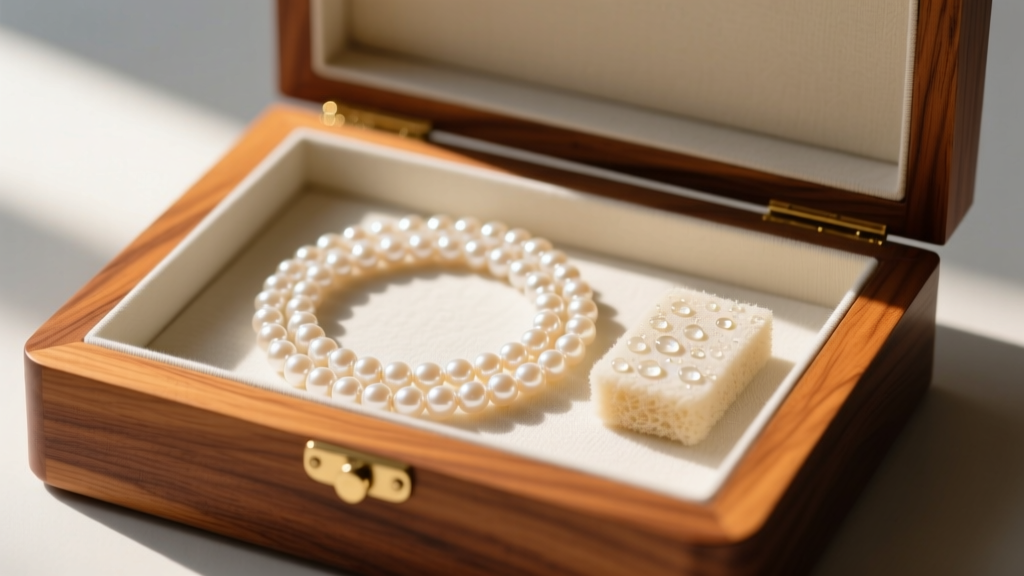
The Ideal Storage Environment
Store your necklace flat in a soft, unbleached cotton or linen pouch. Avoid hanging multi-strand necklaces on jewelry trees or hooks; the compounded weight of three or more strands will cause the silk to stretch permanently over time. If you live in an arid climate or keep your jewelry in a climate-controlled safe, place a small, dampened sponge or a silica gel packet (designed to release, not absorb, moisture) in the outer compartment of the jewelry box to maintain an ideal relative humidity of 40% to 50%.
The 'Last On, First Off' Wearing Protocol
To minimize the need for aggressive cleaning, adopt the 'Last On, First Off' rule. Pearls should be the very last thing you put on when dressing and the first thing you take off when undressing. Hairspray, perfume, lotions, and cosmetics contain alcohols and volatile organic compounds (VOCs) that strip the nacre of its natural moisture and leave a filmy residue that blocks light refraction, killing the pearl's luster. By putting the necklace on after your beauty routine has fully dried, and removing it before applying makeup remover or washing your face, you drastically extend the time between necessary cleanings and preserve the historic silk threads for future generations.


