Ultimate Care Guide for a Womens Sterling Silver Cross Necklace
Learn expert cleaning and maintenance tips to keep your womens sterling silver cross necklace tarnish-free, shiny, and pristine for years.
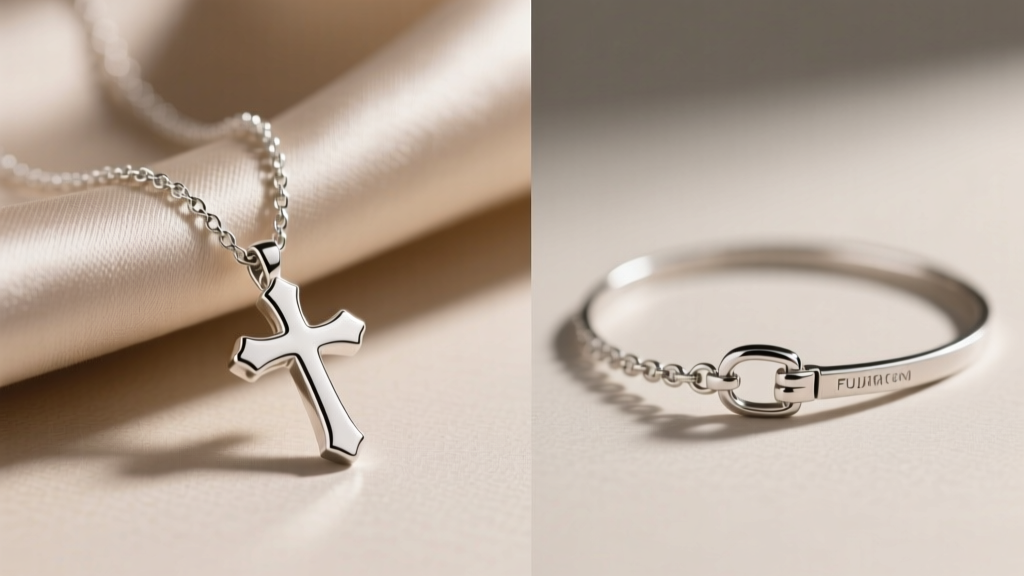

A womens sterling silver cross necklace is more than just a piece of jewelry; it is often a deeply personal symbol of faith, heritage, or minimalist fashion. However, the brilliant luster of sterling silver requires dedicated maintenance to combat the inevitable forces of oxidation and environmental wear. As jewelry trends in 2026 continue to favor mixed metals and layered looks, keeping your foundational pieces in pristine condition is more important than ever. This comprehensive guide moves beyond generic advice, offering metallurgical insights, chain-specific cleaning tactics, and professional-grade maintenance protocols to ensure your necklace remains a lifelong staple.
The Metallurgy of Tarnish: Why Your 925 Silver Oxidizes
To properly care for your jewelry, you must first understand its chemical composition. Pure silver (99.9%) is highly resistant to tarnish but is far too soft to be crafted into durable chains or detailed cross pendants. Therefore, jewelers alloy it with other metals—most commonly copper—to create 925 sterling silver, which contains 92.5% silver and 7.5% copper. According to the Gemological Institute of America (GIA), it is this 7.5% copper content that reacts with sulfur compounds in the air, on your skin, and in household products to form silver sulfide, the dark, dull layer we recognize as tarnish.
High humidity, airborne pollution, and even the natural pH balance of your skin can accelerate this chemical reaction. If you live in a coastal area or frequently visit sulfur-rich environments like hot springs, your cross necklace will oxidize at a significantly faster rate. Understanding this science is the first step in shifting from reactive cleaning to proactive prevention.
Chain-Specific Cleaning Tactics: Box, Cable, and Rope
The architecture of your necklace chain dictates how dirt, sebum, and tarnish accumulate. A one-size-fits-all cleaning approach often leaves residue trapped in microscopic crevices. Here is how to address the three most common chain styles paired with cross pendants:
Box Chains
Box chains feature interlocking square links that create a smooth, geometric surface. While beautiful, the flat, overlapping joints are notorious for trapping cosmetic lotions and dead skin cells. When cleaning a box chain, you must use a soft-bristled baby toothbrush to gently agitate the joints, working parallel to the chain to avoid bending the delicate links.
Cable Chains
The classic cable chain consists of uniform oval links. Because the contact points between links are minimal, cable chains are the easiest to maintain. A simple soak and a wipe-down with a microfiber cloth are usually sufficient to restore their shine without the need for aggressive brushing.
Rope Chains
Rope chains mimic the twist of a fiber rope, creating deep, spiraling grooves. These grooves are magnets for dust and oils. According to conservation guidelines from the Canadian Conservation Institute, intricate textiles and twisted metals require prolonged soaking in mild surfactant solutions to loosen debris without causing structural stress from mechanical scrubbing.
The 3-Step Deep Cleaning Method for Intricate Cross Pendants
When your necklace has lost its luster and requires a deep clean, avoid abrasive home remedies like toothpaste or baking soda pastes, which possess a high Relative Dentin Abrasivity (RDA) and will inflict micro-scratches on the silver's surface. Instead, follow this professional-grade, three-step protocol:
- Step 1: The Mild Surfactant Soak. Fill a glass bowl with one cup of distilled water (tap water contains chlorine and hard minerals that can cause spotting). Add exactly three drops of pH-neutral, phosphate-free dish soap. Submerge the necklace and let it soak for 5 to 10 minutes. The distilled water ensures no new mineral deposits are introduced during the cleaning process.
- Step 2: Targeted Agitation. Remove the necklace and place it on a clean, lint-free towel. Using a baby toothbrush with extra-soft bristles, gently brush the cross pendant, paying special attention to the bail (the loop connecting the pendant to the chain) and any filigree details. If your cross features porous gemstones like turquoise, opal, or pearl, avoid submerging them entirely; instead, use a barely damp cotton swab to clean around the stone settings.
- Step 3: The Microfiber Polish and Dry. Rinse the necklace thoroughly under a gentle stream of lukewarm distilled water. Pat it dry with a 100% cotton flannel or a specialized jeweler's polishing cloth impregnated with anti-tarnish agents. Never use paper towels, as the wood fibers can cause microscopic scratching on high-polish silver finishes.

Chemical Cleaners vs. Natural Remedies: A Comparison Matrix
The internet is flooded with DIY silver cleaning hacks, but not all are safe for daily-wear jewelry. Below is a data-driven comparison of popular cleaning methods to help you make an informed decision for your cross necklace.
| Cleaning Method | Mechanism of Action | Pros | Cons & Risks |
|---|---|---|---|
| Aluminum Foil & Baking Soda | Electrochemical ion transfer | Removes heavy tarnish quickly without scrubbing. | Can strip intentional oxidized detailing (antiquing) on the cross; leaves a dull, matte finish requiring re-polishing. |
| Commercial Silver Dips | Thiourea-based chemical dissolution | Instantaneous results; reaches deep into filigree. | Highly toxic fumes; if not rinsed perfectly, residual chemicals will cause rapid, severe re-tarnishing and pitting. |
| Ultrasonic Cleaners | High-frequency cavitation bubbles | Superior for deep-cleaning rope chains and intricate settings. | Vibrations can loosen gemstone prongs; must never be used on plated silver or soft stones. |
| Jeweler's Polishing Cloths | Mild mechanical abrasion & chemical transfer | Safe, portable, and maintains the mirror finish. | Ineffective for heavy, blackened tarnish; requires manual effort. |
Proper Storage Solutions to Halt Oxidation
How you store your womens sterling silver cross necklace when it is not being worn is just as critical as how you clean it. Leaving silver exposed to ambient air on a bathroom vanity or dresser guarantees rapid oxidation due to fluctuating humidity levels.
The Silver Institute recommends storing silver in an airtight environment. Invest in individual, zip-seal polyethylene bags for each piece of jewelry. To create a micro-environment that actively fights tarnish, include a 3M anti-tarnish strip or a small packet of silica gel desiccant inside the bag. These strips absorb the airborne sulfur compounds and moisture before they can react with the copper alloy in your sterling silver. For an added layer of protection, wrap the necklace in Pacific Silvercloth—a specialized cotton flannel embedded with microscopic silver particles that intercept and neutralize tarnishing gases, sacrificing themselves to keep your cross necklace pristine.
When to Seek Professional Jeweler Intervention
While routine maintenance can be handled at home, certain issues require the expertise of a professional bench jeweler. If your cross necklace features a rhodium flash plating (a thin layer of platinum-group metal applied to white gold or silver to enhance brightness and prevent tarnish), this plating will eventually wear away on high-friction areas like the back of the pendant or the clasp. A jeweler can safely strip the remaining plating and re-apply a fresh coat of rhodium.
Additionally, if you notice any structural compromise—such as a stretched link in the chain, a loose bail, or a rattling sound indicating a dislodged gemstone inside a pavé-set cross—cease wearing the necklace immediately. Attempting to clean or polish a structurally compromised chain can lead to catastrophic failure and the loss of your cherished pendant. Regular professional inspections every two years will ensure the solder points and jump rings remain secure, allowing your sterling silver cross necklace to be passed down as a flawless heirloom for generations to come.