The Ultimate Guide to Styling a Cat Necklace Collar Choker
Discover how to style a cat necklace collar choker safely. Learn about skin-safe materials, bell pendants, and alt-fashion layering techniques.

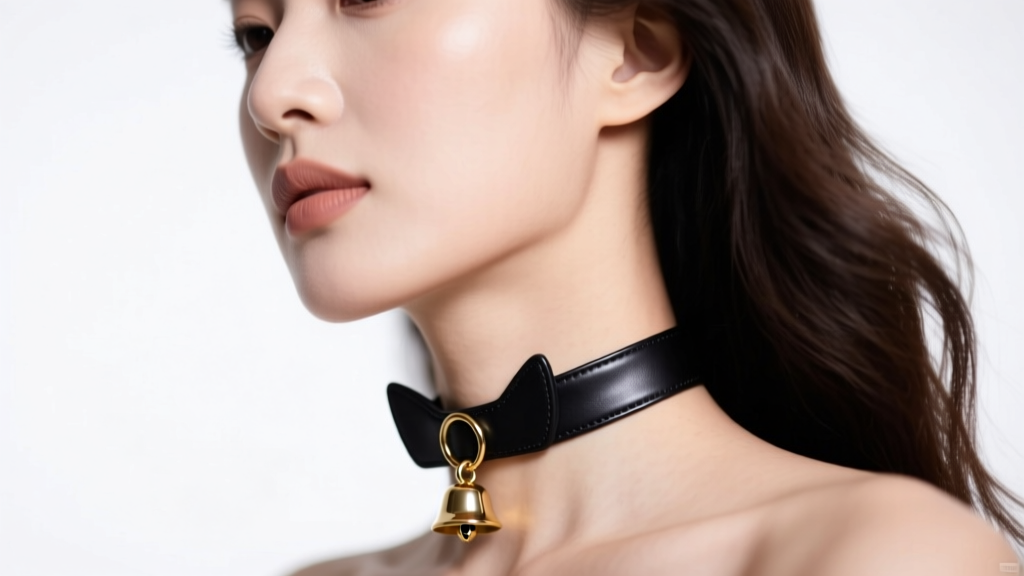
What Is a Cat Necklace Collar in Human Fashion?
When exploring alternative jewelry trends, you will frequently encounter the term 'cat necklace collar.' In the context of human fashion and jewelry design, this does not refer to an accessory meant for a feline pet. Instead, it describes a specific subgenre of the choker necklace inspired by pet collar aesthetics. These pieces typically feature a band (made of leather, velvet, or chain) adorned with hardware such as D-rings, O-rings, buckles, and, most notably, small metallic bells or engraved tags.
The cat collar choker has deep roots in 1990s grunge and punk subcultures, but it has experienced a massive resurgence in the 2020s thanks to e-girl, goth, and alt-fashion aesthetics. However, because the design mimics pet accessories, the market is flooded with poorly manufactured novelty items that can cause severe skin reactions or physical discomfort. This beginner-friendly explainer will teach you how to identify high-quality, skin-safe cat collar chokers, how to size them correctly, and how to integrate them into your everyday wardrobe without looking like you are wearing a costume.
The Anatomy of a Quality Cat Collar Choker
To separate high-end alternative jewelry from cheap novelty toys, you must understand the structural components of the necklace. A well-crafted cat necklace collar consists of three vital elements:
- The Band: This is the base material that wraps around the cervical spine. High-quality options include genuine top-grain leather, hypoallergenic vegan leather (like microfiber PU), or heavy-duty cable chains. Avoid thin, stiff pleather, which cracks and traps sweat against the skin.
- The Hardware (Rings and Clasps): The central O-ring or D-ring is the focal point of the choker. In premium pieces, this ring is soldered (meaning the gap in the metal is welded shut) so it will not pull apart under the weight of a pendant. The clasp should be a sturdy lobster claw or a secure magnetic breakaway, never a cheap spring ring.
- The Pendant (Bell or Tag): The bell is the signature of the cat collar style. A quality bell is cast from solid brass or stainless steel and features a securely welded internal clapper. Cheap bells are stamped from thin tin, dent easily, and produce a harsh, high-pitched ringing rather than a soft, muted jingle.
Material Science: Avoiding Contact Dermatitis
The most common mistake beginners make when buying a cat necklace collar is ignoring the metallurgy of the hardware. Because the neck is a highly sensitive area with thin skin and high sweat production, wearing cheap alloys will quickly lead to contact dermatitis. According to the American Academy of Dermatology, nickel allergy is one of the most common causes of allergic contact dermatitis, resulting in red, itchy, and blistering rashes.
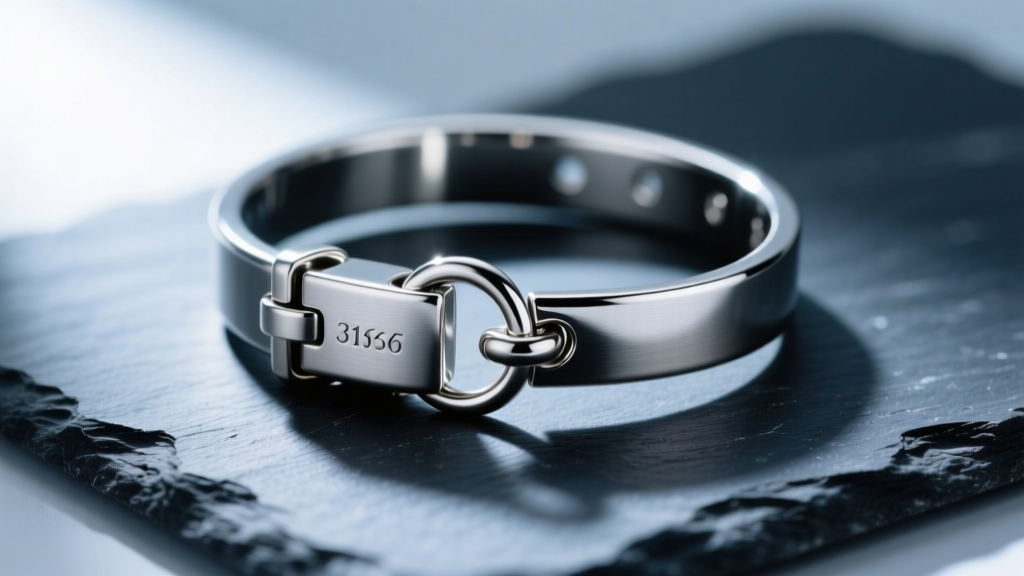
Many fast-fashion retailers use 'Tibetan Silver' or unbranded zinc alloys for their O-rings and bells. These materials are heavily laden with nickel and sometimes lead. To ensure your jewelry is safe for prolonged wear, you must look for specific metal grades. Below is a comparison chart of the most common materials used in cat collar chokers.
| Material Grade | Nickel Content | Tarnish Resistance | Price Range | Best For |
|---|---|---|---|---|
| Zinc Alloy / Pot Metal | High | Poor (turns skin green) | $5 - $15 | One-time costume wear (avoid for sensitive skin) |
| 316L Surgical Steel | Trace (bound in alloy) | High | $20 - $45 | Everyday alt-fashion, durable and easy to clean |
| ASTM F136 Titanium | Zero (100% biocompatible) | Extreme | $50 - $120 | Severe metal allergies, 24/7 wear, shower-safe |
| Solid Sterling Silver (925) | Zero | Moderate (requires polishing) | $80 - $250 | Luxury layering, fine jewelry aesthetics |
If you have a known nickel allergy, always seek out independent jewelers who explicitly state they use ASTM F136 implant-grade titanium for their hardware. While the upfront cost is higher, titanium is entirely biocompatible and will never corrode or react with your skin's natural oils.
Sizing and Fit: The Goldilocks Zone
A cat necklace collar is designed to sit snugly around the base of the neck, but 'snug' should never mean 'restrictive.' The ideal choker length for most adults falls between 14 and 16 inches, depending on your neck circumference. To find your perfect size, use a flexible tailor's measuring tape and wrap it around your neck exactly where you want the collar to sit. Add exactly one inch to that measurement.
The Two-Finger Rule: Once the choker is clasped, you should be able to comfortably slide two fingers between the band and your skin. This gap is crucial for three reasons:
- Lymphatic Flow: A collar that is too tight can restrict superficial lymph nodes and blood vessels, causing headaches or swelling.
- Vocal Cord Comfort: The collar should sit just below the larynx (Adam's apple). If it rests directly on the larynx, swallowing and speaking will become uncomfortable and abrasive.
- Hardware Drape: The O-ring and bell need a slight amount of slack to drape forward. If the band is pulled taut, the bell will stick out awkwardly at a 90-degree angle rather than resting flat against the collarbone.
Styling Your Cat Collar for Everyday Wear
The stigma that cat collar chokers are strictly for cosplay or clubbing is outdated. With the right styling framework, this piece can add an edgy, avant-garde touch to everyday streetwear and casual outfits. The key to mainstreaming the cat collar is contrast and proportion.
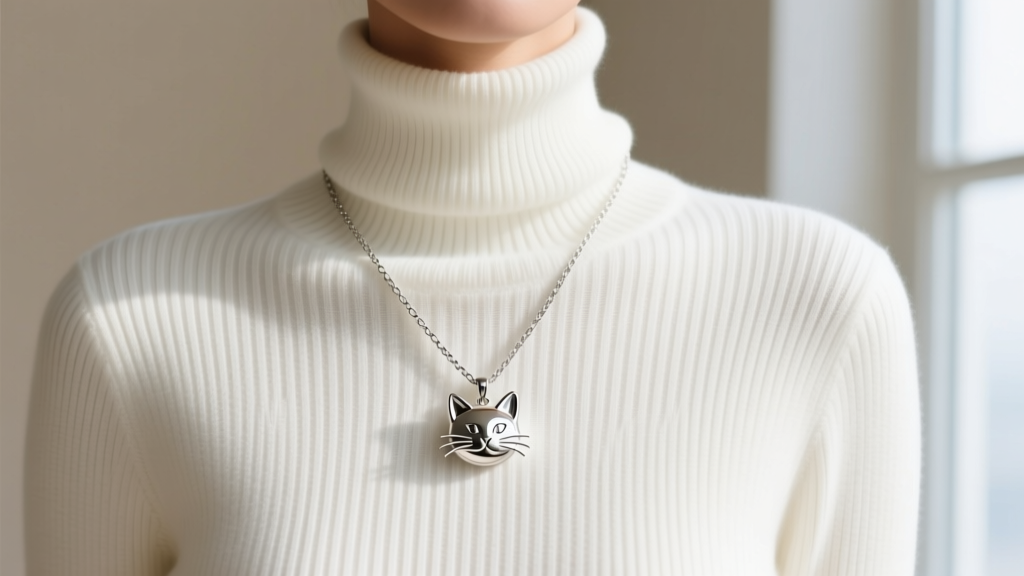
The Turtleneck Anchor
Pairing a black leather cat collar choker with a fitted, white ribbed turtleneck creates a striking monochromatic boundary. The fabric of the turtleneck acts as a protective barrier for your skin while elevating the choker from a piece of bedroom jewelry to a high-fashion statement piece. Keep the bell small (under 15mm in diameter) so it doesn't overwhelm the neckline.
The Collared Shirt Subversion
For a subtle nod to alternative fashion in a smart-casual environment, wear a delicate chain-based cat collar (skipping the leather band entirely) underneath an unbuttoned Oxford shirt. Let the small silver bell and O-ring rest just above the shirt's collar line. This technique blends traditional menswear/womenswear staples with subtle punk undertones, a hallmark of modern grunge styling.
Layering Matrices
When layering a cat collar with other necklaces, you must respect the visual weight of the bell. Because the bell is a 3D, spherical object, it will naturally draw the eye. Follow this layering cascade:
- Layer 1 (14 inches): The cat collar choker (focal point).
- Layer 2 (18 inches): A simple, lightweight cable chain with no pendant to create negative space.
- Layer 3 (22 inches): A heavy lariat necklace or a large geometric pendant to anchor the bottom of the visual triangle.
Critical Safety Warning: Never Wear Real Pet Collars
A dangerous trend occasionally circulates on social media where individuals purchase actual cat collars from pet stores to wear as human necklaces. Never do this. Real pet collars are engineered with specific safety mechanisms—such as breakaway buckles designed to snap open under 5 to 10 pounds of pressure to prevent a cat from strangling itself if the collar catches on a fence or branch.
When worn by a human, a breakaway buckle can snap unexpectedly during normal movement, ruining the jewelry. More dangerously, if a human wears a standard non-breakaway pet collar with a traditional side-release buckle, the collar lacks the quick-release safety mechanisms required for human neckwear. In the event of an accident or if the collar gets caught on a door handle, the lack of a human-safe release mechanism poses a severe asphyxiation hazard. Always purchase jewelry engineered specifically for human anatomy, featuring standard lobster clasps or tested magnetic safety releases.
'Jewelry should empower your aesthetic, never compromise your physical safety. Always verify that your necklaces are manufactured to human jewelry standards, not pet accessory guidelines.' — Jewel Style Radar Editorial Team
By prioritizing skin-safe metals like 316L steel or titanium, adhering to the two-finger sizing rule, and styling your cat necklace collar with intentional wardrobe contrasts, you can confidently embrace this iconic alt-fashion staple while maintaining comfort and safety.


