Catherine Popesco France Necklace: An Expert Craftsmanship Review
An expert technical review of the Catherine Popesco France necklace, analyzing vermeil thickness, lost-wax casting, and vintage French motifs.

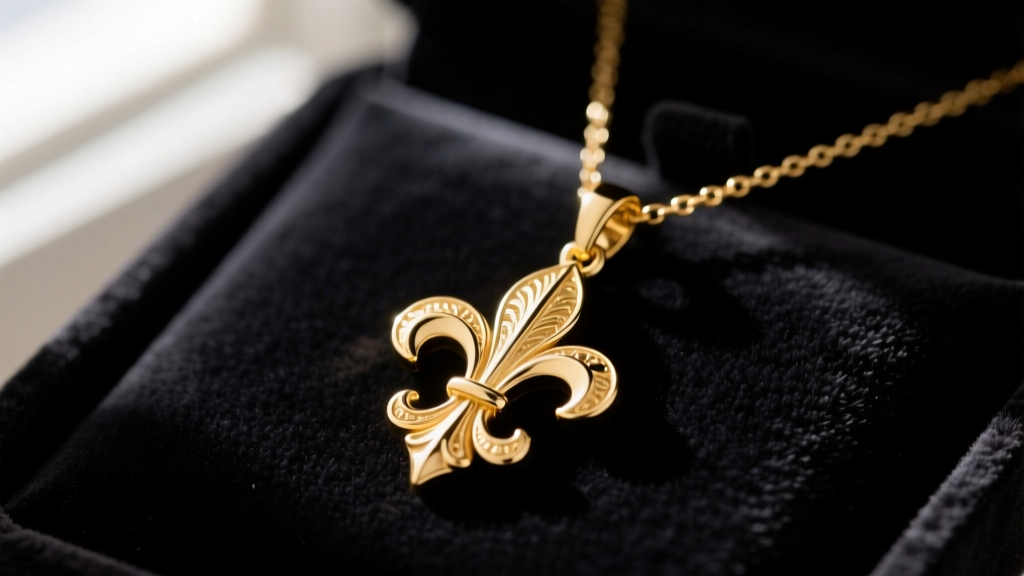
In the realm of historical revival jewelry, few designers capture the ornate elegance of European antiquity quite like Catherine Popesco. Among her most sought-after secondary market and archival pieces is the Catherine Popesco France necklace, a masterclass in translating 18th and 19th-century French motifs into wearable, contemporary art. As of 2026, the appreciation for heavily detailed, museum-quality revival jewelry continues to grow, making a technical deep dive into the craftsmanship of her French-inspired crests, fleur-de-lis pendants, and medallion necklaces essential for serious collectors and jewelry enthusiasts alike.
This expert analysis bypasses standard fashion commentary to examine the metallurgical specifications, casting techniques, and structural mechanics that define the Catherine Popesco France necklace collection. Whether you are authenticating a vintage piece or studying the benchmarks of high-end vermeil jewelry, understanding these technical details is paramount.
The Allure of French Revival Motifs
Catherine Popesco’s design philosophy has long been rooted in the meticulous reproduction of historical artifacts. The "France" themed pieces in her repertoire—often featuring the Bourbon fleur-de-lis, Napoleonic bees, or intricate Parisian architectural crests—require a profound understanding of heraldic art. Unlike mass-produced fashion jewelry that relies on flat, stamped metal, Popesco’s French pendants utilize three-dimensional relief work. The depth of the carving, the undercutting of the floral petals, and the precise symmetry of the heraldic shields are indicative of a design process that begins with high-resolution 3D scanning or traditional wax carving of original antique molds.
Technical Breakdown: Materials and Metallurgy
The longevity and visual depth of any Catherine Popesco France necklace rely heavily on its foundational materials. Popesco is renowned for her uncompromising approach to gold vermeil, a standard that far exceeds typical commercial plating.
Base Metal and Vermeil Standards
To be legally classified as vermeil in the United States, a piece must feature a sterling silver (.925) base and a gold plating of at least 10k purity with a minimum thickness of 2.5 microns, according to the Federal Trade Commission Jewelry Guides. Popesco’s premium France necklaces frequently utilize 18k or 22k gold vermeil, often pushing the plating thickness to 3.0 microns or more. This heavy vermeil application ensures that the rich, buttery yellow hue of the gold withstands decades of wear without exposing the silver substrate beneath.
The underlying sterling silver is typically nickel-free, catering to collectors with contact dermatitis. The density of the .925 silver provides a satisfying, heirloom-quality weight to the pendant, preventing the piece from flipping or tangling—a common failure mode in lighter, brass-based fashion jewelry.
Enamel and Patina Techniques
Many of the French crest pendants in this collection incorporate champlevé or cold enamel techniques. In traditional champlevé, troughs are carved or cast into the metal and filled with vitreous enamel before being fired. Popesco’s artisans expertly match the deep sapphire blues, ruby reds, and emerald greens characteristic of French royal heraldry. Furthermore, the recessed areas of the gold vermeil are treated with a dark antiquing solution (often liver of sulfur) and selectively polished. This high-contrast patina highlights the microscopic textures of the lost-wax casting, giving the necklace an authentic, excavated artifact appearance.
Dimensional Analysis and Chain Mechanics
The structural integrity of a necklace is determined by the relationship between the pendant's mass and the chain's tensile strength. The Catherine Popesco France necklace is typically paired with chains engineered to support the substantial weight of cast silver and heavy gold.
| Specification | Standard Popesco France Pendant | Technical Notes |
|---|---|---|
| Pendant Dimensions | 32mm x 24mm (approx.) | Optimal for resting on the sternum without overwhelming the neckline. |
| Average Weight | 12.5g - 18.2g | Requires a chain with a minimum breaking strength of 5kg. |
| Bail Type | Integrated Hidden Bail / Fixed Loop | Maintains the silhouette of the crest; limits max chain gauge to 2.0mm. |
| Chain Gauge | 1.5mm - 1.8mm Cable or Rope | Provides necessary tensile support while remaining visually subordinate. |
| Clasp Mechanism | Stamped Lobster Claw | Superior to spring rings for heavy pendants; prevents accidental unclasping. |
The integration of the bail is a critical design choice. By utilizing a fixed, integrated loop rather than a bulky pinch bail, Popesco preserves the historical silhouette of the French medallion. However, collectors must note that this restricts the chain gauge; attempting to force a thick 3.0mm chain through a 2.0mm bail will cause severe friction wear on the vermeil plating inside the loop.
Authenticating and Sourcing Vintage vs. Contemporary Pieces
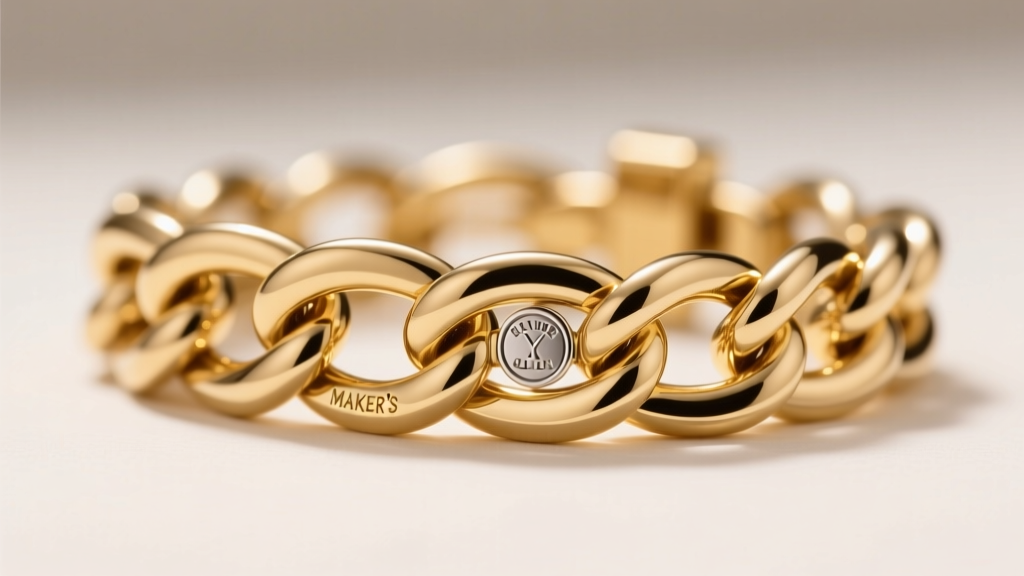
As the secondary market for vintage designer jewelry expands in 2026, authenticating a Catherine Popesco France necklace requires a keen eye for hallmarks. Genuine pieces will bear a clear, laser-engraved or deeply stamped maker's mark—usually reading "C. Popesco" or "Catherine Popesco"—alongside the ".925" sterling silver stamp.
When sourcing from platforms like 1stDibs, Etsy, or specialized estate auctions, scrutinize the high-resolution photos for the quality of the gold plating. Original heavy vermeil will show a soft, satin-to-matte luster, whereas aftermarket replating often looks overly glossy, glass-like, or slightly greenish if an improper alloy was used. The Gemological Institute of America (GIA) notes that the color and luster of gold alloys are heavily dependent on the exact karatage and trace metals used in the plating bath, making factory-original finishes highly distinct.

Care and Preservation Protocols for Heavy Vermeil
Maintaining the intricate details and heavy gold plating of a French motif necklace requires specialized care. The most common mistake collectors make is using ultrasonic cleaners or harsh chemical dips. Ultrasonic vibrations can cause microscopic fracturing in cold enamel, while chemical silver dips will instantly strip the gold vermeil layer, leaving you with a bare silver crest.
Step-by-Step Preservation Guide
- Routine Cleaning: Use a few drops of phosphate-free dish soap in lukewarm water. Gently agitate the necklace and use an ultra-soft, baby-hair brush to clean the deep crevices of the fleur-de-lis or crest where skin oils and cosmetics accumulate.
- Drying: Never air-dry, as water spots can etch into the gold over time. Pat dry with a lint-free microfiber cloth, ensuring no moisture remains trapped in the bail or chain links.
- Storage: Store the necklace flat in a tarnish-proof ziplock bag with a 3M anti-tarnish strip. Hanging heavy pendants for long periods can cause permanent stretching and deformation of the chain links due to gravity.
- Polishing: Avoid standard silver polishing cloths, as they contain mild abrasives designed to remove tarnish from bare silver. These abrasives will micro-scratch and eventually wear away the gold vermeil. Use only a clean, dry, untreated jeweler's cloth for buffing.
Conclusion
The Catherine Popesco France necklace stands as a benchmark in the world of historical revival jewelry. By combining the structural integrity of solid sterling silver, the luxurious depth of heavy 18k/22k vermeil, and the historical accuracy of traditional French heraldic motifs, these pieces transcend seasonal trends. For the serious collector, understanding the metallurgical and mechanical nuances of these necklaces not only aids in authentication but ensures that these wearable artifacts can be preserved and passed down through generations. Whether styled over a dark velvet winter turtleneck or layered with delicate contemporary chains, the technical brilliance of Popesco's French collection remains undeniable.


