Catholic Necklace Rosary Trends: 2026 Style & Layering Guide
Explore the 2026 catholic necklace rosary trend. Discover expert layering techniques, material grades, gauge sizes, and respectful styling frameworks.

The Devotional Meets the Editorial
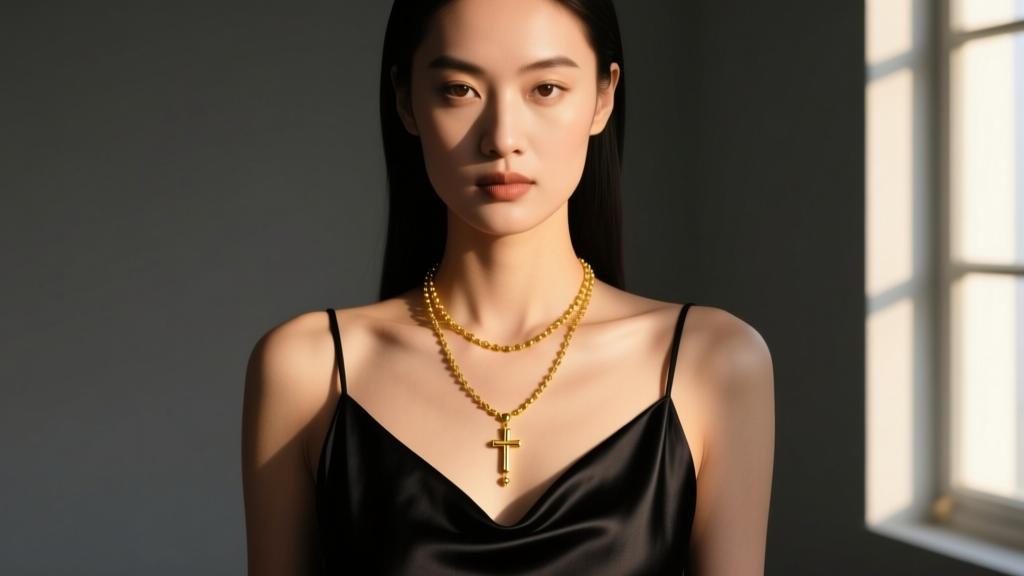
The intersection of faith-based iconography and high fashion is not a new phenomenon, but the 2026 iteration of this trend marks a distinct departure from the fast-fashion costume jewelry of the early 2010s. Today, the catholic necklace rosary has been reclaimed by artisan jewelers and luxury houses alike, transitioning from a purely devotional object or edgy streetwear prop into a cornerstone of the "quiet luxury" and "heritage layering" movements. As style analysts, we are seeing a massive pivot toward material integrity, historical accuracy in design, and sophisticated layering matrices. Consumers are no longer satisfied with lightweight, easily tangled base-metal chains; they are investing in pieces that offer both spiritual resonance and enduring sartorial value. This guide breaks down the material science, gauge frameworks, and styling protocols required to master the catholic necklace rosary trend in 2026.
Material Science: Upgrading the Beads and Chains
The most significant shift in the modern rosary market is the abandonment of dyed resin and plastic beads in favor of semi-precious gemstones and high-grade metals. When evaluating a contemporary catholic necklace rosary, the material composition dictates not only the price point but the longevity and skin-compatibility of the piece.
Gemstone Beads vs. Traditional Materials
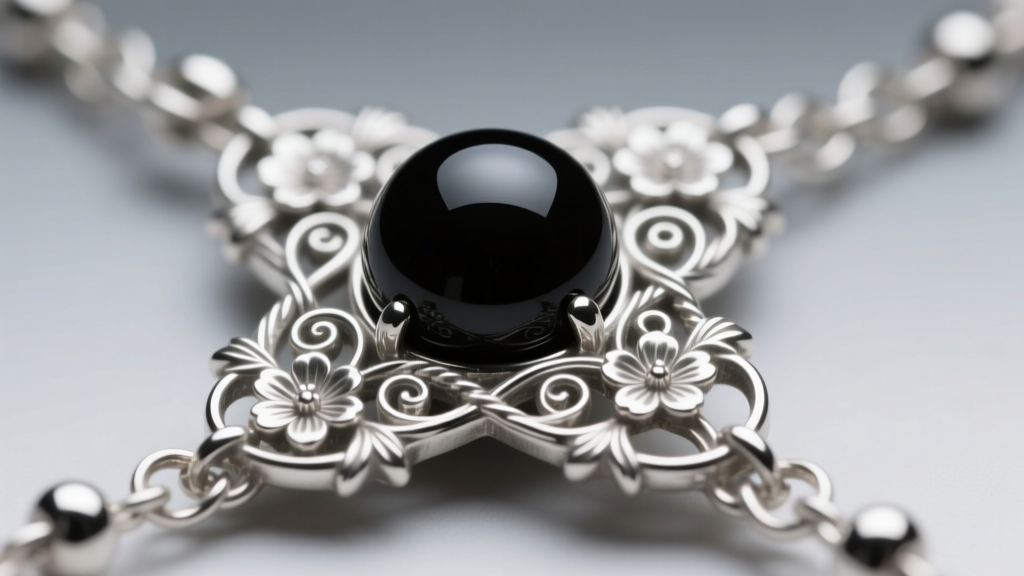
While traditional devotional rosaries often utilize olive wood, glass, or simple plastic for cost-effectiveness and tactile warmth during prayer, the fashion-forward 2026 market heavily favors natural stones. Matte black onyx, deep blue lapis lazuli, and unpolished obsidian are currently dominating the luxury sector. According to the Gemological Institute of America (GIA), natural black onyx is highly prized for its durability (rating a 7 on the Mohs scale) and its ability to absorb light, providing a subtle, non-reflective contrast to precious metal chainwork. Buyers must be wary of "dyed howlite" or "dyed agate" masquerading as onyx in the mid-tier market; a genuine stone will feel noticeably cooler to the touch and heavier in the hand.
Chain Metallurgy and Tarnish Resistance
The chain linking the decades (the five sets of ten beads) is the primary failure point in any rosary necklace. In 2026, 925 Sterling Silver remains the baseline for quality, but it must be treated. Look for pieces plated with at least 0.5 microns of rhodium. This flash plating prevents the sulfur-induced tarnishing that plagues bare silver when worn against the skin's natural oils. For those with high skin acidity or active lifestyles, 316L surgical stainless steel offers a hypoallergenic, virtually indestructible alternative in the $40–$90 price range, while solid 14k or 18k gold remains the ultimate investment tier.
Gauge and Proportion Framework
Chain gauge—the thickness of the metal wire used to form the links—is the most overlooked metric when purchasing a catholic necklace rosary. A chain that is too thin will snap under the weight of gemstone beads; a chain that is too thick will look clumsy and betray the delicate nature of the piece. Below is our 2026 structural framework for selecting the right gauge based on your styling intent.
| Chain Gauge | Link Style | Best Material | Visual Weight & Use Case | Estimated Price Range |
|---|---|---|---|---|
| 1.0mm - 1.2mm | Cable / Rolo | 925 Silver / 316L Steel | Ultra-delicate. Best for hidden wear or lightweight glass beads. High snap risk if caught. | $35 - $80 |
| 1.5mm - 1.8mm | Curb / Mariner | Silver Vermeil / 14k Gold | The 2026 standard. Perfect balance of tensile strength and elegance for daily layering. | $120 - $350 |
| 2.5mm - 3.0mm | Rope / Cuban | Solid 14k / 18k Gold | Heavy streetwear statement. Requires reinforced jump rings to support the metal's own weight. | $800 - $2,500+ |
Clasp Mechanics and Failure Modes
A recurring complaint in consumer reviews of mid-tier rosary necklaces is clasp failure. The traditional "spring ring" clasp, while inexpensive and unobtrusive, is notoriously difficult to operate with one hand and prone to internal spring fatigue. When the internal tension spring degrades, the clasp pops open unexpectedly, leading to lost pendants and spilled beads.
For any catholic necklace rosary weighing over 30 grams (typical for natural stone beads), we strongly advise upgrading to or seeking out a lobster clasp with a soldered jump ring. The lobster mechanism offers a wider gate for easier attachment and a more robust internal spring. Furthermore, ensure the "centerpiece" (the medal or image of the Virgin Mary where the five decades converge) is attached via a soldered oval jump ring rather than a split ring, which can easily be pried open by the friction of heavy beads swinging against the chest.
The 2026 Layering Matrix
Styling a rosary requires a nuanced understanding of proportion. The inherent "V-drop" of the rosary's lower pendant section creates a natural focal point, but layering it incorrectly can result in a tangled, chaotic mess. Drawing from Vogue's comprehensive layering guide and current editorial trends, here is the definitive matrix for integrating a catholic necklace rosary into your everyday rotation.
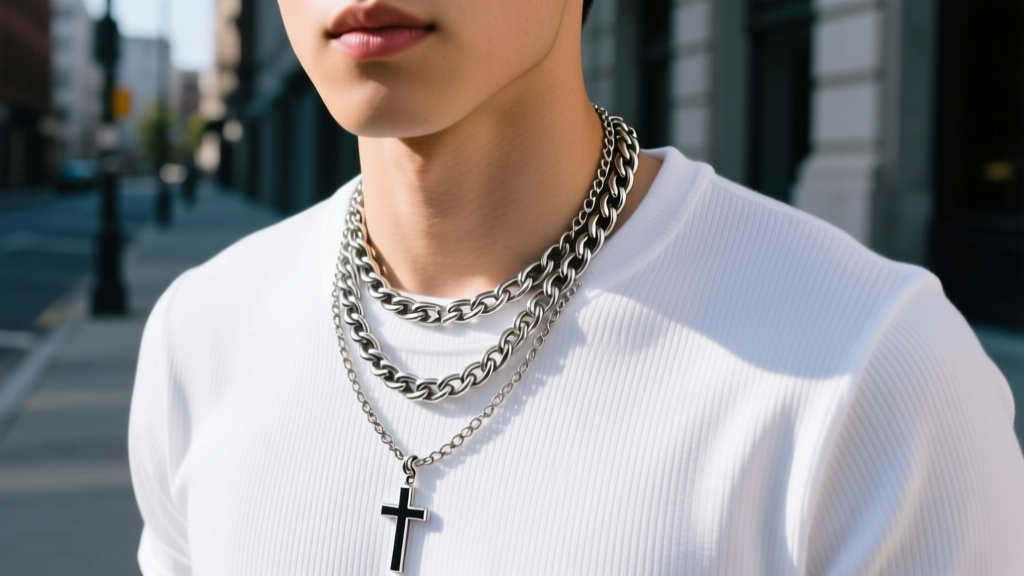
- The Rule of Thirds (Length): Never layer a rosary with chains of the exact same length. If your rosary sits at 24 inches (the standard length allowing it to rest near the solar plexus), pair it with an 18-inch herringbone or snake chain, and a 20-inch chain featuring a small, secular pendant (like a signet or geometric shape). This creates a cascading visual triangle.
- Texture Contrast: If the rosary features highly textured gemstone beads (like faceted onyx), pair it with smooth, high-polish metal chains. The contrast between the matte, light-absorbing stones and the reflective metal links elevates the entire arrangement.
- Metal Mixing Protocol: The archaic rule against mixing metals is entirely defunct in 2026. However, to maintain cohesion, ensure that the crucifix and centerpiece of the rosary match the dominant metal tone of your secondary chains, while the beads provide the contrasting neutral element.
Neckline Pairings
The rosary's elongated silhouette demands the right canvas. It pairs exceptionally well with deep V-necks, unbuttoned camp-collar shirts, and wide scoop necks. Avoid high crew necks or turtlenecks when wearing a 24-inch gemstone rosary; the beads will clash with the collar line, creating visual clutter and increasing the risk of the chain snagging on the fabric's hem.
Navigating Respect and Aesthetics
As the catholic necklace rosary continues to permeate secular fashion, it is vital to address the line between appreciation and appropriation. In the late 2010s, a controversial trend emerged where fast-fashion brands "chopped" rosaries—removing the crucifix and centerpiece to sell the beaded chain as a generic lariat necklace. This was widely condemned as disrespectful to the Catholic faith, reducing a sacred sacramental to a mere aesthetic prop.
"A rosary is fundamentally a tool for prayer, structured with specific theological intent—five decades representing five mysteries. When adapting it for fashion, maintaining the structural integrity of the piece, including the crucifix and the maria centerpiece, is a baseline of respect for its origins."
In 2026, the most respected jewelry designers approach the catholic necklace rosary by preserving its traditional anatomy while elevating its craftsmanship. If you are wearing a rosary strictly as a fashion statement and not for devotional purposes, the prevailing etiquette is to wear it visibly and proudly, treating it with the same care and respect you would afford any piece of cultural heritage jewelry, rather than hiding it or altering its sacred geometry.
Investment Tiers: Where to Buy
Depending on your budget and intent, the market is currently segmented into three distinct tiers:
- The Artisan Devotional Tier ($150 - $400): Brands like My Saint My Hero or specialized Etsy silversmiths who hand-link 925 sterling silver with genuine Swarovski crystal or natural agate beads. These pieces are structurally sound and bridge the gap between genuine religious goods and fashion.
- The High-Fashion Heritage Tier ($500 - $1,200): Luxury houses and niche streetwear jewelers offering 14k gold-plated vermeil over brass, featuring custom-cast crucifixes and heavyweight 2.0mm chains. These are statement pieces designed for editorial layering.
- The Fine Jewelry Investment Tier ($2,000+): Solid 18k gold chains paired with AAA-grade lapis lazuli or turquoise beads, often featuring diamond-accented centerpieces. These are heirloom-quality items meant to be passed down through generations.
Final Thoughts on the 2026 Rosary Revival
The catholic necklace rosary has successfully transcended its status as a fleeting pop-culture accessory to become a permanent fixture in the modern jewelry lexicon. By prioritizing material integrity—opting for natural stones, appropriate chain gauges, and robust clasp mechanics—you ensure that your piece is not just a trend to be worn for a season, but a durable, deeply meaningful artifact that anchors your personal style for years to come. Whether worn for its spiritual significance or its undeniable architectural beauty, the modern rosary demands quality, respect, and an eye for proportion.


