The Chain and Lock Necklace: 2026 Hardware Style Guide
Explore the 2026 chain and lock necklace trend. Discover hardware styling, chain gauges, lock mechanisms, and layering techniques for industrial elegance.

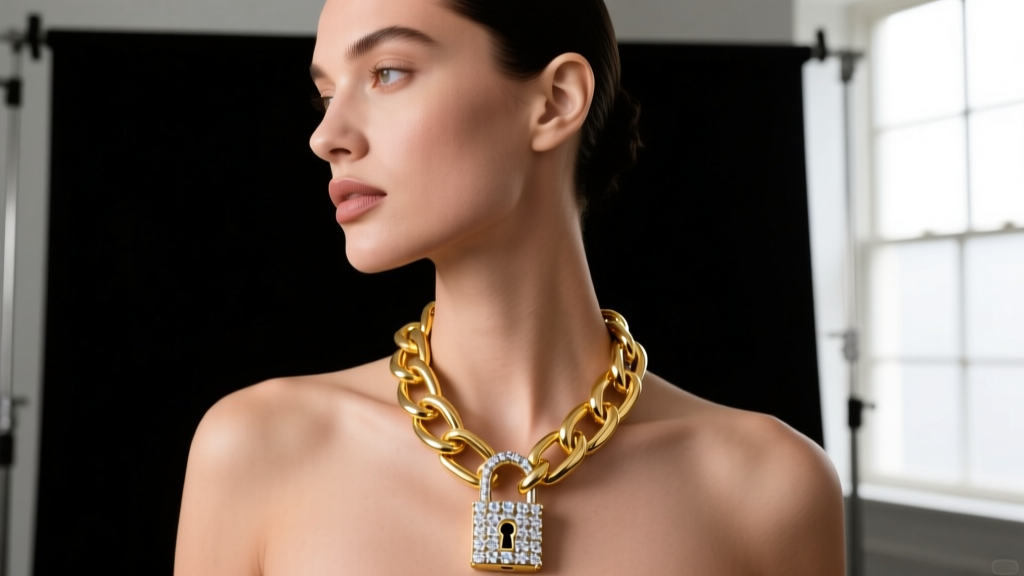
The Evolution of the Chain and Lock Necklace
Once relegated to subcultural punk aesthetics or delicate, purely decorative pendants, the chain and lock necklace has undergone a radical transformation. As we navigate the jewelry landscape of 2026, the motif has evolved into a staple of gender-neutral, industrial-chic high jewelry. No longer just a symbol of romance or rebellion, today's hardware jewelry represents a fusion of architectural design and functional mechanics. According to Vogue's recent fine jewelry trend reports, the modern consumer demands pieces that feel substantial, tactile, and mechanically intriguing, moving away from the fragile, whisper-thin chains of the previous decade.
This shift has given rise to the "hardware aesthetic," where the chain and lock necklace serves as the ultimate anchor piece. Whether crafted from heavy-gauge precious metals or mixed with oxidized finishes, these necklaces bridge the gap between streetwear edge and haute joaillerie refinement. But pulling off this look requires an understanding of proportion, metallurgy, and mechanical integrity.
Anatomy of the Modern Chain and Lock Necklace
To truly master this trend, one must look beyond the surface and examine the structural components that dictate both the drape and durability of the piece. The interplay between the chain profile and the lock mechanism is where the magic—and the engineering—happens.
Chain Profiles and Gauges
A true statement chain and lock necklace requires a minimum 4.0mm width to support the visual and physical weight of a solid metal padlock. Anything under 3.0mm looks unbalanced and risks snapping under the pendulum effect of a heavy lock. The three dominant chain profiles for 2026 include:
- Cuban Link (4.5mm - 6.0mm): The undisputed king of hardware. Its interlocking, flat-polished links offer maximum reflectivity and a heavy, luxurious drape that sits perfectly against the collarbone.
- Paperclip (3.5mm - 5.0mm): Elongated, rectangular links provide a modern, architectural feel. Paperclip chains are lighter than Cuban links but offer significant visual volume, making them ideal for layered looks.
- Mariner (4.0mm - 5.5mm): Featuring oval links with a center bar, the Mariner chain is incredibly durable and resists kinking, making it the best choice for heavy, functional padlocks that swing with movement.
Lock Mechanisms: Functional vs. Decorative
The most significant 2026 trend is the demand for functional hardware. Decorative cast locks are being replaced by working screw-locks, magnetic click-clasps, and shackle mechanisms. However, functional locks require precise engineering. A screw-lock padlock must feature perfectly milled threads to ensure it opens and closes smoothly without cross-threading over time.
Material Grades and Metallurgy
When dealing with functional hardware, the choice of metal is not just about color; it is about structural integrity. The Gemological Institute of America (GIA) notes that the alloy composition of gold drastically affects its hardness and tensile strength. This is critical when selecting a chain and lock necklace with moving parts.
For functional screw-threads on padlocks, 14k gold (58.5% pure gold) is structurally superior. The higher alloy content (typically copper, silver, and zinc) increases the metal's hardness, preventing the delicate threads from stripping after repeated use. Conversely, 18k gold is softer and better suited for cast, non-moving decorative locks or the chain itself, where malleability and rich color are prioritized over mechanical friction.
| Material | Best Application | Durability | Price Range (USD) |
|---|---|---|---|
| 14k Gold | Functional screw-locks, heavy chains | High (Resists thread stripping) | $800 - $2,500 |
| 18k Gold | Decorative cast locks, premium chains | Medium (Prone to scratching) | $1,500 - $4,000+ |
| Platinum | Heirloom heavy chains, secure clasps | Very High (Dense, hypoallergenic) | $3,000 - $8,000+ |
| Oxidized Silver | Edgy layers, mixed-metal hardware | Medium-High (Requires patina care) | $250 - $900 |
2026 Trend Forecast: Industrial Meets Haute Joaillerie
This year, the boundaries between industrial hardware and fine jewelry have completely dissolved. Designers are introducing unexpected elements to the classic chain and lock necklace to elevate it for formal and editorial settings.
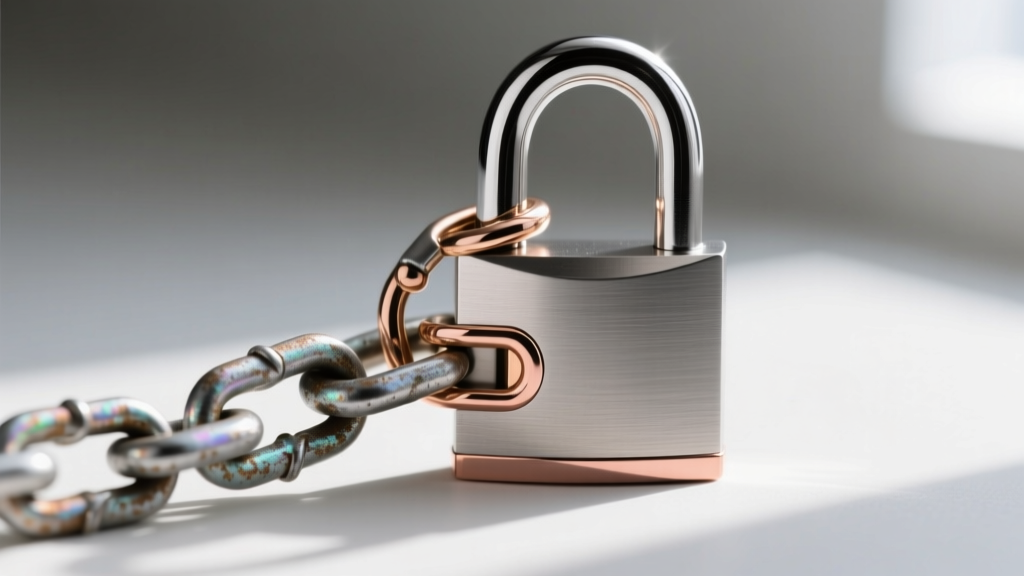
- Mixed Metal Hardware: Combining oxidized sterling silver chains with 18k rose gold padlocks creates a striking, high-contrast look that feels both vintage and futuristic.
- Gemstone-Encrusted Mechanics: Rather than just paving the face of the lock, jewelers are setting baguette diamonds directly into the shackle and the chain's terminal links, drawing the eye to the mechanical connections.
- Asymmetrical Links: Breaking the uniformity of the chain by integrating one or two oversized, irregularly shaped links near the clasp adds an avant-garde, bespoke feel to the piece.
Styling and Layering the Hardware Aesthetic
Mastering the chain and lock necklace requires an understanding of proportion and negative space. The hardware trend is inherently bold, so balancing the weight of the jewelry with your wardrobe is essential.
The Rule of Three for Layering
When layering hardware, avoid using multiple locks, which can look cluttered and cause mechanical tangling. Instead, use the "Rule of Three":
- The Anchor (16-18 inches): Your primary chain and lock necklace. Opt for a 4.5mm Cuban link with a medium-sized functional padlock.
- The Bridge (20-22 inches): A contrasting chain profile, such as a 2.5mm oxidized silver paperclip chain, without a pendant. This provides texture and frames the lock.
- The Terminator (24-28 inches): A fine, lightweight cable chain ending in a simple geometric bar or a single solitaire diamond to draw the eye downward and elongate the torso.
Neckline Pairings
Heavy chain and lock necklaces sit best on solid, structured fabrics. A chunky 5mm gold chain with a substantial lock acts as a brilliant counterpoint to a crisp white crew-neck t-shirt or a structured wool turtleneck. For deep V-necks or silk blouses, opt for a longer, lighter paperclip chain where the lock acts as a lariat drop, following the geometric lines of the garment without overwhelming the delicate fabric.
Maintenance and Hardware Troubleshooting
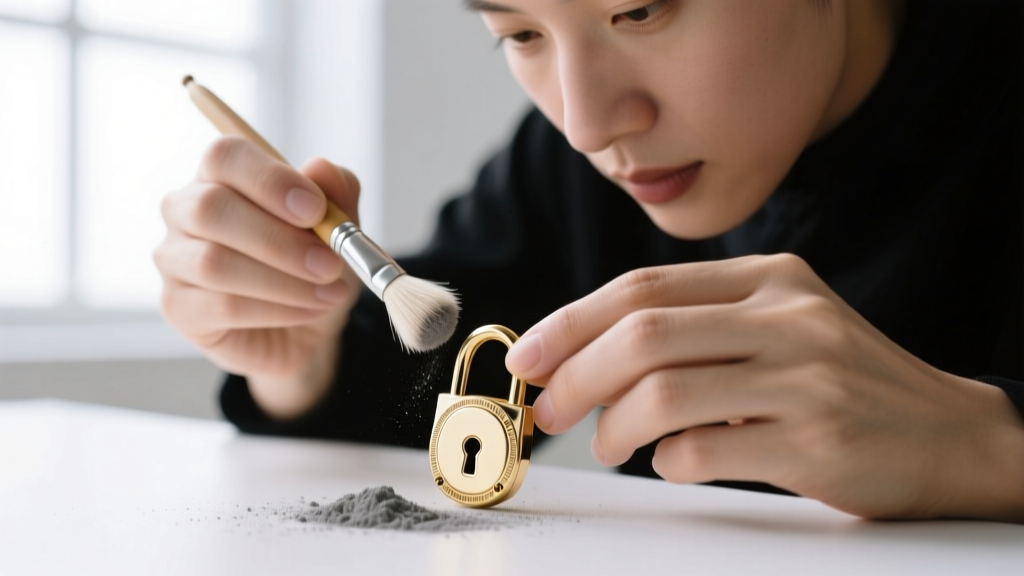
Functional hardware requires specific maintenance protocols that differ from standard fine jewelry. The moving parts of a chain and lock necklace are susceptible to environmental debris, skin oils, and friction.
Fixing a Seized Screw-Lock
If your functional padlock becomes difficult to unscrew, never use liquid lubricants like WD-40 or oil. These substances attract microscopic dust and dead skin cells, eventually creating an abrasive paste that will permanently ruin the threads. Instead, use a dry, jewelry-safe graphite powder. Apply a microscopic amount to the threads and gently work the lock open and closed to distribute the dry lubricant.
Cleaning Oxidized and Mixed Metals
Ultrasonic cleaners are the enemy of mixed-metal and oxidized hardware. The high-frequency vibrations can loosen the tension in mechanical shackles and strip the intentional dark patina from oxidized silver links. Always clean your chain and lock necklace using a soft-bristled brush, lukewarm water, and a mild, phosphate-free dish soap. Dry immediately with a microfiber cloth to prevent water spots on the polished gold accents.
Final Thoughts on the Hardware Movement
The chain and lock necklace in 2026 is more than a fleeting trend; it is a permanent shift toward jewelry that interacts with the wearer. By understanding the nuances of chain gauges, metallurgical hardness, and proper mechanical maintenance, you can invest in a piece of hardware that is not only visually striking but engineered to last a lifetime. Whether you lean toward the heavy luxury of 14k gold or the gritty elegance of oxidized silver, the modern padlock is your key to unlocking a bold new personal aesthetic.


