Chain Length Necklaces: A Technical Guide to Drape and Fit
Master the engineering of chain length necklaces. Explore link articulation, tensile drape, clasp stress, and precise neckline pairing metrics.

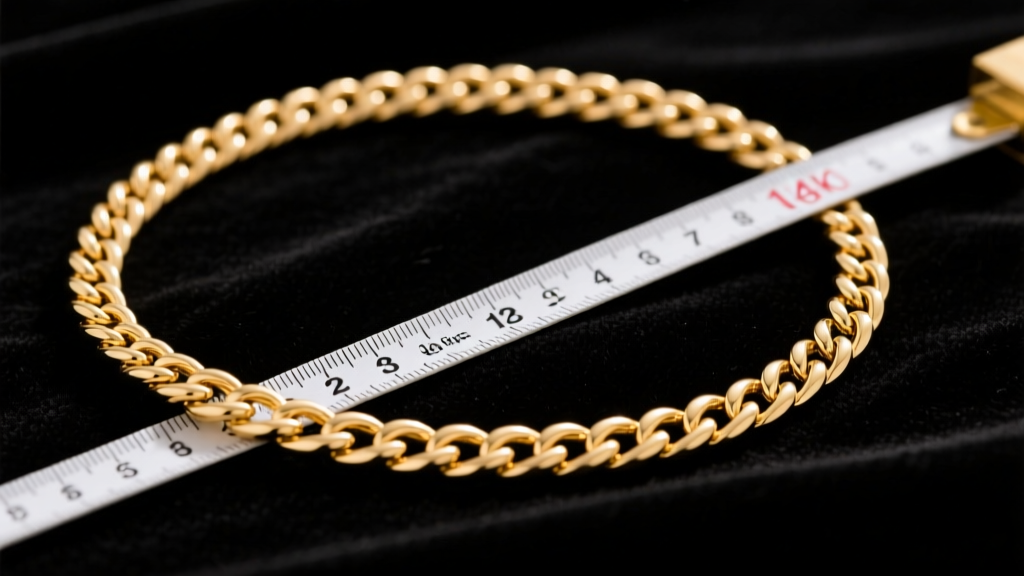
When discussing chain length necklaces, most style guides offer superficial advice based purely on visual aesthetics. However, from a master jeweler’s perspective, selecting the correct chain length is an exercise in structural engineering, biomechanics, and metallurgical behavior. The way a necklace interacts with the human form depends on a complex interplay of tensile drape, link articulation, and hardware stress. This expert deep dive bypasses generic styling tips to explore the precise technical mechanics that dictate how chain length necklaces perform, wear, and drape across different anatomies and garments.
The Biomechanics of the Drop: Beyond Standard Sizing
The jewelry industry relies on standard increments—14, 16, 18, 20, and 24 inches—but these static measurements fail to account for the dynamic variable of human anatomy. To truly understand how chain length necklaces will sit, experts use the Cervical Drop Ratio. This is calculated by subtracting the wearer's exact neck circumference from the total chain length, then dividing by two to estimate the frontal drop from the clavicle notch.
For example, a standard 16-inch choker on a wearer with a 13-inch neck circumference yields a 1.5-inch frontal drop, resting comfortably above the collarbone. On a wearer with a 15-inch neck, that same 16-inch chain yields a mere 0.5-inch drop, creating a restrictive, high-tension fit that accelerates clasp fatigue and causes the chain to ride up the cervical spine. According to ergonomic guidelines outlined by the Jewelers of America, a minimum clearance of 1.5 inches between the neck circumference and the chain length is required for unrestricted movement and optimal drape in non-choker styles.
Link Articulation and Tensile Drape
The physical length of a chain is only half the equation; the articulation index of the chain link dictates its effective visual length and drape behavior. Different link structures respond uniquely to gravity and movement.
- Cable Chains: Featuring uniform, alternating oval links, cable chains possess a high articulation index. They drape fluidly, creating a deep, narrow 'V' shape. An 18-inch cable chain will visually appear longer than an 18-inch curb chain because it collapses tightly into the sternal notch.
- Curb Chains: These links are flattened and interlock in a way that restricts multi-axis movement. Curb chains have a low articulation index, resulting in a wider, stiffer drape that sits further away from the body. They require an additional 0.5 to 1 inch of length to achieve the same visual drop as a cable chain.
- Rope Chains: The helical, twisted structure of a rope chain creates a semi-rigid tubular drape. While highly reflective, the torsional memory of the metal means rope chains resist flattening against the chest, requiring careful length selection to avoid an awkward, floating appearance.

Understanding these metallurgical behaviors is crucial. As noted in the GIA Gem Encyclopedia, the work-hardening process used to manufacture flat links like curbs inherently increases their stiffness compared to the annealed, rounded links of a cable chain, directly impacting how the metal yields to the body's contours.
Hardware Stress and Clasp Migration
One of the most common failure modes in chain length necklaces is clasp migration—the phenomenon where the clasp works its way from the nape of the neck to the front of the chest. This is not merely a nuisance; it is a symptom of improper weight distribution and tensile imbalance.
The 'pendulum effect' occurs when the pendant or the central focal point of the chain is heavier than the clasp assembly. On longer chain length necklaces (20 inches and above), the kinetic energy generated by walking creates a continuous downward pull on the heaviest point of the chain. If the clasp lacks sufficient counter-weight or friction, it will migrate forward. To combat this, master jewelers recommend integrating a 'balance bead' or a heavier decorative jump ring at the nape of 24-inch chains to anchor the hardware.
Furthermore, chain length dictates clasp selection based on tensile fatigue. A 14-inch choker experiences high lateral tension when the wearer turns their head, making a secure, low-profile box clasp ideal. Conversely, a 24-inch chain experiences high vertical shear stress at the clasp connection point due to the pendulum swing. Spring ring clasps are highly prone to failure in this scenario due to the degradation of the internal tension spring; a heavy-duty lobster clasp with a reinforced soldered jump ring is mandatory for chains exceeding 22 inches.
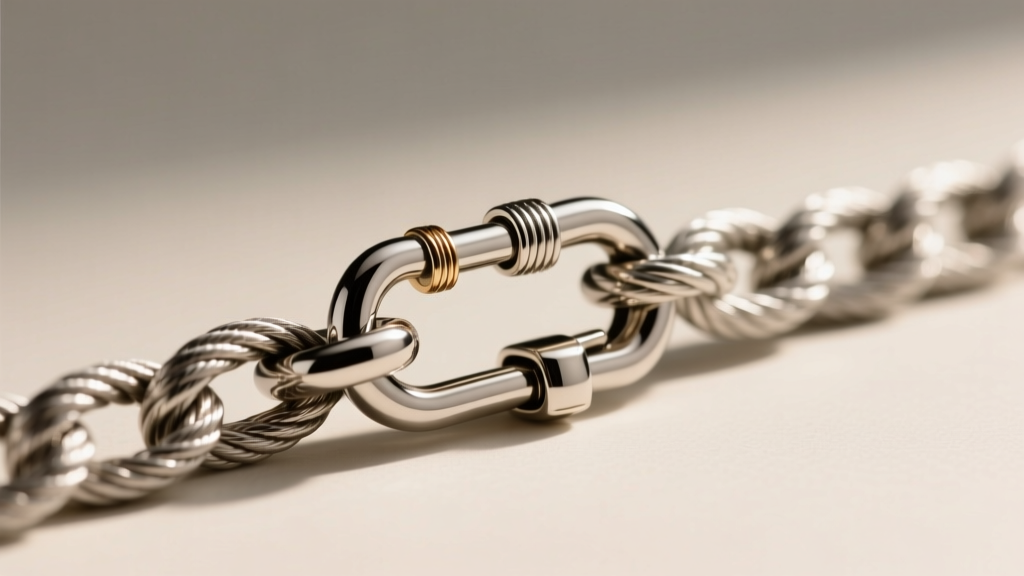
Precision Matrix: Chain Length Necklaces and Garment Geometry
Pairing chain length necklaces with specific necklines requires precise millimeter clearances to prevent visual clutter and physical snagging. The following matrix provides technical pairing guidelines based on standard garment drop measurements.
| Chain Length | Optimal Neckline Geometry | Required Garment Clearance | Drape Behavior & Tension |
|---|---|---|---|
| 14" - 15" (Collar) | Boat neck, Off-shoulder, Deep V | Minimum 2.0" below chain | High lateral tension; sits flush on the clavicle. |
| 16" - 17" (Choker) | Scoop neck, Sweetheart, Strapless | Minimum 1.5" below chain | Moderate tension; frames the collarbone hollow. |
| 18" (Princess) | Crew neck, High jewel, Halter | Rests directly on fabric edge | Low tension; natural drape resting on the upper sternum. |
| 20" - 22" (Matinee) | Cowl neck, Button-down, Turtleneck | Worn over fabric; no clearance needed | High vertical shear; creates an elongating 'V' vector. |
| 24" - 30" (Opera) | Plunging V, Column dresses, Shift | Worn over long torsos; requires balance bead | Extreme pendulum effect; high kinetic swing weight. |
Troubleshooting Chain Tension and Pendant Bail Clearance
A frequently overlooked technical detail when styling chain length necklaces with pendants is the bail-to-chain clearance ratio. The bail (the loop that connects the pendant to the chain) must accommodate not only the width of the chain but also its thickness and articulation radius. A common error is threading a 4mm wide curb chain through a bail with a 4.5mm inner diameter. While it physically fits, the lack of a 1.5mm tolerance margin restricts the chain's articulation, causing the pendant to flip backward and remain trapped behind the chain links.
For optimal mechanical function, the inner diameter of the pendant bail should be at least 1.5 times the width of the chain link. Additionally, when layering multiple chain length necklaces, the length differential between adjacent chains must be a minimum of 2 inches. A 1-inch differential causes the articulation nodes of the two chains to interlock, resulting in severe tangling and accelerated abrasive wear on the metal finishes. By respecting these precise engineering tolerances, you ensure that your chain length necklaces not only look impeccable but perform flawlessly over decades of wear.


