Charm Bar Necklace Value Guide: 2026 Pricing & Budget Tips
Discover how to assess the true value of a charm bar necklace in 2026. We break down material grades, chain gauges, and pricing tiers.

The Anatomy of a Charm Bar Necklace: Where the Money Goes
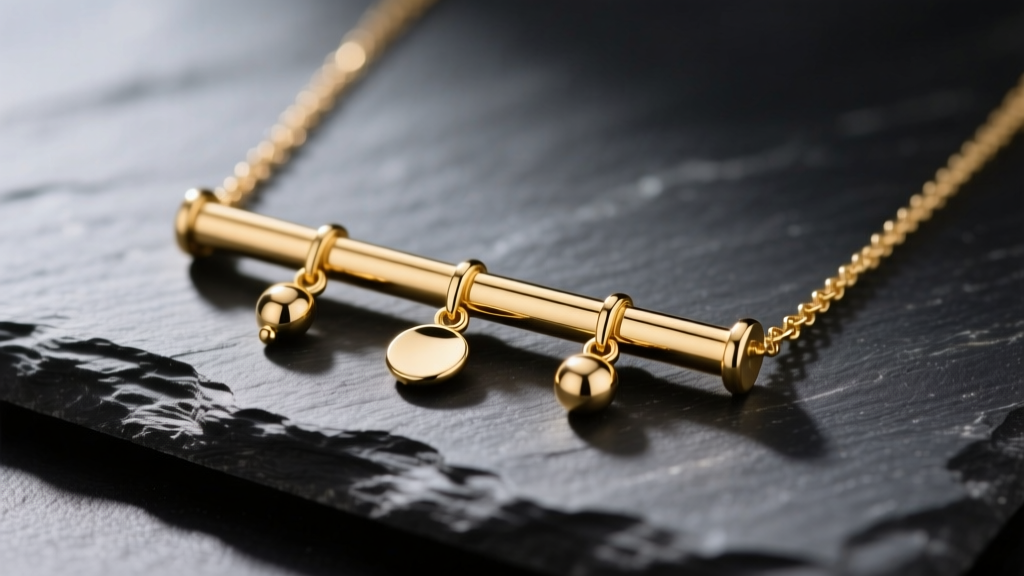
A charm bar necklace is a masterclass in minimalist storytelling. Unlike traditional charm bracelets or clustered pendant necklaces, the horizontal bar design distributes visual weight evenly across the collarbone, offering a sleek, modern silhouette. However, from a budget and value assessment perspective, not all charm bars are created equal. When you are evaluating a piece, you are essentially paying for three distinct components: the horizontal bar plate, the chain, and the charm attachment findings. Understanding how jewelers allocate their manufacturing costs across these three elements is the first step in determining whether a necklace is a worthwhile investment or an overpriced fashion accessory.
The horizontal bar itself is typically stamped or cast from a sheet of metal. The critical metric here is thickness, measured in gauges. A high-quality bar should be at least 14-gauge (1.45mm) or 16-gauge (1.29mm) to prevent warping under the pendulum-like stress of dangling charms. Many budget retailers cut costs by using 20-gauge (0.81mm) sheets, which will visibly bend within months of daily wear. When assessing value, always check the product specifications for the bar's thickness and weight.
Material Grades and True Market Value in 2026
The base metal and plating thickness dictate the baseline price and longevity of your necklace. In 2026, the market is flooded with misleading terminology, particularly around gold-plated and vermeil pieces. According to the Federal Trade Commission Jewelry Guides, a piece can only be legally marketed as 'gold vermeil' if it consists of a sterling silver base coated with at least 2.5 microns of gold (usually 14k or 18k). Anything less is simply gold-plated, often over a brass or copper core, which will tarnish and cause skin discoloration as the thin gold layer wears away from friction.
Below is a breakdown of what you should expect to pay for a standard 16-inch charm bar necklace with three small charms in the current market:
| Material Composition | Bar Thickness | Expected Retail Price (2026) | Longevity & Value Rating |
|---|---|---|---|
| Gold-Plated Brass | 20-Gauge (0.8mm) | $35 - $65 | Poor (6-12 months before tarnishing) |
| 925 Sterling Silver | 18-Gauge (1.0mm) | $70 - $120 | Good (Requires polishing, but lasts decades) |
| 14k Gold Vermeil | 16-Gauge (1.3mm) | $130 - $240 | Very Good (3-5 years with proper care) |
| Solid 14k Gold | 14-Gauge (1.5mm) | $450 - $950+ | Excellent (Lifetime heirloom piece) |
If a brand is charging vermeil prices ($150+) for a brass-based, gold-plated charm bar, the value proposition is fundamentally flawed. Always verify the base metal with the retailer.
Assessing the Chain: Gauge, Style, and Clasp Quality
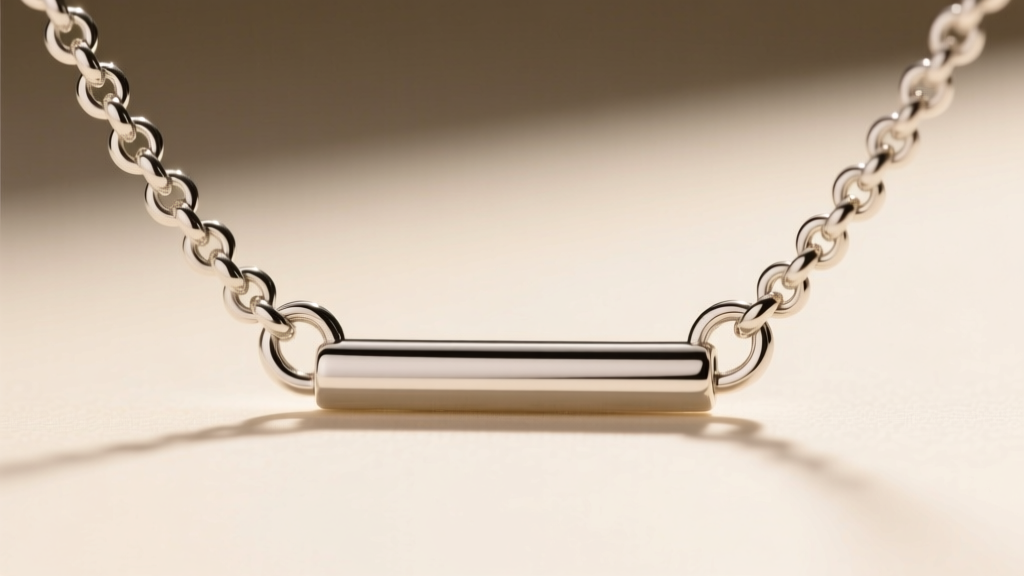
The chain is the unsung hero of the charm bar necklace, bearing the brunt of the mechanical stress. A horizontal bar loaded with charms creates a concentrated center of gravity. If the chain is too delicate, the friction at the clasp and the bail will act like a saw, eventually snapping the links.
For a charm bar, avoid 1.0mm or 1.2mm cable chains. Instead, look for chains with interlocking structural integrity, such as Rolo, Wheat, or Box chains, with a minimum thickness of 1.5mm to 2.0mm. According to metallurgical standards outlined by the Gemological Institute of America (GIA), the structural integrity of a chain is just as vital as the purity of the gold or silver used to forge it. A 2.0mm Wheat chain distributes the tension of a heavy charm bar across multiple interwoven links, drastically reducing the risk of a catastrophic snap.
Furthermore, inspect the clasp. Budget necklaces often utilize small spring-ring clasps, which are notorious for failing under the dynamic weight of a charm bar. A high-value piece will feature a lobster claw clasp with a strong internal spring, or ideally, a secure magnetic or toggle clasp engineered for heavier pendants.
The Hidden Cost of Charm Attachments
How are the charms attached to the horizontal bar? This is where mass-market brands severely compromise on quality to maintain low price points. There are three primary attachment methods:
- Open Jump Rings: The charm is hung on a thin ring with a microscopic slit. Over time, the weight of the charm pulls the slit open, and the charm falls off and is lost. This is a hallmark of low-value manufacturing.
- Split Rings: Similar to a miniature keychain. While secure, they look bulky and detract from the delicate aesthetic of a charm bar.
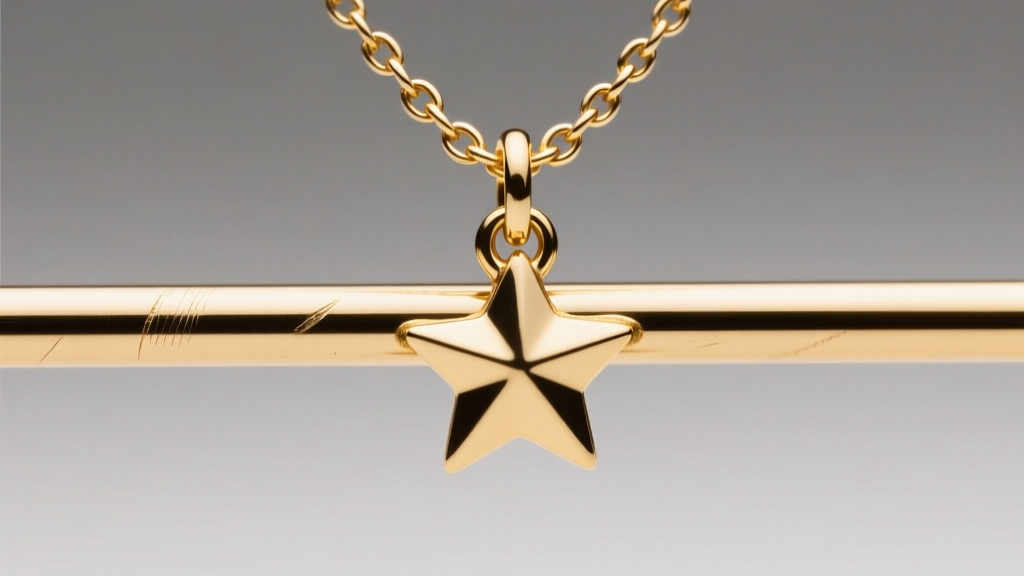
- Soldered Jump Rings: The ring is completely closed and fused with solder. This is the gold standard for fine jewelry. It guarantees the charm will never detach from the bar, significantly increasing the piece's long-term value and your peace of mind.
Brand Tiers: Are You Paying for the Logo or the Craft?
When budgeting for a charm bar necklace, it is crucial to understand where your money is going within the retail hierarchy. The jewelry market in 2026 is distinctly segmented:
Fast Fashion & Mall Brands: These retailers typically charge $50 to $90 for gold-plated brass bars with open jump rings and fragile 1.0mm cable chains. You are paying for convenience and trendiness, not intrinsic value. The cost of goods sold (COGS) for these items is often under $4.
Direct-to-Consumer (DTC) Artisans: Independent jewelers and specialized online boutiques offer the best value-to-quality ratio. For $120 to $250, you can acquire heavy 14k vermeil or solid sterling silver bars with 1.5mm rolo chains and soldered charms. You are paying for ethical sourcing, superior craftsmanship, and transparent material grading.
Legacy Fine Jewelers: Brands like Tiffany & Co. or Cartier charge a massive premium (often 500% to 1000% markup) for their name and the retail experience. While the materials (solid 18k gold, 14-gauge thickness) are undeniably excellent, a strict budget assessment will reveal that you are primarily funding the brand's marketing and real estate, not just the metal.
The Value Checklist: 5 Questions to Ask Before Buying
Before adding a charm bar necklace to your cart, run it through this rigorous value assessment framework to ensure you are making a financially sound purchase:
- What is the exact base metal? (Reject brass or copper bases if you are paying over $80).
- What is the gold plating thickness? (Demand at least 2.5 microns if buying vermeil).
- What is the chain style and gauge? (Ensure it is a minimum of 1.5mm Rolo, Wheat, or Box chain).
- Are the charm jump rings soldered? (If they are open, factor in the high probability of losing a charm).
- Does the retailer offer a structural warranty? (High-value brands will guarantee the chain and clasps against manufacturing defects for at least one year).
'True value in jewelry is not just about the karat weight of the gold; it is about the engineering of the piece. A well-constructed sterling silver charm bar will outlast and outperform a poorly engineered, ultra-thin gold-plated necklace every single time.' — Master Bench Jeweler
By shifting your focus from mere aesthetics to the structural and material realities of the charm bar necklace, you can confidently navigate the 2026 market, avoiding buyer's remorse and investing in pieces that truly hold their worth.


