Material Guide: Choosing the Right Chew Necklace for ADHD
Discover the best materials for a chew necklace for ADHD. Compare silicone, TPU, and rubber, plus Shore A hardness and safety certifications.

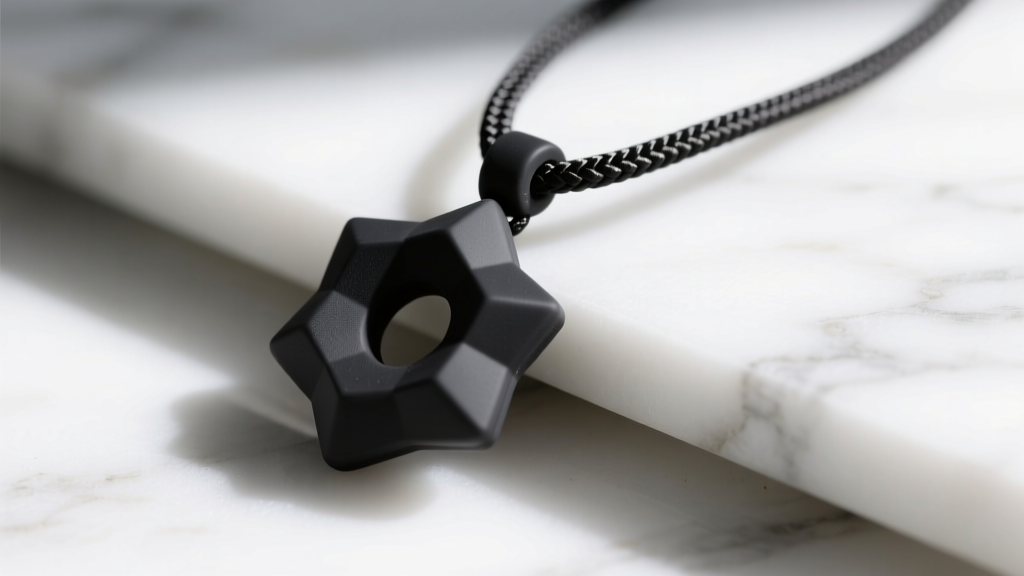
The Science of Sensory Jewelry: Why Material Matters
For individuals with Attention-Deficit/Hyperactivity Disorder (ADHD), oral sensory seeking is a common self-regulation mechanism. Chewing provides proprioceptive input to the jaw, which can help ground the nervous system, improve focus, and reduce anxiety. According to CHADD (Children and Adults with Attention-Deficit/Hyperactivity Disorder), sensory processing differences are frequently co-occurring with ADHD, making functional sensory jewelry an essential tool for many.
However, treating a chew necklace for ADHD as a mere toy is a critical mistake. It is a piece of functional wearable jewelry that must endure extreme mechanical stress, constant exposure to saliva enzymes, and aggressive bite forces. Standard jewelry materials like sterling silver, acrylic, or cheap PVC plastics are not only hazardous due to heavy metal leaching and microplastic ingestion, but they also pose severe dental and choking risks. In 2026, the market for sensory necklaces has matured, demanding rigorous material science and engineering. This guide breaks down the exact polymers, durometers, and safety mechanisms you must evaluate before purchasing or designing a chew pendant.
Medical-Grade Silicone vs. TPU vs. Natural Rubber
Not all polymers are created equal. When evaluating a chew necklace for ADHD, you will primarily encounter three base materials. Understanding their chemical composition is vital for long-term safety and durability.
1. Platinum-Cured Liquid Silicone Rubber (LSR)
Platinum-cured silicone is the undisputed gold standard for high-end sensory jewelry. Unlike peroxide-cured silicones, which leave behind chemical byproducts and require secondary baking to remove volatile organic compounds (VOCs), platinum-cured LSR uses an addition-cure reaction. This results in a completely inert, non-porous, and odorless material. It is highly resistant to saliva degradation and can be sterilized in boiling water without degrading its structural integrity.
2. Thermoplastic Polyurethane (TPU)
TPU is a rigid, highly abrasion-resistant plastic often used for chew pendants that require complex, sharp geometric shapes or a firmer bite. While durable, TPU lacks the elastic rebound of silicone. Over time, aggressive chewers can sheer off microscopic shards of TPU, and the material is generally less tolerant of high-heat sterilization.
3. Natural Rubber (Hevea brasiliensis)
Derived from tree sap, natural rubber is eco-friendly and offers a unique, organic texture. However, it is highly porous, meaning it can harbor bacteria and mold if not meticulously dried. Furthermore, natural rubber degrades rapidly when exposed to the lipase enzymes in human saliva, and it carries a inherent risk of latex allergies.
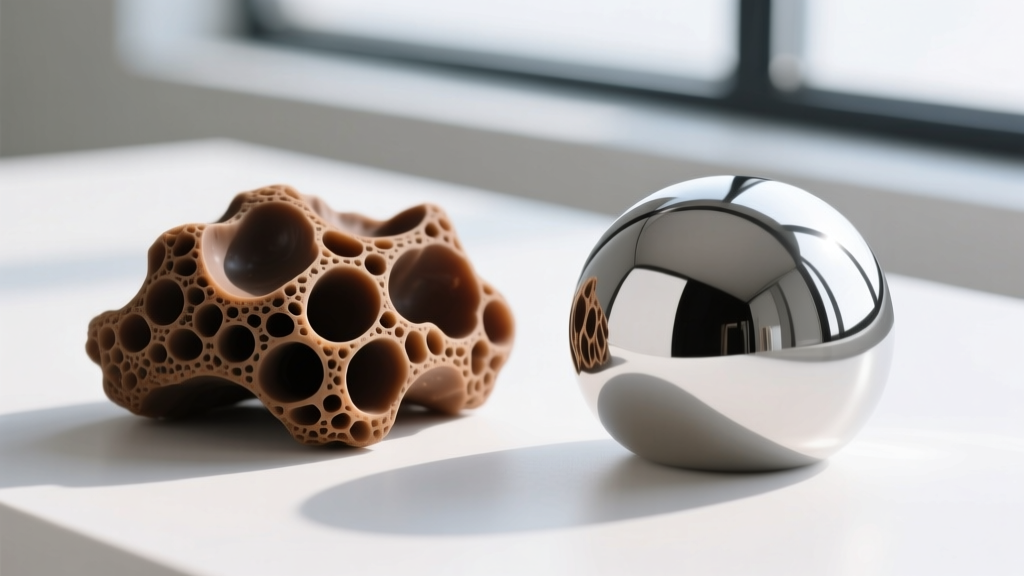
Decoding Shore A Hardness: Matching Bite Pressure
The most frequent reason a chew necklace for ADHD fails to meet a user's needs is a mismatch in material hardness. Polymer hardness is measured on the Shore A durometer scale. A rating of 10A feels like a soft gummy bear, while 80A feels like a hard rubber tire tread. Selecting the correct Shore A rating prevents dental damage and ensures the pendant provides the necessary sensory feedback.
| Shore A Rating | Material Feel | User Profile | Recommended Material |
|---|---|---|---|
| 20A - 30A | Very Soft, Squishy | Light Chewers / Oral Explorers | Platinum Silicone |
| 40A - 50A | Medium, Pencil Eraser | Moderate / Everyday Chewers | Platinum Silicone or TPU |
| 60A - 70A+ | Firm, Tough | Aggressive / Molar Chewers | High-Density TPU or Solid Silicone |
Expert Insight: If a user is aggressively chewing through a 40A silicone pendant in under a week, do not simply buy a thicker pendant. The material is bottoming out, causing jaw fatigue and rapid tearing. Upgrade to a 60A durometer or switch to a TPU core wrapped in a softer silicone shell.
Tensile Strength and Breakaway Safety Engineering
The pendant is only half of the necklace system; the cord and clasp engineering are equally critical. A chew necklace for ADHD must withstand constant pulling, yanking, and moisture exposure without becoming a strangulation hazard.
Cord Materials: Nylon vs. Cotton
Never use cotton or hemp cords for sensory jewelry. These natural fibers are hydrophilic, meaning they absorb saliva, sweat, and environmental moisture, creating a breeding ground for bacteria and mold. Instead, opt for hydrophobic braided nylon or UHMWPE (Ultra-High-Molecular-Weight Polyethylene) cords. These materials repel moisture, can be wiped clean, and offer immense tensile strength (often exceeding 100 lbs of break strength).
The Breakaway Clasp Mandate
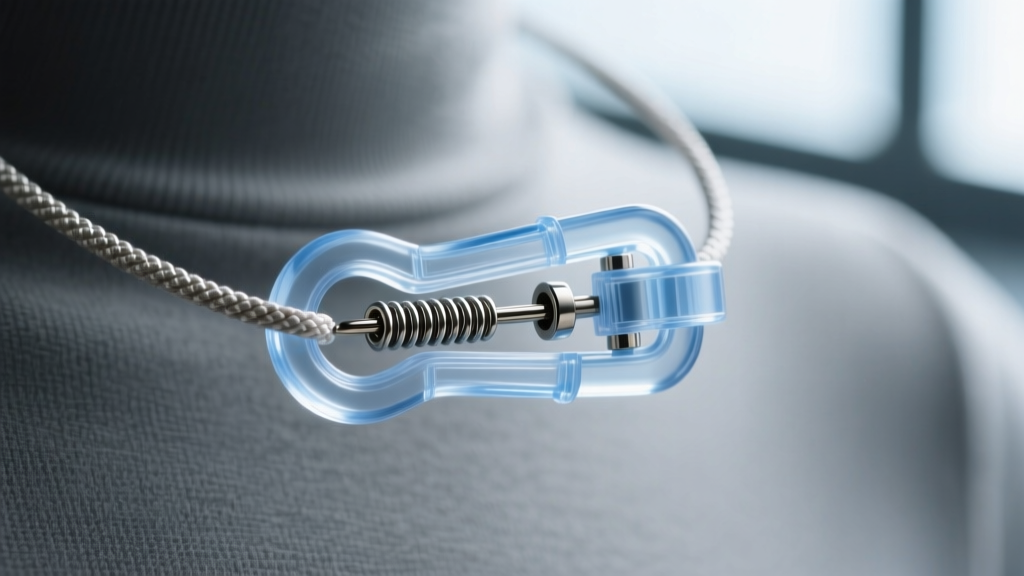
Because the cord itself is designed not to snap, the clasp must be a certified breakaway mechanism. Under the ASTM F963 Standard Consumer Safety Specification for Toy Safety, neckwear intended for children and neurodivergent individuals must feature a clasp that separates under a specific threshold of pull force—typically between 10 to 15 pounds. This ensures that if the necklace is caught on a door handle or pulled aggressively, the clasp pops open before any tracheal crush injury can occur.
Top Material Certifications to Verify Before Buying
Marketing terms like 'BPA-free' or 'non-toxic' are largely unregulated and insufficient for a product that will be subjected to hours of mastication. When sourcing a chew necklace for ADHD, demand documentation for the following certifications:
- FDA 21 CFR 177.2600: The baseline U.S. Food and Drug Administration standard for rubber articles intended for repeated use. It ensures basic safety but does not test for all heavy metals or volatile solvents.
- LFGB Section 30 (European Standard): Far more rigorous than the FDA. LFGB testing requires the silicone to be exposed to aggressive chemical simulants (like olive oil and hexane) to ensure absolutely no VOCs or heavy metals leach out under extreme conditions. As of 2026, LFGB is the hallmark of premium sensory jewelry.
- CPSIA Compliance: The Consumer Product Safety Improvement Act mandates strict limits on lead and phthalates, which is crucial if the chew pendant features any painted details or secondary plastic components.
Design Geometry and Dental Impact
Material properties must be paired with intelligent geometric design. The shape of the pendant dictates how bite forces are distributed across the teeth and temporomandibular joint (TMJ).
Surface Textures vs. Smooth Finishes
Pendants with deep ridges, spikes, or aggressive textures provide excellent tactile feedback for the tongue and gums, which can be highly soothing for sensory seekers. However, for users who primarily chew with their molars, sharp geometric protrusions can act as stress concentrators, leading to micro-fractures in the silicone or, worse, chipped enamel. For aggressive molar chewers, smooth, bulbous, or cylindrical designs with a minimum thickness of 12mm are recommended to distribute occlusal forces evenly.
Care, Degradation, and Replacement Timelines
Even the highest grade of platinum-cured LSR is subject to mechanical fatigue. Saliva contains amylase and lipase enzymes that, over months of use, can begin to break down the polymer chains at a microscopic level, leading to a sticky surface or a loss of tensile rebound.
Proper Sanitation Protocols
- Daily: Wash with warm water and a mild, unscented dish soap. Avoid antibacterial soaps, as they often contain harsh chemicals that can degrade the silicone surface and leave a toxic residue.
- Weekly: Submerge the silicone pendant (removed from the nylon cord) in boiling water for 3 to 5 minutes to fully sterilize.
- Avoid: Never use UV sterilizers or leave the necklace in direct, prolonged sunlight. UV radiation causes photo-oxidation in polymers, making the silicone brittle and prone to catastrophic snapping.
When to Retire the Pendant
Inspect the chew necklace weekly. If you notice any 'fuzzing' on the surface, micro-tears near the cord hole, or a permanent change in the material's tackiness, discard it immediately. A compromised chew necklace can easily shed small pieces that pose a severe choking hazard. On average, a moderate chewer should expect to replace a high-quality silicone pendant every 3 to 6 months.


