Chewable Necklace Materials: Silicone, Wood & Rubber Compared
Compare chewable necklace materials like platinum silicone, natural rubber, and hardwood. Learn safety grades, durability, and sensory properties.

The Science of Oral Sensory Input & Safety Standards
Chewable necklaces, often referred to as 'chewelry,' serve a critical dual purpose in the jewelry and therapeutic space. For infants, they provide a safe, ergonomic alternative to household objects during the teething phase. For neurodivergent individuals, including those with ADHD, Autism Spectrum Disorder (ASD), or Sensory Processing Disorder (SPD), they offer vital proprioceptive input to the jaw, which can help regulate the nervous system and improve focus. However, because these pendants are subjected to repetitive, high-psi biting forces and constant exposure to saliva, material selection is not merely an aesthetic choice—it is a stringent safety requirement.
When evaluating chewable necklace materials, we must look beyond basic 'non-toxic' marketing claims. True safety requires compliance with rigorous frameworks. In the United States, materials intended for infant use must align with the Consumer Product Safety Commission (CPSC) guidelines and ASTM F963 toy safety standards. Furthermore, because these items are essentially placed in the mouth, the base materials should ideally meet FDA Food Contact Substance (FCS) regulations, ensuring no harmful plasticizers, heavy metals, or volatile organic compounds (VOCs) leach during mastication.
Material Deep Dive: Platinum-Cured Silicone
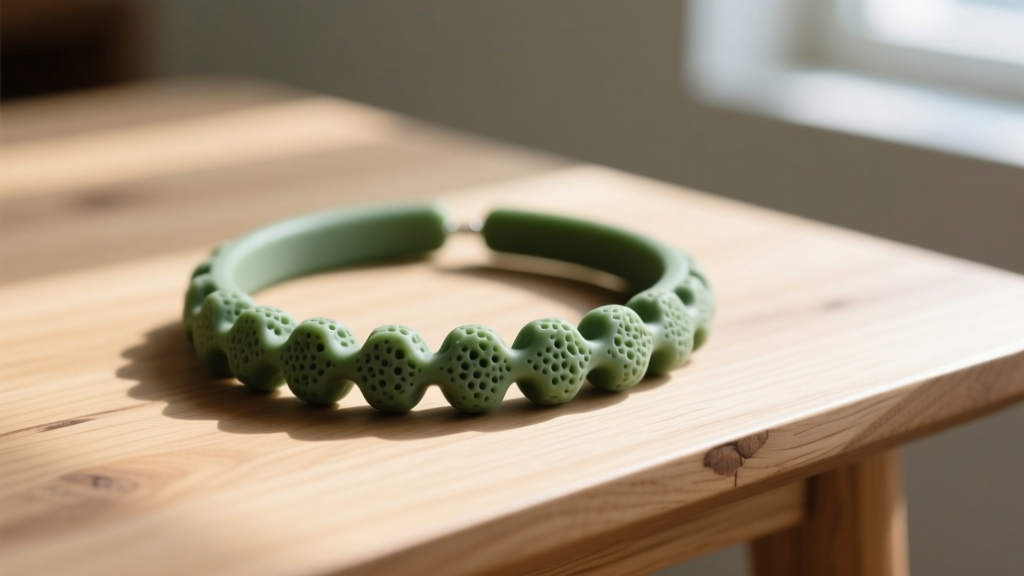
Silicone is the undisputed industry standard for modern chewable necklaces, but not all silicone is created equal. The market is flooded with cheap, industrial-grade silicones that compromise user safety. As a domain expert, I always advise consumers and designers to exclusively seek out platinum-cured (addition-cure) silicone. Unlike tin-cured (condensation-cure) silicone, which uses a tin catalyst and releases ethanol as a byproduct (leading to shrinkage and potential toxicity), platinum-cured silicone uses a platinum catalyst. This results in a chemically inert, non-porous, and highly stable polymer that meets both FDA food-grade and medical-grade standards.
Shore Hardness & Sensory Feedback
The sensory feedback of a silicone chewable pendant is dictated by its Shore A durometer rating. This scale measures the material's resistance to indentation. For mild chewers or early-stage teething infants, a Shore A rating of 20 to 30 provides a soft, yielding texture that massages the gums without causing fatigue. For aggressive, older chewers who require deep proprioceptive jaw input, a Shore A rating of 50 to 70 is necessary. A 60A pendant offers a firm, almost rubbery resistance that mimics the density of a pencil eraser, satisfying the urge to bite down hard without fracturing the material.
Failure Modes & Maintenance: While highly durable, silicone can eventually tear if subjected to sharp incisors over prolonged periods. A microscopic tear can harbor bacterial biofilm. Fortunately, platinum silicone is heat-resistant up to 400°F (204°C). Maintenance is straightforward: pendants can be boiled for three minutes or placed on the top rack of a dishwasher for complete sterilization.
Material Deep Dive: Natural Rubber (Hevea Brasiliensis)
Natural rubber, harvested from the sap of the Hevea brasiliensis tree, offers a distinctly different tactile experience. It is inherently softer and more pliable than even low-durometer silicone, making it an excellent choice for soothing inflamed infant gums. Natural rubber possesses a slight natural tackiness and a subtle earthy scent that many infants find inherently soothing. From an environmental perspective, it is fully biodegradable, appealing to eco-conscious consumers.
Porosity, Allergens, and Degradation
Despite its benefits, natural rubber carries significant limitations. The most critical is the presence of natural latex proteins, which can trigger severe allergic reactions in sensitive individuals. Furthermore, natural rubber is highly susceptible to environmental degradation. Prolonged exposure to UV light, extreme heat, and the enzymes present in human saliva will cause the polymer chains to break down over time. This leads to a sticky surface, micro-fissures, and eventual crumbling.
Maintenance Protocol: Unlike silicone, natural rubber cannot be boiled or sterilized in a dishwasher, as high heat accelerates degradation. It must be wiped clean with a damp cloth and mild, baby-safe soap, then air-dried away from direct sunlight. Due to its degradation profile, natural rubber chewable pendants should be treated as consumable items and replaced every 60 to 90 days.
Material Deep Dive: Untreated Hardwoods (Maple & Beech)
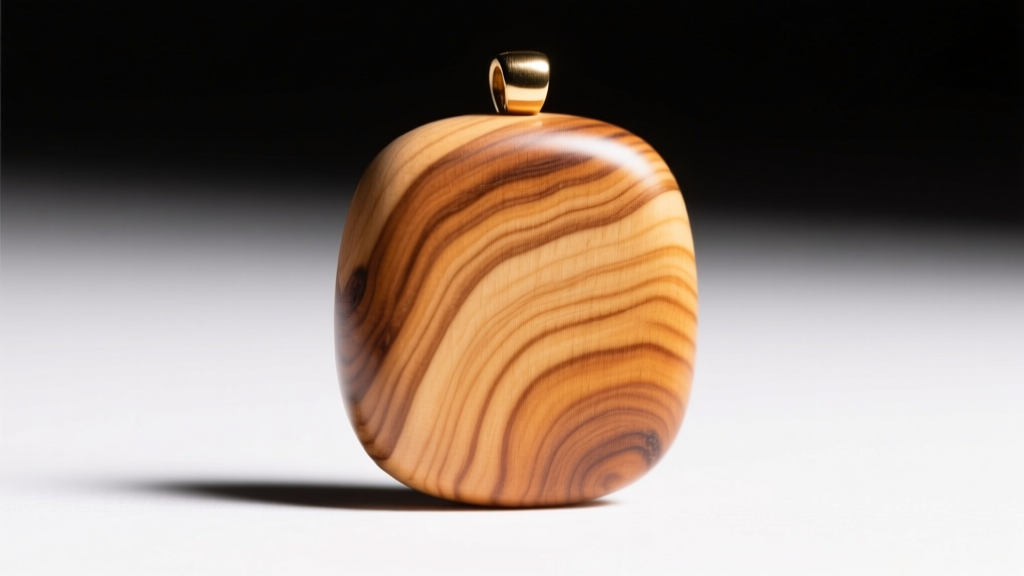
For users who prefer natural, rigid materials, hardwood pendants offer exceptional durability and a unique, grounding sensory experience. However, the wood species must be carefully selected based on the Janka hardness scale, which measures the force required to embed a steel ball into the wood. We strictly recommend Hard Maple (1,450 lbf) and European Beech (1,300 lbf). These tight-grain woods are dense enough to resist denting from human bite force and are naturally resistant to splintering.
Splinter Risks & Finishing Protocols
Softwoods like pine, balsa, or cedar are strictly prohibited for chewelry; their open cellular structures and low Janka ratings make them prime candidates for splintering, which poses a severe laceration and choking hazard. Even with safe hardwoods, the finishing process is paramount. Commercial polyurethane or varnish finishes will chip off under bite pressure and introduce toxic chemicals into the user's system.
Hardwood pendants must be sanded to a minimum of 400-grit smoothness and finished exclusively with 100% food-grade, organic options like unrefined coconut oil, pure beeswax, or walnut oil. Avoid mineral oil, as it is a petroleum derivative. Wood is inherently porous and hygroscopic (water-absorbing). If left submerged in saliva, the wood fibers will swell and eventually crack. Wipe wood pendants dry immediately after use and reapply a light coat of beeswax monthly to maintain a moisture barrier.
Comparative Data: Chewable Necklace Materials
To help you make an informed decision based on user age, sensory needs, and maintenance preferences, refer to the comparative matrix below.
| Material | Shore / Janka Rating | Best For | Cleaning Method | Lifespan | Avg. Price Range |
|---|---|---|---|---|---|
| Platinum Silicone | Shore A: 20 - 70 | All ages, aggressive chewers | Boil / Dishwasher | 1 - 3 Years | $12 - $25 |
| Natural Rubber | Shore A: 10 - 20 | Infants, mild teething | Wipe with damp cloth | 60 - 90 Days | $15 - $30 |
| Hard Maple Wood | Janka: 1,450 lbf | Older kids, rigid input | Wipe dry, re-oil monthly | 2 - 5 Years | $18 - $40 |
Hardware & Cord Safety: The Hidden Failure Points
A pendant is only as safe as the hardware suspending it. The most catastrophic failure mode in chewable necklaces is strangulation, which occurs if the cord catches on playground equipment or furniture. To mitigate this, every chewable necklace must be equipped with a certified breakaway clasp. These specialized clasps are engineered with internal tension springs that snap open when subjected to 4 to 7 pounds of lateral force. Never substitute a breakaway clasp with a standard lobster clasp or magnetic closure.
The cord material is equally critical. Cotton and hemp cords are highly absorbent; they wick saliva, breed bacterial colonies, and lose up to 30% of their tensile strength when wet. For chewelry, always utilize hydrophobic, high-tenacity cords made from braided nylon or polyester. These synthetic fibers do not absorb moisture, resist bacterial growth, and maintain their structural integrity even after months of exposure to oral enzymes.
Final Verdict: Matching Material to the User
Selecting the right chewable necklace requires a nuanced understanding of the user's specific sensory profile and age. For infants and toddlers, platinum-cured silicone in a low Shore A durometer (20A-30A) remains the gold standard due to its sterilization capabilities and chemical inertness. For neurodivergent adults or older children seeking intense, rigid jaw feedback, a high-durometer silicone (60A) or a properly finished Hard Maple pendant provides the necessary resistance without compromising dental integrity.
Ultimately, the intersection of jewelry design and therapeutic utility demands uncompromising material science. By prioritizing platinum-cure polymers, tight-grain hardwoods, and fail-safe breakaway hardware, we can create sensory tools that are not only aesthetically pleasing but fundamentally safe for daily, rigorous use.


