Chinese Jade Necklace Value: 2026 Budget Buying Guide
Discover how to evaluate a Chinese jade necklace in 2026. Compare nephrite vs. jadeite, decode Type A/B/C treatments, and find true value for your budget.

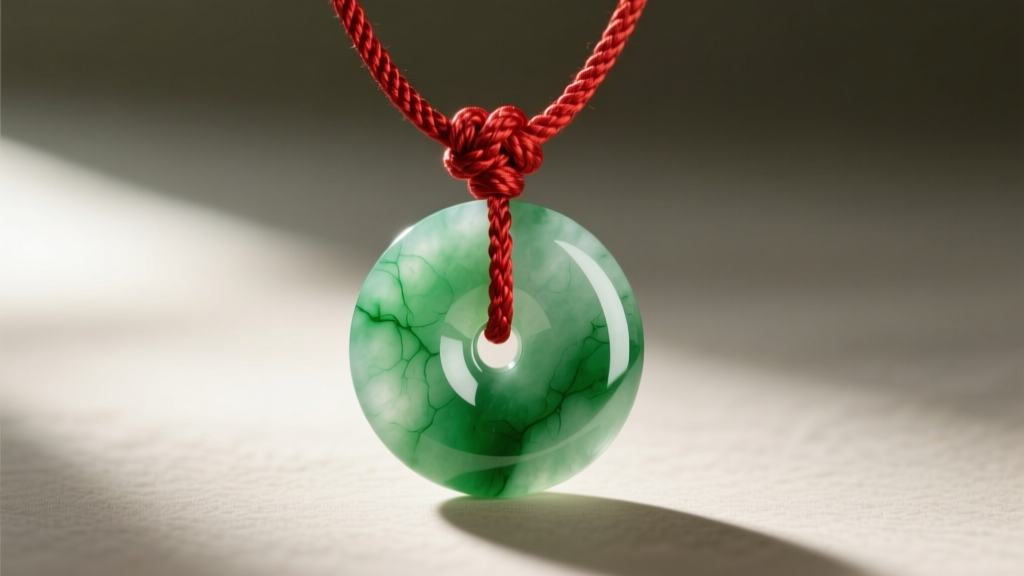
The Jade Spectrum: Nephrite vs. Jadeite
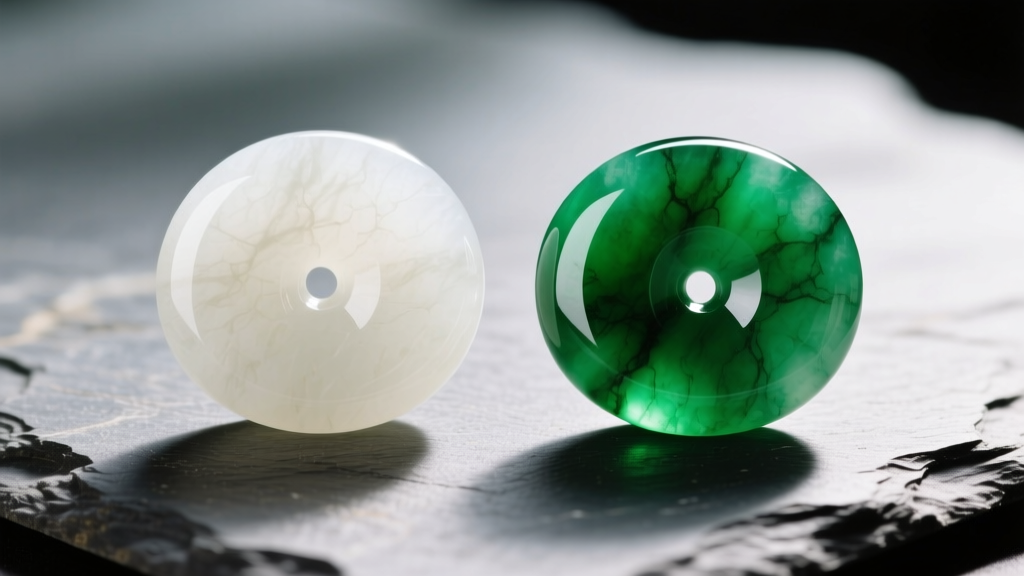
When evaluating a Chinese jade necklace, the very first step in assessing value is understanding the mineral you are actually buying. In the Western gemological market, "jade" is often treated as a single entity, but in Chinese jewelry traditions, it is strictly divided into two distinct minerals: Nephrite (Hetian jade) and Jadeite (Feicui). Confusing the two is the most common mistake budget buyers make, leading to severe overpayment.
Nephrite, historically revered in China for millennia, is a calcium and magnesium-rich amphibole. It is prized for its deep, mutton-fat white opacity or rich spinach greens. It possesses a fibrous, interlocking crystalline structure that makes it incredibly tough—tougher than steel—though it sits lower on the Mohs hardness scale (6.0 to 6.5). Jadeite, a sodium and aluminum-rich pyroxene, is the newer, more vibrant darling of the market. Prized for its glassy translucency and piercing emerald "Imperial" greens, lavender hues, and icy whites, jadeite is slightly harder (6.5 to 7.0) but more brittle than nephrite.
| Feature | Nephrite (Hetian Jade) | Jadeite (Feicui) |
|---|---|---|
| Visual Appeal | Waxy luster, opaque to semi-translucent | Vitreous (glassy) luster, highly translucent |
| Specific Gravity | 2.90 - 3.03 | 3.25 - 3.36 |
| Refractive Index | 1.606 - 1.632 | 1.654 - 1.667 |
| Primary Value Driver | Texture, purity, and historical carving quality | Translucency, color saturation, and clarity |
| 2026 Market Trend | Steady growth; high demand for top-tier white | Volatile; extreme premiums for Imperial green |
Cultural Motifs: Paying for Meaning, Not Just Material
The value of a Chinese jade necklace is not derived solely from its gemological properties; the carving motif carries immense cultural weight and directly impacts the retail price. Master carvers charge premiums for intricate, symbolic work. When shopping on a budget, understanding these motifs helps you determine if you are paying for a master's artistry or a mass-produced factory stamp.
- Ping'an Kou (Bi-Disc): A simple, flat donut shape representing heaven, eternity, and safe travels. Because it requires less carving labor, budget buyers can often secure higher-quality jadeite in this shape compared to complex figures.
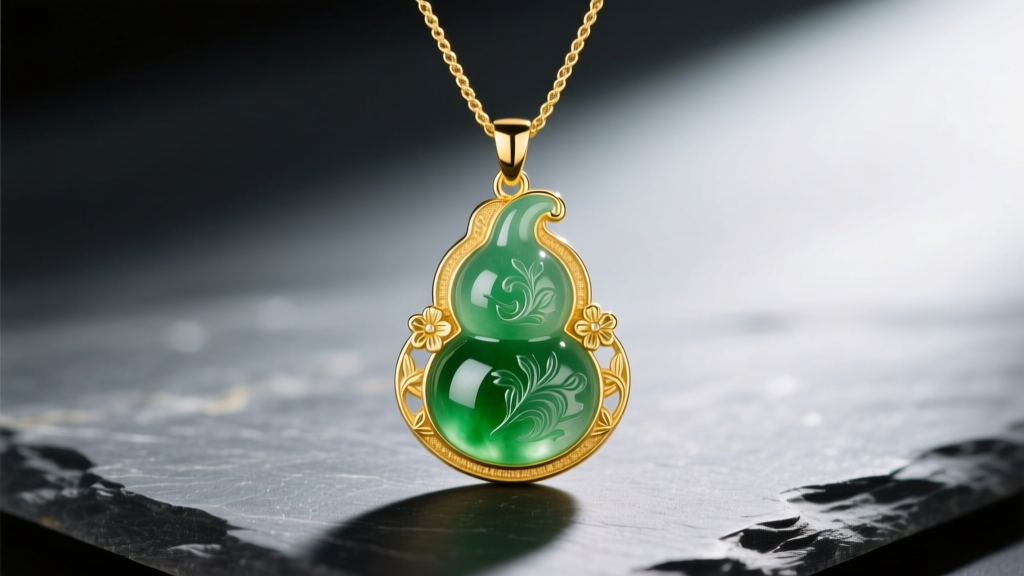
- Hulu (Gourd): Symbolizing health, longevity, and the warding off of evil spirits. Often carved with small vines, requiring moderate skill.
- Budai (Laughing Buddha): Representing happiness, abundance, and contentment. High-quality pieces utilize the natural color variations in the stone (e.g., carving the Buddha's robe in green and his face in white), which commands a significant premium.
- Ruyi: A ceremonial scepter shape meaning "as you wish." Often paired with lingzhi mushrooms in carvings to denote longevity.
Decoding Value: The Critical Type A, B, and C Treatments
If you take only one piece of advice from this guide, let it be this: treatment dictates value more than any other factor. According to the Gemological Institute of America (GIA), the jade market is flooded with heavily treated stones disguised as natural gems. A Type B or Type C jade necklace is worth roughly 90% to 95% less than its Type A counterpart, regardless of how beautiful it looks to the naked eye.
Type A: 100% Natural
Type A jade is completely natural. It has only been cut, shaped, and polished. It may undergo a traditional, light plum-wax polishing at the very end to enhance surface luster, which is universally accepted and does not diminish value. This is the only type of jade that holds investment value or appreciates over time.
Type B: Acid-Bleached and Polymer-Impregnated
Lower-quality jadeite with heavy brown or yellow inclusions is soaked in strong hydrochloric or sulfuric acid to dissolve the impurities. This process destroys the stone's internal crystalline structure, leaving it porous and brittle. It is then injected with a polymer resin to bind it together and improve translucency. While it looks beautiful initially, Type B jade will become cloudy, yellow, and brittle over a few years as the resin degrades.
Type C: Chemically Dyed
Type C jade is artificially dyed to mimic the highly prized Imperial Green or vibrant lavender hues. The dye concentrates in the microscopic fractures of the stone. Under a 10x jeweler's loupe, you can often see the dye sitting in the cracks like tiny green spiderwebs. The color will inevitably fade when exposed to sunlight and heat.
Note: "Type B+C" is also common, meaning the stone has been bleached, polymer-filled, and dyed. It is essentially a ruined stone held together by plastic and paint.
2026 Pricing Tiers: What Your Budget Actually Buys
Navigating the pricing landscape requires realistic expectations. Here is a breakdown of what your budget can secure in the current market for a genuine Chinese jade necklace.
| Budget Tier | Material & Quality | Treatment | What to Expect |
|---|---|---|---|
| $50 - $250 | Commercial Nephrite or Opaque Jadeite | Type A | Thick, opaque stones with visible inclusions, mottled colors, and simple machine-carved motifs. Excellent for everyday, worry-free wear. |
| $250 - $1,200 | Fine Hetian Nephrite or Semi-Translucent Jadeite | Type A | Good translucency, pleasing but not vivid colors, minor internal flaws (cotton or stone lines). Hand-finished carvings. |
| $1,200 - $5,000 | Premium Jadeite / High-Grade White Nephrite | Type A | High translucency ("icy" jade), vivid localized color spots, excellent craftsmanship. Minimal inclusions visible to the naked eye. |
| $5,000+ | Investment Grade Imperial Jadeite | Type A | Glass-like transparency, piercing emerald green or flawless lavender, master-level carving. Accompanied by top-tier lab certificates. |
Hardware & Settings: Silk Cords vs. Precious Metal Chains
The setting of your jade pendant plays a crucial role in both the aesthetic value and the physical safety of the stone. Because jade (especially jadeite) can be brittle, the hardware must provide shock absorption.
Traditional Hand-Knotted Silk Cords
The most authentic and structurally sound setting for a Chinese jade necklace is a hand-knotted silk or nylon cord, often featuring adjustable macrame sliding knots. This traditional method is highly recommended for budget and mid-range buyers. The cord provides excellent shock absorption if the pendant is dropped, and the lack of metal prongs means there is no risk of the stone being cracked by a jeweler's pliers during setting. Furthermore, replacing a frayed silk cord costs less than $15, whereas repairing a gold setting can cost hundreds.
Precious Metal Bezels and Bail Settings
For premium and investment-grade pieces, an 18k yellow gold bezel or intricate wire-wrap setting is standard. Gold complements the green and lavender hues of jadeite beautifully. However, ensure the setting is a "rub-over" bezel rather than a tension or prong setting, which places undue stress on the jade's edges. If buying a pre-set metal necklace, verify the gold weight; some commercial pieces use ultra-thin gold foil over silver (vermeil) to inflate the perceived value.
Red Flags & Verification: Avoiding Overpriced Fakes
When assessing the value of a Chinese jade necklace, skepticism is your best tool. The market is rife with glass imitations, dyed quartzite (often sold as "new jade"), and serpentine passed off as Hetian nephrite. To protect your budget, employ these verification strategies:
The Temperature Test: Genuine jade has high thermal conductivity. When held in the palm of your hand or pressed against the cheek, real jade will feel distinctly, almost shockingly, cold to the touch, and it will take several seconds to warm up to your body temperature. Glass and plastic resins (Type B) will feel warm almost immediately.
Demand Proper Certification
Never purchase a Chinese jade necklace over $300 without an independent gemological certificate. While the GIA provides excellent global standards, the gold standard for Chinese jade is the NGTC (National Gemstone Testing Center of China). An NGTC certificate will explicitly state whether the jade is Type A (natural) or note the presence of polymer resin and dyes. If a seller claims a stone is "certified" but provides a laminated card from an unknown, in-house laboratory, walk away. You can verify the authenticity of an NGTC or GIA report by scanning the QR code on the certificate or entering the report number directly on their respective official websites.
Use a UV Flashlight
While not foolproof, shining a 365nm ultraviolet (UV) flashlight on the jade can reveal Type B treatments. The polymer resins used to fill acid-bleached jadeite will often fluoresce a chalky, pale blue or greenish-white under UV light. Natural Type A jade is generally inert and will not fluoresce, though some natural waxes may show a very faint, dull glow. If you see bright, patchy fluorescence along the carving lines, the stone has been heavily treated.
Final Thoughts on Value
Ultimately, the true value of a Chinese jade necklace lies in the intersection of material integrity, cultural resonance, and transparent pricing. By prioritizing Type A authenticity over superficial, dyed perfection, and by understanding the distinct differences between nephrite and jadeite, you can build a collection that holds both sentimental and financial weight. Whether you are investing $150 in a beautiful, opaque nephrite Ping'an Kou on a silk cord, or $5,000 in a translucent, icy jadeite gourd set in 18k gold, making an informed, budget-conscious choice ensures your jade will remain a cherished heirloom for generations to come.


