How to Choose, Verify, and Style an Emerald Drop Necklace
Learn how to select, verify authenticity, and style an emerald drop necklace with our expert step-by-step guide on settings, lengths, and care.

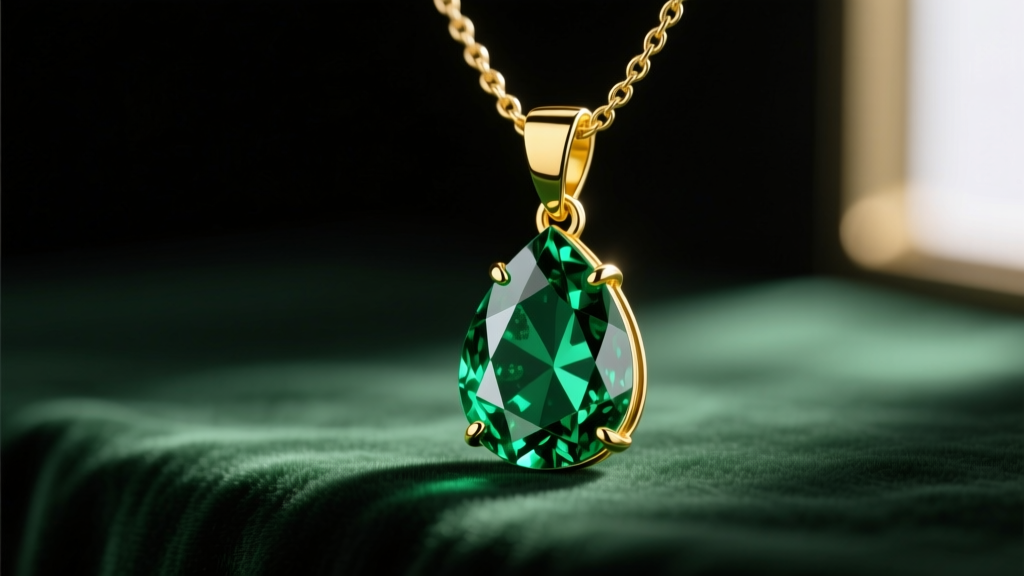
The Allure of the Emerald Drop Necklace
An emerald drop necklace is more than just a piece of jewelry; it is a statement of refined taste and historical appreciation. The teardrop or pear silhouette elongates the neck, drawing the eye downward and creating a striking visual anchor for any outfit. However, because emeralds are uniquely complex gemstones, purchasing and styling one requires a nuanced understanding of gemology, metallurgy, and proportional design. This comprehensive, step-by-step guide will walk you through exactly how to evaluate, set, and wear an emerald drop necklace with absolute confidence.
Step 1: Decoding Emerald Quality and Treatments
Unlike diamonds, where clarity is heavily prioritized, emeralds are judged primarily on their color. When evaluating an emerald drop pendant, you must understand the unique characteristics that dictate its value and durability.
Understanding the "Jardin"
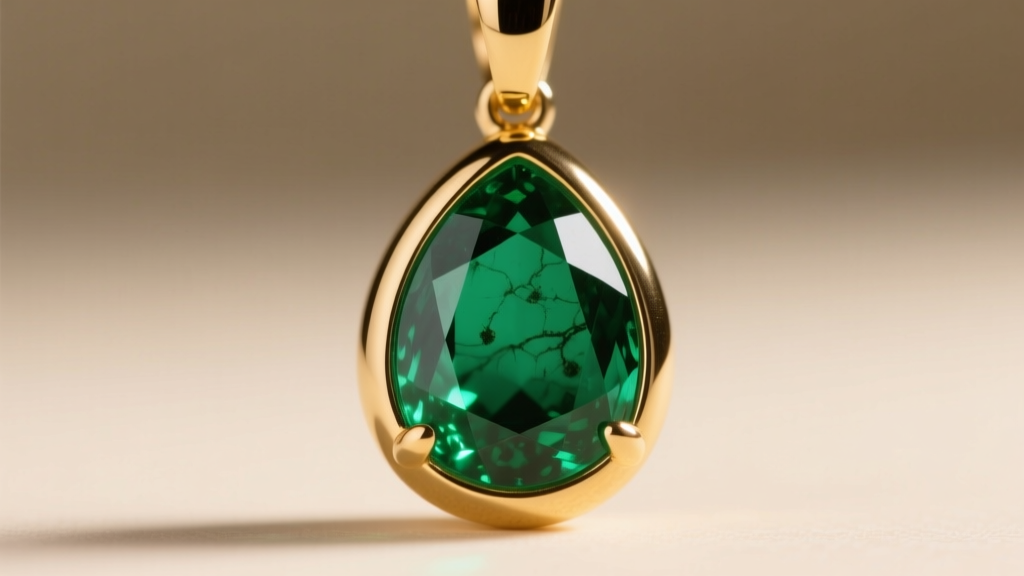
Emeralds are classified as Type III gemstones, meaning they almost always contain visible inclusions. The French term jardin (garden) is used to describe these internal fractures and mineral deposits. Rather than viewing these as flaws, gemologists consider them proof of natural origin. However, the placement of the jardin is critical. Avoid stones where surface-reaching fractures intersect the girdle (the outer edge) or the tip of the pear cut, as these compromise the structural integrity of the drop.
Navigating Clarity Enhancements
According to the Gemological Institute of America (GIA), over 90% of emeralds on the market undergo clarity enhancement to fill surface-reaching fractures and improve transparency. It is vital to know what your stone has been treated with:
- Cedarwood Oil (Traditional): A natural, temporary treatment that requires re-oiling every few years. Highly preferred by purists and collectors.
- Opticon / Epoxy Resins (Modern): A permanent synthetic filler. While it stabilizes the stone, it significantly lowers the resale value and can discolor over time if exposed to high heat.
Pro Tip: Always request a gemological report that specifies the degree of enhancement (Minor, Moderate, or Significant). For a high-quality emerald drop necklace, insist on a "Minor" or "None" grading.
Step 2: Selecting the Ideal Metal and Protective Setting
Emeralds rank between 7.5 and 8 on the Mohs hardness scale. While this makes them relatively hard, their high inclusion count gives them poor toughness, making them brittle and highly susceptible to chipping from sharp impacts. The setting you choose for your emerald drop is not just an aesthetic decision; it is a structural necessity.
The V-Prong Necessity for Pear Cuts
Most emerald drop necklaces utilize a pear-shaped cut. The pointed end (culet) of a pear-cut emerald is its most vulnerable point. If you choose a prong setting, you must ensure the jeweler uses a V-prong at the tip. A standard rounded prong leaves the microscopic edge exposed to everyday bumps, which will eventually cause the tip to shear off.
Bezel vs. Halo Settings
For maximum protection, a full bezel setting is the gold standard. A bezel encircles the entire girdle in a continuous rim of metal (preferably 14k or 18k gold, or platinum), absorbing shock before it reaches the stone. If you prefer the brilliance of a halo setting, ensure the halo diamonds sit slightly higher than the emerald's table to act as a protective bumper against flat-surface impacts.
Step 3: Matching the Drop Length to Your Neckline
The visual impact of an emerald drop necklace changes drastically depending on where the pendant rests on the décolletage. Use the following framework to match your chain length to your wardrobe's most common necklines.
| Chain Length | Industry Term | Best Necklines | Visual Effect |
|---|---|---|---|
| 16 Inches | Choker / Collar | Off-shoulder, Strapless, Sweetheart | Sits at the collarbone; draws immediate attention to the face and neck. |
| 18 Inches | Princess | V-Neck, Scoop, Crew | Rests on the upper chest; the most versatile length for everyday office wear. |
| 20 - 22 Inches | Matinee | Turtleneck, Boatneck, High Halter | Drops below the collarbone; elongates the torso and breaks up heavy fabrics. |
| 24 - 30 Inches | Opera | Deep Plunge, Evening Gowns | Dramatic and formal; allows the emerald drop to act as a focal centerpiece. |
Step 4: Step-by-Step Styling and Layering Techniques
Layering an emerald drop necklace requires precision. Because the drop pendant hangs below the chain, it is prone to tangling with shorter necklaces if not spaced correctly.
The 2-Inch Layering Rule
To prevent the chains from intertwining and the drop pendant from catching on adjacent links, maintain a strict minimum gap of 2 inches between layered chains. For example, if your emerald drop is on an 18-inch princess chain, your secondary layering piece must be no longer than 16 inches (a choker) or no shorter than 20 inches (a matinee chain worn long).
Balancing Proportions
When layering, the emerald drop should remain the undisputed focal point. Pair it with delicate, low-profile chains such as a 1mm cable chain or a subtle rope chain in the same metal color. Avoid layering with other large pendants or chunky paperclip chains, which will create visual clutter and compete with the rich green saturation of the emerald.

Step 5: The Safe Cleaning and Maintenance Protocol
The most common way owners destroy their emerald jewelry is through improper cleaning. The Jewelers of America strictly warns against using mechanical cleaning systems on fractured or treated gemstones.
What to Avoid at All Costs
- Ultrasonic Cleaners: The high-frequency vibrations will shatter an included emerald or shake it loose from its setting.
- Steam Cleaners: High heat will melt cedarwood oil treatments, causing the stone to turn cloudy, white, and heavily fractured in appearance.
- Harsh Chemicals: Bleach, ammonia, and even heavy perfumes can degrade epoxy resins and dull the polish of the gold setting.
The Safe Step-by-Step Cleaning Method
- Prepare a Mild Solution: Mix lukewarm (never hot) distilled water with a single drop of pH-neutral baby shampoo or mild dish soap.
- Soak Briefly: Submerge the emerald drop necklace for no more than 3 to 5 minutes to loosen surface oils and cosmetics.
- Brush Gently: Using a brand-new, extra-soft baby toothbrush, lightly sweep the back of the setting (the pavilion) where lotions accumulate. Do not scrub the emerald's table aggressively.
- Rinse and Dry: Rinse under a gentle stream of lukewarm water. Pat dry with a lint-free microfiber cloth, ensuring no moisture is trapped under the prongs.
"An emerald is a living stone. It requires gentle handling, respectful storage away from harder diamonds, and a mindful approach to maintenance to preserve its internal garden for generations."
Final Thoughts on Your Investment
Choosing an emerald drop necklace is an exercise in balancing raw natural beauty with structural pragmatism. By prioritizing color over flawless clarity, insisting on protective V-prongs or bezel settings, and adhering to strict layering and cleaning protocols, you ensure that your pendant remains a breathtaking, wearable heirloom. Whether worn solo against a crisp white blouse or layered over evening silk, a well-chosen emerald drop commands the room with quiet, undeniable authority.


