The Ultimate Guide to Choosing Birthstone Necklaces for Mom
Discover how to choose the perfect birthstone necklaces for mom. Learn about gemstone durability, metal types, and chain lengths for everyday wear.

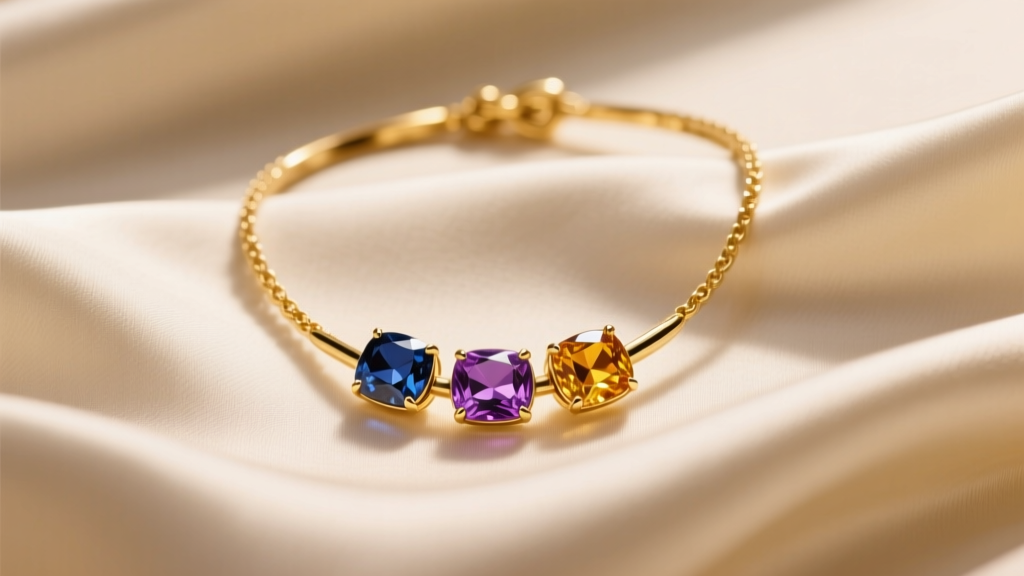
Finding a gift that balances deep sentimental value with everyday practicality is a common challenge, especially when shopping for mothers. Birthstone necklaces for mom have surged in popularity, evolving from simple, generic pendants into highly customized, sophisticated pieces of fine jewelry. In 2026, the trend leans heavily toward "quiet luxury" and personalized storytelling, where minimalist designs carry profound emotional weight. Whether she has one child or five, a birthstone necklace serves as a wearable family tree. However, choosing the right piece requires more than just picking a pretty color. You must consider gemstone hardness, metal alloy durability, chain mechanics, and setting styles to ensure the necklace survives the rigors of a busy mother's daily life.
The Sentimental and Stylistic Appeal
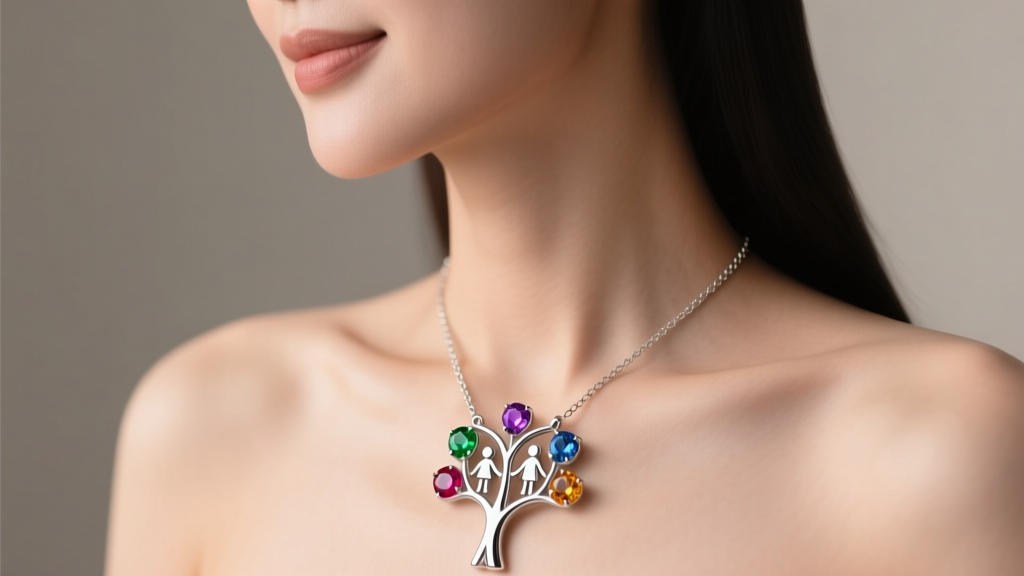
Birthstone jewelry transcends seasonal fashion trends. For mothers, these pieces act as talismans, keeping their children close to their hearts. Modern jewelry designers have moved away from the bulky, heavily ornate mother's rings and pendants of the past. Today's aesthetic favors delicate stacking, east-west stone orientations, and subtle bezel settings. When selecting birthstone necklaces for mom, you can choose a single pendant featuring multiple stones (often called a "family necklace") or a layered look with individual pendants on varying chain lengths. The latter allows for modular wear, meaning she can wear just her own birthstone for a minimalist office look, and layer in her children's stones for weekend outings.
Gemstone Durability: The Mohs Scale Matters
The most critical factor often overlooked by beginners is gemstone hardness. Mothers are notoriously hard on their jewelry—chasing toddlers, doing dishes, and rushing through daily routines. The Mohs Scale of Mineral Hardness ranks stones from 1 (talc) to 10 (diamond). If you are choosing a birthstone necklace meant for daily, never-take-it-off wear, you must prioritize stones ranking 7 or higher. Stones below 7 are highly susceptible to scratching from everyday household dust, which contains microscopic quartz particles.
| Birthstone (Month) | Mohs Hardness | Daily Wear Suitability | Specific Care Warning |
|---|---|---|---|
| Garnet (January) | 6.5 - 7.5 | Moderate | Avoid hard knocks; can chip on edges. |
| Amethyst (February) | 7.0 | Good | Prolonged sun exposure can fade the purple hue. |
| Diamond (April) | 10.0 | Excellent | Can scratch other jewelry in the box. |
| Emerald (May) | 7.5 - 8.0 | Poor to Moderate | Natural inclusions make it brittle; avoid ultrasonic cleaners. |
| Ruby (July) | 9.0 | Excellent | Highly durable; safe for active lifestyles. |
| Opal (October) | 5.5 - 6.5 | Poor | Contains water; can crack in dry environments or with heat. |
| Pearl (June) | 2.5 - 4.5 | Poor | Organic gem; easily damaged by perfume, sweat, and acids. |
For mothers with October or June babies, consider using high-quality lab-created alternatives like white sapphire (Mohs 9) or synthetic spinel if the necklace is intended for rigorous daily wear, or reserve the genuine opal and pearl pendants for special, low-impact occasions.
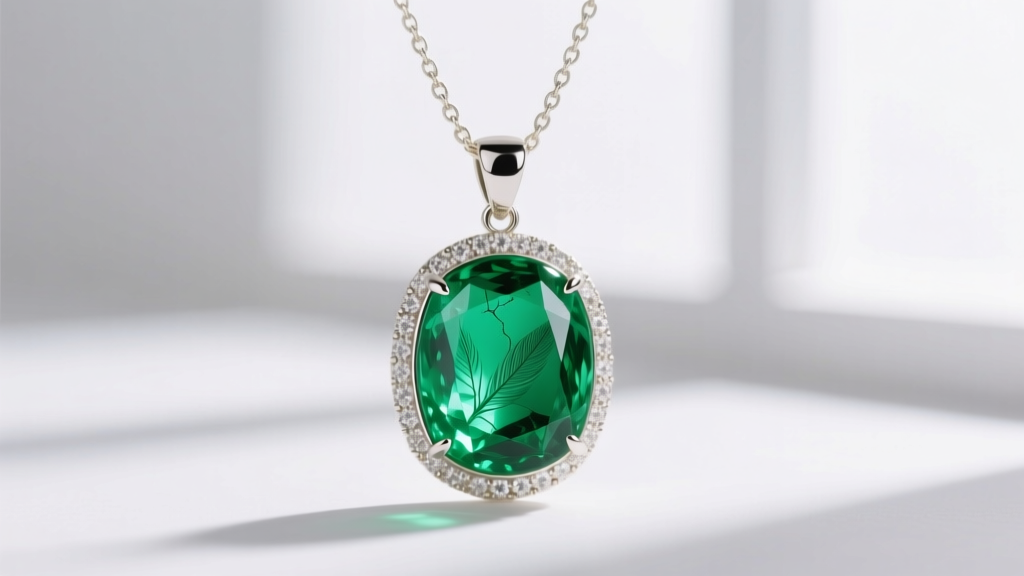
Choosing the Right Metal Alloy
The metal holding the birthstones must withstand tension, moisture, and friction. Pure 24k gold is too soft for prongs and chains, so it is alloyed with other metals. Understanding these alloys is key to making a lasting investment.
- 14k Gold (58.5% pure gold): The gold standard for everyday mother's jewelry. It offers an excellent balance of rich color, high tensile strength, and resistance to scratching. It is highly recommended for prong settings holding softer birthstones.
- 18k Gold (75% pure gold): Features a deeper, more saturated yellow hue and is hypoallergenic, but it is softer and more prone to micro-scratches and denting. Best for bezel-set pendants where the stone is protected.
- Sterling Silver (92.5% silver, 7.5% copper): A budget-friendly option that looks beautiful initially. However, the copper content causes tarnishing when exposed to humidity and skin oils. Look for rhodium-plated sterling silver to delay tarnishing and provide a white-gold-like finish.
- Platinum (95% pure platinum): The ultimate choice for heirloom-quality birthstone necklaces. It is incredibly dense, naturally white, and hypoallergenic. When scratched, platinum displaces rather than loses metal, developing a desirable patina over time.
Chain Mechanics and Snag-Proof Settings
A beautiful pendant is useless if the chain breaks or the setting catches on a child's clothing. The physical architecture of the necklace dictates its longevity.
The Case for Bezel Settings
Traditional prong settings elevate the stone to allow maximum light return, but the tiny metal claws are notorious for snagging on knit sweaters, silk blouses, and baby blankets. A bezel setting, where a continuous rim of metal encircles the gemstone's girdle, is vastly superior for mothers. It protects the fragile edges of stones like emeralds and tanzanite from chipping and ensures a completely smooth profile that glides over fabrics without catching.
Selecting the Chain Link
Not all chains are created equal. Avoid rope chains or serpentine chains, as their intricate links easily trap hair and snap under sudden tension. Instead, opt for:
- Box Chains: Composed of square, interlocking links. They are incredibly strong, lie flat, and rarely tangle.
- Cable Chains: The classic oval-link chain. Ensure the links are soldered (closed with a tiny weld) so they won't pull apart if yanked.
Pricing Tiers and Sourcing Expectations
When shopping for birthstone necklaces for mom, pricing varies wildly based on whether the stones are natural, lab-created, or simulated (like cubic zirconia or colored glass).
- Entry-Level ($50 - $150): Typically features sterling silver or gold vermeil (thick gold plating over silver). Stones are usually lab-created (e.g., synthetic rubies or sapphires) or semi-precious natural stones like garnet and amethyst. Excellent for thoughtful, budget-conscious gifts.
- Mid-Range ($200 - $600): Solid 14k gold chains and settings. You will find natural semi-precious stones (blue topaz, peridot) and smaller, included precious stones. Many independent jewelers on platforms like Etsy specialize in custom multi-stone bezel pendants in this range.
- Fine Jewelry ($800 - $2,500+): Solid 18k gold or platinum. Features high-clarity natural precious stones (rubies, sapphires, diamonds) or premium lab-grown diamonds. These pieces are bought from established fine jewelers and come with certified gemological grading reports.
Care and Maintenance Protocols
Proper maintenance ensures the birthstones retain their brilliance. A common mistake is using ultrasonic jewelry cleaners for all stones. According to the Gemological Institute of America (GIA), ultrasonic waves create microscopic bubbles that implode, generating intense localized heat and pressure. While this is excellent for cleaning diamonds and sapphires, it will shatter emeralds (which are often fracture-filled with oils) and strip the luster from pearls and opals.
For safe, everyday cleaning of most birthstone necklaces, use a few drops of mild, phosphate-free dish soap in lukewarm water. Gently scrub the back of the pendant—where lotion and dead skin accumulate—using a soft-bristled baby toothbrush. Rinse thoroughly and dry with a microfiber cloth. For organic gems like pearls, simply wipe them with a damp cloth after wearing to remove acidic skin oils, and always put pearls on after applying perfume and hairspray.
"The longevity of a birthstone necklace relies heavily on the wearer's habits. Removing the pendant before swimming in chlorinated pools or applying household cleaning chemicals will prevent irreversible damage to both the gemstone's polish and the metal alloy's structural integrity."
Further Reading and Authoritative Sources
To deepen your understanding of gemstone properties and jewelry care, consult these industry-standard resources:
- American Gem Society (AGS): Buying Gemstones - A comprehensive guide on evaluating gemstone cut, color, and clarity.
- Jewelers of America: Jewelry Care Guides - Professional advice on maintaining specific metal alloys and delicate gemstone settings.


