How to Choose a Gold Necklace with Ruby Pendant: A Beginner's Guide
Learn how to select the perfect gold necklace with ruby pendant. Explore ruby grades, gold karats, chain styles, and pricing in our beginner guide.

The Timeless Appeal of Gold and Ruby Pairings
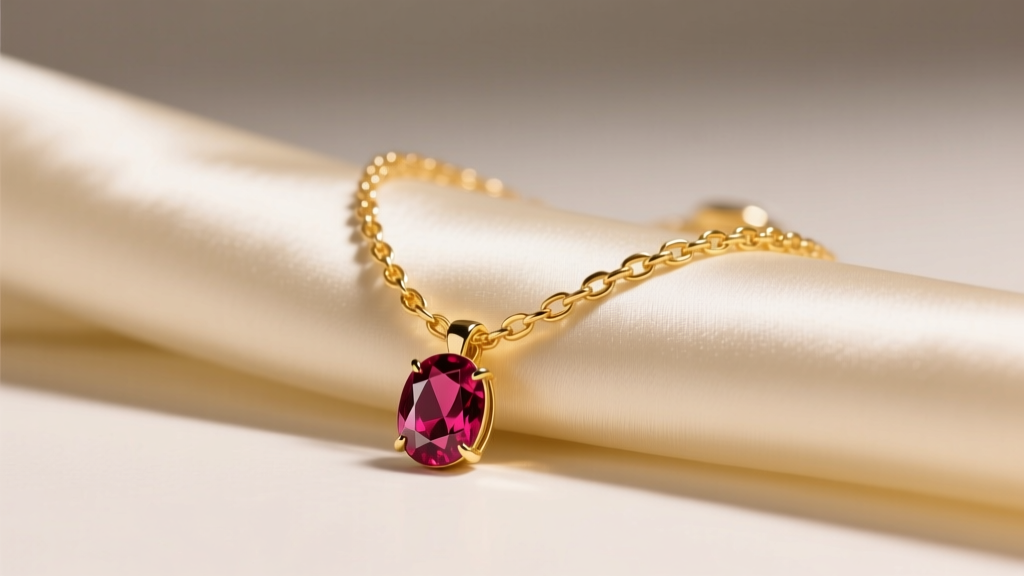
Few jewelry combinations command attention quite like a gold necklace with ruby pendant. The rich, warm tones of yellow or rose gold perfectly amplify the deep, fiery red of a ruby, creating a piece that is both historically significant and visually striking. For beginners, navigating the world of gemstones and precious metals can feel overwhelming. Between deciphering carat weights, understanding gold purity, and selecting the right chain gauge, the variables are numerous. However, by breaking down the components into manageable categories, you can confidently select a piece that offers both aesthetic beauty and long-term durability. Rubies belong to the corundum family and score a 9 on the Mohs hardness scale, making them exceptionally durable for everyday wear, second only to diamonds. This guide will walk you through the exact specifications you need to know before making your purchase.
Decoding Ruby Quality: What Beginners Must Know
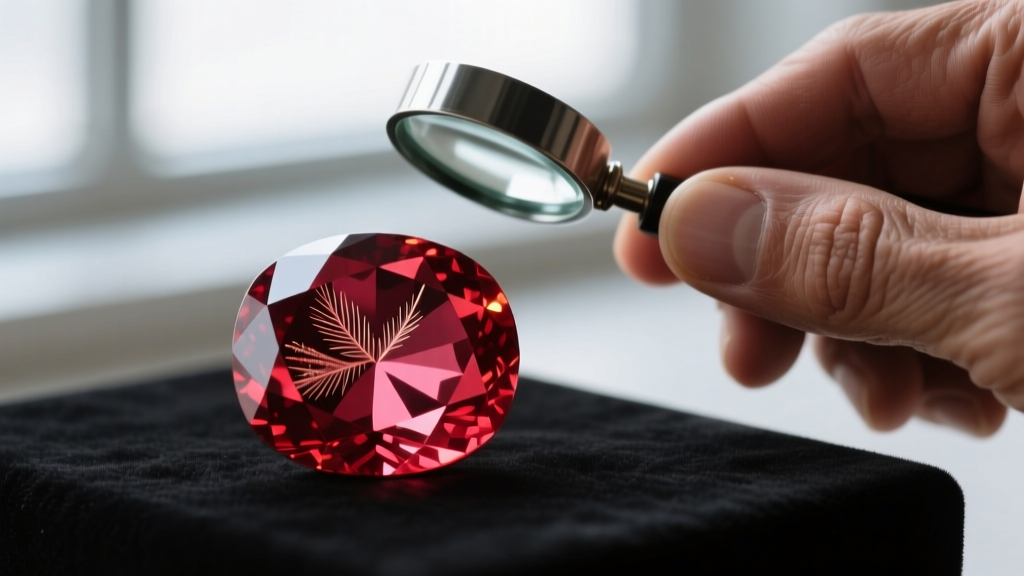
When evaluating the centerpiece of your necklace, color is the single most critical factor. The most prized ruby color is often referred to as 'pigeon's blood'—a vivid, highly saturated medium-dark red with a subtle purplish secondary hue. According to the Gemological Institute of America (GIA), the presence of chromium is what gives rubies their red color, and in some Burmese specimens, this chromium causes a natural fluorescence under UV light, giving the stone an inner glow.
Understanding Treatments and Origins
Not all rubies are created equal, and treatments drastically affect both value and durability. Heat treatment is a standard, widely accepted practice in the gem trade used to enhance color and clarity. However, you must avoid 'fracture-filled' or 'lead-glass filled' rubies. These stones are heavily included and infused with glass to make them appear clearer; they are structurally compromised and can be destroyed by standard jewelry repairs or even mild acids like lemon juice. Always ask the jeweler for a disclosure of treatments.
| Origin / Type | Treatment Status | Market Value (1 Carat) | Durability Notes |
|---|---|---|---|
| Burmese (Myanmar) | Unheated | $10,000 - $50,000+ | Excellent; highly fluorescent |
| Mozambican | Heated | $1,500 - $4,500 | Excellent; standard market choice |
| Lab-Created (Flux) | None (Synthetic) | $150 - $400 | Excellent; identical physical properties |
| Composite / Filled | Lead-Glass Filled | $10 - $50 | Poor; avoid for daily wear pendants |
Selecting the Right Gold Karat for Your Chain
The gold chain supporting your ruby pendant must balance rich color with structural integrity. Pure gold (24k) is far too soft for jewelry chains and will easily stretch or snap under the weight of a gemstone pendant. Therefore, gold is alloyed with metals like copper, silver, and zinc. The American Gem Society notes that understanding these karat designations is vital for longevity.
- 14k Gold (58.5% Pure Gold): The industry standard for durability. It offers a slightly paler yellow hue but is highly resistant to scratching and bending. Ideal for holding heavier ruby pendants (over 3 carats).
- 18k Gold (75% Pure Gold): Offers a rich, buttery yellow color that beautifully complements the red of the ruby. It is softer than 14k and may develop a patina over time, but it is the preferred choice for fine, high-end jewelry.
- Rose Gold (Usually 14k or 18k): Alloyed with a higher copper content, rose gold provides a romantic, vintage contrast to the red ruby. Ensure the copper alloy is well-balanced to prevent skin irritation if you have metal sensitivities.
Chain Styles, Gauges, and Hidden Hardware
The architecture of the chain and the bail (the loop connecting the pendant to the chain) are just as important as the gemstone itself. A mismatched chain can lead to premature wear or breakage.
Optimal Chain Profiles
For a standard 1 to 2-carat ruby pendant, a chain thickness between 1.2mm and 2.0mm is optimal. Thinner chains (under 1.0mm) risk snapping at the clasp or links, while thicker chains (over 2.5mm) can visually overpower a delicate gemstone.
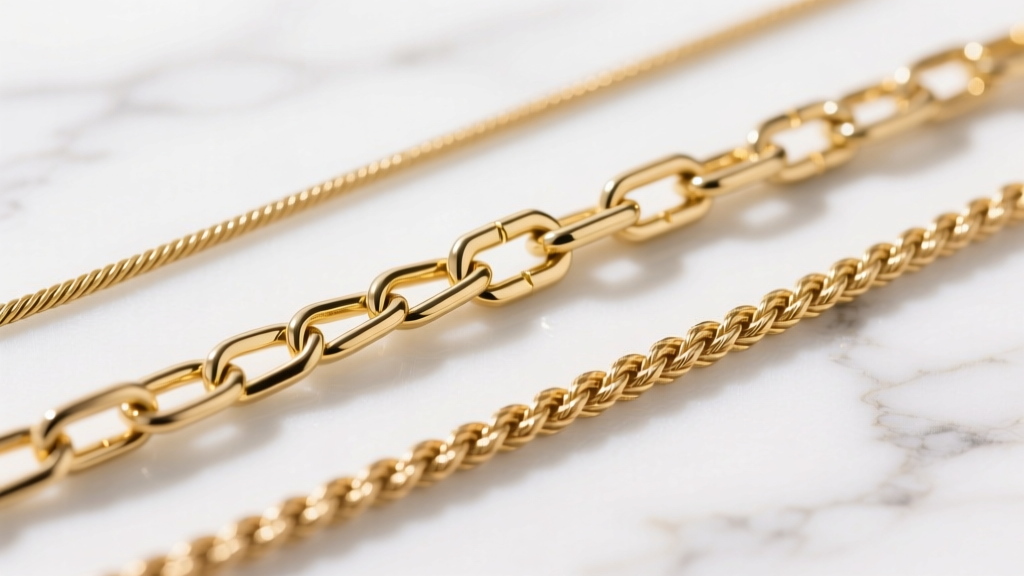
- Cable Chain (1.5mm): Classic, uniform oval links. It is lightweight, easy to repair, and keeps the focus entirely on the ruby pendant.
- Box Chain (1.5mm - 2.0mm): Composed of square links that create a smooth, woven look. Box chains are incredibly strong and resist kinking, making them excellent for slightly heavier pendants.
- Rope Chain (1.2mm - 1.8mm): Twisted links that reflect light brilliantly. While beautiful, rope chains can trap skin oils and lotions, requiring more frequent cleaning to maintain their luster alongside your ruby.
The Importance of the Bail and Setting
Pay close attention to how the ruby is set. A bezel setting (where a rim of gold surrounds the gemstone's girdle) offers maximum protection against chipping, which is crucial if you plan to wear the necklace daily. A prong setting (usually 4 or 6 prongs) allows more light to enter the stone, maximizing its brilliance, but leaves the edges more exposed to impact. Furthermore, ensure the bail is lined with a hard metal or features a ceramic insert if you are using a box chain, as the friction of square metal links can slowly saw through a soft, unlined gold bail over several years.
Expert Tip: When buying a pre-strung gold necklace with ruby pendant, check the clasp. A spring-ring clasp is standard for lightweight chains, but for pendants exceeding 4 grams, always upgrade to a lobster claw clasp for secure, gap-free closure.
Pricing Expectations and Budgeting Framework
Understanding where your money goes helps set realistic expectations. The price of a gold necklace with ruby pendant is heavily weighted toward the gemstone's origin and treatment status, followed by the gold weight of the chain.
Budget Tiers
Under $500 (Entry-Level & Lab-Grown): In this tier, you will find lab-created rubies set in 10k or 14k gold, or natural rubies with heavy inclusions and obvious heat treatments. Lab-grown rubies (created via the Verneuil or flux methods) possess the exact same chemical and physical properties as mined stones and offer flawless clarity and vivid color at a fraction of the cost.
$500 to $2,500 (Mid-Range Natural): This budget secures a beautiful 14k or 18k gold chain paired with a 0.50 to 1.50-carat natural, heat-treated ruby (often of Mozambican or Thai origin). The color will be vibrant, and the gold chain will have a substantial, quality feel (approx. 2 to 4 grams of gold).
$5,000 and Above (Investment Grade): Here, you enter the realm of unheated, certified Burmese or high-grade Mozambican rubies. These pieces are accompanied by laboratory reports from institutions like the GIA or Gübelin, verifying their natural origin and lack of thermal enhancement.
Caring for Your Gold and Ruby Jewelry
While rubies are incredibly hard, they are not indestructible. Rubies can suffer from 'cleavage' or internal fracturing if struck hard against a surface. To clean your gold necklace with ruby pendant, avoid harsh chemical dips or ultrasonic cleaners if the stone has any surface-reaching fractures or is oil-treated. The safest and most effective method is to soak the necklace in a bowl of warm water with a few drops of mild, phosphate-free dish soap for 15 minutes. Gently agitate the water, then use a soft-bristled baby toothbrush to lightly sweep the back of the ruby (the pavilion), where dust and skin oils accumulate and block light return. Rinse thoroughly under lukewarm water and pat dry with a lint-free microfiber cloth. Store the necklace flat or hung to prevent the gold chain from tangling and scratching the surface of the gold links.


