The Ultimate Guide to Choosing Necklace Display Cards
Learn how to choose the perfect necklace display cards for your jewelry brand. Explore cardstock weights, sizes, and eco-friendly materials.

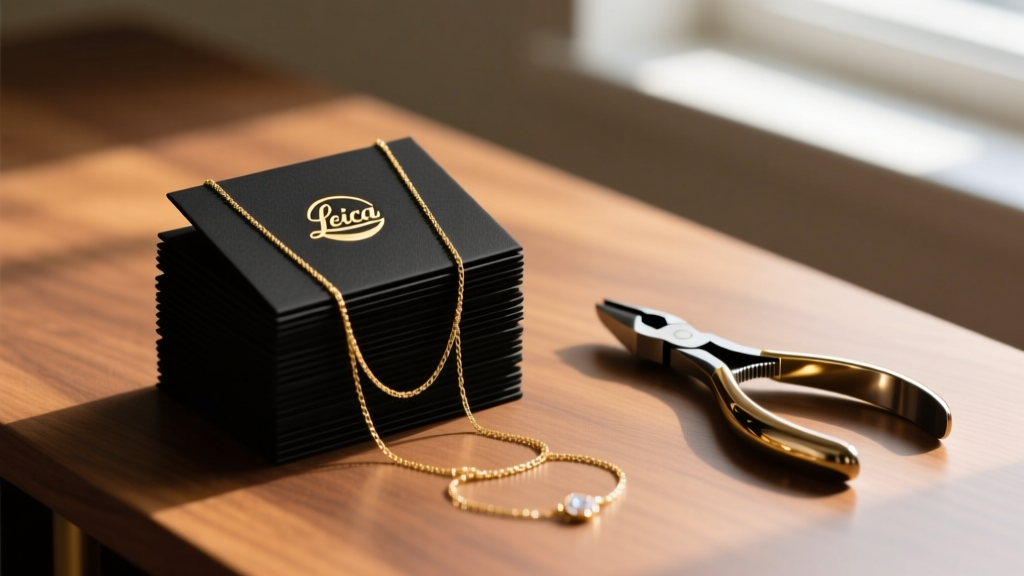
In the highly competitive world of independent jewelry design, the physical presentation of your pieces is just as critical as the craftsmanship itself. For necklace makers, the humble necklace display card is the unsung hero of retail presentation and e-commerce unboxing. It is the first physical touchpoint a customer has with your brand, and it serves the dual purpose of protecting delicate chains during transit while elevating the perceived value of the pendant. As we navigate the retail landscape of 2026, consumers are more discerning than ever, demanding tactile, sustainable, and aesthetically cohesive packaging. This comprehensive buying guide will walk you through the exact specifications, material grades, and structural nuances you need to consider when sourcing or designing necklace display cards for your brand.
The Psychology of the Unboxing Experience
According to the Shopify Product Packaging Guide, the unboxing experience directly influences customer retention and social media sharing. A flimsy, easily bent display card immediately signals mass-production and low value, regardless of the quality of the silver or gold chain resting upon it. Conversely, a rigid, beautifully textured card communicates heritage, care, and luxury. When a customer slides a necklace out of a mailer and sees it secured to a substantial, branded card, their brain registers the item as a premium good before they even clasp it around their neck. Investing in high-caliber display cards reduces return rates and increases the likelihood of user-generated content on platforms like TikTok and Instagram.
Standard Dimensions & Sizing Guide
Choosing the wrong dimensions can result in a comical visual imbalance—either a massive card dwarfing a minimalist pendant, or a tiny card struggling to hold a heavy, 24-inch layered chain. Below is the industry-standard sizing framework used by professional jewelers and boutique retailers.
| Card Dimensions | Best Use Case | Chain Length Compatibility |
|---|---|---|
| 2" x 3" (Mini) | Delicate solitaire pendants, minimalist chokers, children's jewelry | 14" to 16" chains |
| 3" x 4" (Standard) | Standard pendants, layered necklace sets, gemstone drops | 16" to 20" chains |
| 3.5" x 5" (Large) | Statement pieces, heavy Cuban links, bib necklaces, long lariats | 22" to 30"+ chains |
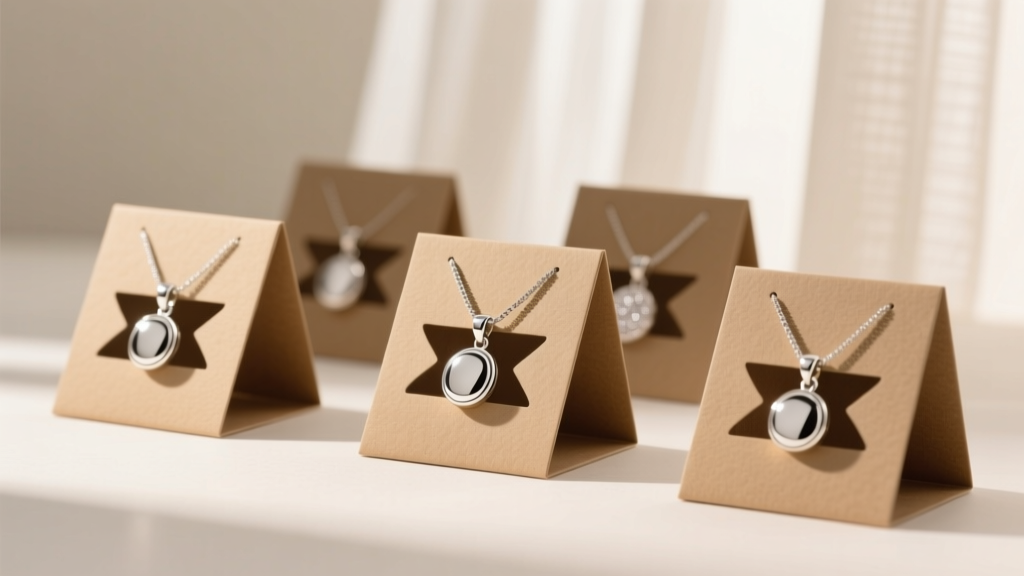
| Custom Die-Cut | Brand-specific shapes (e.g., arches, shields, organic pebbles) | Varies by design |
Cardstock Weights & Material Grades
The structural integrity of your necklace display cards relies entirely on the paper weight. In the printing industry, cardstock is measured in points (pt) or grams per square meter (gsm). For jewelry, you must avoid anything below 14pt, as it will warp when exposed to humidity or the tension of a heavier chain.
14pt Cardstock (approx. 350 gsm)
This is the baseline for professional jewelry cards. It offers enough rigidity to stand upright in a retail display stand and prevents bending inside a standard bubble mailer. It is highly cost-effective for high-volume Etsy sellers and craft fair vendors.
16pt to 18pt Cardstock (approx. 400 - 450 gsm)
The sweet spot for premium independent brands. This weight provides a satisfying 'snap' and stiffness that mimics luxury retail packaging. It holds heavier pendants, such as solid brass or thick sterling silver pieces, without bowing in the center.
24pt to 32pt Double-Thick (approx. 600 - 800 gsm)
Reserved for ultra-luxury or high-end artisan pieces. Often created by pasting two sheets of paper together, these cards feel like rigid boards. They are frequently paired with edge-painting (where the thick edge of the card is dyed with metallic or brand-colored ink) to create a striking visual contrast.
Slit Configurations & Hardware Compatibility
The slits (or notches) cut into the card are where the functional engineering meets the jewelry. If the slits are too narrow, you will struggle to insert thicker chains, potentially scratching the metal or tearing the paper. If they are too wide, delicate chains will slip through and tangle.
- Standard 1/16" Slits: Ideal for delicate cable chains, box chains, and serpentine chains under 1.5mm in thickness.
- Wide 1/8" to 1/4" Slits: Necessary for heavier hardware, such as 3mm+ rope chains, Figaro chains, or leather cord necklaces.
- Euro-Punch (Sombrero Hole):strong> A specialized die-cut hole at the top center of the card. This is mandatory if you plan to sell wholesale to boutiques that hang necklaces on pegboard retail displays.
- Slit Placement: Ensure slits are placed at least 0.25" from the edge of the card to prevent tear-out, especially with softer recycled papers.
Finishing Techniques & Tactile Coatings
In 2026, visual design is only half the battle; tactile feedback is the other. The coating you choose for your necklace display cards dramatically alters the customer's sensory experience. Soft-touch lamination (often called velvet or suede lamination) applies a microscopic matte film that makes the card feel like rose petals or smooth leather. This is highly recommended for dark-colored cards (navy, charcoal, black) as it prevents fingerprint smudging. Alternatively, uncoated raw stock is preferred for artisanal, bohemian, or eco-conscious brands, allowing the natural texture of the paper fibers to interact with the customer's fingertips. For a touch of opulence, Spot UV coating can be applied selectively over a logo or geometric pattern, creating a raised, glossy contrast against a matte background.
Sustainable & Eco-Friendly Options
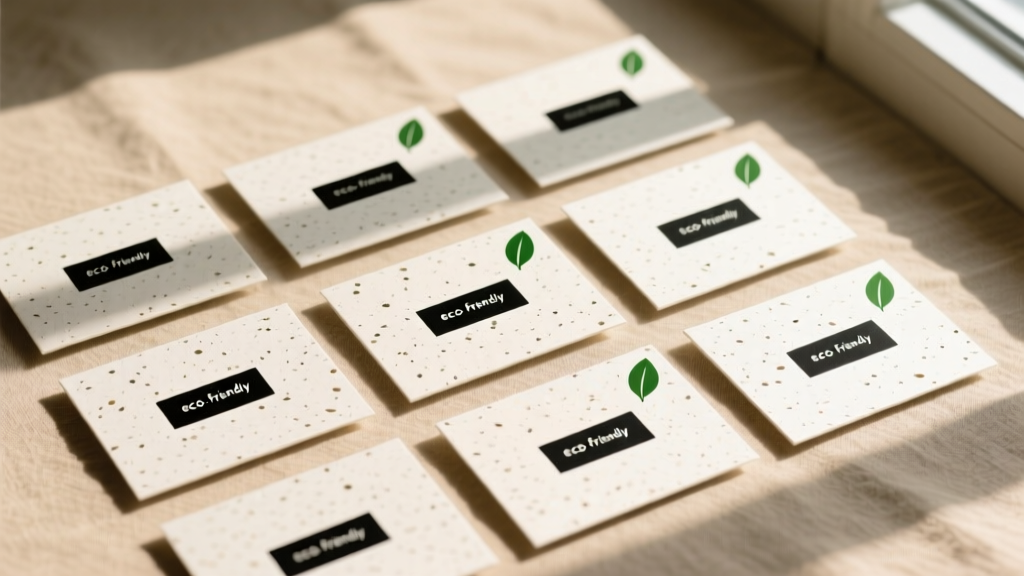
Sustainability is no longer a niche trend; it is a baseline consumer expectation. The EcoEnclose Sustainable Packaging Guide emphasizes that jewelry brands must move beyond basic recyclability toward regenerative materials. When sourcing necklace display cards, consider these high-impact eco-friendly alternatives:
- 100% Post-Consumer Waste (PCW) Kraft: Unbleached, naturally brown, and fully compostable. It pairs beautifully with black ink or white foil stamping.
- Cotton Rag Paper: Made from upcycled textile industry waste (like denim or t-shirt offcuts). It has a luxurious, slightly felted texture and is inherently tree-free.
- Plantable Seed Paper: Embedded with wildflower or herb seeds. Customers can plant the display card in soil after removing the necklace, transforming packaging waste into a living experience. This is a massive value-add for nature-inspired jewelry lines.
"Transitioning to plantable seed paper for our necklace display cards reduced our packaging waste to zero and increased our customer repeat-purchase rate by 18%, as buyers loved the interactive unboxing experience." — Lead Designer, Flora & Forge Jewelry
Cost Breakdown & ROI Considerations
Understanding the unit economics of your packaging is vital for maintaining healthy profit margins. According to insights from the Etsy Seller Handbook, packaging costs should generally not exceed 3% to 5% of your item's retail price. Here is a realistic pricing breakdown for 2026:
- Blank Standard Kraft Cards (3x4): $0.05 - $0.12 per unit (ideal for beginners or those using custom rubber stamps).
- Custom Printed 16pt Matte Cards: $0.25 - $0.45 per unit (requires minimum order quantities of 250-500).
- Luxury 24pt with Foil Stamping & Edge Painting: $0.60 - $1.15+ per unit (reserved for fine jewelry retailing above $150).
Ultimately, the right necklace display cards act as a silent salesperson. By carefully selecting the correct dimensions, investing in a substantial cardstock weight, and aligning your material choices with your brand's ethical and aesthetic values, you transform a simple piece of paper into a foundational pillar of your jewelry brand's identity.


