Beginner Guide to Buying a Chunky Chain Link Necklace
Discover how to choose, style, and maintain a chunky chain link necklace. Learn about metal grades, link styles, and clasp hardware in this guide.

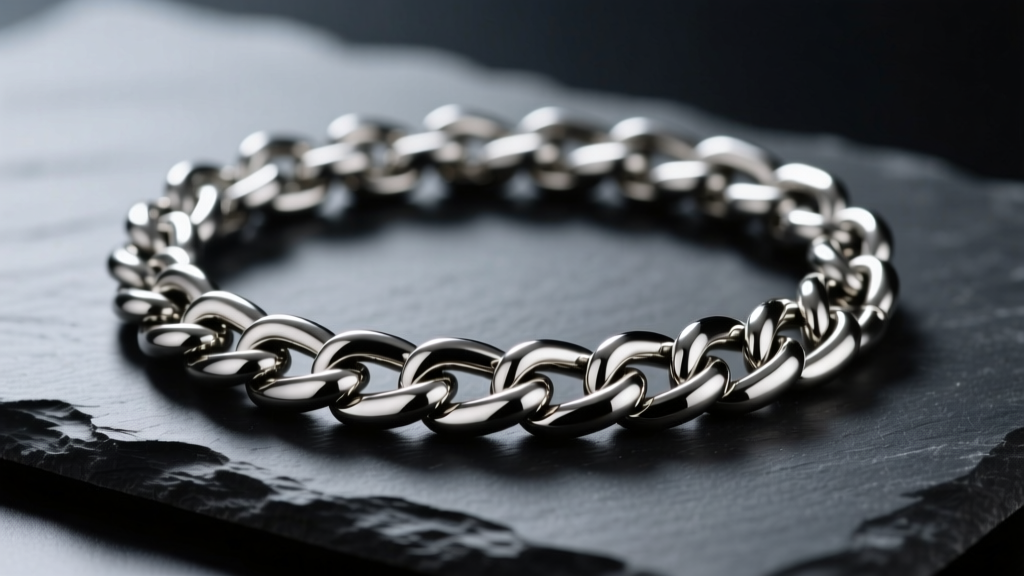
The chunky chain link necklace has transcended its subcultural roots to become a foundational pillar of modern jewelry wardrobes. Whether you are aiming for a minimalist aesthetic with a single statement piece or building a layered look, understanding the anatomy of heavy chains is critical. Unlike delicate pendants that rely on visual subtlety, a chunky chain link necklace is defined by its structural integrity, metallurgical quality, and hardware. This beginner-friendly explainer will decode the specifications you need to know before investing in a piece that will last a lifetime.
What Defines a "Chunky" Chain? Width and Weight Metrics
In the jewelry industry, the term "chunky" generally applies to chains with a width of 10mm or greater. However, width alone does not dictate the visual weight or physical heft of the piece. You must also consider the profile (how flat or rounded the links are) and the overall gram weight.
- 10mm - 14mm: The sweet spot for everyday statement wear. Heavy enough to be noticed, but light enough to wear for 12+ hours without neck fatigue.
- 15mm - 20mm: Bold and highly visible. Often worn over clothing or as a standalone focal point.
- 22mm+: Ultra-heavy, specialized pieces. These are often custom-made and can weigh upwards of 300 grams in solid metals.
When shopping, always check the gram weight. A 12mm chain that weighs 40 grams is hollow (electroformed), while a 12mm chain weighing 180 grams is solid. This distinction drastically affects durability and price.
Decoding Link Patterns: Cuban, Curb, and Mariner
The geometry of the links determines how the necklace drapes, reflects light, and resists tangling. Here are the three most common patterns for heavy chains:
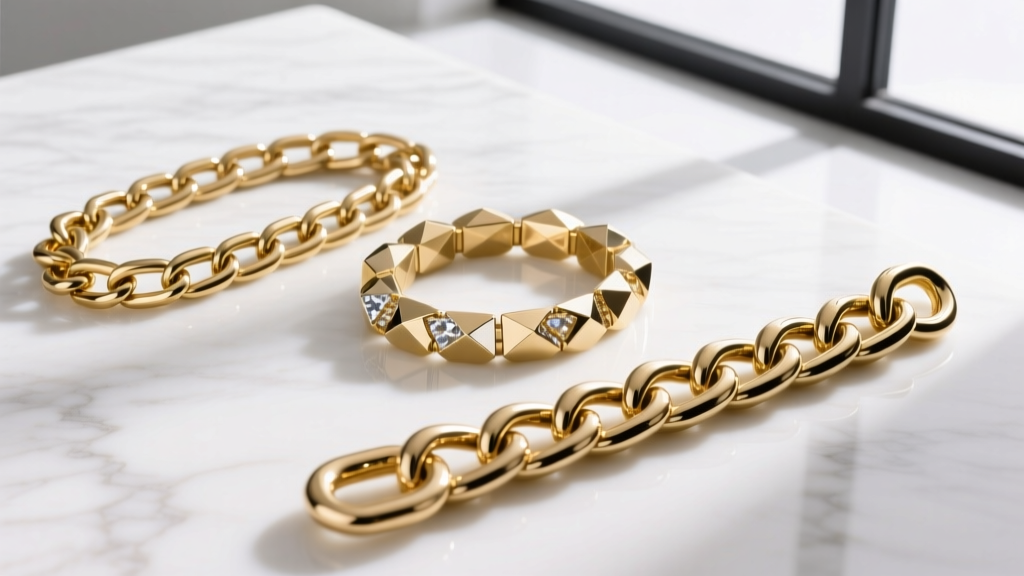
1. The Cuban Link
The undisputed king of chunky chains. Cuban links feature interlocking, flat-surfaced oval links that sit flush against one another. This creates a seamless, fluid drape that resists kinking. Many modern Cuban chains feature "diamond cutting," a process where a CNC machine shaves microscopic facets into the metal to maximize light reflection without the need for gemstones.
2. The Curb Link
Often confused with the Cuban, the traditional curb chain features links that are twisted and flattened. The gaps between the links are slightly more pronounced, giving it a more textured, vintage appearance. Curb chains are highly flexible but can occasionally catch on fine fabrics if the solder points are not filed perfectly smooth.
3. The Mariner Link
Inspired by nautical chains, the Mariner (or anchor) link consists of oval links with a solid bar across the center. This center bar adds immense structural rigidity, making it one of the strongest link patterns available. It offers a more utilitarian, architectural aesthetic compared to the fluid Cuban.
Material Grades & Pricing Tiers
The metal you choose dictates the lifespan, maintenance, and price of your chunky chain link necklace. According to the Gemological Institute of America (GIA), understanding the purity and alloy composition of gold and silver is essential for assessing long-term value.
| Material | Avg. Price (12mm/20") | Pros | Cons & Failure Modes |
|---|---|---|---|
| 316L Surgical Steel | $60 - $120 | Tarnish-free, hypoallergenic, highly scratch-resistant. | Cannot be resized or soldered easily; heavy and rigid. |
| 925 Sterling Silver | $180 - $450 | Classic luster, holds value, easily repaired by jewelers. | Prone to oxidation (tarnish); requires regular polishing. |
| 14k Gold Vermeil | $150 - $300 | Accessible luxury; thick 2.5µm gold layer over silver. | Gold layer will eventually wear off on high-friction edges. |
| Solid 14k Gold | $2,500 - $6,000+ | Heirloom quality, will not tarnish, retains intrinsic value. | High upfront cost; 14k gold can scratch if dragged on concrete. |
The Vermeil vs. Plated Trap
Beginners often confuse gold vermeil with standard gold plating. Standard plating uses a microscopic layer of gold (often less than 0.5 microns) over a base metal like brass. On a heavy, chunky chain link necklace, the friction between the interlocking links will rub this thin layer off within months, leaving a dull, greenish base metal. Always insist on solid gold, gold-filled (which has a much thicker mechanically bonded layer), or high-quality vermeil if you are on a budget.
Hardware and Failure Modes: Why Clasps Matter
The most common point of catastrophic failure on a heavy chain is not the links themselves, but the clasp. A 150-gram solid silver Cuban link exerts significant kinetic tension on the hardware when it swings or catches on clothing.
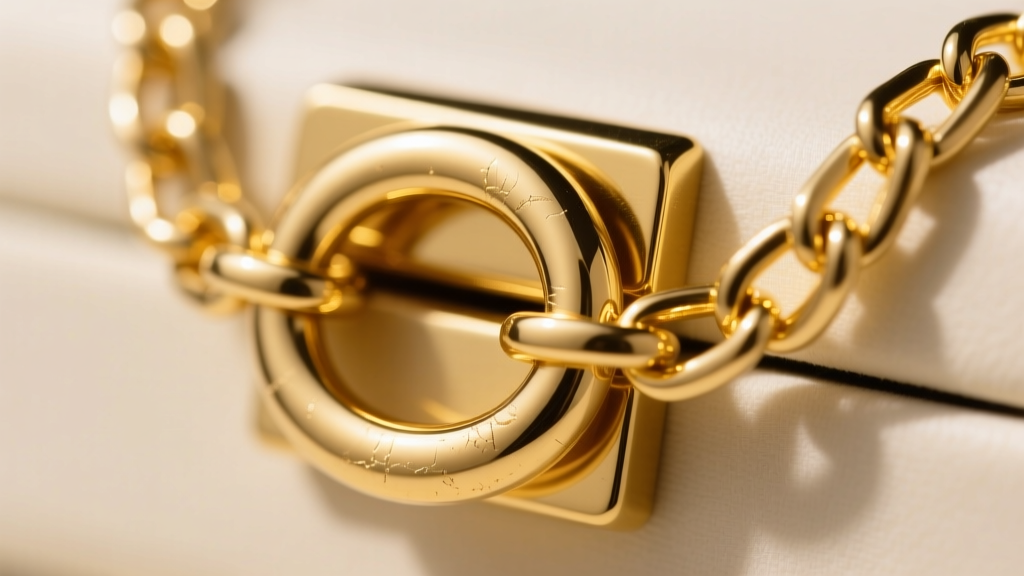
- Lobster Clasps: Standard on lightweight chains, but inadequate for chunky chains over 100 grams. The internal spring mechanism can fatigue and fail under heavy, swinging loads.
- Box Clasps with Safety Latches: The industry standard for heavy chains. The tongue clicks securely into a boxed receiver. Crucially, it must feature a "figure-8" safety wire that snaps over a side nub. If the main box mechanism fails, the safety wire prevents the necklace from dropping to the floor.
- Magnetic Clasps: Avoid these entirely on heavy chains. The sheer weight of a chunky link necklace will easily overcome the magnetic pull, resulting in loss.
Styling Frameworks: Necklines and Layering
Styling a chunky chain link necklace requires an understanding of visual balance and proportion. Because the chain commands attention, your neckline should act as a framing device.
The Solo Statement
For a 12mm to 15mm chain, a simple crew neck t-shirt or a structured blazer with a deep V-neck provides the perfect canvas. The chain should rest flat against the collarbone or slightly below. Ensure the length is between 18 and 22 inches; anything shorter will look like a choker and restrict movement, while anything longer will swing awkwardly.
The Art of Asymmetrical Layering
Layering two chunky chains is a common beginner mistake that results in a tangled, visually cluttered mess. Instead, use the "Anchor and Satellite" framework:
Expert Tip: Pair your 12mm chunky chain link necklace (the Anchor) with a delicate 2mm cable or box chain (the Satellite). The delicate chain should be 2 to 4 inches longer than the chunky chain, and ideally feature a small, minimalist pendant to draw the eye downward and create a cascading effect.
The Jewelers of America also notes that keeping varying chain patterns (e.g., a smooth Cuban with a textured rope chain) prevents the metals from rubbing against each other in a way that causes premature micro-scratches.
Maintenance and Tarnish Prevention
Heavy chains accumulate skin oils, lotion, and environmental dust deep within the crevices of the interlocking links. To clean a solid gold or stainless steel chunky chain, soak it in a bowl of warm water with a few drops of mild dish soap for 15 minutes. Use a soft-bristled baby toothbrush to gently agitate the dirt from the gaps, rinse thoroughly, and dry with a microfiber cloth.
Warning: Never use an ultrasonic cleaner on gold-plated, gold-filled, or hollow electroformed chains. The high-frequency acoustic cavitation can strip thin micron layers of gold and compromise the weak solder points of hollow links, causing them to crack or unravel. Reserve ultrasonic cleaning strictly for solid, un-plated metals without fragile gemstone accents.
By prioritizing solid construction, secure box clasps, and appropriate material grades, your chunky chain link necklace will transition from a fleeting trend purchase to a permanent, reliable fixture in your daily rotation.


