Why The Chunky Coral Necklace Is 2026's Boldest Trend
Discover why the chunky coral necklace is 2026's standout trend. Learn how to style bold beads, spot sustainable alternatives, and layer like a pro.

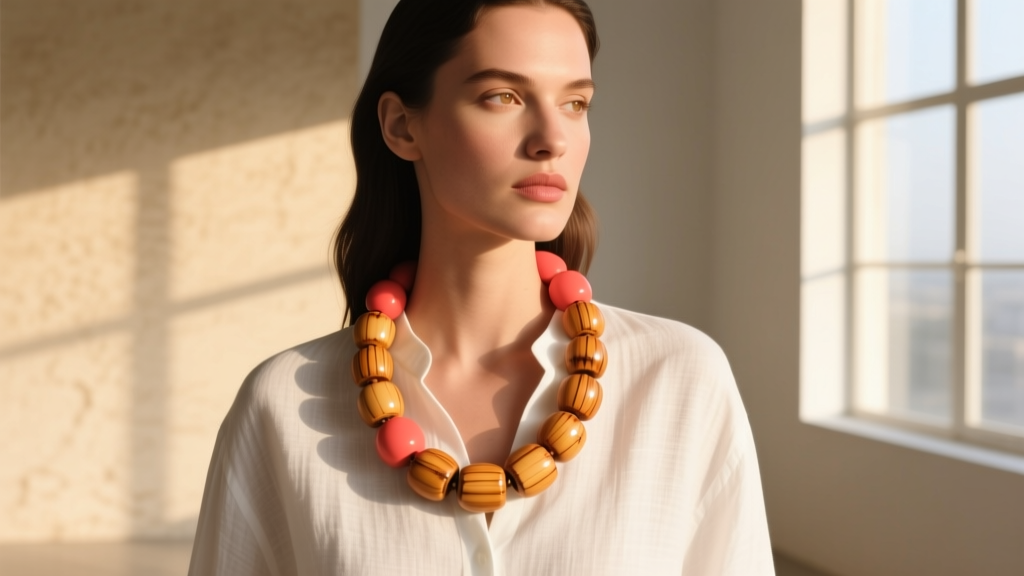
The fashion pendulum has officially swung away from the ultra-minimalist micro-chains that dominated the early 2020s. As we navigate the 2026 resort and summer seasons, the spotlight has shifted decisively toward tactile, maximalist organics. At the absolute forefront of this revival is the chunky coral necklace. Once relegated to vintage estate sales and retro 1970s bohemian styling, bold coral silhouettes have been reclaimed by contemporary designers and style influencers as the ultimate statement of expressive luxury. But the modern iteration of this iconic piece is defined not just by its striking visual weight, but by a rigorous commitment to sustainable sourcing, advanced stringing mechanics, and deliberate color theory. This comprehensive guide breaks down the anatomy, market realities, and styling frameworks of the chunky coral necklace in 2026.
The Resurgence of Bold Organics in 2026
The fatigue surrounding "quiet luxury" has birthed a counter-movement: expressive resort wear. Fashion houses and independent jewelers alike are leaning heavily into natural, imperfect, and visually substantial materials. The chunky coral necklace perfectly encapsulates this ethos. Unlike the uniform sparkle of faceted diamonds or the cold precision of polished platinum, coral offers a warm, satiny luster that feels deeply personal and inherently grounded. In 2026, the aesthetic is less about perfectly matched, uniform strands and more about organic presence. Designers are intentionally mixing bead sizes—alternating between 14mm and 20mm rounds—or incorporating raw, unpolished coral branches interspersed with chunky polished beads to create a dynamic, sculptural effect around the collarbone.
Decoding the Silhouette: Bead Sizes and Stringing Mechanics
To qualify as genuinely "chunky," a coral necklace must feature beads with a minimum diameter of 14mm, with the most sought-after contemporary pieces utilizing 18mm to 22mm rounds. However, this dramatic scale introduces significant structural challenges that separate fine jewelry from costume pieces.
A single 20mm round coral bead weighs approximately 4.5 to 5.2 grams. A standard 16-inch princess-length necklace requires roughly 20 beads, bringing the total gemstone weight to over 100 grams. Traditional silk thread, while historically accurate for vintage estate pieces, is a severe liability for modern chunky silhouettes. The friction of heavy beads rubbing against silk causes micro-abrasions, leading to catastrophic string failure and lost gems.
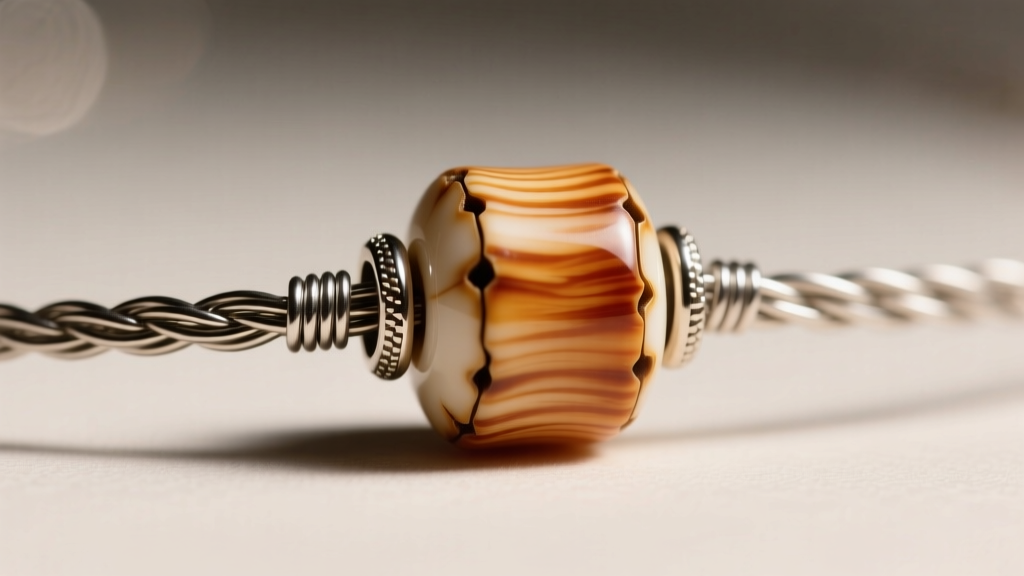
In 2026, master jewelers construct these heavy pieces using 49-strand micro-fused stainless steel wire, typically measuring 0.024 inches in diameter. This aerospace-grade wire offers immense tensile strength while maintaining the drape and flexibility required for a necklace to sit flush against the skin. Furthermore, the finishing hardware must be upgraded; heavy-duty sterling silver or 14k gold-filled crimp tubes, paired with reinforced wire guards, are essential to prevent the steel wire from shearing against the clasp jump ring under the necklace's substantial weight.
Sustainability and Material Grades: Real vs. Alternative Coral
The most critical evolution in the coral jewelry market is the widespread pivot toward sustainability. Precious Mediterranean coral (Corallium rubrum) is strictly regulated under CITES Appendices due to decades of overharvesting and the devastating impacts of climate-induced ocean acidification on deep-sea reefs. According to the Gemological Institute of America (GIA), ethical sourcing is paramount when dealing with organic gems, and the modern conscientious consumer demands transparency.
As a result, the 2026 market has overwhelmingly embraced sustainable alternatives that mimic the opaque, vibrant luster of precious coral without the ecological toll. Below is a breakdown of the materials currently dominating the chunky necklace market.
| Material Type | Mohs Hardness | Sustainability Profile | Est. Price (16-inch, 18mm) |
|---|---|---|---|
| Precious Coral (Vintage/Estate) | 3.5 - 4.0 | Highly Regulated (CITES) | $3,500 - $8,000+ |
| Bamboo Coral (Dyed) | 3.0 - 3.5 | Abundant / Sustainable | $120 - $280 |
| Dyed Howlite | 3.5 | Abundant / Low Impact | $45 - $95 |
| Artisan Resin / Recycled Glass | 5.0 - 6.0 | Synthetic / Cruelty-Free | $80 - $150 |
Bamboo coral, an abundant deep-water species with a natural skeletal structure that readily accepts organic dyes, has become the gold standard for ethical chunky coral necklaces. When dyed using high-quality, UV-stable pigments, bamboo coral achieves the coveted "oxblood" or "salmon" hues of precious coral at a fraction of the environmental and financial cost.
Styling Frameworks: Necklines and Color Theory
A chunky coral necklace is a dominant focal point; styling it requires an understanding of visual balance and color wheel dynamics. Coral's natural hue—a vibrant orange-red with pink undertones—sits directly opposite blue-green on the color wheel. This makes it an unparalleled accessory for cool-toned wardrobes.
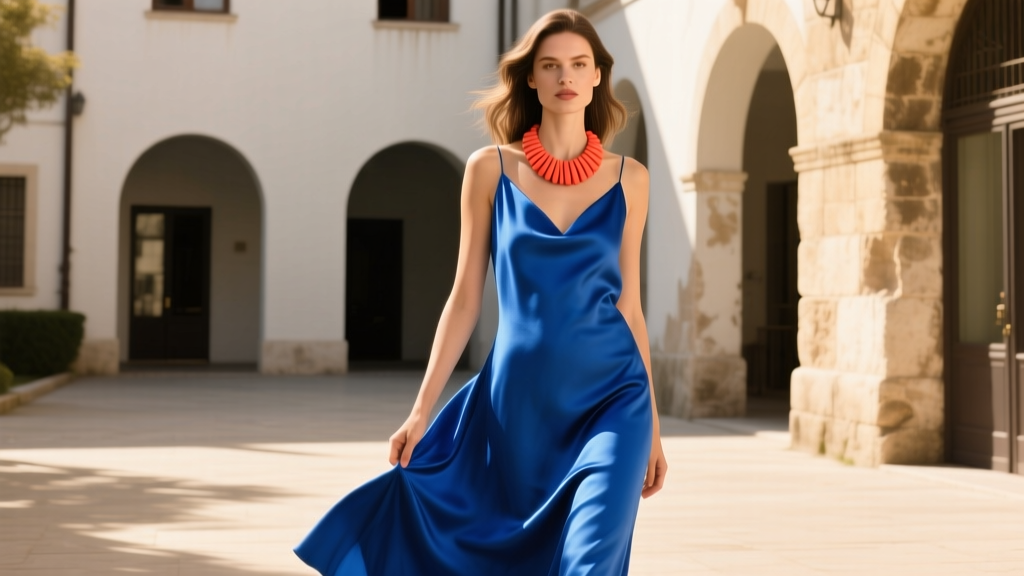
- The Cobalt Contrast: Pairing an 18mm oxblood coral strand with a deep cobalt or cerulean silk creates a high-impact, complementary color clash that is highly favored in 2026 editorial styling.
- The Emerald Anchor: For a more subdued, old-money aesthetic, coral beads resting against emerald green or deep forest green linen provide a rich, earthy contrast.
- The Crisp Canvas: Optic white or unbleached ecru linen allows the natural warmth of the coral to act as the sole source of color, perfect for minimalist resort wear.
- Tones to Avoid: Avoid pairing chunky coral with mustard yellows, warm browns, or neon pinks, as these analogous or clashing warm tones will muddy the visual impact and wash out the wearer's complexion.
Navigating Necklines
The physical volume of a chunky necklace dictates strict neckline pairings. Deep V-necks, plunging scoop necks, and off-the-shoulder boatnecks provide the necessary negative space (or "skin canvas") to frame the beads. Crew necks and high turtlenecks must be strictly avoided; the collar of the garment will compete with the top of the necklace, creating visual clutter and causing the heavy beads to sit awkwardly against the fabric rather than the skin.
The Art of the Pendulum Layer
Layering a 20mm bead necklace is notoriously difficult due to its rigid structure. The 2026 solution is "pendulum layering." Instead of clustering multiple chunky strands, anchor the 16-inch coral necklace with a 26-inch or 30-inch ultra-fine gold lariat or delicate cable chain featuring a single, heavy geometric pendant. This creates a elongated V-shape that draws the eye downward, balancing the horizontal volume of the coral beads around the neck and preventing the silhouette from feeling choked or top-heavy.
Investment Tiers: Market Pricing in 2026
Understanding the pricing landscape is crucial for avoiding counterfeit or overpriced pieces. Fast-fashion retailers frequently sell dyed plastic or low-grade howlite masquerading as coral for $20 to $50. While acceptable for seasonal costume wear, these pieces lack the thermal properties and weight of genuine organics. Mid-tier sustainable jewelers offering ethically sourced, steel-strung bamboo coral with gold-filled hardware typically price their 16-inch chunky strands between $120 and $350. For collectors seeking genuine, pre-ban Mediterranean precious coral, vintage estate pieces command premium prices, starting around $3,500 and easily exceeding $10,000 for artisan-crafted, museum-quality strands with provenance documentation.
Care and Maintenance for Porous Organics
Whether precious or bamboo, coral is a highly porous organic material with a Mohs hardness of roughly 3.5, making it exceptionally vulnerable to chemicals and abrasion. The most common failure mode for coral necklaces is surface etching caused by acidic environments. Sunscreen, perfume, hairspray, and even natural body sweat will rapidly degrade the polish, leaving the beads looking dull and chalky.
To preserve the satiny luster of your chunky coral necklace, always adhere to the "last on, first off" rule. Apply all cosmetics and allow them to dry completely before putting on the jewelry. After wearing, gently wipe each bead with a slightly damp, untreated microfiber cloth to remove microscopic acidic residue. Never use ultrasonic cleaners, steamers, or commercial jewelry dips, as the vibrations can fracture the beads and the chemicals will permanently strip the dye from bamboo alternatives. Store the necklace flat in a soft pouch; hanging a heavy 100-gram strand for long periods can cause permanent deformation of the stringing wire and stress the drill holes.


