The Ultimate Buying Guide for a Chunky Rose Quartz Necklace
Discover what to look for when buying a chunky rose quartz necklace. Learn about stone grading, chain gauges, clasp durability, and pricing tiers.

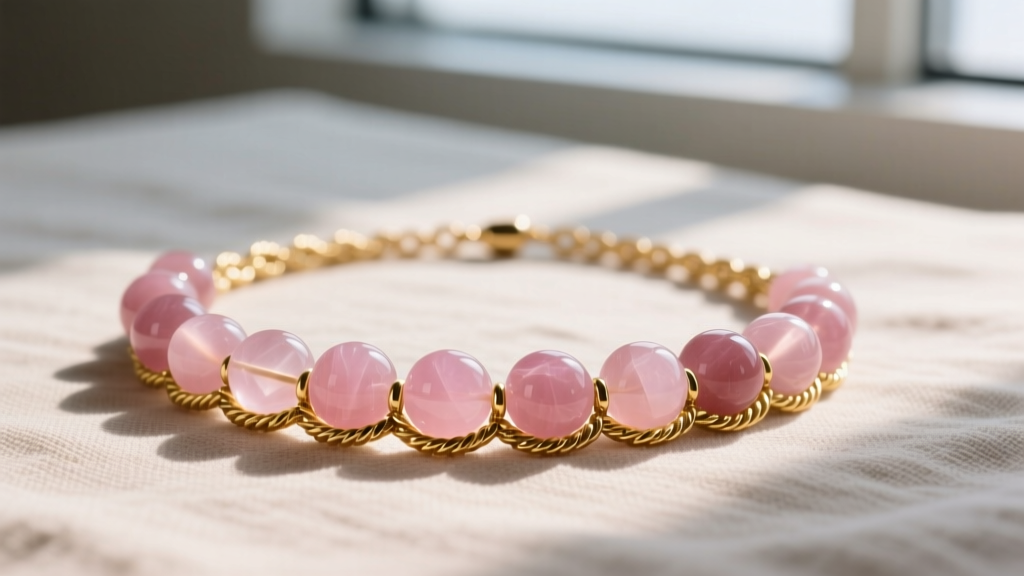
The Shift to Bold, Grounding Statement Pieces
As we navigate the jewelry landscape of 2026, the industry has seen a definitive pivot away from the ultra-delicate, barely-there layering trends of the early 2020s. Today, collectors and everyday wearers alike are gravitating toward grounding, tactile statement pieces. At the forefront of this movement is the chunky rose quartz necklace. With its soothing blush hues and substantial physical weight, a well-crafted rose quartz piece offers both a striking aesthetic and a comforting, weighted presence. However, the market is saturated with poorly constructed beaded necklaces and misidentified stones. This comprehensive buying guide will equip you with the gemological and structural knowledge necessary to invest in a piece that is both beautiful and built to last.
Evaluating Rose Quartz: Color, Clarity, and Origin
Not all rose quartz is created equal. The pink coloration in this variety of macrocrystalline quartz is caused by trace amounts of titanium, iron, or manganese. When shopping for chunky beads or large carved pendants, understanding the nuances of stone quality is your first line of defense against overpaying for subpar materials.
Translucency vs. Cloudiness
The highest grade of rose quartz is translucent, allowing light to penetrate the stone and create a soft, inner glow. This premium material is typically sourced from Madagascar and certain mines in Brazil. Lower-grade stones are heavily included and opaque, appearing milky or chalky. While opaque beads are significantly cheaper, they lack the visual depth required for a luxury statement piece. When examining a chunky necklace, hold the beads up to a direct light source; you should be able to see light passing through the edges of the highest quality stones.
The Rarity of Asterism
According to the Gemological Institute of America (GIA), some rose quartz exhibits asterism—a star-like phenomenon caused by reflections from microscopic, aligned fibers of dumortierite. While rarely cut into perfectly round chunky beads, star rose quartz is sometimes carved into large, irregular pendant drops. If a seller claims a bead has 'star' properties without visible proof under a single overhead light source, approach with skepticism.
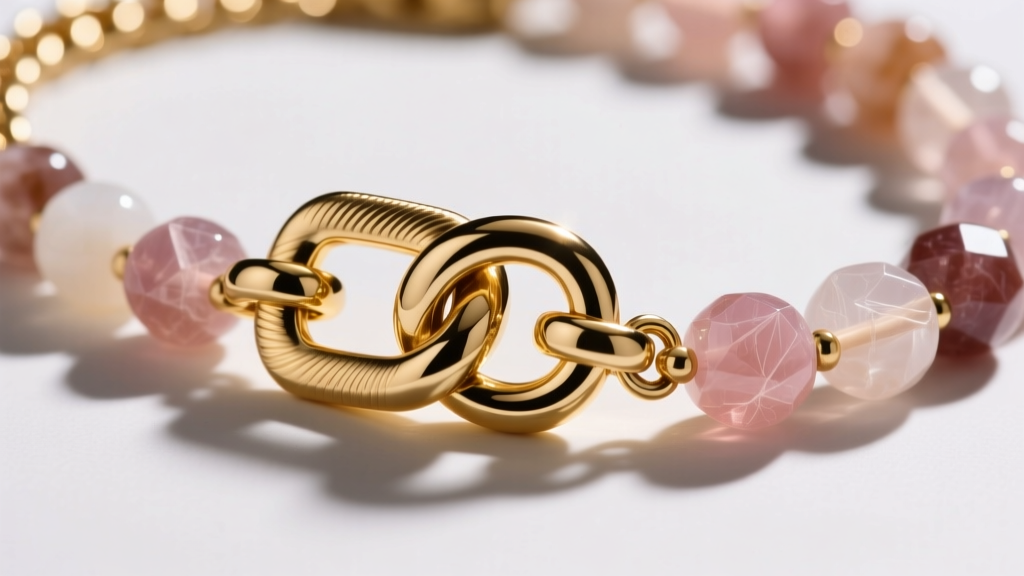
The Hardware: Chain Gauges and Clasp Mechanics
The most common failure point in heavy stone jewelry is not the stone itself, but the hardware. Chunky rose quartz beads (typically ranging from 12mm to 16mm in diameter) carry substantial mass. A standard 12mm round bead necklace can easily weigh between 45 and 65 grams. If the necklace you are eyeing relies on flimsy findings, it will inevitably break.
Stringing Material and Chain Gauge
If the necklace is strung on wire rather than linked chain, ensure the jeweler uses a minimum of 0.024-inch, 49-strand micro-braided stainless steel beading wire. Thinner wires (like 0.018-inch) will stretch under the constant gravitational pull of heavy quartz, leading to a sagging neckline and eventual snap points. If the piece is constructed of linked metal chain interspersed with stone stations, consult the gauge chart below to ensure structural integrity.
| Chain Type | Minimum Gauge (Thickness) | Max Weight Capacity | Durability Rating |
|---|---|---|---|
| Cable Chain | 1.2mm | 30 grams | Moderate (Prone to kinking) |
| Box Chain | 1.5mm | 60 grams | High (Excellent drape and strength) |
| Rope Chain | 2.0mm | 85+ grams | Very High (Ideal for massive beads) |
| Figaro Chain | 1.8mm | 55 grams | High (Secure, flat interlocking links) |
The Case for the Toggle Clasp
While lobster clasps are the industry standard, they are surprisingly ill-suited for heavy, chunky necklaces. The weak point is the jump ring connecting the clasp to the chain; the heavy beads will slowly pull an unsoldered jump ring open. A heavy-duty toggle clasp is structurally superior for this specific application. The gravitational pull of the chunky quartz beads keeps the toggle bar firmly seated against the ring, and the rigid metal-to-metal connection distributes tensile stress far more evenly than a spring-loaded lobster mechanism.
Pricing Tiers: What Should You Actually Pay?
Understanding the pricing landscape prevents you from falling for inflated 'boutique' markups or suspiciously cheap imitations. Based on current 2026 market data for genuine, untreated Madagascar rose quartz, here is what you should expect to pay for a standard 18-inch chunky beaded necklace (12mm-14mm beads):
- Fast Fashion / Mass Market ($25 - $45): Beads are often heavily clouded, opaque, and poorly matched in color. Hardware is usually plated brass with thin nylon stringing. Expect a lifespan of 1-2 years.
- Mid-Tier Artisan / Independent Jeweler ($85 - $160): The sweet spot for most buyers. Stones are highly translucent, well-matched, and polished to a mirror finish. Strung on professional 49-strand wire with sterling silver or gold-filled clasps.
- High-End Designer / Gem Show ($200 - $450+): Features rare, gem-grade translucent quartz, custom-carved geometric beads (rather than simple rounds), and solid 14k or 18k gold hardware with soldered jump rings.
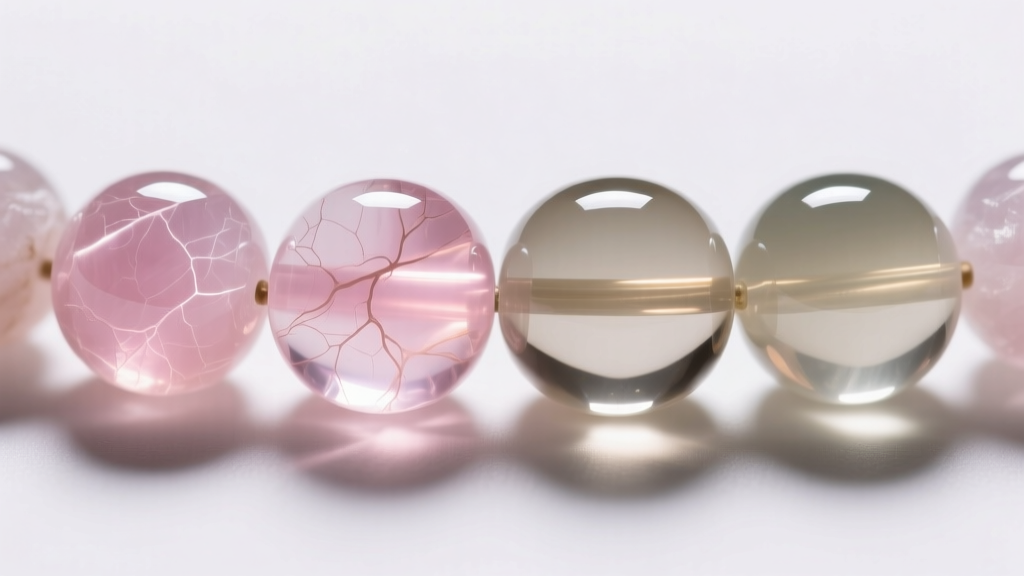
Spotting Fakes: Glass vs. Genuine Rose Quartz
Because rose quartz is relatively abundant, it is not frequently synthesized in a lab like emerald or sapphire. However, it is routinely faked using dyed glass or dyed howlite. According to mineralogical databases like Mindat.org, natural quartz has a Mohs hardness of 7, while glass sits around 5.5. While you shouldn't scratch a necklace you haven't purchased yet, there are non-destructive ways to verify authenticity.
The Temperature and Magnification Tests
Quartz is an excellent thermal conductor compared to glass. When you pick up a genuine chunky rose quartz necklace, the beads should feel distinctly cool to the touch and will take several seconds to warm up to your body temperature. Glass imitations will feel room-temperature or warm up almost instantly. Furthermore, examine the beads under a 10x jeweler's loupe. If you see tiny, perfectly round air bubbles trapped inside the 'stone,' you are looking at glass. Genuine rose quartz will show natural fractures, veiling, or mineral inclusions, but never spherical bubbles.
Care and Maintenance for Heavy Stone Jewelry
Despite its relative hardness, rose quartz is susceptible to fading if exposed to prolonged, direct ultraviolet sunlight. Store your chunky necklace in a dark, fabric-lined jewelry box rather than leaving it on a sunlit vanity. To clean the beads, avoid ultrasonic cleaners, which can exacerbate natural internal fractures and cause the chunky beads to crack along their veils. Instead, use a soft microfiber cloth and a mild, phosphate-free soap solution, drying the hardware immediately to prevent oxidation on silver or gold-filled clasps.
Final Thoughts on Your Investment
A chunky rose quartz necklace is more than just a passing trend; it is a tactile, grounding accessory that bridges the gap between raw natural beauty and refined personal style. By prioritizing translucent stone grades, demanding heavy-duty stringing materials, and opting for mechanically sound clasps like the toggle, you ensure that your statement piece will remain a staple in your wardrobe for decades to come.


