The Circle Necklace Meaning: Symbolism, Styles & How to Wear
Discover the circle necklace meaning, from eternity to unity. Learn how to choose materials, chain lengths, and style this timeless pendant.

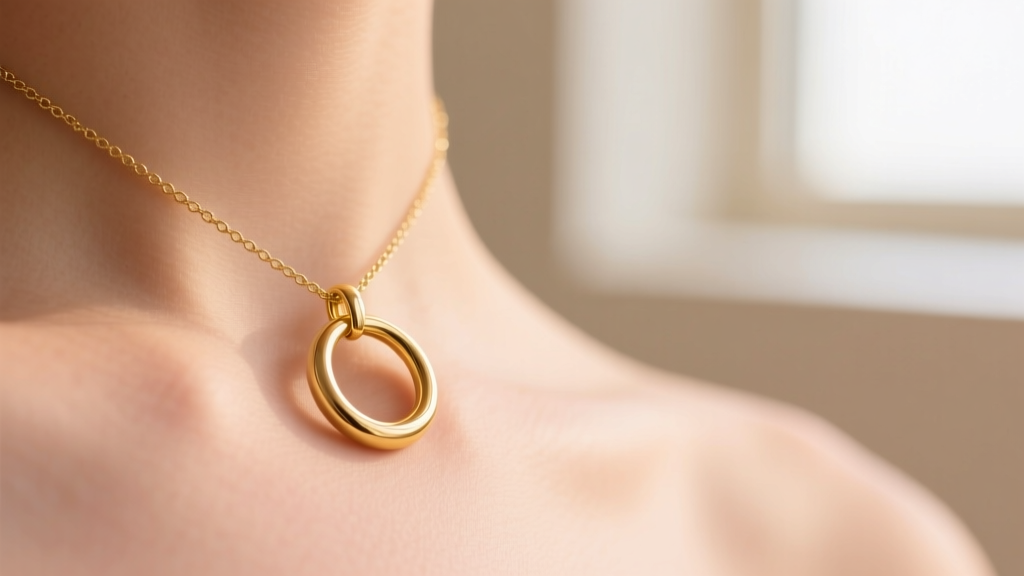
The Core Circle Necklace Meaning: Eternity and Unity
When exploring the vast world of symbolic jewelry, the circle necklace meaning stands out as one of the most universally profound. Geometrically, a circle has no beginning and no end. This continuous loop translates directly into its primary symbolism: eternity, wholeness, and infinite love. Unlike angular shapes that convey direction or aggression, the circle represents inclusion, unity, and protection. In modern jewelry design, the open circle pendant (often called a broken circle or infinity ring) adds a layer of contemporary minimalism, suggesting an ongoing journey or an unwritten future. Conversely, a closed, solid circle represents absolute completeness and unbreakable bonds. Whether you are purchasing a piece for yourself or selecting a meaningful gift, understanding these nuances elevates the pendant from a simple accessory to a deeply personal talisman.
Historical Roots: From Ancient Amulets to Modern Minimalism
The fascination with circular adornments is not a modern trend. According to The Metropolitan Museum of Art, ancient civilizations heavily utilized circular motifs in their jewelry to represent the sun, the moon, and the cyclical nature of life. In ancient Egypt, the Ouroboros—a serpent eating its own tail—was a powerful circular symbol of rebirth and the infinite universe. Similarly, Celtic jewelry is famous for its eternity knots, unbroken circles woven into complex designs meant to ward off negative energy and symbolize the interconnectedness of all living things. Today, the modern circle pendant strips away the ornate complexity of ancient amulets, favoring clean, geometric lines that align with contemporary minimalist aesthetics while retaining the ancient spiritual weight of the unbroken loop.
Metallurgy and Materials: Choosing the Right Alloy
The circle necklace meaning can be subtly shifted by the metal you choose. A platinum circle conveys enduring, heavy permanence, while a delicate 14k rose gold circle suggests romantic warmth. Understanding the metallurgical properties of your chosen metal is critical for longevity, especially since circle pendants are often worn daily and subjected to friction.
| Metal Grade | Purity | Hardness (Approx. Vickers) | Price Range (Pendant) | Best For |
|---|---|---|---|---|
| 925 Sterling Silver | 92.5% Silver | 60-70 HV | $30 - $85 | Budget-friendly everyday wear; requires anti-tarnish care. |
| 14k Yellow/White Gold | 58.5% Gold | 130-140 HV | $150 - $350 | Daily durability; excellent scratch resistance for active lifestyles. |
| 18k Yellow/Rose Gold | 75.0% Gold | 110-125 HV | $250 - $600 | Rich color saturation; ideal for special occasion gifting. |
| Platinum (950) | 95.0% Platinum | 110 HV (Displaces) | $500 - $1,200+ | Heirloom longevity; hypoallergenic; develops a soft patina over time. |
As noted by the Gemological Institute of America (GIA), 14k gold is often the superior choice for lightweight circle pendants because its alloy metals (like copper and zinc) provide structural rigidity that prevents the thin circular wires from bending out of shape. Platinum, while softer on the Vickers scale, does not lose metal when scratched; it merely displaces, making it the ultimate choice for a solid, heavy-circle pendant meant to last generations.
Chain Pairings and Bail Mechanics
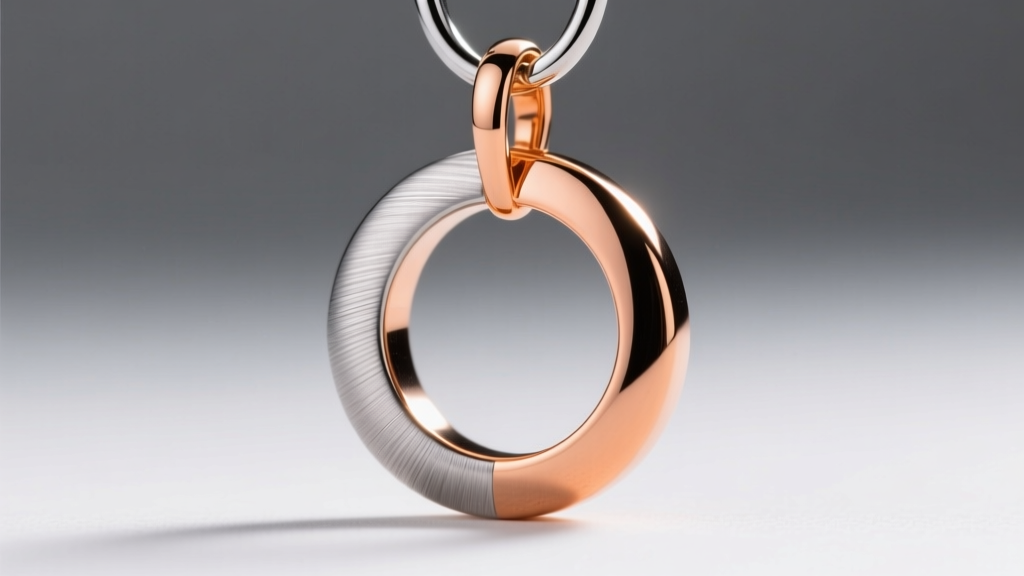
A common mistake beginners make is pairing a delicate circle pendant with an incompatible chain, leading to premature wear or aesthetic imbalance. The geometry of a circle demands a chain that complements its continuous curve without overpowering it.
Gauge and Tensile Strength
For standard circle pendants (weighing between 1.5 and 4 grams), a chain gauge between 1.0mm and 1.5mm is optimal. A 1.2mm Box Chain is highly recommended. Box chains are constructed from interlocking square links that distribute the pendant's weight evenly, offering high tensile strength and a faceted surface that catches the light, echoing the continuous loop of the circle. Avoid snake chains for heavy circles; their tightly wound tubular structure is prone to kinking if the pendant shifts abruptly.
Bail Proportions
The bail (the loop that connects the pendant to the chain) must be proportionate to the circle's diameter. A 15mm circle pendant typically features a 3mm x 5mm bail. If you are threading a chain with lobster-clasp end-caps through a hidden bail, ensure the clasp clearance is under 2.5mm, or opt for a chain with a removable jump ring. The GIA Platinum Guide often highlights that platinum bails require laser welding for secure attachment to thin platinum circles, a detail to verify when purchasing high-end pieces.
Diameter Sizing and Neckline Framework
The visual impact of a circle necklace is heavily dictated by its diameter and the chain length. Use this framework to select the right proportions for your wardrobe:
- 10mm - 12mm (Dainty): Best worn on an 18-inch chain. Sits near the sternum. Ideal for layering with longer lariat necklaces or wearing under unbuttoned collared shirts.
- 15mm - 18mm (Standard): The most versatile size. Pairs perfectly with a 16-inch chainer chain, resting on the collarbone. Complements V-necks and scoop necks by mirroring the neckline's curve.
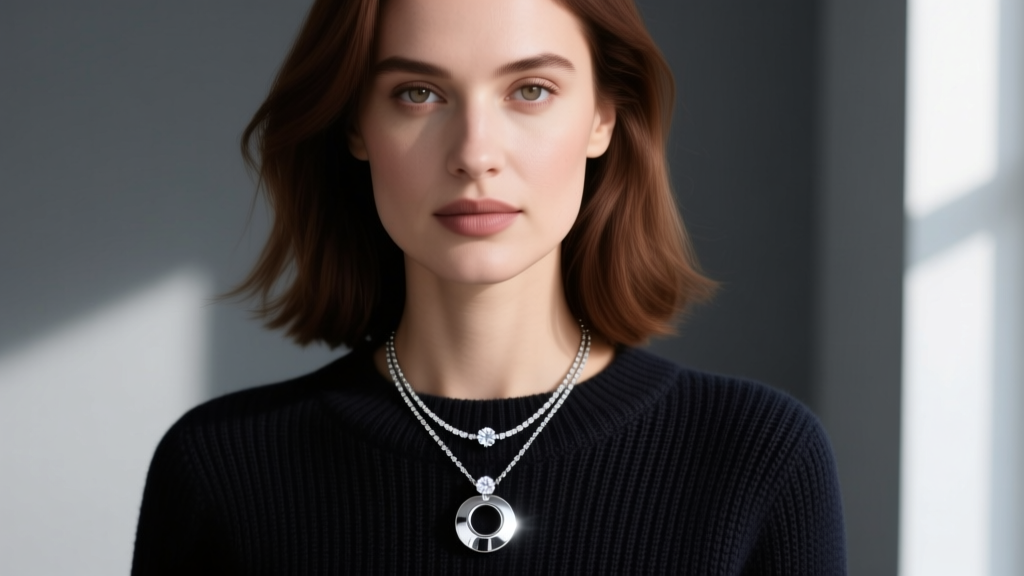
- 20mm - 25mm (Statement): Requires a thicker chain (1.5mm+). Best worn as a solitaire piece over crew-neck sweaters or minimalist turtlenecks where the circle acts as the focal point.
- 30mm+ (Architectural): Bold, artistic, and heavy. Often features an open-circle or asymmetrical design. Best paired with deep plunge necklines or worn over structured blazers.
Gifting Guide: Translating Meaning into Occasions
Because the circle necklace meaning revolves around unity and eternity, it is the quintessential gift for milestones that celebrate unbroken bonds. An interlocking double-circle pendant is a traditional gift for a 10th wedding anniversary, representing two lives seamlessly woven together. A single, solid gold circle is frequently gifted to new mothers, symbolizing the eternal, protective loop of maternal love. For graduations, an open-circle pendant represents the infinite possibilities and the continuous cycle of learning that lies ahead. When gifting, always include a card that explicitly references the symbolism of the unbroken loop to maximize the emotional resonance of the piece.
Expert Care and Maintenance Protocols
Maintaining the perfect geometry of a circle pendant requires specific care. Thin gold or silver circles can easily warp if slept on or snagged on heavy fabrics. Always store your circle pendant flat or hanging freely to prevent the chain from tangling and pulling the bail out of alignment.
Expert Tip: If your 925 sterling silver circle pendant features an oxidized (darkened) recessed texture to highlight the metalwork, never use ultrasonic cleaners or harsh silver dip solutions. These will strip the intentional oxidation. Instead, use a treated polishing cloth (like a Sunshine cloth) and gently buff only the raised, high-polish edges of the circle, preserving the contrast that gives the pendant its depth.
By understanding the deep historical roots, precise metallurgical properties, and styling mechanics behind the circle pendant, you can confidently select a piece that not only looks elegant but carries a profound, enduring meaning.


