Circle Necklace With Charms: 2026 Budget & Value Guide
Discover the true value of a circle necklace with charms in 2026. Compare materials, pricing tiers, and hardware to find budget-friendly options.

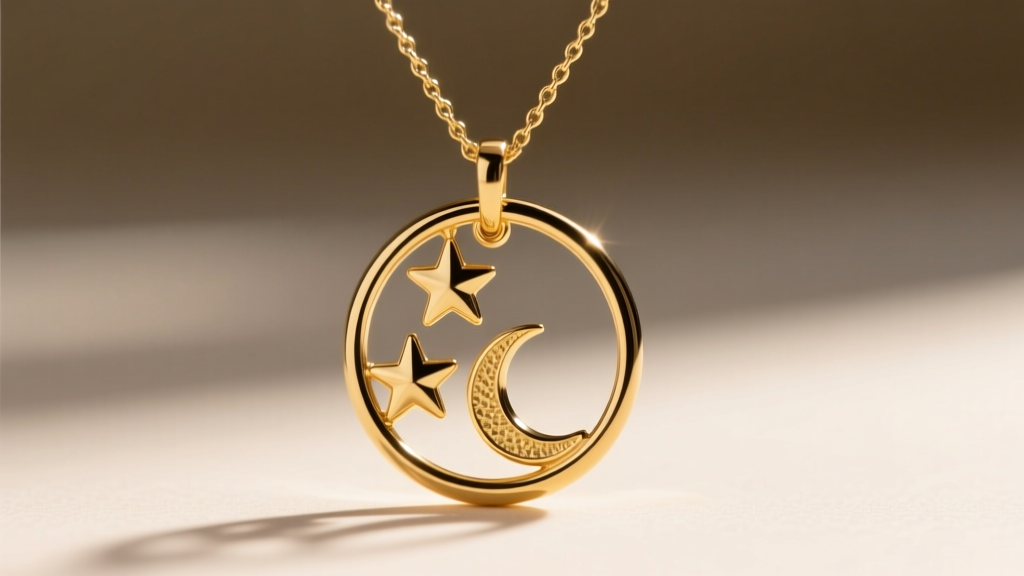
The True Cost of Sentimental Jewelry
The circle necklace with charms has remained a dominant force in personalized jewelry, symbolizing eternity, unity, and individual milestones. However, as we navigate the 2026 jewelry market, the disparity between perceived value and actual material worth has never been wider. Fast-fashion brands and direct-to-consumer startups frequently market delicate, charm-laden circle pendants at premium price points, masking inferior base metals and substandard electroplating techniques behind clever branding. For the savvy consumer, evaluating a circle necklace with charms requires looking past the aesthetic and directly into the metallurgy, structural engineering, and hardware mechanics.
When you attach multiple charms to a continuous circular frame, you introduce kinetic stress and weight distribution challenges that a standard solitaire pendant simply does not face. A necklace that looks beautiful on day one can easily warp, tarnish, or snap within months if the foundational elements are compromised. This comprehensive value assessment breaks down exactly what you should be paying for, the specific material grades that offer the highest cost-per-wear, and the hidden hardware flaws that lead to premature jewelry failure.
Material Tiers: Where Your Money Actually Goes
The most critical factor in determining the value of any gold-toned necklace is the relationship between the base metal and the outer gold layer. In 2026, the market is saturated with confusing terminology designed to obscure the actual gold content. According to the Federal Trade Commission (FTC) Jewelry Guides, there are strict legal definitions for gold plating, vermeil, and gold-filled materials, yet marketing teams routinely blur these lines.
| Material Grade | Base Metal | Gold Layer / Thickness | Expected Lifespan (Daily Wear) | 2026 Fair Market Value |
|---|---|---|---|---|
| Flash Gold Plated | Brass or Copper | Less than 0.5 microns | 3 to 6 months | $25 - $45 |
| Gold Vermeil | Sterling Silver (925) | Minimum 2.5 microns | 2 to 5 years | $75 - $140 |
| Gold-Filled | Jeweler's Brass | 5% of total weight (mechanically bonded) | 10 to 30 years | $90 - $180 |
| Solid 14k Gold | Gold Alloy (58.5% pure gold) | Solid throughout | Generations | $350 - $850+ |
If you are purchasing a circle necklace with charms for daily wear, gold vermeil and gold-filled represent the highest value propositions. Gold-filled wire, despite having a brass core, features a mechanically bonded layer of gold that is up to 100 times thicker than standard plating. It will not flake or rub off from the friction of dangling charms. Conversely, if a brand charges over $100 for a piece that is merely 'gold plated sterling silver' (without meeting the 2.5-micron vermeil threshold), you are overpaying for marketing, not materials.
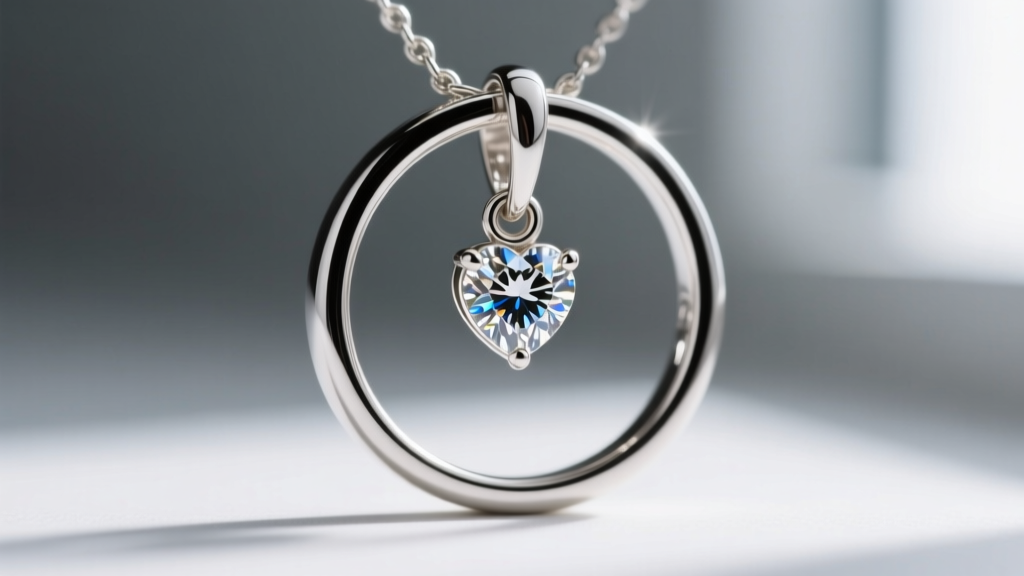
The Physics of the Circle Frame
One of the most overlooked aspects of value assessment is the wire gauge used to construct the circle pendant itself. A circle acts as a structural hoop. When you hang two or three charms from the bottom curve of the circle, gravity and the kinetic energy of your movement pull the hoop into an oval shape. Over time, this repeated stress causes metal fatigue, leading to a permanently warped pendant.
Wire Gauge Benchmarks for Circle Pendants
- 22-Gauge (0.64mm): Too fragile for charms. Suitable only for lightweight, fixed solitaire pendants. Avoid for charm necklaces.
- 20-Gauge (0.81mm): Acceptable for a single, lightweight charm (under 2 grams). Will warp if multiple charms are added.
- 18-Gauge (1.02mm): The minimum acceptable standard for a circle necklace with 2-3 small charms. Offers a good balance of delicate aesthetics and structural integrity.
- 16-Gauge (1.29mm): Ideal for heavy charm clusters or solid gemstone drops. Highly resistant to ovalization and bending.
When evaluating a piece, always check the product specifications for the pendant wire thickness. A brand that invests in 18-gauge or 16-gauge wire for their circle frames is prioritizing longevity and structural engineering, which justifies a higher price point.
Hardware and Failure Points
The connection points between the chain, the circle frame, and the individual charms are the most common failure points in jewelry. Understanding how these components are assembled is crucial for determining true value.
Jump Rings vs. Split Rings for Charms
If the charms on your circle necklace are meant to be interchangeable, the hardware used to attach them matters immensely. Standard unsoldered jump rings (a simple circle of wire with a slit) are notorious for pulling apart when snagged on clothing, resulting in lost charms. High-value necklaces will use split rings (which function like miniature keychains) or micro-lobster clasps for interchangeable elements. If the charms are permanently fixed to the circle frame, the jump rings must be soldered closed. A laser-soldered jump ring ensures the charm can never slip through the gap, a hallmark of quality manufacturing that budget brands often skip to save time and labor costs.
Furthermore, the clasp securing the necklace around your neck should be proportional to the weight of the charms. A delicate 1mm cable chain paired with a heavy, multi-charm circle pendant puts immense tensile stress on the spring ring clasp. Upgrading to a 1.2mm rolo chain with a sturdy lobster clasp drastically reduces the risk of the chain snapping under the dynamic weight of the charms.
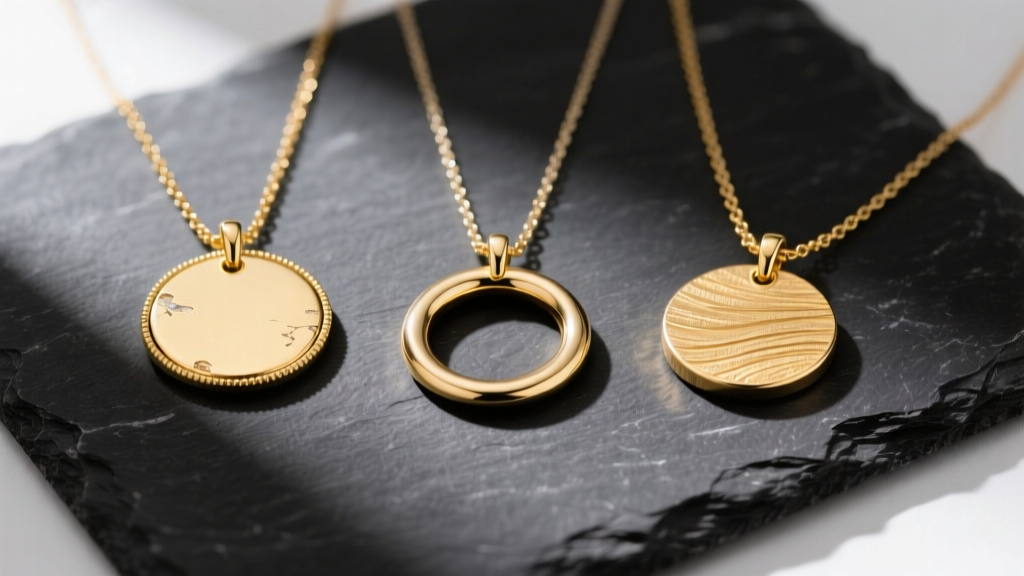
The Cost-Per-Wear Matrix
To truly assess the budget and value of a circle necklace with charms, we must abandon the sticker price and calculate the cost-per-wear (CPW). This metric reveals the actual financial efficiency of your jewelry investment.
The 2026 CPW Formula: Total Cost ÷ (Estimated Days Worn Per Year × Expected Years of Wearable Life) = Cost Per Wear.
Consider a $35 fast-fashion gold-plated brass circle necklace with charms. You wear it daily, but the friction from the charms and exposure to skin oils causes the plating to wear through to the brass base in 4 months (120 days). The CPW is $0.29 per wear, after which the piece is unwearable and discarded.
Now consider a $140 gold-filled circle necklace with 18-gauge wire and soldered charm rings. You wear it 300 days a year, and it easily lasts for 10 years without tarnishing or warping. The CPW drops to $0.04 per wear. The gold-filled piece, despite costing four times as much upfront, is mathematically seven times more valuable to the consumer. For heirloom-quality solid 14k gold, verified by the Gemological Institute of America (GIA) standards, the CPW approaches fractions of a penny over a lifetime of use, while also retaining intrinsic scrap value.
Final Verdict: Maximizing Your Investment
In 2026, the sweet spot for a circle necklace with charms lies in the $90 to $160 range, targeting high-quality gold vermeil or gold-filled pieces. To ensure you are getting genuine value, demand transparency from the retailer: verify the base metal is either sterling silver or jeweler's brass, confirm the gold layer meets vermeil or gold-filled standards, and inspect the hardware for soldered jump rings and an 18-gauge (or thicker) circle frame. By prioritizing structural integrity and material honesty over fleeting brand hype, you secure a sentimental piece that will endure the physical demands of daily wear while remaining economically sound.


