How to Clean and Maintain Your 14k White Gold Choker Necklace
Discover expert tips to clean, polish, and maintain your 14k white gold choker necklace. Prevent rhodium wear and keep your jewelry brilliant.

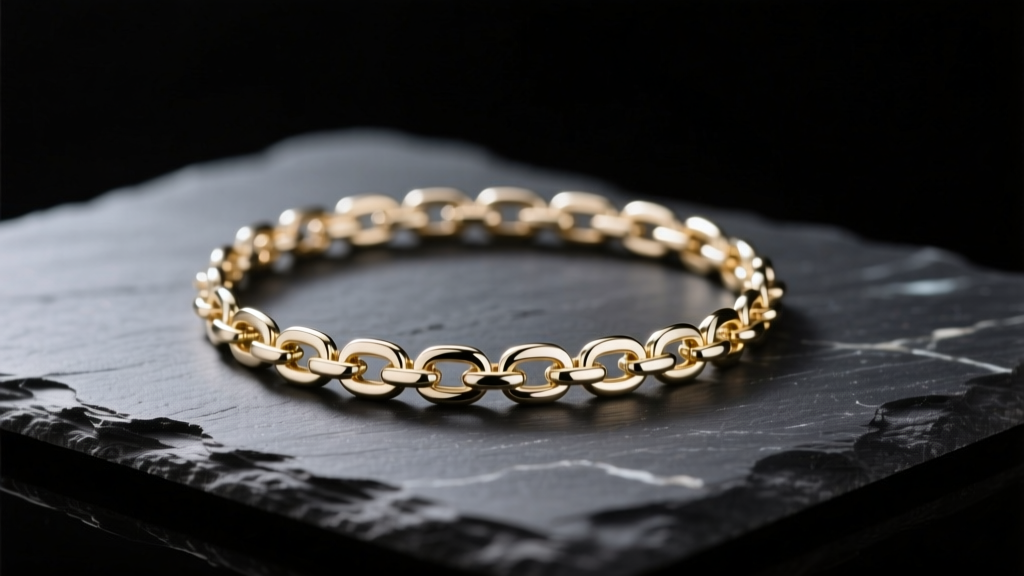
A 14k white gold choker necklace is a striking, versatile piece that sits prominently at the base of the neck. Because of its placement, it is constantly exposed to friction, perspiration, cosmetics, and environmental pollutants. While 14k gold is highly durable, the specific alloy composition and the rhodium plating used to achieve its brilliant white finish require a specialized maintenance routine. In this comprehensive guide, we break down the metallurgy of white gold, provide a step-by-step cleaning protocol, and explain how to manage rhodium degradation to keep your choker looking flawless for decades.
The Metallurgy of 14k White Gold
To properly care for your jewelry, you must first understand its composition. Pure 24k gold is naturally yellow and too soft for daily wear. To create 14k white gold, jewelers alloy 58.5% pure gold with 41.5% white metals—typically a mixture of nickel, palladium, silver, and zinc. This alloy mixture provides the necessary tensile strength for a choker chain, which must withstand the tension of being clasped tightly around the neck.
However, even with these white alloys, the underlying metal retains a faint yellowish or grayish tint. To achieve the mirror-like, silvery finish consumers expect, the jewelry is electroplated with a microscopic layer of rhodium, a precious metal in the platinum family. According to the Gemological Institute of America (GIA), rhodium not only provides the bright white color but also adds a layer of scratch resistance and protects wearers from potential nickel allergies. Understanding this dual-layer structure is critical, as aggressive cleaning can strip the rhodium and expose the alloy beneath.
Choker-Specific Wear and Tear
Unlike longer pendant necklaces that rest on the sternum, a choker (typically 14 to 16 inches in length) sits directly against the pulse points of the neck. This area is highly vascular and prone to sweating. The combination of body heat, sweat (which contains salts and mild acids), and skincare products creates a unique degradation environment.
- Cosmetic Buildup: Lotions, perfumes, and liquid foundations easily accumulate in the crevices of the chain links and the spring mechanism of the lobster clasp, leading to stiffness and a dull appearance.
- Friction Wear: The constant rubbing against the skin and clothing accelerates the wearing away of the rhodium plating, particularly on the back of the chain and the clasp.
- Stress Corrosion: Exposure to chlorine (from swimming pools or cleaning supplies) can cause stress corrosion cracking in karat gold alloys, potentially leading to catastrophic chain failure at the solder points.
Step-by-Step Cleaning Protocol
Routine cleaning should be performed every two to three weeks, depending on how often you wear the choker and your exposure to cosmetics. Avoid commercial jewelry dips, as they often contain harsh chemicals that can degrade the rhodium plating over time.
Materials Required
- Mild, phosphate-free dish soap (e.g., original blue Dawn)
- Lukewarm distilled water (tap water contains minerals that can leave micro-scratches or water spots)
- A brand-new, extra-soft baby toothbrush
- A lint-free microfiber or untreated jeweler's cloth
- A glass or ceramic bowl (never use metal bowls to prevent galvanic reactions)
The Cleaning Process
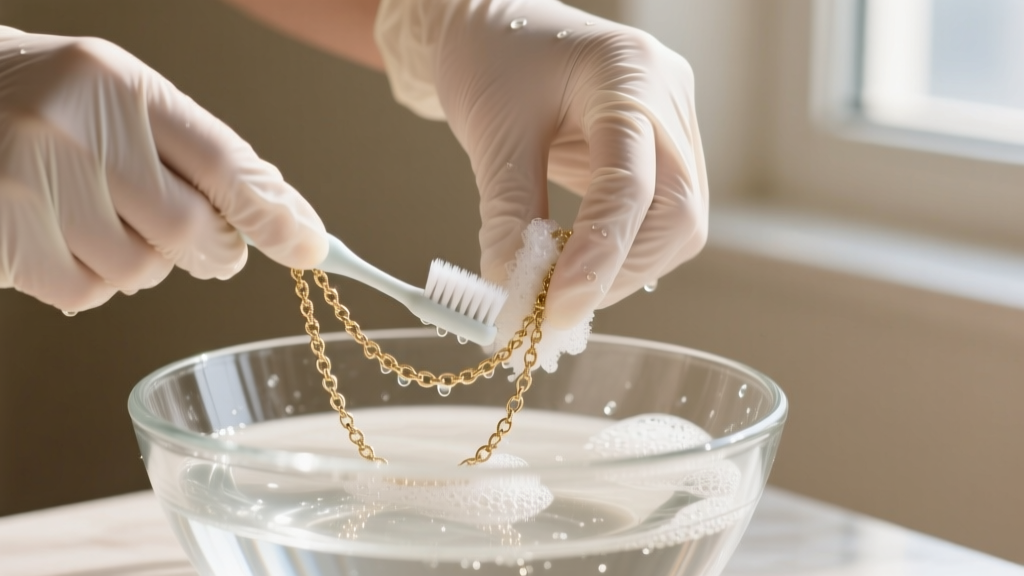
- Prepare the Solution: Mix three drops of mild dish soap into one cup of lukewarm distilled water. Avoid hot water, as extreme temperature shifts can stress the solder joints on the chain links.
- Soak: Submerge the 14k white gold choker necklace in the solution for exactly 5 to 7 minutes. This allows the surfactants to break down sebum and cosmetic oils trapped in the clasp and links.
- Agitate Gently: Using the baby toothbrush, gently brush the chain. Pay special attention to the lobster clasp and the jump rings. Use light, circular motions rather than harsh back-and-forth scrubbing, which can cause micro-abrasions on the rhodium.
- Rinse: Rinse the choker under a gentle stream of lukewarm distilled water. Ensure the drain is securely plugged or use a mesh strainer to prevent accidental loss.
- Dry and Polish: Pat the necklace dry with a lint-free cloth. Allow it to air dry completely on a towel for 15 minutes before storing to prevent moisture-induced tarnishing of the underlying alloy.
The Rhodium Factor: Maintenance and Replating
The most common maintenance issue with white gold is the eventual wear of the rhodium plating. When the plating thins, the choker will begin to look dull, and a faint yellow or gray hue will appear, especially on the edges of the links and the clasp. The Jewelers of America recommends professional replating when the underlying alloy becomes visible to maintain both the aesthetic and the hypoallergenic properties of the piece.
| Wear Indicator | Cause | Required Action | Estimated Cost (2026) |
|---|---|---|---|
| Faint yellowing on clasp | Normal friction from daily clasping | Continue wearing; monitor | N/A |
| Visible gray/yellow patches | Rhodium layer worn below 0.2 microns | Professional replating | $45 - $85 |
| Dull, lackluster finish | Surface scratches and oil buildup | Professional polishing & replating | $75 - $120 |
| Skin irritation or redness | Nickel alloy exposed due to plating loss | Immediate replating required | $45 - $85 |
Advanced Care: Ultrasonic Cleaners
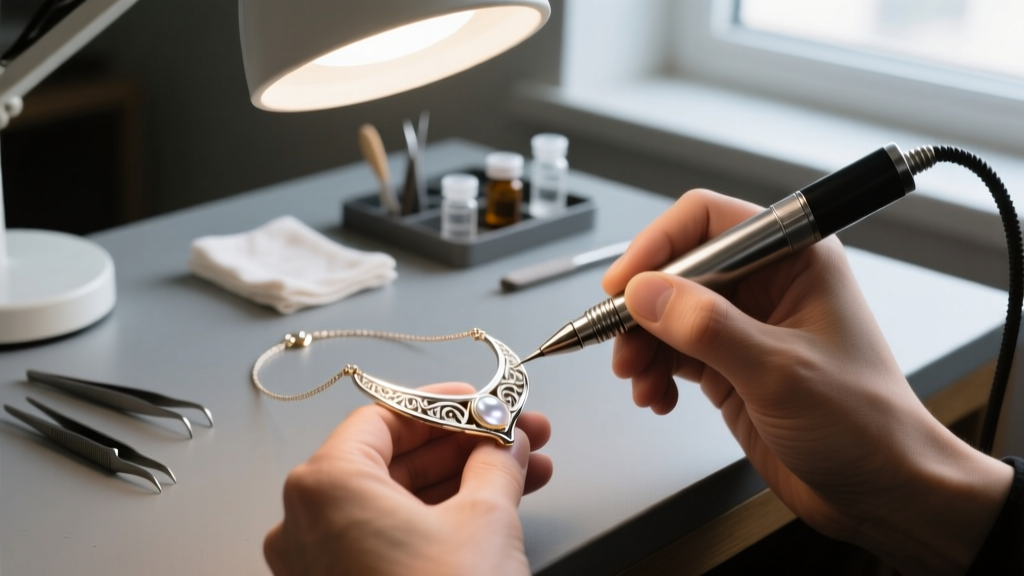
Many jewelry owners rely on at-home ultrasonic cleaners. While ultrasonic waves are excellent for dislodging dirt from intricate chain weaves (like box or wheat chains), they must be used with extreme caution on white gold. If your 14k white gold choker features any tension-set diamonds, fracture-filled gemstones, or delicate pearl accents, the high-frequency vibrations can shatter the stones or loosen the settings. Furthermore, prolonged exposure to ultrasonic heat and chemical baths can accelerate the peeling of poorly applied rhodium plating. For a plain metal choker, a 3-minute cycle in a plain water ultrasonic bath is safe, but always follow up with a manual soap wash to remove suspended oils.
Storage and Prevention Strategies
How you store your choker when it is not on your neck is just as important as how you clean it. White gold should never be tossed loosely into a jewelry box where it can become tangled with harder gemstones like sapphires or diamonds, which rank higher on the Mohs hardness scale and can easily scratch the rhodium finish.
- Individual Pouches: Store the choker in a soft, anti-tarnish flannel pouch. This prevents friction against other pieces and limits exposure to ambient humidity.
- Silica Gel Packs: Place a small, jewelry-safe silica gel desiccant packet in your storage area to control moisture, which can degrade the alloy over time.
- The 'Last On, First Off' Rule: Always put your choker on after applying makeup, perfume, and hairspray. Remove it immediately upon returning home, before showering or doing household chores, to eliminate exposure to chlorine and harsh detergents.
When to Seek Professional Jewelry Repair
While cleaning and polishing can be done at home, structural maintenance requires a professional. If you notice that the lobster clasp no longer 'snaps' shut with a firm, audible click, the internal spring mechanism is likely compromised by lotion buildup or metal fatigue. Do not attempt to oil the clasp yourself, as household oils will attract more dirt. A jeweler can safely disassemble, clean, and replace the clasp spring or the entire jump ring assembly, ensuring your 14k white gold choker necklace remains secure and brilliant for a lifetime of wear.


