The Complete Care & Cleaning Guide for BG3 Necklaces
Learn how to properly clean, maintain, and store your BG3 necklaces. Expert tips for enamel, brass, silver, and leather cord Baldur's Gate 3 jewelry.
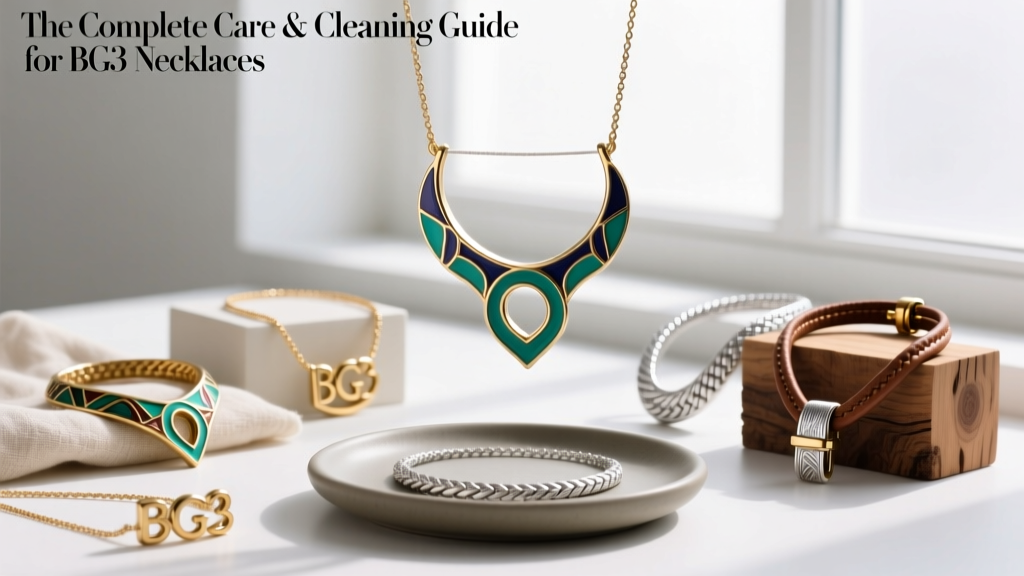
Baldur’s Gate 3 redefined the modern RPG landscape, and its cultural impact extends far beyond the screen. As we move through 2026, the secondary market for rare collector's edition merchandise and limited-run artisan jewelry continues to grow. Whether you are wearing an official Larian Studios Karlach Infernal Engine pendant, a fan-made sterling silver Astarion amulet, or a rugged leather-corded Druid Grove talisman, these pieces require specific maintenance to survive daily wear. Improper cleaning can strip antique finishes, crack resin inlays, and degrade organic cords. This comprehensive guide provides material-specific protocols to keep your Faerûn-inspired collection in pristine condition.
Understanding Your BG3 Necklace Materials
Before applying any cleaning agent, you must identify the exact metallurgy and construction of your necklace. Official merchandise and artisan replicas utilize vastly different manufacturing techniques.
- Official Larian Merchandise: Typically cast from zinc alloy or base brass, featuring electroplated antique finishes, cold enamel fills, and waxed cotton or stainless steel chains.
- Artisan Replicas (Etsy/Indie): Often crafted via lost-wax casting in 925 sterling silver, raw bronze, or solid brass, occasionally incorporating resin, glass, or semi-precious stones.
| Material | Common BG3 Piece | Tarnish Risk | Primary Vulnerability |
|---|---|---|---|
| Zinc Alloy (Plated) | Shadowheart's Shar Amulet (Official) | Low (unless plated) | Harsh chemicals strip plating |
| Raw Brass/Bronze | Gale's Weave Amulet (Replica) | High | Water spots, skin acidity |
| 925 Sterling Silver | Astarion Ascendant Pendant | Medium | Sulfur exposure, scratching |
| Leather/Waxed Cord | Barbarian/Druidic Talismans | N/A | Sweat degradation, snapping |
Step-by-Step Cleaning Protocols by Amulet Type
According to the Gemological Institute of America (GIA), matching the cleaning solvent to the metal's Mohs hardness and chemical reactivity is the most critical step in jewelry conservation. Here is how to tackle the most common BG3 necklace builds.
Zinc Alloy and Enamel (Official Merch)
Never use ultrasonic cleaners, silver dip, or ammonia-based solutions on official plated merchandise. These chemicals will instantly strip the antiquing agents that give the pendants their depth and shadow. Instead, use a lukewarm bath of distilled water and a single drop of pH-neutral dish soap (like Dawn). Submerge the pendant for no more than three minutes. Use a baby-soft toothbrush to gently agitate dirt from the crevices of the Infernal Engine or Shar symbols. Rinse with distilled water—never tap water, as chlorine can react with the base alloy—and pat dry immediately with a lint-free microfiber cloth.
Raw Brass and Bronze (Artisan Replicas)
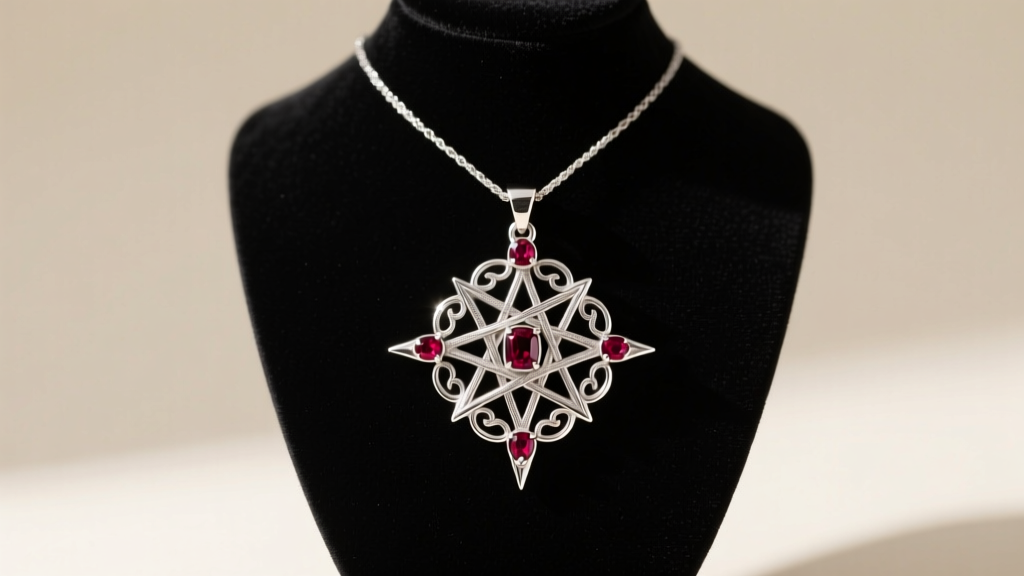
Raw brass and bronze develop a natural patina when exposed to the oils and acidity in human skin. While some collectors love this weathered, 'ancient artifact' look, others prefer a bright shine. To remove heavy oxidation from brass replicas, apply a small amount of Wright’s Brass Polish using a cotton swab, avoiding any resin or enamel inlays. Buff gently, then rinse thoroughly. If your bronze piece has a deliberate liver-of-sulfur patina applied by the jeweler to highlight the filigree, avoid chemical polishes entirely; simply use a dry Sunshine polishing cloth on the high-relief areas to create contrast.
925 Sterling Silver (Premium Fan-Made)
Sterling silver tarnishes when exposed to hydrogen sulfide in the atmosphere. For light tarnish, a treated jeweler's cloth is all you need. For severe blackening, the Rio Grande Jewelry Care Guide recommends an electrochemical bath. Line a glass bowl with aluminum foil (shiny side up), place the silver necklace inside, and add a tablespoon of baking soda. Pour boiling water over the piece. The sulfur will transfer from the silver to the aluminum foil in seconds. Warning: Do not use this method if your silver pendant features glued-in gemstones or oxidized black detailing, as the heat and chemical reaction will loosen cyanoacrylate adhesives and strip intentional antiquing.
Leather and Waxed Cord Maintenance
Many BG3 necklaces, particularly those inspired by the Druid Grove or Karlach’s rugged aesthetic, hang on thick leather or waxed cotton cords. These organic materials are highly susceptible to degradation from sebum, sweat, and UV exposure.
'A leather cord that absorbs daily sweat will become brittle and snap within 12 to 18 months. Always remove leather-bound amulets before exercising or showering.' — Master Jeweler's Bench Manual
To clean a waxed cotton cord, simply wipe it down with a slightly damp cloth and let it air dry. For genuine leather cords, avoid neatsfoot oil or heavy conditioners near the clasp, as oils degrade the glue holding the metal end-caps. Instead, use a specialized leather wipe or a barely damp cloth to remove surface salts, followed by a microscopic application of Lexol leather conditioner to the center of the cord to maintain flexibility.
The Science of Tarnish Prevention
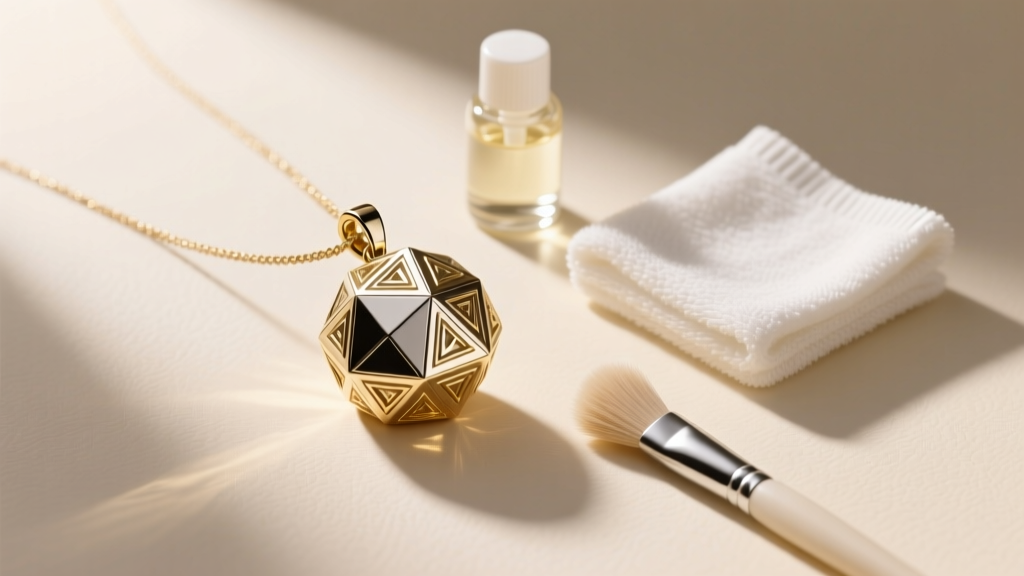
Preventing tarnish is vastly superior to removing it. The primary culprit for brass and silver degradation is atmospheric sulfur and high humidity. If you live in a coastal or highly humid environment, your BG3 necklaces will oxidize rapidly if left exposed on a dresser.
To combat this, invest in 3M Anti-Tarnish Strips. These small, chemically treated paper strips absorb airborne sulfides and chlorides before they can reach your metal. Place one strip inside your jewelry box or storage bag, and replace it every six months. Additionally, always put your jewelry on after applying perfumes, lotions, and hairspray, as the alcohols and aerosolized chemicals in cosmetics can cause irreversible clouding on resin and enamel inlays.
Proper Storage Solutions for Your Faerûn Collection
How you store your collection when you aren't rolling for initiative is just as important as how you clean it. Stacking multiple metal pendants in a single drawer guarantees micro-scratches, especially when harder metals like stainless steel chains rub against softer zinc alloys or pure silver.
- Individual Polybags: Store each necklace in its own airtight, PVC-free polyethylene bag. Squeeze out excess air before sealing to limit oxygen exposure.
- Silica Gel Packets: Drop a small silica gel desiccant packet into each bag to control localized humidity. This is crucial for preventing the rusting of steel chain links and jump rings.
- Compartmentalized Boxes: If you prefer a display box, ensure each compartment is lined with anti-tarnish Pacific cloth. Hang chain necklaces on small hooks to prevent the dreaded 'chain tangle,' which can permanently kink delicate snake chains or warp waxed cords.
By understanding the specific material composition of your Baldur's Gate 3 jewelry and adhering to these targeted maintenance protocols, you ensure that your favorite amulets and pendants remain as legendary as the adventures that inspired them. Whether you are walking the streets of Baldur's Gate or simply commuting to work, your collection will retain its magic for years to come.