Back Necklace Gold Care: Cleaning & Maintenance Guide
Learn expert cleaning and maintenance tips for your back necklace gold chains. Discover how to remove oils, prevent tangles, and protect clasps.


The Unique Vulnerabilities of Back Necklace Gold Chains
Whether you are styling a dramatic lariat backdrop piece or simply managing the rear clasp of an everyday pendant, the back of your jewelry faces a unique micro-environment. The skin on your upper back and nape produces sebum, while hair products like aerosols, dry shampoos, and leave-in conditioners create a sticky residue that attracts dust and dead skin cells. When you wear a back necklace gold chain, these elements combine to form a stubborn, abrasive film that dulls the metal and degrades the mechanical components of your clasps.
Furthermore, gold chains designed to drape down the spine or sit at the nape are typically delicate, ranging from 0.8mm to 1.2mm in thickness (approximately 20 to 18 gauge). While 14k gold (58.5% pure gold alloyed with copper, silver, and zinc) offers excellent tensile strength for these fine gauges, 18k gold (75% pure gold) is significantly softer. According to the Gemological Institute of America (GIA), higher-karat gold is more prone to micro-scratches and stretching when subjected to the continuous friction of hair and clothing collars. Understanding these material realities is the first step in preserving your jewelry's structural integrity and brilliance.
Step-by-Step Cleaning Routine for Gold Chains and Clasps
Routine cleaning is essential, but aggressive scrubbing can permanently damage fine link chains. Avoid toothpaste, baking soda, or any abrasive pastes; these contain silica or calcium carbonate particles that will scratch the alloy metals in your 14k or 18k gold. Instead, rely on a gentle, surfactant-based approach.
The Safe Soak and Agitate Method
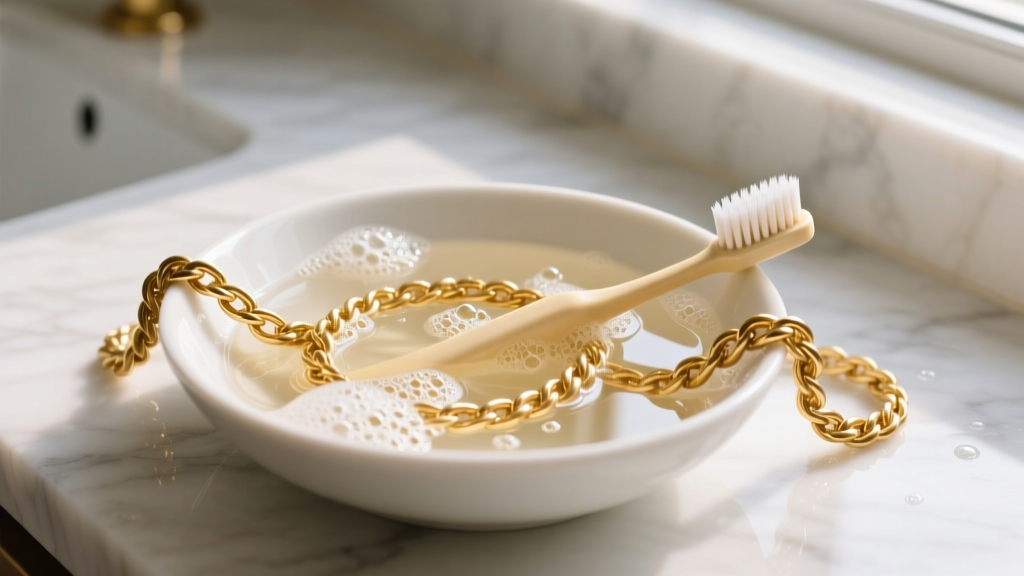
- Prep the Solution: Fill a small glass bowl with lukewarm water (never hot, as extreme heat can weaken solder points). Add three drops of a pH-neutral, phosphate-free dish soap, such as Dawn Platinum.
- Soak: Submerge your back necklace gold chain for exactly 15 to 20 minutes. This allows the surfactants to break down the sebum and hair product buildup without requiring mechanical force.
- Agitate: Use an extra-soft baby toothbrush. Gently brush the chain, paying special attention to the clasp hinge and the jump rings. These areas trap the most debris and are the primary failure points for chain breakage.
- Rinse and Dry: Rinse thoroughly under a gentle stream of lukewarm water. Pat dry with a lint-free microfiber cloth. Never use paper towels or tissues, as their wood-pulp fibers can leave micro-scratches on high-polish gold.
Ultrasonic Cleaners: Are They Safe for Your Gold?
Ultrasonic cleaners use high-frequency sound waves to create microscopic cavitation bubbles that blast debris from hard-to-reach crevices. While highly effective for diamond solitaires, they require caution when used on delicate gold chains. The intense vibrations can cause weak links to snap or loosen the solder on spring-ring clasps.
| Gold Karat & Chain Type | Ultrasonic Safety | Specific Risks & Warnings |
|---|---|---|
| 14k Gold (Rope or Box Chain) | Generally Safe | Safe for plain metal. Avoid if the clasp contains a steel spring (can rust). |
| 18k Gold (Cable or Curb Chain) | Use Caution | Softer metal may stretch under prolonged cavitation. Limit cycles to 2 minutes. |
| Gold with Gemstone Pendants | High Risk | Vibrations can shatter emeralds, opals, and loosen pave-set diamond prongs. |
| Hollow Gold Chains | Never Use | Cavitation can easily crush or dent hollow electroformed gold links. |
For routine maintenance of a plain gold back necklace, the manual soak method remains the gold standard. Reserve ultrasonic cleaning for heavy, solid-link chains, and always consult a professional if your piece features delicate gemstone settings. The Jewelers of America strongly advises against using ultrasonics on any jewelry with fractured stones or porous gems like pearls and turquoise.
Preventing Tangles and Clasp Damage in Hair
The most common complaint regarding back necklaces is hair snagging. The cuticles of human hair act like microscopic hooks that catch on the tiny gaps in rope, box, and figaro chains. This not only causes painful hair pulling but also bends the fine gold links out of shape, leading to permanent kinks.
Mechanical Solutions for Snagging
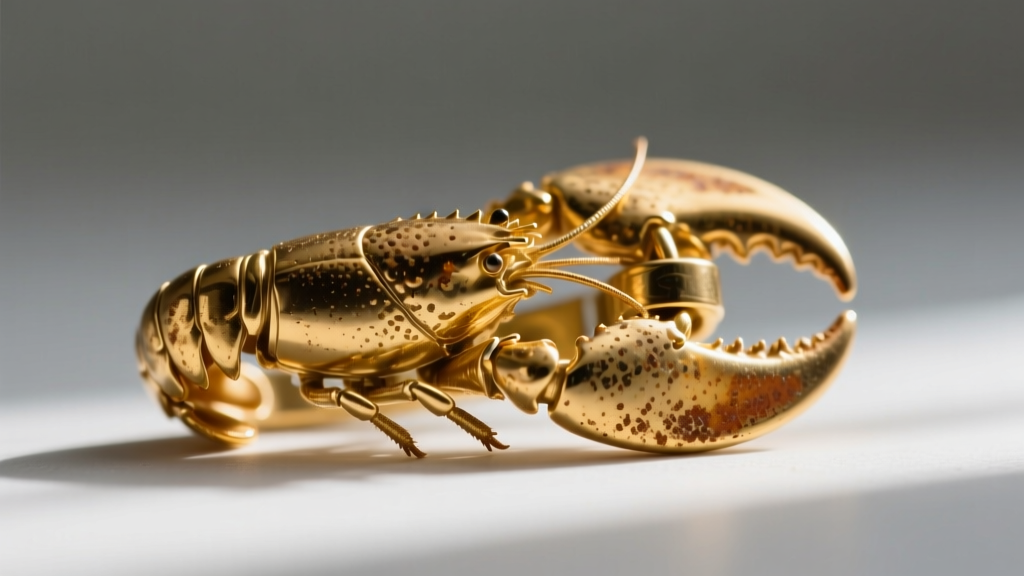
To protect both your hair and your jewelry, consider using a silicone clasp protector. These tiny, flexible sleeves slide over the lobster claw or spring-ring clasp, creating a smooth barrier that prevents hair from entering the clasp mechanism. They cost between $5 and $12 for a multi-pack and drastically extend the life of your clasp's internal spring.
Additionally, be mindful of your chain's gauge. If you frequently wear your hair down, opt for a smooth, snag-free chain style like a herringbone or omega chain. However, note that while herringbone chains are beautiful and lie flat against the back, they are notoriously prone to permanent kinking if bent or slept in. Always remove herringbone back necklaces before resting.
The Hidden Danger: Chlorine and Stress Corrosion Cracking
One of the most devastating threats to gold jewelry is chlorine. Whether from swimming pools, hot tubs, or harsh household bleach, chlorine reacts violently with the alloy metals (copper, silver, zinc) mixed into 14k and 18k gold. This chemical reaction causes stress corrosion cracking, a phenomenon where the metal becomes brittle and spontaneously fractures at its weakest points—usually the solder joints on the clasp or jump rings.
If you wear a back necklace gold piece to the beach or pool, the combination of saltwater, chlorine, and UV exposure will rapidly degrade the alloy's structural integrity. Always remove your gold chains before swimming or cleaning with bleach-based products. If your gold has been exposed to chlorine, rinse it immediately with fresh water and mild soap to halt the chemical reaction.
When to Seek Professional Jeweler Services
While home maintenance keeps your gold shining, certain issues require professional intervention. If your lobster clasp feels stiff, or if the lever on your spring-ring clasp no longer snaps back flush, the internal mechanism is failing. A professional jeweler can replace a standard 14k gold lobster clasp for approximately $45 to $85, while heavier 18k gold clasps may range from $90 to $150 depending on the weight and craftsmanship.
Furthermore, if your delicate back chain has developed a kink or a stretched link, do not attempt to pull it apart with needles or tweezers. Jewelers use specialized microscopic pliers and laser welders to repair fine gauge chains without applying heat to the surrounding links, ensuring your back necklace remains structurally sound and visually flawless for years to come. For definitive standards on gold purity and alloy compositions, refer to the Federal Trade Commission (FTC) Jewelry Guides, which outline the legal requirements for gold karat markings and consumer protections.


