How to Clean and Maintain Your Beer Koozie Necklace
Learn expert care, cleaning, and storage tips for your beer koozie necklace. Remove odors, protect neoprene, and prevent metal tarnish easily.

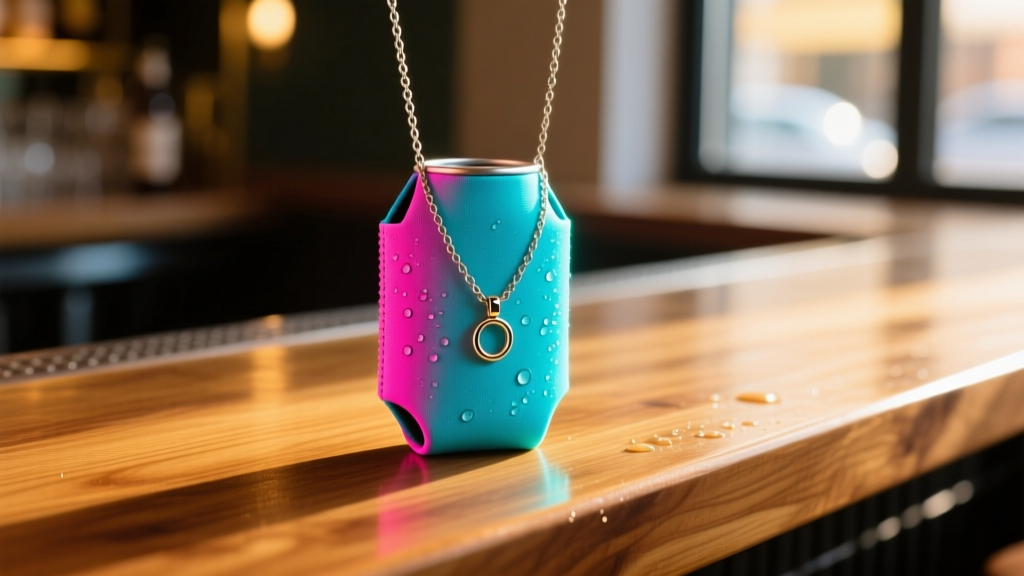
The Anatomy of a Beer Koozie Necklace
The beer koozie necklace has evolved from a niche tailgating novelty into a staple of festival fashion and summer streetwear. Whether you are sporting a miniature functional koozie pendant, an upcycled neoprene statement piece, or a 3D-printed foam replica, these accessories face a unique gauntlet of environmental stressors. Unlike traditional fine jewelry, a beer koozie necklace is routinely exposed to spilled beverages, acidic sweat, aerosolized sunscreen, and intense UV radiation. To maintain the structural integrity and aesthetic appeal of your piece, you must understand the specific material science behind its construction.
Most high-quality koozie pendants are crafted from 3mm to 5mm chloroprene rubber (commonly known as neoprene) or closed-cell EVA foam. The hardware typically consists of a cable chain or ball chain connected via jump rings. While premium brands utilize 304 stainless steel or titanium, many mass-produced novelty necklaces rely on Zamak (a zinc alloy) with a thin brass or nickel flash plating. This material mismatch is the primary culprit behind premature degradation, skin discoloration, and structural failure. According to the Gemological Institute of America (GIA), understanding the chemical reactivity of your jewelry's base metals is the first step in establishing a proper maintenance routine.
Step-by-Step Cleaning Protocol for Neoprene and Foam
Cleaning a beer koozie necklace requires a delicate balance. You must remove sticky sugars, yeast, and sebum without compromising the plasticizers that keep the neoprene flexible. Hot water and harsh detergents are the enemies of chloroprene rubber, as they can melt the adhesive bonding the fabric liner to the foam core and cause irreversible delamination.
1. The Dry Extraction Phase
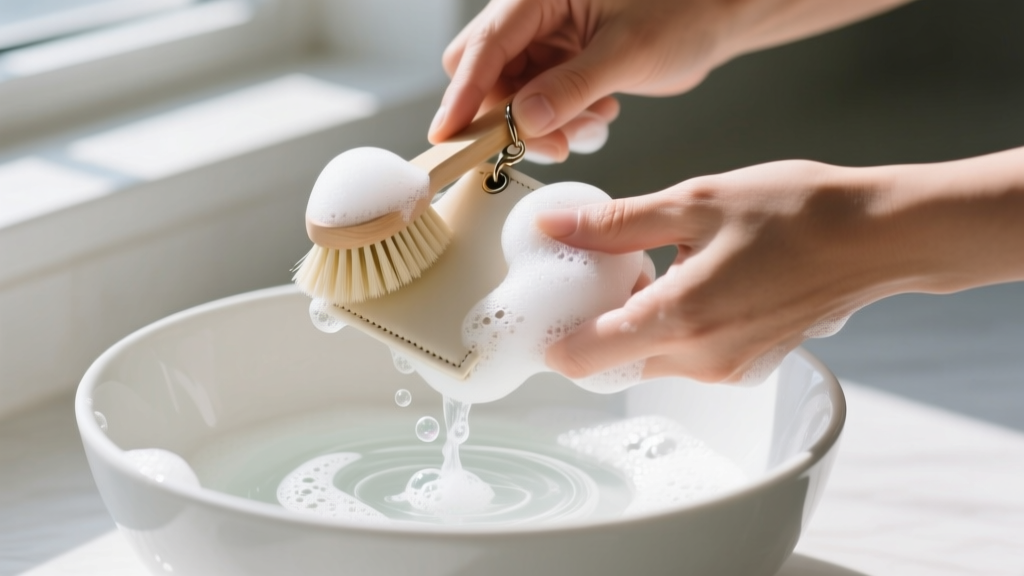
Before introducing any moisture, perform a dry extraction. Use a soft-bristled detailing brush or a clean, dry microfiber cloth to agitate the surface of the koozie pendant. This removes dried particulate matter, sand, and crystallized salt from sweat or seawater. Pay special attention to the seams and the interior cavity of the miniature koozie, where debris tends to accumulate. If your pendant features a fabric outer layer, a lint roller can effectively lift embedded dust and pet hair without pulling the fibers.
2. The Lukewarm Surfactant Soak
For liquid spills—particularly beer, soda, or cocktail mixers—a simple wipe-down is insufficient. Sugary residues will ferment in the porous structure of EVA foam, leading to persistent odors and bacterial growth. Fill a basin with lukewarm water (strictly under 85°F or 29°C) and add a few drops of a mild, non-ionic surfactant like Dawn Ultra dish soap. Submerge the pendant for 10 to 15 minutes. Gently massage the material with your fingers to work the suds into the pores. Rinse thoroughly under cool running water until the water runs completely clear. Never wring or twist the neoprene, as this can snap the internal foam matrix. Instead, press it between two dry towels to absorb excess moisture and lay it flat to air dry.
Hardware Maintenance: Preventing Corrosion and Tarnish
The metal components of your beer koozie necklace require a completely different approach. When zinc alloy hardware is exposed to the acidic pH of human sweat (which ranges from 4.5 to 7.0) and the chlorides in spilled beer, it undergoes micro-galvanic corrosion. This reaction breaks down the thin protective plating, exposing the raw zinc and resulting in the notorious green or black smudges on your skin.
To clean the chain and jump rings, detach the pendant if possible. Dip a cotton swab in 70% isopropyl alcohol and meticulously swab each link, focusing on the crevices where skin oils accumulate. For heavier tarnish on solid brass or stainless steel chains, create a paste of baking soda and water, apply it with a soft toothbrush, and rinse immediately. Outdoor gear experts strongly advise against using alcohol or solvent-based cleaners directly on the neoprene or foam sections, as these chemicals strip the material of its natural oils, leading to premature drying, stiffening, and ozone cracking.
Pro-Tip: If your necklace features flimsy 22-gauge base metal jump rings, consider upgrading them. Visit a local jeweler or use jewelry pliers to replace the connecting rings with 18-gauge or 20-gauge 304 stainless steel or grade 2 titanium jump rings. This minor modification drastically reduces the risk of metal fatigue and allergic contact dermatitis.
Odor Elimination: Tackling Yeast, Sweat, and Sunscreen
Beer koozie necklaces are magnets for odors. The combination of stale beer yeast, body odor, and chemical sunscreens (specifically those containing avobenzone) can create a deeply entrenched stench that survives standard soap washes. Sunscreen chemicals can also break down the synthetic rubber compounds in neoprene over time.
To neutralize these odors at the molecular level, utilize an enzymatic cleaner designed for synthetic fabrics, such as Gear Aid MiraZyme. These cleaners use specialized enzymes to digest the organic bacteria and yeast responsible for the smell. Alternatively, for a household remedy, submerge the pendant in a solution of one part white vinegar to four parts cool water for 20 minutes. The acetic acid in the vinegar effectively neutralizes alkaline odor compounds and breaks down sunscreen residue. Rinse thoroughly and air dry in a well-ventilated area, avoiding direct sunlight.
Material-Specific Cleaning Matrix
Use the following reference table to ensure you are applying the correct cleaning agents to the specific materials comprising your beer koozie necklace. Mixing incompatible chemicals can lead to permanent damage.
| Material Component | Recommended Cleaner | Strictly Avoid | Primary Failure Mode |
|---|---|---|---|
| Neoprene / Chloroprene | Mild dish soap, Enzymatic odor removers | Hot water, Bleach, Isopropyl alcohol | Delamination, UV embrittlement |
| EVA Foam | Diluted white vinegar, Gentle surfactants | Acetone, Essential oils, High heat | Pore collapse, Chemical melting |
| 304 Stainless Steel | Isopropyl alcohol, Baking soda paste | Chlorine bleach, Hydrochloric acid | Pitting corrosion (rare) |
| Zinc Alloy (Zamak) | Dry microfiber, Mild soapy water (quick rinse) | Prolonged water exposure, Acidic solutions | Micro-galvanic corrosion, Plating loss |
Proper Storage to Prevent UV and Ozone Degradation
How you store your beer koozie necklace between wears is just as critical as how you clean it. Chloroprene rubber is highly susceptible to UV degradation and ozone cracking. Leaving your necklace on a car dashboard or hanging in a sunlit window will cause the polymer chains to break down, resulting in a chalky, brittle surface that eventually flakes and tears.
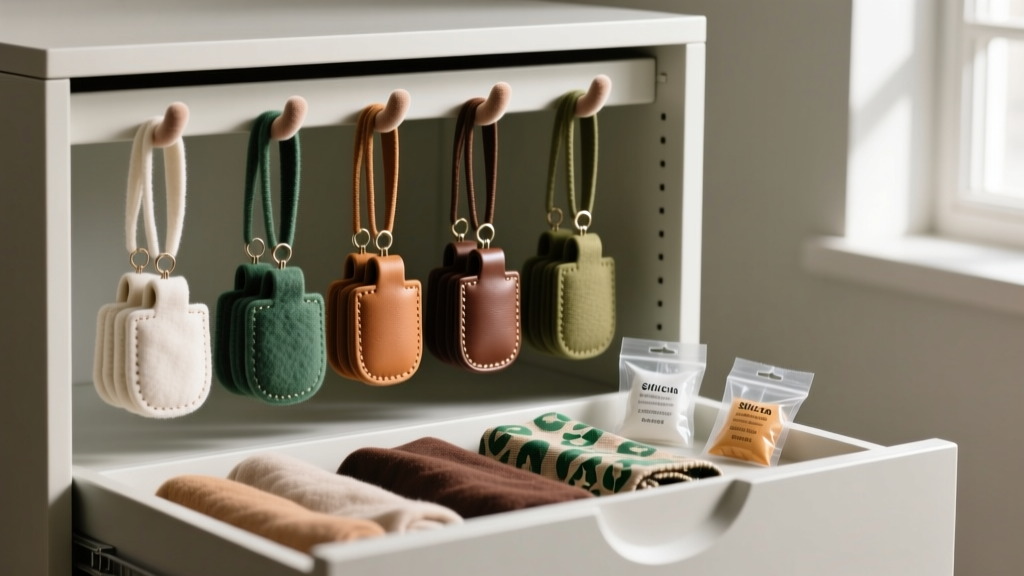
Store your necklaces flat or hanging in a cool, dark, and dry environment. A dedicated jewelry drawer or an opaque storage box is ideal. To control ambient humidity and prevent mold growth within the foam core, place a few silica gel desiccant packets in the storage container. Ensure the metal chain is unclasped and laid out straight to prevent kinking, which can weaken the individual links over time. If the necklace features a functional miniature koozie that holds actual beverages, ensure it is 100% bone-dry before storing it in an enclosed space to prevent mildew.
Troubleshooting Common Failure Modes
Even with meticulous care, novelty jewelry can experience wear and tear. Here is how to troubleshoot the most common issues associated with beer koozie necklaces:
- Stiff or Crunchy Neoprene: This indicates plasticizer loss, often caused by exposure to heat or harsh solvents. While you cannot reverse the chemical breakdown, you can temporarily restore flexibility by gently massaging a tiny amount of food-grade mineral oil into the fabric liner. Wipe away any excess to avoid staining your clothing.
- Green Skin Discoloration: This is a harmless but annoying reaction between your skin's acids and the copper/zinc in the chain. Coat the inside of the chain links and the back of the pendant with a thin layer of clear nail polish or a specialized jewelry shield spray to create a physical barrier.
- Separated Fabric Liner: If the inner fabric of the koozie pendant begins to peel away from the foam, do not use standard super glue (cyanoacrylate), as it cures hard and brittle. Instead, apply a flexible fabric adhesive or a neoprene-specific wetsuit cement, clamping it lightly until fully cured.
By treating your beer koozie necklace with the same respect and technical care as high-end outdoor gear or fine jewelry, you ensure it remains a vibrant, odor-free, and structurally sound centerpiece of your summer wardrobe for years to come.


