How to Clean a Birthstone Necklace for Mom 2 Stones Safely
Learn expert cleaning and maintenance tips for a birthstone necklace for mom 2 stones. Protect mixed gems, prongs, and chains with our safe care guide.

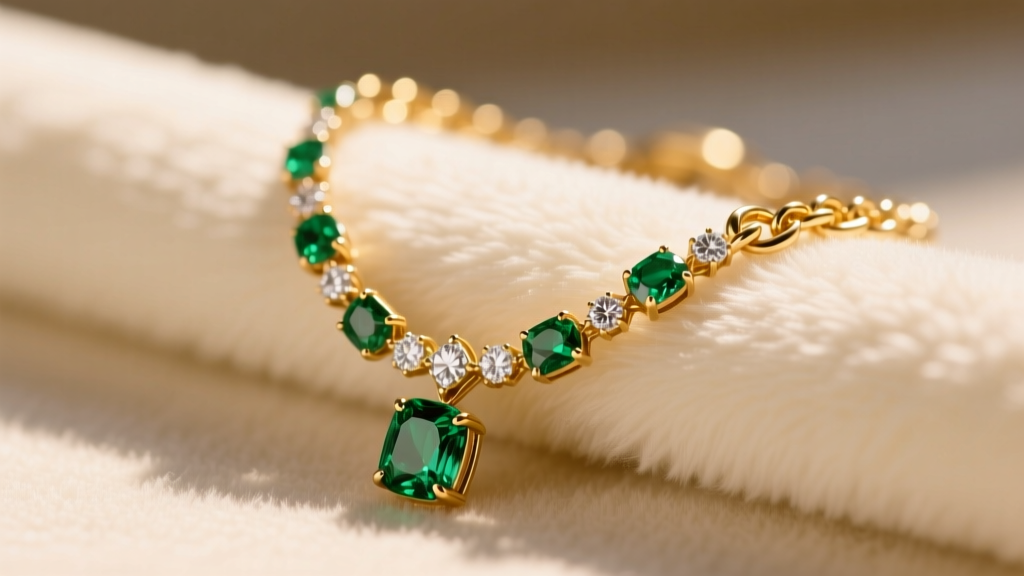
A birthstone necklace for mom 2 stones is more than just an accessory; it is a deeply sentimental keepsake representing the bond between a mother and her two children. Because these custom pieces often combine two entirely different gemstones—each with unique chemical compositions, hardness levels, and structural vulnerabilities—they require a highly specialized approach to cleaning and maintenance. Treating a dual-stone pendant like a standard diamond solitaire is a fast track to ruined finishes, scratched cabochons, or loose prongs.
In this comprehensive care guide, we break down the exact protocols for cleaning, storing, and maintaining multi-gem mother's jewelry, ensuring the piece remains brilliant and secure for generations.
The Unique Challenges of Dual-Stone Mother's Jewelry
When you wear a necklace featuring two distinct birthstones, you are navigating the "mixed hardness" dilemma. The Mohs scale of mineral hardness dictates how easily a gem can be scratched. If a mother's necklace features a July Ruby (Mohs 9) and an October Opal (Mohs 5.5-6.5) resting side-by-side on a shared bail or adjacent links, the harder ruby can easily scratch the opal's surface during daily wear or improper storage.
Furthermore, dual-stone pendants place asymmetrical stress on the chain and the bail (the loop connecting the pendant to the chain). The added weight of two gems, combined with the kinetic movement of walking, accelerates wear on the jump rings and prongs. According to the Jewelers of America, multi-stone settings require prong inspections at least twice a year to prevent catastrophic gem loss.
Identifying Your Birthstones: The Mohs Hardness Factor
Before applying any liquid or brush to your necklace, you must identify the specific stones and their vulnerabilities. The Gemological Institute of America (GIA) emphasizes that porous and organic gems require entirely different cleaning regimens than crystalline stones.
| Month | Birthstone | Mohs Scale | Cleaning Vulnerability & Warning |
|---|---|---|---|
| January | Garnet | 7.0 - 7.5 | Avoid thermal shock (sudden temperature changes). |
| February | Amethyst | 7.0 | Prolonged UV/sunlight exposure can cause fading. |
| March | Aquamarine | 7.5 - 8.0 | Avoid harsh chemical degreasers. |
| April | Diamond | 10.0 | Highly lipophilic (attracts skin oils and lotions). |
| May | Emerald | 7.5 - 8.0 | Oiled fractures; NEVER use ultrasonic or steam cleaners. |
| June | Pearl | 2.5 - 4.5 | Organic; destroyed by ammonia, acids, and ultrasonics. |
| July | Ruby | 9.0 | Generally safe, but fracture-filled rubies require gentle care. |
| August | Peridot | 6.5 - 7.0 | Highly sensitive to acidic solutions and rapid heating. |
| September | Sapphire | 9.0 | Durable, but watch for beryllium-treated stones reacting to heat. |
| October | Opal | 5.5 - 6.5 | Contains water; extreme dryness or heat causes crazing/cracking. |
| November | Citrine | 7.0 | Heat-sensitive; avoid steam cleaning. |
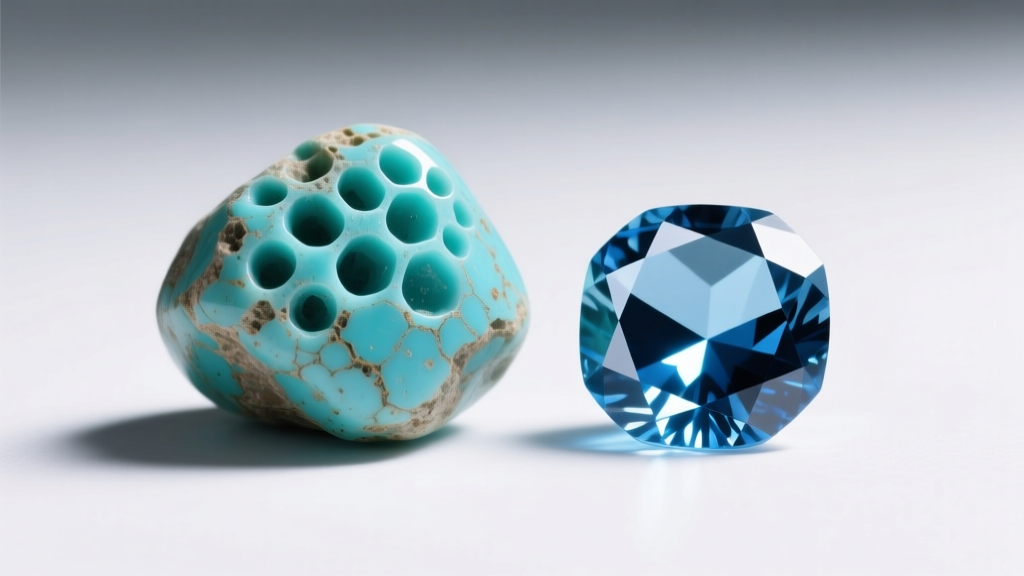
| December | Turquoise | 5.0 - 6.0 | Highly porous; absorbs oils, lotions, and soaps instantly. |
Step-by-Step Cleaning Routine for Multi-Gem Pendants
When dealing with a mixed-stone necklace, you must always default to the cleaning protocol of the softest or most porous stone in the pairing. If you are cleaning a Diamond (April) and Pearl (June) necklace, you must use the Pearl protocol to avoid dissolving the pearl's nacre.
What You Need
- Distilled Water: Tap water contains chlorine and hard minerals that can leave microscopic deposits on softer gems and tarnish sterling silver chains.
- Phosphate-Free Dish Soap: A mild, non-detergent soap (like original Dawn) diluted heavily.
- Extra-Soft Baby Toothbrush: Standard toothbrushes have bristles that are too stiff and can micro-scratch gold settings or soft cabochons like turquoise.
- Untreated Microfiber Cloth: For drying and buffing.
The Gentle Soak and Brush Method
Step 1: The Inspection. Before introducing moisture, use a jeweler's loupe or your smartphone's macro camera to inspect the prongs. If any prong is lifted away from the gemstone's girdle, do not clean it; take it to a bench jeweler immediately.
Step 2: The Solution. Mix three parts lukewarm distilled water with one drop of mild soap in a glass bowl. Never use plastic bowls, as they can harbor microscopic grit from previous cleanings that might scratch your gems.
Step 3: The Soak. Submerge the necklace for no more than 3 to 5 minutes. This is enough time to loosen sebum (skin oils) and cosmetic residue from the chain links and the underside of the gemstone settings (the pavilion).
Step 4: The Agitation. Gently brush the chain and the metal settings. When brushing near the stones, always brush away from the prongs to avoid catching and bending the metal. Never scrub the face of a soft stone like an opal or pearl; simply wipe it with a damp, soapy cotton swab.
Step 5: The Rinse and Dry. Rinse thoroughly under a slow stream of distilled water. Pat dry with the microfiber cloth. Allow the necklace to air-dry completely on a towel before storing to prevent moisture from becoming trapped in the chain links, which accelerates silver tarnishing.
Daily Maintenance and Storage Protocols
How you store your birthstone necklace for mom 2 stones is just as critical as how you clean it. Improper storage is the leading cause of scratched gems and tangled chains.
- The "Last On, First Off" Rule: Always put your necklace on after applying perfume, hairspray, and lotions. Chemical aerosols can permanently cloud the polish of soft gems like pearls and turquoise. Remove it first when you get home to minimize exposure to household cleaning agents.
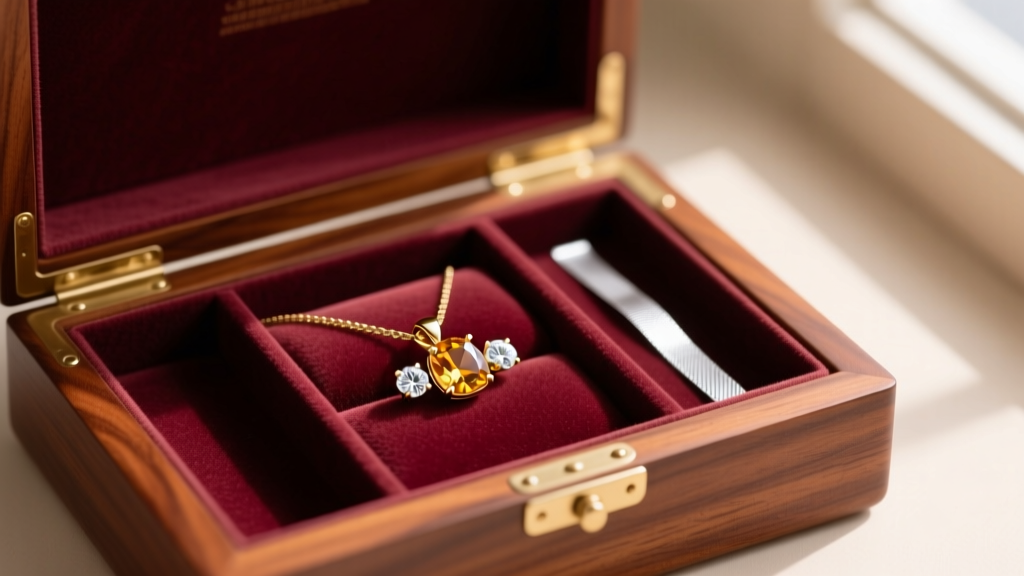
- Isolate the Pendant: Never toss a dual-stone necklace into a communal jewelry box. The harder stone will act like sandpaper against the softer one. Store the necklace in its own soft, anti-tarnish flannel pouch or a polyethylene ziplock bag.
- Use Anti-Tarnish Strips: If your necklace features a sterling silver chain or white gold setting, place a 3M anti-tarnish strip inside the storage pouch. These strips absorb hydrogen sulfide from the air, preventing the silver alloy from oxidizing and turning black.
- Prevent Chain Tangling: Leave the clasp unfastened when storing, or thread the chain through a plastic drinking straw before clasping it. This prevents the delicate links from knotting, which can stretch and weaken the metal over time.
When to Seek Professional Jewelry Maintenance
While at-home cleaning removes surface oils and dirt, it cannot address structural wear. You should schedule a professional bench jeweler visit every 12 to 18 months for the following services:
- Prong Re-tipping: Daily friction against clothing wears down the metal holding your birthstones. A jeweler will add a microscopic bead of gold or platinum to worn prongs to secure the stones.
- Ultrasonic Deep Cleaning: If both of your birthstones are hard and non-porous (e.g., Diamond and Sapphire), a jeweler can use high-frequency ultrasonic waves to blast dirt out of the setting's under-gallery where a toothbrush cannot reach.
- Rhodium Re-plating: If your necklace is crafted from 14k or 18k white gold, the rhodium plating will eventually wear off, revealing the naturally yellowish gold alloy beneath. A jeweler can re-plate the piece to restore its bright, silvery finish.
Pro-Tip from the Bench: Never use toothpaste, baking soda, or DIY internet "hacks" to clean your birthstone jewelry. These substances are highly abrasive (often ranking 3-4 on the Mohs scale themselves) and will leave a network of microscopic scratches across your precious metals and softer gemstones, permanently dulling their luster.
By understanding the unique material science behind your specific gemstone pairing and adhering to these gentle, methodical cleaning routines, your birthstone necklace will remain a vibrant, secure, and beautiful tribute to your family for decades to come.


