How to Safely Clean and Maintain Your Blue Beads Necklace
Discover expert cleaning and maintenance tips for your blue beads necklace. Learn how to safely wash lapis, glass, and resin beads without damage.

The Hidden Complexity of Blue Bead Jewelry
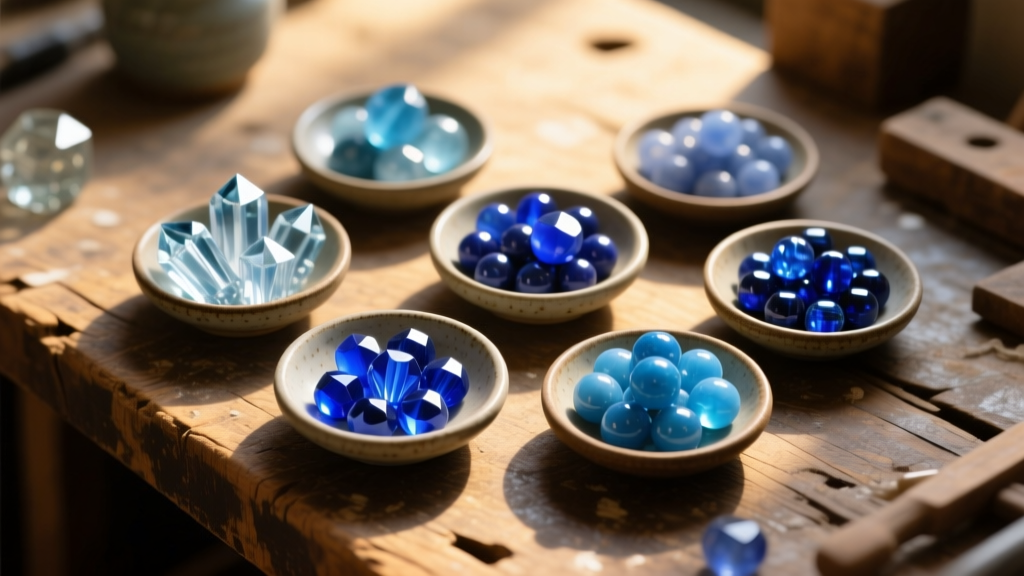
When you invest in a stunning blue beads necklace, you are likely drawn to the vibrant hues that evoke the ocean, the twilight sky, or deep mineral caverns. However, from a gemological and material science perspective, 'blue beads' is a massive umbrella term. A necklace made of porous lapis lazuli requires a radically different maintenance protocol than one crafted from kiln-fired glass, synthetic resin, or dyed howlite. Using the wrong cleaning agent—such as an ultrasonic cleaner or a harsh chemical dip—can permanently strip the polish, dissolve mineral inclusions, or cause dyes to bleed.
In this comprehensive guide, we break down the exact chemical and physical properties of popular blue bead materials and provide actionable, step-by-step maintenance frameworks to keep your jewelry pristine for decades.
Identifying Your Bead Material: The Care Matrix
Before applying any moisture to your jewelry, you must identify the base material. The GIA Gem Encyclopedia notes that porosity and hardness (measured on the Mohs scale) dictate a gemstone's vulnerability to water, heat, and chemicals. Below is a quick-reference matrix for the most common blue bead types.
| Material | Mohs Hardness | Porosity | Ultrasonic Safe? | Water Safe? |
|---|---|---|---|---|
| Lapis Lazuli | 5.0 - 6.0 | High (contains calcite) | NO | Briefly (distilled only) |
| Sodalite | 5.5 - 6.0 | Low-Medium | NO | Yes (mild soap) |
| Azurite | 3.5 - 4.0 | Medium | NO | NO (water alters structure) |
| Glass / Crystal | 5.5 - 7.0 | None | Yes (if no foil backing) | Yes |
| Resin / Polymer | 2.0 - 3.0 | None | NO | Yes (cool water only) |
| Dyed Howlite | 3.5 | Very High | NO | NO (causes dye bleeding) |
Step-by-Step Cleaning Protocols by Material
1. Porous and Calcite-Rich Gemstones (Lapis Lazuli, Turquoise)
Lapis lazuli is a rock, not a single mineral. It contains lazurite (the blue), calcite (the white streaks), and pyrite (the gold flecks). Calcite is highly reactive to acids and will dissolve if exposed to harsh chemicals, while pyrite can rust if left wet. According to mineralogical data from Mindat.org, prolonged water exposure degrades the structural integrity of these stones.
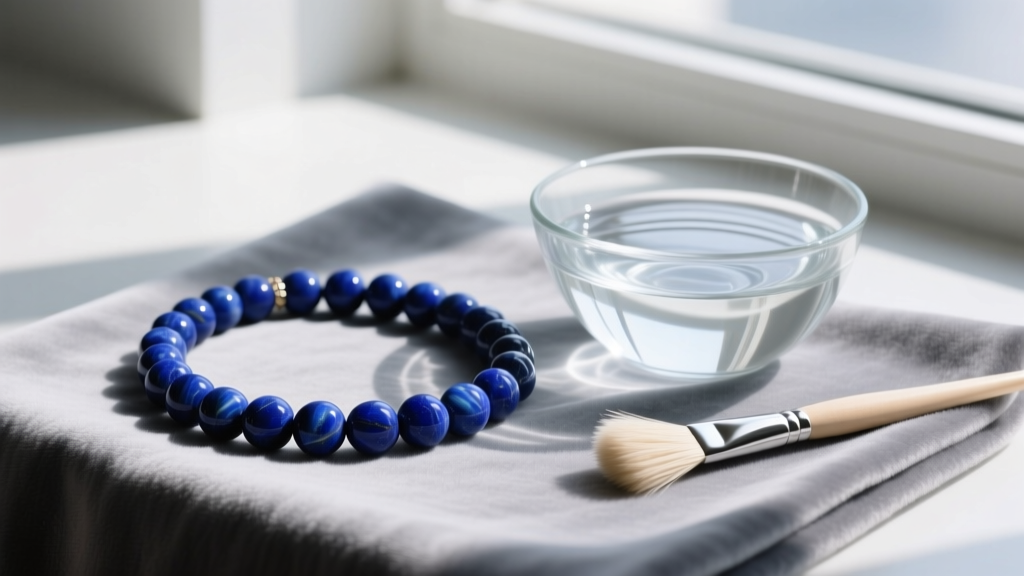
- The Method: Mix two drops of pH-neutral dish soap (like Dawn) into a bowl of distilled water. Tap water contains chlorine and minerals that can leave a filmy residue.
- Application: Dip a soft microfiber cloth into the solution, wring it out until it is barely damp, and gently wipe each bead individually.
- Drying: Immediately dry the beads with a separate, lint-free cloth. Never let lapis lazuli air dry, as water spots will permanently dull the polish.
2. Soft and Water-Sensitive Minerals (Azurite, Dyed Howlite)
Azurite is notoriously soft and chemically unstable; prolonged exposure to water can actually cause it to slowly alter into malachite (green), ruining the blue color. Dyed howlite is essentially a sponge that will leach its blue dye the moment it gets wet.
- The Method: Dry cleaning only. Use a clean, dry makeup brush (like a soft kabuki brush) to gently sweep away dust, skin oils, and cosmetic powders from the crevices of the beads.
- Polishing: For azurite, use a specialized, untreated gemstone polishing cloth. Never use silver-polishing cloths, as the mild abrasives will scratch the 3.5 Mohs surface.
3. Glass, Crystal, and Resin Beads
Glass and resin are non-porous, making them much easier to clean, though resin is highly susceptible to micro-scratching and heat warping.
- Glass: Can be fully submerged in warm, soapy water for 5-10 minutes. Use a soft-bristled baby toothbrush to clean around the drill holes where sebum accumulates.
- Resin: Wipe with a damp cloth and mild soap. Warning: Never use alcohol-based cleaners, hand sanitizers, or acetone on resin beads, as these solvents will melt the surface layer and cause permanent cloudiness.
Stringing Material and Hardware Maintenance
The beads are only half the equation; the stringing material and metal hardware dictate how you handle moisture.
Evaluating the Stringing Thread
If your blue beads necklace is strung on silk thread (common in high-end knotted pearl or gemstone necklaces), you must never submerge it in water. Silk stretches when wet and rots over time if trapped moisture remains inside the drill holes. For silk-strung pieces, rely strictly on the damp-cloth wiping method. If your necklace is strung on nylon-coated stainless steel beading wire (like Soft Flex), submersion is perfectly safe, though you should ensure the crimp beads are dried thoroughly to prevent internal rusting.
Cleaning the Clasp and Findings
Most blue bead necklaces feature sterling silver or gold-filled clasps. Sterling silver tarnishes when exposed to sulfur and humidity. To clean the clasp without damaging the adjacent blue beads:
Wrap the beads in a dry microfiber towel, exposing only the metal clasp. Use a cotton swab dipped in a dedicated silver polish to clean the metal, then wipe it completely clean with a damp Q-tip before drying. This prevents chemical cross-contamination.
The Enemies of Blue Beads: What to Avoid
To preserve the optical brilliance and structural integrity of your necklace, avoid these common pitfalls:
- Ultrasonic Cleaners: The high-frequency vibrations can shatter beads with internal fractures (like sodalite) and strip the dye from treated stones.
- Steam Cleaners: Thermal shock can cause glass and quartz beads to crack, while heat will melt or warp polymer clay and resin.
- Perfumes and Hairsprays: Alcohol and aerosol propellants degrade the polish on organic and porous beads. Always put your necklace on after applying cosmetics.
- UV Exposure: Prolonged direct sunlight will cause dyed beads to fade and can dehydrate resin, leading to yellowing and brittleness.
Proper Storage Techniques for Longevity
How you store your blue beads necklace is just as critical as how you clean it. Because bead necklaces are heavy, hanging them on standard jewelry trees can cause the stringing material to stretch permanently over time, leading to gaps between the beads and eventual snapping.
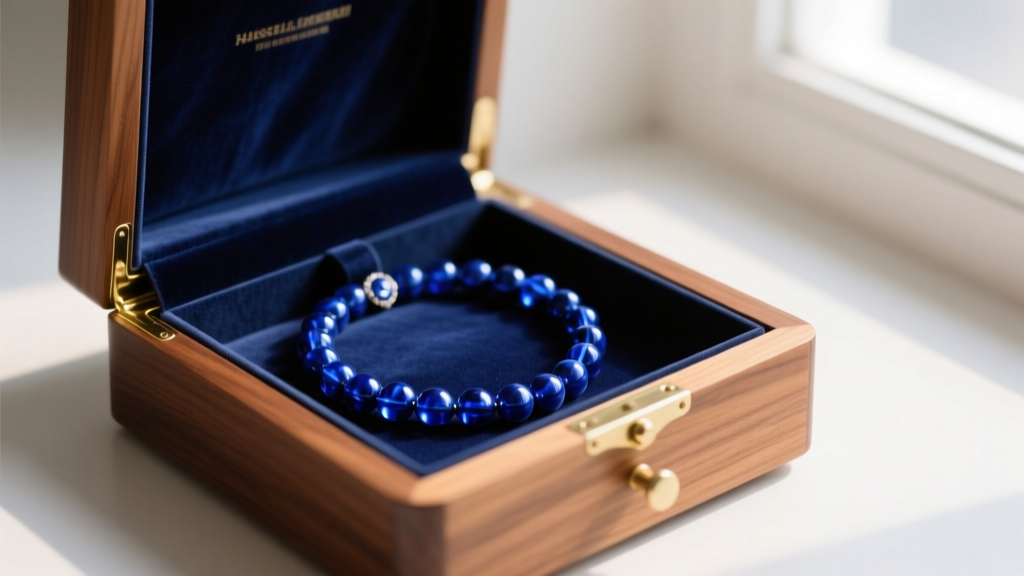
The Ideal Storage Method: Lay the necklace flat in a fabric-lined jewelry box or roll it loosely in an anti-tarnish velvet pouch. If the necklace features a mix of hard gemstones and softer materials, ensure the beads do not rub against one another, as harder stones will scratch softer ones. For added protection against humidity and silver tarnish, place a silica gel packet and an anti-tarnish strip inside the storage container. By following these material-specific protocols, your blue bead jewelry will retain its vibrant color and structural integrity for a lifetime.


