How to Clean and Care for Your Constantine Necklace
Learn expert cleaning and maintenance tips for your Constantine necklace. Protect intricate links and antique finishes from tarnish and daily wear.

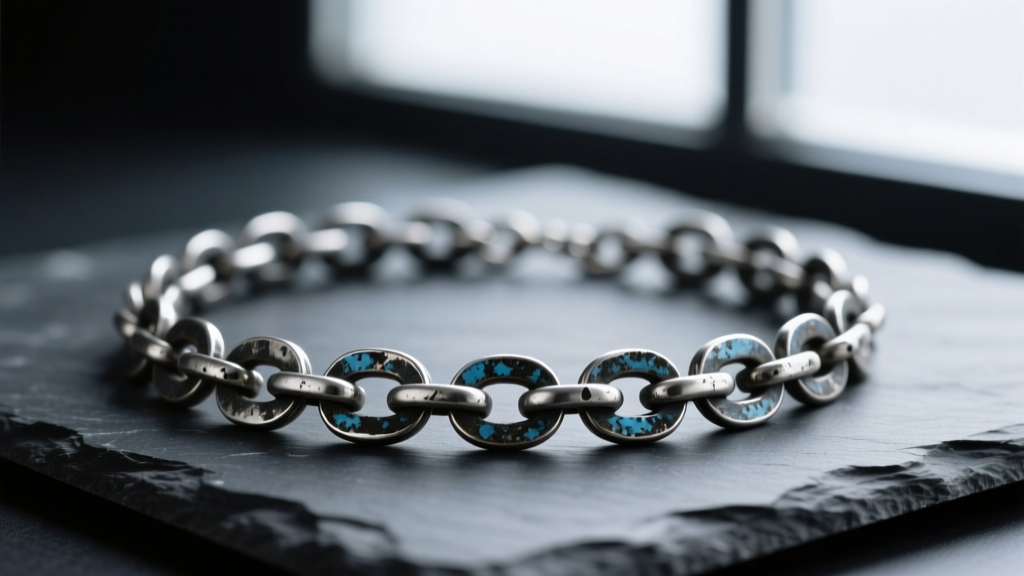
The Constantine necklace is a masterpiece of jewelry design, celebrated for its dense, interlocking links and frequent use of historical coin or medallion pendants. Whether crafted from oxidized sterling silver, rich bronze, or gold vermeil, the intricate architecture of a Constantine chain makes it a striking statement piece. However, this same complexity makes it a magnet for sebum, cosmetic residue, and environmental pollutants. Proper care is not just about maintaining shine; it is about preserving the structural integrity and the intentional antique patinas that give the Constantine its character.
In this comprehensive guide, we break down the exact metallurgical and structural considerations required to clean, maintain, and store your Constantine necklace, ensuring it remains a pristine heirloom for decades.
The Anatomy of a Constantine Necklace: Why It Requires Special Care
Unlike standard cable or curb chains, the Constantine link profile features tightly woven, often flattened or textured interlocking rings. This creates a high-surface-area design with deep crevices. While visually stunning, these interstices trap dead skin cells, lotions, and microscopic debris. Furthermore, many artisan Constantine chains utilize intentional oxidation (blackening) in the recessed areas to provide visual contrast and highlight the link texture. Aggressive cleaning methods that work on simple chains will strip this patina, leaving the piece looking flat and overly bright.
Constantine Coin and Medallion Pendants
Many Constantine necklaces are anchored by a bezel-set replica coin, often depicting Constantine the Great or similar historical motifs. These high-relief portraits are highly susceptible to micro-scratching. The bezel setting also creates a microscopic gap between the coin edge and the metal frame, requiring specialized attention to prevent moisture entrapment and subsequent verdigris (green corrosion) in copper-heavy alloys like bronze or low-karat gold.
Daily Wear Protocols: The 'Last On, First Off' Rule
Preventative maintenance is always superior to restorative cleaning. The dense links of a Constantine chain act like a wick for liquid cosmetics and perfumes. To minimize deep cleaning sessions, adhere to strict wear protocols:
- Cosmetic Sequencing: Apply perfumes, hairsprays, and lotions at least 15 minutes before putting on your necklace. Alcohol and aerosol propellants can degrade gold vermeil plating and accelerate silver tarnish.
- Chemical Avoidance: Never wear your Constantine necklace in chlorinated pools or hot springs. Chlorine reacts catastrophically with sterling silver and copper alloys, causing irreversible stress-corrosion cracking in the wire links.
- Sweat Management: The lactic acid and sulfur compounds in human sweat will rapidly tarnish silver and bronze. If worn during physical exertion, rinse the chain briefly with distilled water immediately afterward.
The Step-by-Step Deep Cleaning Method
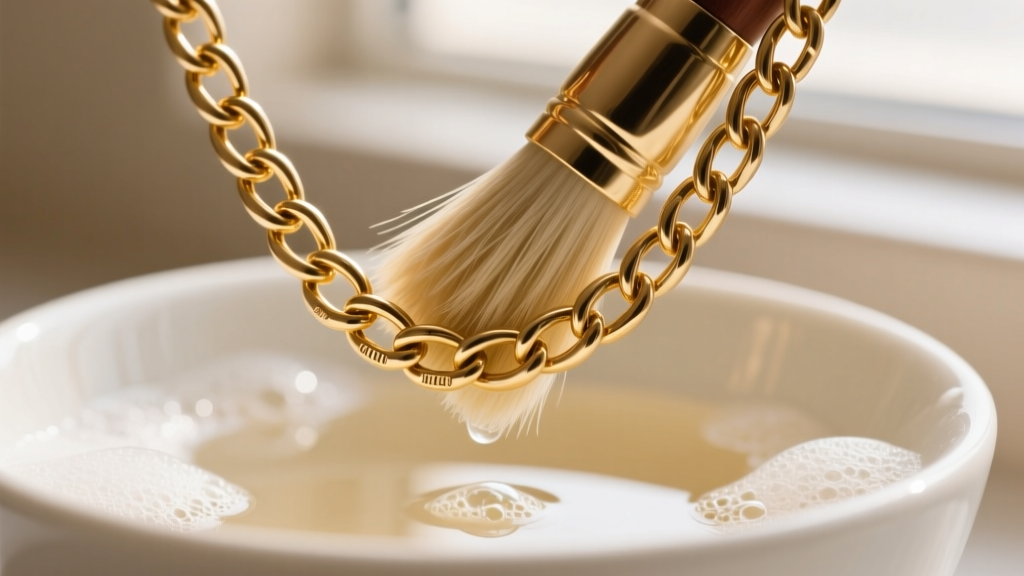
When your Constantine necklace loses its luster or feels stiff due to trapped oils, avoid commercial jewelry dips. Instead, use this bench-jeweler-approved manual cleaning method that respects both the metal and the patina.
- Prepare the Solution: Fill a ceramic or glass bowl with lukewarm water. Add three drops of phosphate-free, mild dish soap (such as Dawn). Avoid hot water, which can expand metal settings and loosen adhesive-backed coin inlays.
- Targeted Soaking: Submerge the chain for exactly 3 to 5 minutes. This softens sebum and cosmetic buildup without compromising the metal.
- Agitation with Soft Bristles: Using a 100% goat hair or soft horsehair detailing brush, gently agitate the bristles along the grain of the chain. Stiff nylon or toothbrush bristles will scratch high-polish surfaces and degrade gold plating.
- The Distilled Rinse: Rinse the necklace under a gentle stream of distilled water. Tap water contains dissolved minerals and chlorides that will leave hard water spots in the tight link crevices.
- Moisture Extraction: Do not rub the chain with a cotton towel, as cotton fibers will snag and leave lint inside the links. Instead, use a can of compressed air (held at least six inches away) to blow moisture out of the interstices, followed by air-drying on a microfiber cloth.
Cleaning Agents: What Works and What Ruins the Finish
Choosing the wrong chemical agent is the most common way collectors ruin antique-finished jewelry. Below is a definitive guide to cleaning agents and their effects on Constantine necklaces.
| Cleaning Agent | Effect on Constantine Necklace | Verdict |
|---|---|---|
| Thiourea Silver Dip | Instantly strips intentional oxidation and patina from recessed link areas, leaving a flat, bright white finish. | Never Use |
| Ultrasonic Cleaners | High-frequency vibrations can fracture hollow links, loosen soldered joints, or shatter gemstone accents on pendants. | Avoid |
| Baking Soda Paste | Highly abrasive; causes micro-scratching on polished surfaces and leaves a stubborn white residue trapped in tight links. | Avoid |
| Mild Dish Soap | Safely lifts sebum, oils, and cosmetics without altering metal finishes or stripping patinas. | Recommended |
| Polishing Cloths | Effective for flat outer surfaces, but the embedded abrasives will strip blackening from the crevices if rubbed too hard. | Use with Caution |
For authoritative guidelines on preserving historical and antique metal finishes, the Victoria and Albert Museum (V&A) Silver Care Guide strongly advises against abrasive pastes and chemical dips on textured or oxidized silver, recommending gentle mechanical cleaning instead.
Advanced Maintenance: Re-Oxidation and Polishing
Over years of wear, friction from clothing and skin will naturally wear away the dark oxidation in the recesses of your Constantine chain. If the piece begins to look washed out, you can restore the contrast using Liver of Sulfur, a traditional patina solution used by master silversmiths.
The Liver of Sulfur Re-Oxidation Process
Dissolve a pea-sized piece of Liver of Sulfur gel in a cup of warm (not boiling) water. Dip the cleaned, grease-free sterling silver Constantine chain into the solution for 10 to 30 seconds until it turns a deep charcoal black. Immediately quench the chain in a bowl of cold water mixed with a teaspoon of baking soda to halt the chemical reaction. Once dry, use a polishing cloth to gently buff only the high, raised surfaces of the links. This leaves the recesses dark and the outer links bright, restoring the original artisan contrast. For a deeper understanding of metal patination and jewelry care, the Gemological Institute of America (GIA) provides excellent foundational resources on metal properties and safe maintenance.
Storage and Structural Preservation
How you store a heavy Constantine necklace is just as critical as how you clean it. The weight of the dense interlocking links makes them susceptible to a metallurgical phenomenon known as creep deformation.
Expert Insight: Never hang a heavy Constantine chain on a jewelry stand or hook. The constant gravitational pull on the topmost links will slowly stretch and elongate the wire over months and years, permanently distorting the chain's profile and weakening the structural integrity of the links.
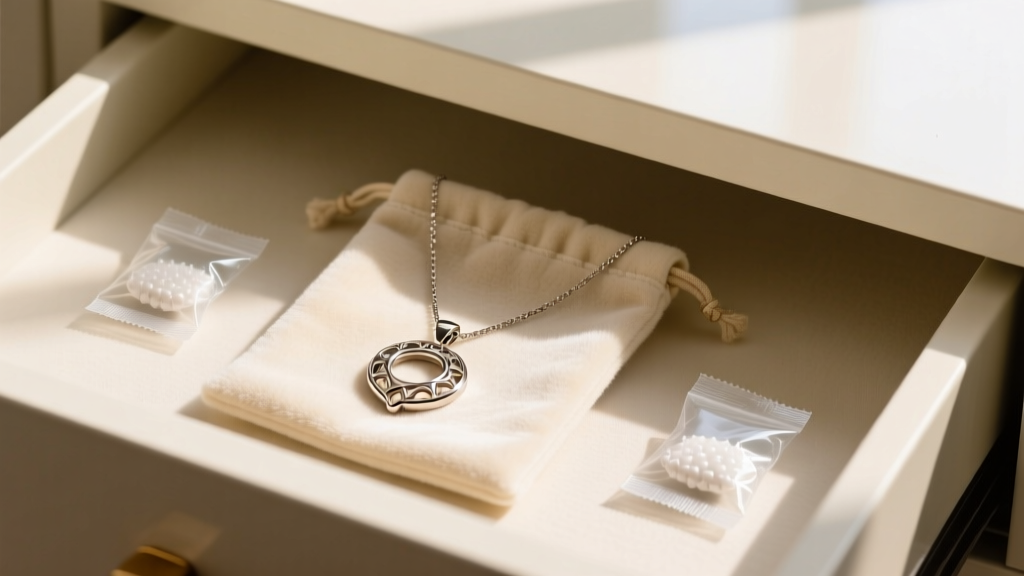
Instead, coil the necklace loosely in a figure-eight pattern to prevent kinking, and lay it flat in a lined jewelry box. To combat tarnish, place the necklace inside an airtight polyethylene bag alongside a 3M anti-tarnish strip. These strips absorb sulfur gases and hydrogen sulfide from the ambient air, effectively neutralizing the primary catalysts for silver and bronze oxidation. Replace the strips every six months for optimal protection.
When to Seek Professional Jewelry Repair
While daily maintenance can be handled at home, certain structural issues require a professional bench jeweler. Inspect the clasp and the jump rings connecting the pendant every six months. If you notice the lobster clasp spring losing tension, or if the soldered joints on the interlocking links appear thin or cracked, cease wearing the necklace immediately. A jeweler can re-solder weak links using laser welding, which minimizes heat transfer and protects the surrounding antique patina from being burned away by traditional torch soldering. Furthermore, if the bezel holding a Constantine coin pendant becomes warped or lifted, professional re-seating is required to prevent the loss of the medallion.
By understanding the unique architectural and metallurgical traits of the Constantine necklace, you can move beyond generic jewelry care and implement a targeted maintenance routine. This ensures that the intricate links, historical pendants, and rich patinas remain as captivating as the day the piece was forged.


