How to Clean and Care for Vintage Coral Necklaces
Learn expert techniques to clean, store, and maintain vintage coral necklaces. Protect these porous organic gems from damage with our detailed care guide.

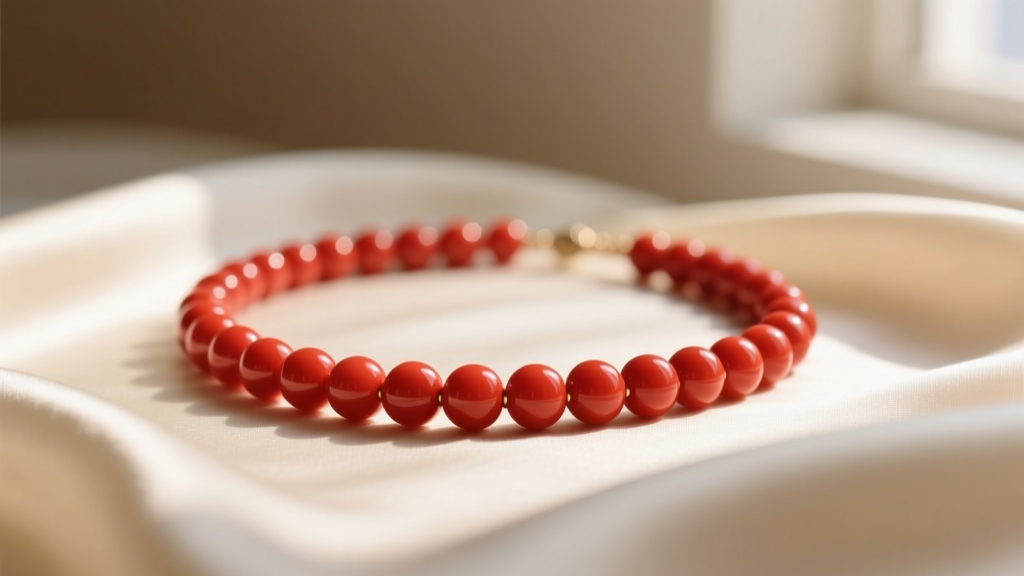
The Organic Vulnerability of Vintage Coral
Unlike crystalline gemstones such as diamonds or sapphires, coral is an organic gemstone formed by living marine polyps. Its primary chemical composition is calcium carbonate (CaCO3) bound together by an organic protein called conchiolin. This unique biological makeup gives vintage coral necklaces their coveted warm, waxy luster, but it also renders them exceptionally vulnerable to environmental and chemical damage. On the Mohs scale of mineral hardness, coral ranks between 3.0 and 4.0, making it soft enough to be easily scratched by common household dust, which often contains quartz particles (hardness 7.0).
Furthermore, coral is inherently porous. The microscopic channels that once transported nutrients through the polyp colony now act as sponges, readily absorbing skin oils, cosmetics, and environmental pollutants. Over decades, this absorption can lead to a dull, chalky appearance or irreversible discoloration if the necklace is not maintained with rigorous, gem-specific protocols. Whether your piece features deep red Mediterranean Corallium rubrum, delicate pale pink Angel Skin coral, or darker South Sea varieties, understanding its organic fragility is the first step in preservation.
Daily Wear Protocols: The 'Last On, First Off' Rule
The most critical aspect of vintage coral care occurs before you even reach for a cleaning cloth. Because calcium carbonate is highly reactive to acids, the natural pH of human sweat (which typically ranges from 4.5 to 7.0, often leaning acidic due to lactic acid) can slowly etch the surface of coral beads, stripping away their natural polish. To mitigate this, always adhere to the 'Last On, First Off' rule.
- Last On: Apply all perfumes, hairsprays, lotions, and cosmetics at least 15 minutes before putting on your coral necklace. The alcohols and aerosolized chemicals in these products can cause immediate micro-fissures in the conchiolin matrix.
- First Off: Remove the necklace before showering, swimming, or exercising. Chlorine in pools and salt in ocean water are aggressively corrosive to organic gems.
- Post-Wear Wipe: After every wear, gently wipe the beads with a dry, untreated microfiber cloth to remove microscopic layers of sebum and acidic perspiration before storing.
Step-by-Step Cleaning Guide for Antique Coral
When your vintage coral necklace requires a deeper clean to restore its luster, you must avoid commercial jewelry dips entirely. Instead, rely on a gentle, pH-neutral manual washing process.
What You Will Need
- Distilled water (never tap water, as fluoride and chlorine can stain porous coral)
- pH-neutral liquid soap (such as unscented Castile soap or a mild baby shampoo, strictly avoiding detergents with added moisturizers or citrus extracts)
- An ultra-soft baby toothbrush or a dedicated, clean makeup blending brush
- Two untreated microfiber cloths
The Washing Process
Begin by mixing a few drops of the pH-neutral soap into a bowl of lukewarm distilled water. Never use hot water, as thermal shock can cause the conchiolin to contract and crack the calcium carbonate structure. Dip your soft brush into the solution and gently agitate the surface of each bead for no more than three to five seconds. Focus on the areas around the drill holes, where grime and skin cells accumulate most densely.
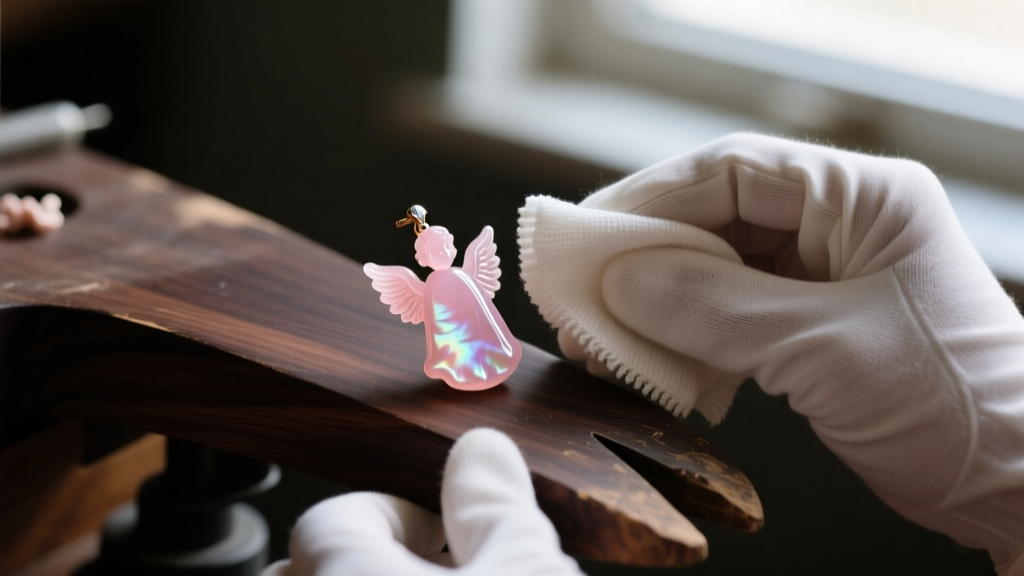
Immediately after brushing a section, dip a clean microfiber cloth into plain distilled water, wring it out until it is only barely damp, and wipe the bead to remove any soapy residue. Leaving soap residue on the coral will result in a dull, white film once it dries. Finally, use a dry microfiber cloth to buff the beads gently. Allow the necklace to air dry completely on a flat, towel-lined surface away from direct sunlight or heating vents before storing or wearing it again.
Critical Cleaning Failures: What to Avoid
Many well-intentioned collectors destroy the value and structural integrity of their antique jewelry by applying cleaning methods suited for metals or harder stones. The Gemological Institute of America (GIA) explicitly warns against using mechanized or chemical cleaning methods on organic gems. Below is a breakdown of common hazards and their specific consequences on vintage coral.
| Cleaning Method | Chemical / Physical Action | Consequence on Vintage Coral |
|---|---|---|
| Ultrasonic Cleaners | High-frequency cavitation bubbles | Shatters internal micro-fissures; strips away natural waxy polish entirely. |
| Steam Cleaners | Pressurized heat and moisture | Causes thermal shock, leading to catastrophic cracking and conchiolin dehydration. |
| Silver Dip / Ammonia | Harsh alkaline and acidic solvents | Chemically etches the calcium carbonate, leaving a permanent chalky, pitted surface. |
| Lemon Juice / Vinegar | Acetic and citric acids | Dissolves the outer layer of the coral bead, destroying the carve details and luster. |
| Commercial Polishing Cloths | Embedded abrasive micro-compounds | Acts like sandpaper on a Mohs 3.5 surface, creating thousands of microscopic scratches. |
Storage and Environmental Controls
Proper storage is just as vital as proper cleaning. Coral is susceptible to photodegradation; prolonged exposure to direct ultraviolet (UV) sunlight will cause the vibrant reds and delicate pinks of vintage coral to fade into a washed-out, pale orange or white. Always store your necklaces in a dark, climate-controlled environment.
Furthermore, avoid storing coral in extremely dry environments, such as a safety deposit box with desiccant packets. While high humidity can promote mold growth on the silk stringing, an overly arid environment will draw the essential moisture out of the conchiolin, causing the beads to become brittle and develop surface crazing (a network of fine cracks). Store the necklace flat in a soft cotton pouch or an acid-free archival jewelry box. Never toss a coral necklace into a communal jewelry box where it can be scratched by diamond, sapphire, or even quartz-based gemstones.
Structural Maintenance: Restringing and Clasp Checks
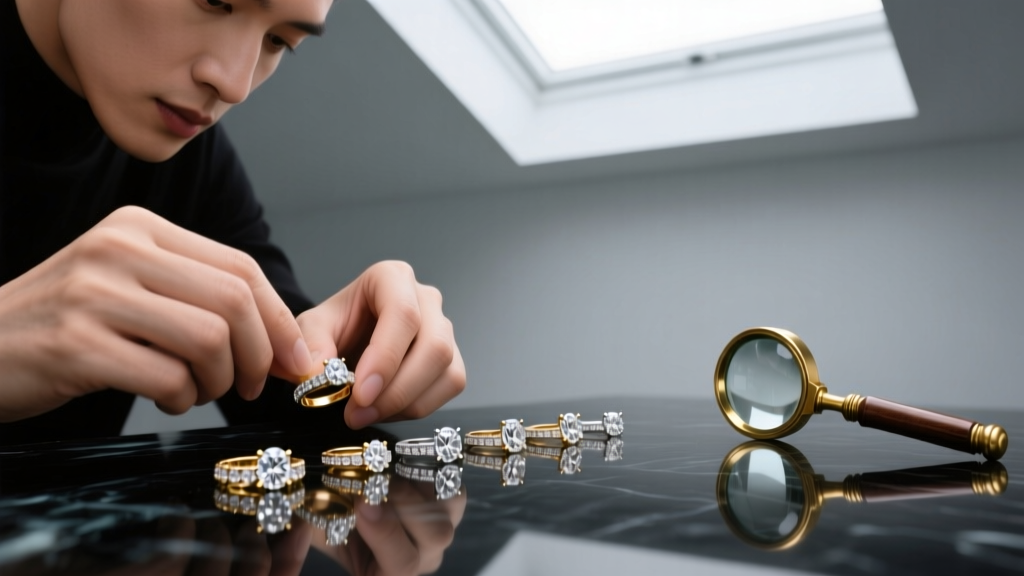
The care of a vintage coral necklace extends beyond the beads themselves to the structural materials holding them together. Most high-quality antique coral necklaces are strung on pure silk thread, with individual knots placed between each bead to prevent them from grinding against one another and to prevent total loss if the strand breaks.
Silk is a natural protein fiber that degrades rapidly when exposed to the acids in human sweat, cosmetic residues, and ambient humidity. If you wear your vintage coral necklace frequently, it must be professionally inspected and potentially restrung every two to three years. Signs that immediate restringing is required include:
- Visible stretching or 'gapping' between the coral beads and the silk knots.
- Discoloration of the thread, particularly near the clasp and the center of the neck where sweat accumulation is highest.
- Fraying of the silk where it passes through the metal findings or the French wire (gimp) at the clasp.
When having the piece restrung, insist on using high-grade, continuous filament silk thread rather than nylon or synthetic alternatives. Synthetics do not knot as securely and possess a tensile strength that can actually saw through the softer calcium carbonate drill holes over time. Ensure the jeweler uses appropriate French wire to protect the silk from the metal clasp mechanism, preserving both the structural integrity and the historical accuracy of your vintage piece.


