Expert Care and Cleaning Tips for a Coach Necklace Heart
Learn expert care, cleaning, and storage tips to protect the plating, enamel, and crystals of your Coach necklace heart from tarnish and damage.

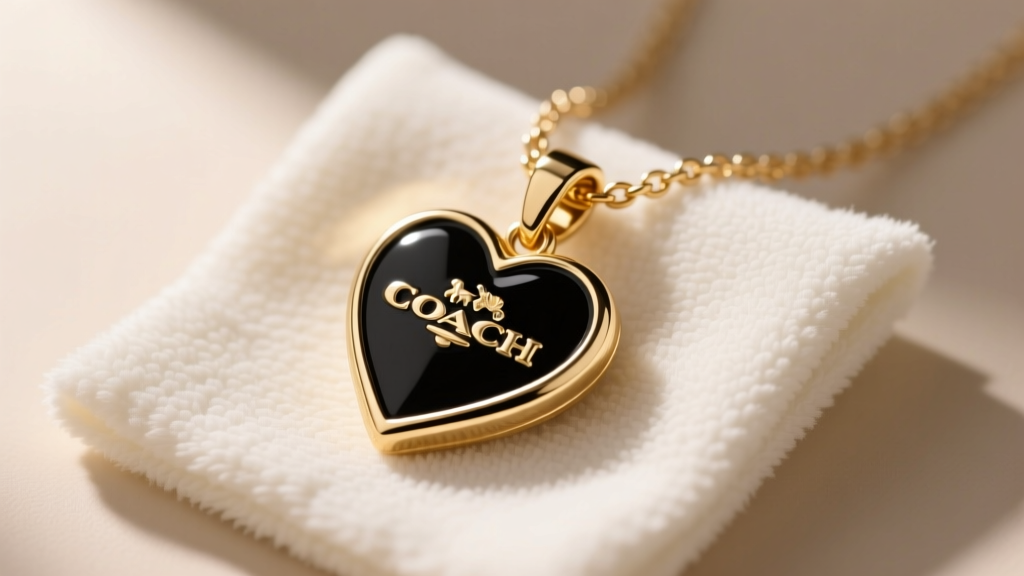
The coach necklace heart is a staple in modern accessory wardrobes, beloved for its blend of iconic branding, intricate enamel work, and brilliant crystal accents. However, unlike solid fine jewelry, fashion pieces require a highly specific maintenance routine. As of 2026, advancements in fashion jewelry plating have improved durability, but the fundamental vulnerability of brass bases, cold enamel, and glued pave crystals remains. If you want your signature piece to retain its factory luster, you must abandon generic jewelry cleaning hacks and adopt a targeted care protocol.
Understanding the Materials in Coach Heart Necklaces
Before applying any cleaning solution, you must understand the metallurgy and materials of your necklace. Coach heart pendants are typically constructed from a solid brass base metal. Brass is chosen for its excellent casting properties, allowing for the crisp, detailed edges of the signature 'C' hardware and heart silhouettes. However, brass contains copper, which oxidizes and turns green when exposed to moisture and skin acids.
To prevent this, the brass is plated with a microscopically thin layer of gold-tone, silver-tone, or rose-gold-tone metal (usually between 0.5 and 1.5 microns thick). Over this plating, artisans apply cold enamel (a hardened epoxy resin) for the colorful inlays, and precision-cut cubic zirconia or glass crystals set with jeweler's adhesives. Harsh chemicals will not only strip the micron-thin plating but will also cloud the epoxy resin and dissolve the adhesives holding the crystals in place.
The Daily Wear Protocol: Prevention is Key
The most effective cleaning method is preventing the buildup of corrosive compounds in the first place. Human sweat has an average pH of 4.5 to 7.0, and when mixed with the copper in the brass base, it accelerates the degradation of the plating. Furthermore, everyday cosmetics are laden with chemicals that actively break down jewelry finishes.
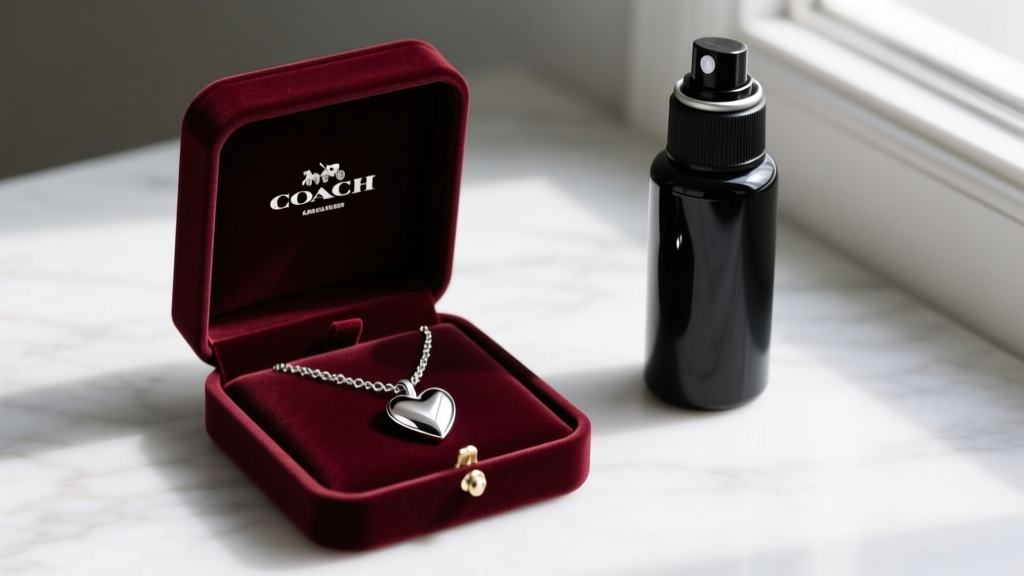
- The 'Last On, First Off' Rule: Your necklace should be the last thing you put on after applying perfume, hairspray, and lotions, and the first thing you take off when returning home.
- Avoid Aerosol Exposure: Hairspray contains alcohols and polymers that leave a stubborn, cloudy film over enamel and crystals that is incredibly difficult to remove without damaging the plating.
- Remove Before Exercising: The high salt content in sweat acts as an abrasive and a corrosive agent, rapidly eating through the protective rhodium or gold plating.
Step-by-Step Cleaning Guide for Coach Heart Pendants
When your necklace inevitably accumulates skin oils and environmental dust, you must clean it using methods approved for delicate fashion jewelry. According to the Gemological Institute of America (GIA), porous materials and plated metals require gentle, non-abrasive cleaning agents to maintain their structural integrity.
Cleaning Plated Brass and Enamel
For standard gold-tone or silver-tone heart pendants with enamel inlays, avoid tap water. Tap water contains chlorine and heavy minerals that can leave permanent water spots on high-polish plating. Instead, use distilled water.
- Mix a small bowl of lukewarm distilled water with a single drop of mild, phosphate-free dish soap (such as original Dawn).
- Dip a soft, untreated microfiber cloth into the solution and wring it out until it is only slightly damp.
- Gently wipe the surface of the heart pendant, paying special attention to the crevices where the metal meets the enamel.
- Use a dry, clean microfiber cloth to immediately buff the piece dry. Never let fashion jewelry air dry, as this invites water spotting.
Cleaning Crystal-Embellished Heart Pendants
If your Coach necklace heart features pave crystals, never submerge it in water. Pave settings in fashion jewelry rely on cyanoacrylate or UV-cured resin adhesives rather than metal prongs. Prolonged water exposure will cause these adhesives to become brittle and fail, leading to lost stones.
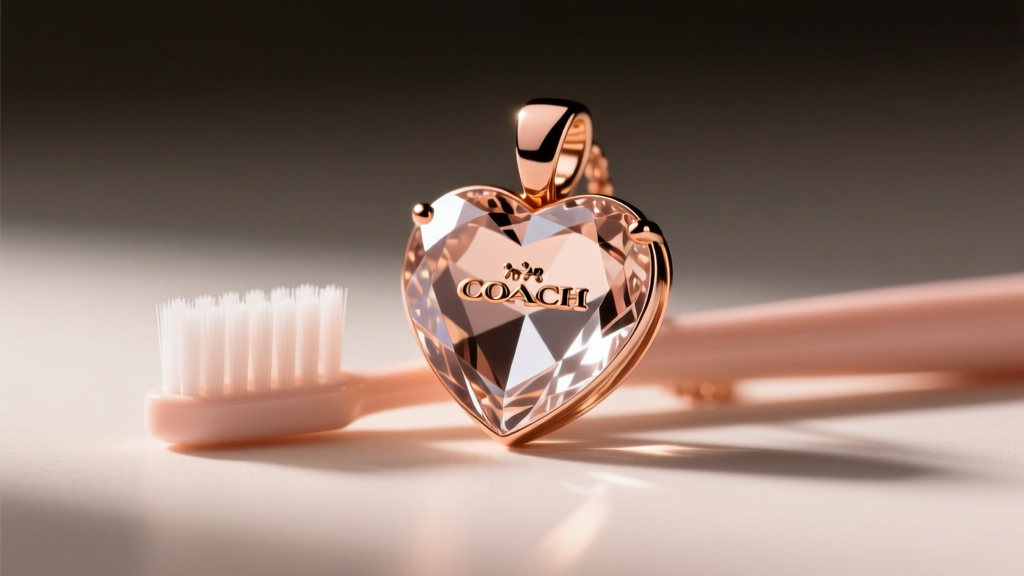
Instead, use the dry-brush method. Take a brand-new, extra-soft baby toothbrush and lightly brush the crystals and metal settings to dislodge dust and skin cells. If the crystals are particularly cloudy from lotion buildup, slightly dampen the bristles of the brush with a 50/50 mix of distilled water and isopropyl alcohol, brush gently, and immediately dry with a microfiber cloth.
What to Avoid: The Enemies of Fashion Jewelry
Many well-intentioned jewelry owners ruin their favorite pieces by applying fine jewelry cleaning methods to fashion jewelry. The table below outlines common cleaning mistakes and their specific failure modes on a Coach necklace heart.
| Cleaning Agent / Method | Why It Damages Coach Jewelry | Safe Alternative |
|---|---|---|
| Ultrasonic Cleaners | High-frequency vibrations will shatter cold enamel and shake crystals loose from their adhesive settings. | Manual wiping with a damp microfiber cloth. |
| Baking Soda Paste | Baking soda is highly abrasive. It will scratch the high-polish plating, leaving a permanent dull, matte finish. | Mild liquid dish soap and distilled water. |
| Silver Dip Chemicals | Acidic tarnish removers strip gold and rose-gold plating instantly and will permanently discolor enamel. | Use only a dry, untreated polishing cloth. |
| Treated Polishing Cloths | Cloths infused with jeweler's rouge or chemical tarnish removers will erode the micron-thin protective plating. | 100% untreated microfiber or soft cotton flannel. |
Proper Storage Solutions to Prevent Tarnish
Even when not being worn, your necklace is under attack from the environment. The Smithsonian Museum Conservation Institute notes that sulfur compounds in the air, combined with ambient humidity, are the primary catalysts for metal tarnish and oxidation. Leaving your Coach necklace heart on an open bathroom vanity is a guaranteed way to accelerate plating degradation.
To properly store your necklace, follow these archival-level preservation steps:
- Use Anti-Tarnish Strips: Invest in anti-tarnish tabs (such as those utilizing Intercept Technology). These strips absorb and neutralize atmospheric sulfur gases before they can react with the metal plating.
- Individual Pouches: Store the necklace in its original microfiber or flannel pouch. This prevents the chain from tangling and stops the pendant from scratching against other jewelry.
- Control Humidity: If you live in a high-humidity climate, place a small silica gel desiccant packet inside your jewelry box to keep the ambient moisture levels low.
When to Seek Professional Restoration
Despite your best efforts, daily wear will eventually cause friction points—such as the bail where the chain meets the pendant—to wear through the plating, exposing the brass underneath. Once the brass is exposed, it will oxidize rapidly.
Do not attempt to 'polish' the exposed brass, as this will only widen the area of missing plating. Instead, take the piece to a reputable local jeweler who specializes in electroplating and rhodium dipping. They can carefully mask off the enamel and crystals, strip the remaining degraded plating, and apply a fresh layer of gold or rhodium, effectively restoring your Coach necklace heart to its original, out-of-the-box brilliance.
By understanding the specific vulnerabilities of plated brass, cold enamel, and pave adhesives, you can ensure your favorite heart pendant remains a vibrant, sparkling staple in your collection for years to come. Treat your fashion jewelry with the same respect you would afford fine heirlooms, and it will reward you with enduring beauty.


