How to Clean and Maintain Your Dimebag Darrell Razor Necklace
Learn expert care, cleaning, and maintenance tips for your Dimebag Darrell razor necklace to prevent tarnish and keep the metal gleaming.

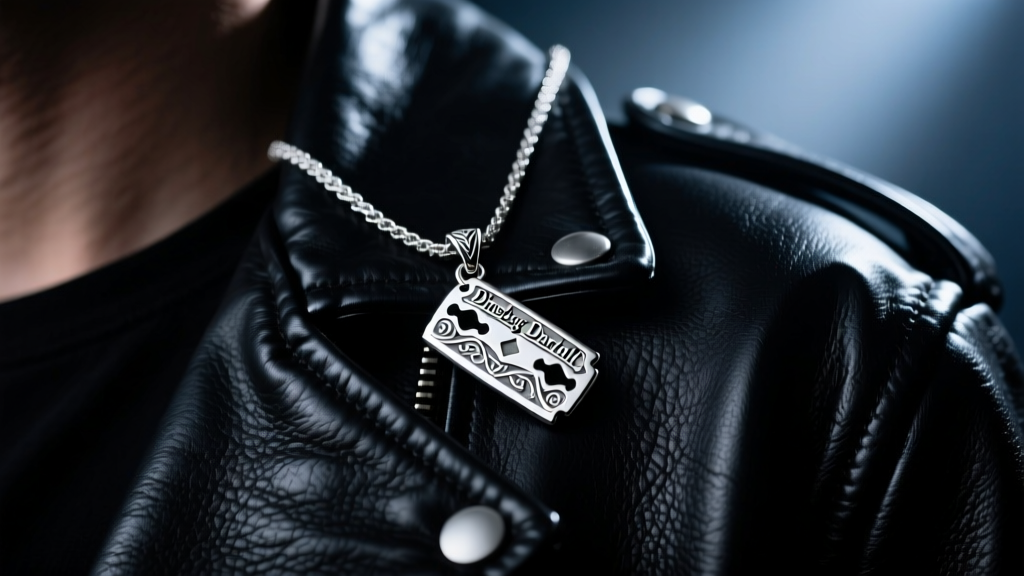
The Metallurgy of the Razor: Identifying Your Pendant
Owning a Dimebag Darrell razor necklace is about holding onto a piece of heavy metal history. Whether you are a Pantera collector or simply appreciate the aggressive, iconic aesthetic of the 'Far Beyond Driven' era, proper maintenance is non-negotiable. Because this pendant rests directly against the sternum—a high-sweat, high-friction zone—it is constantly exposed to sebum, dead skin cells, and environmental sulfur. Before you apply any cleaning agent, you must identify the exact metallurgy of your specific necklace, as using the wrong chemical can permanently destroy the finish.
925 Sterling Silver (Official & High-End Replicas)
Authentic merchandise and premium replicas are typically cast in 925 sterling silver. According to the Gemological Institute of America (GIA), sterling silver contains 92.5% pure silver and 7.5% alloy metals, usually copper. It is this copper content that reacts with hydrogen sulfide in the air and your sweat to form silver sulfide—the black tarnish that dulls the razor's edge. Look for a '925' stamp on the bail or the back of the blade.
316L Surgical Stainless Steel (Mid-Tier Daily Wearers)
Many modern replicas use 316L stainless steel. This austenitic steel contains molybdenum, which drastically increases its resistance to chloride corrosion (salt from sweat). It will not tarnish like silver, but it can accumulate a greasy film and develop micro-scratches that trap dirt.
Zinc Alloy / Zamak with Electroplating (Budget Replicas)
Cheaper variants are cast from Zamak (a zinc-aluminum-magnesium-copper alloy) and flash-plated with a microscopic layer of silver or chrome. If your Dimebag Darrell razor necklace feels unusually heavy but lacks a '925' stamp, and the price was under $30, it is likely plated. Aggressive polishing will strip this plating, exposing the porous zinc core to rapid oxidation.
Step-by-Step Cleaning Guide by Material Type
Once you have identified your metal, follow these specific protocols to restore the gleam without compromising the structural integrity of the pendant.
Protocol A: Restoring Sterling Silver
- Light Tarnish: Use a treated jeweler's cloth (such as a Sunshine Cloth). The cloth is impregnated with micro-abrasives and anti-tarnish agents. Rub the flat surfaces of the razor blade in straight lines, avoiding circular motions which can create visible swirl marks.
- Heavy, Blackened Tarnish: Create a galvanic bath. Line a glass bowl with aluminum foil (shiny side up). Place the silver razor inside, ensuring it touches the foil. Add 1 tablespoon of baking soda and pour boiling water over it. The chemical reaction transfers the sulfur from the silver to the aluminum. Remove after 3 minutes, rinse with distilled water, and pat dry.
- Warning: Never use toothpaste. The hydrated silica in toothpaste is far too abrasive and will scour the silver, leaving a matte, scratched finish.
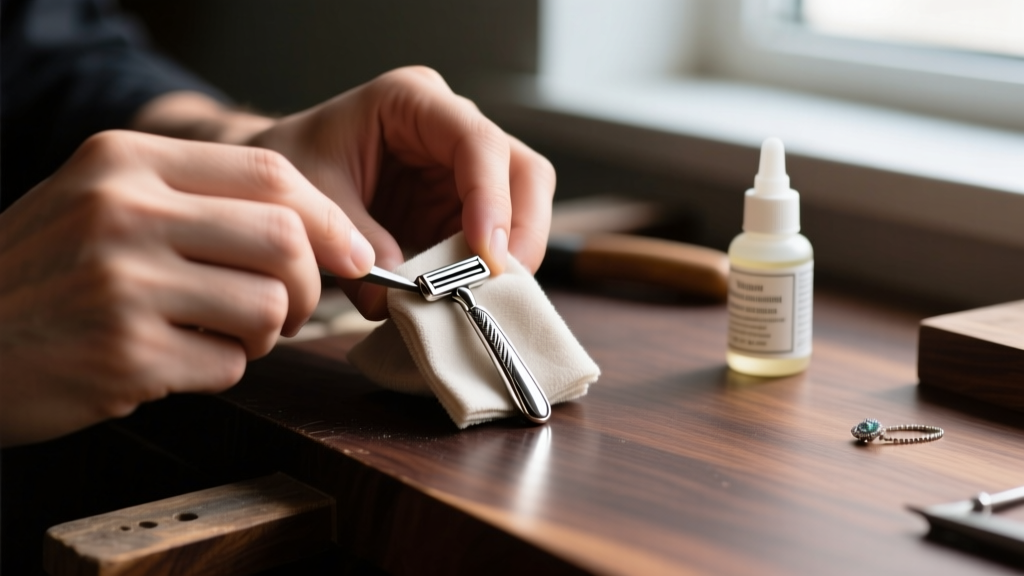
Protocol B: Degreasing Stainless Steel
Stainless steel doesn't tarnish, but it gets filthy. Fill a bowl with warm water and three drops of a high-quality grease-cutting dish soap (like Dawn). Submerge the steel Dimebag Darrell razor necklace for 15 minutes. Use a soft-bristled baby toothbrush to gently scrub the grooves and the bail where the chain connects. Rinse thoroughly and dry immediately with a microfiber cloth to prevent water spots.
Protocol C: Wiping Plated Base Metals
If your pendant is plated, never submerge it in water and never use chemical dips. Moisture can seep into microscopic casting pores and cause the underlying zinc to expand and crack the plating from the inside out (a phenomenon known as zinc pest). Simply wipe the surface gently with a barely damp microfiber cloth, then immediately buff it dry.
Chain Maintenance: The Hidden Dirt Trap
The razor pendant is heavy, requiring a robust chain—typically a Cuban link, curb, or rope chain. Rope chains are notoriously difficult to maintain because their spiral grooves act as a magnet for skin oils and lotion. According to Tiffany & Co. Care Guidelines, regular cleaning of the chain is just as vital as the pendant. For rope and Cuban chains, an ultrasonic jewelry cleaner filled with a mild alkaline solution is highly effective for stainless steel. However, do not use ultrasonic cleaners on sterling silver that features intentional oxidation (blackened accents) or on any plated metals, as the high-frequency cavitation will strip the finish.
Cleaning Agent Compatibility Chart
| Material | Safe Cleaners | Dangerous Cleaners | Ultrasonic Safe? |
|---|---|---|---|
| 925 Sterling Silver | Treated cloths, Aluminum/Baking Soda bath | Chlorine, Toothpaste, Bleach | No (removes oxidation) |
| 316L Stainless Steel | Dish soap, Ultrasonic, Isopropyl alcohol | Hydrochloric acid | Yes |
| Plated Zinc Alloy | Damp microfiber cloth only | Chemical dips, Baking soda, Submersion | No (strips plating) |
Storage and Display: Preserving the Edge
How you store your Dimebag Darrell razor necklace when you aren't wearing it dictates how much cleaning it will require later. Silver is highly reactive to sulfur and humidity. Storing it in a humid bathroom or tossing it into a PVC plastic bag will accelerate tarnishing. PVC releases sulfur-bearing gases as it degrades.
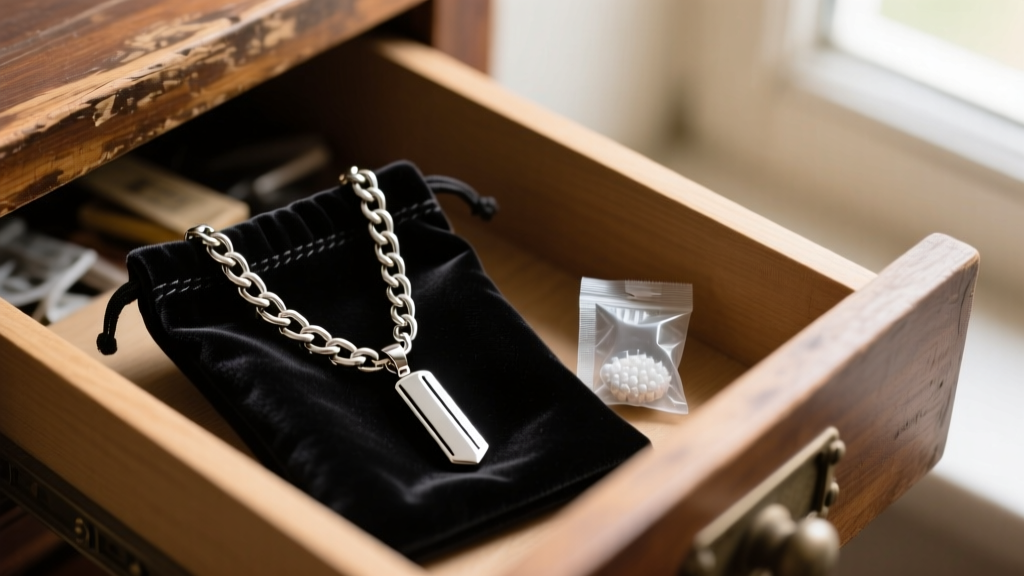
The Ideal Storage Protocol
- Use Polyethylene: Store the necklace in a ziplock bag made of polyethylene (PE), which is chemically inert and traps out ambient air.
- Add Anti-Tarnish Strips: Drop a 3M anti-tarnish strip into the bag. These strips absorb airborne sulfur compounds before they can reach your silver.
- Control Moisture: Include a small silica gel desiccant packet to absorb residual humidity from your skin.
- Prevent Scratching: The razor blade has sharp edges that can easily scratch other jewelry. Always store it completely isolated from other pendants or rings.
'Treating rock memorabilia with the same metallurgical respect as fine horology or high jewelry ensures that these cultural artifacts survive for the next generation of fans.' — Archival Jewelry Preservation Standards
Common Mistakes That Ruin Guitarist Pendants
Even dedicated fans make critical errors when caring for their gear. Avoid these three necklace-killers:
- Wearing it in the Pool or Hot Tub: Chlorine is highly corrosive. It causes stress corrosion cracking in sterling silver and severe pitting in lower-grade stainless steels. Always remove your razor pendant before swimming.
- Using Silver Dip on Plated Metals: Commercial liquid silver dips contain thiourea and strong acids. If you use this on a plated Zamak razor, it will dissolve the silver plating in seconds, leaving you with a dull, gray, crumbling base metal.
- Polishing Over Enamel or Paint: Some replica Dimebag Darrell razor necklaces feature black enamel detailing or painted logos. Abrasive polishing cloths will sand this detailing right off. Use a Q-tip dipped in mild soapy water to clean around painted areas instead.
Conclusion
Your Dimebag Darrell razor necklace is a bold statement piece that demands respect and proper care. By identifying your metal type, utilizing the correct chemical reactions for tarnish removal, and storing the piece in an inert, low-humidity environment, you will keep the blade looking as sharp and aggressive as the riffs that inspired it. Regular, gentle maintenance will always outperform aggressive, reactive deep-cleaning, ensuring your tribute to a metal legend remains flawless for decades to come.


