How To Clean Your Egyptian Necklace Name Cartouche Safely
Learn expert care and cleaning tips for your Egyptian necklace name cartouche. Protect gold, silver, lapis lazuli, and enamel from damage.

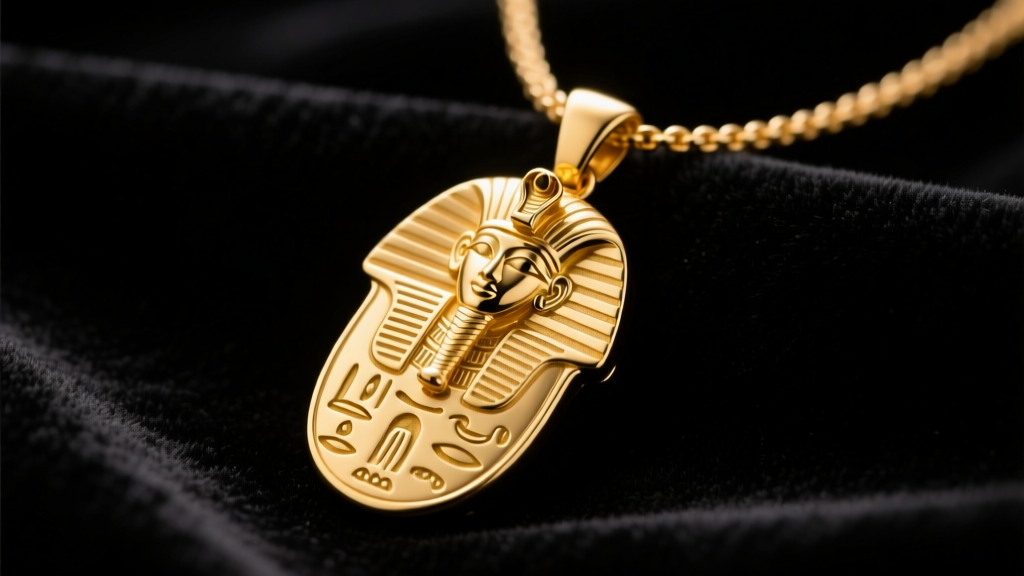
The True Egyptian Necklace Name: Understanding the Cartouche
When collectors, historians, and jewelry enthusiasts seek out an authentic egyptian necklace name, they are almost exclusively referring to the cartouche. Historically reserved for pharaohs and deities, the cartouche is an oval enclosure with a horizontal line at one end, symbolizing a rope tied to protect a royal name from evil spirits. Today, it remains one of the most culturally significant and highly sought-after personalized pendants in the world.
However, the very anatomy that makes the cartouche beautiful—its deep hieroglyphic carvings, intricate bezel settings, and frequent use of porous gemstones like lapis lazuli and turquoise—makes it a nightmare to clean if you use standard jewelry methods. As of 2026, many commercial jewelry cleaning dips on the market contain harsh thiourea-based chemicals that can permanently strip the antiquing from your carvings or dissolve the calcite matrix in natural gemstones. This comprehensive guide will teach you how to maintain, clean, and store your cartouche necklace without causing irreversible damage.
Material Breakdown: What Is Your Cartouche Made Of?
Before applying any liquid or brush to your pendant, you must identify its exact material composition. Egyptian-style cartouches are typically crafted from 18k yellow gold, sterling silver, or gold vermeil, and frequently feature inlays of lapis lazuli, turquoise, carnelian, or fired enamel. Each material reacts differently to cleaning agents.
| Material | Mohs Hardness | Ultrasonic Safe? | Steam Safe? | Primary Vulnerability |
|---|---|---|---|---|
| 18k Yellow Gold | 2.5 - 3.0 | Yes (if no stones) | Yes | Scratching, loss of intentional patina |
| Sterling Silver (925) | 2.5 - 3.0 | Yes (if no stones) | Yes | Sulfur tarnish, chemical stripping |
| Lapis Lazuli | 5.0 - 6.0 | NO | NO | Acid sensitivity, water absorption |
| Turquoise | 5.0 - 6.0 | NO | NO | Heat dehydration, color shifting |
| Fired Enamel | 5.5 - 6.5 | NO | NO | Thermal shock cracking, chipping |
According to the Gemological Institute of America (GIA), porous gemstones like turquoise and lapis lazuli act like microscopic sponges. Submerging them in commercial liquid cleaners will draw harsh chemicals deep into the stone's matrix, leading to permanent discoloration and structural weakening over time.
Step-by-Step Cleaning Guide for Metal-Only Cartouches
If your egyptian necklace name is solid 18k gold or sterling silver with no gemstone inlays or enamel, you can safely use a gentle wet-cleaning method. The primary challenge with a cartouche is the deep, narrow channels of the hieroglyphs where skin oils, lotion, and dead skin cells accumulate.
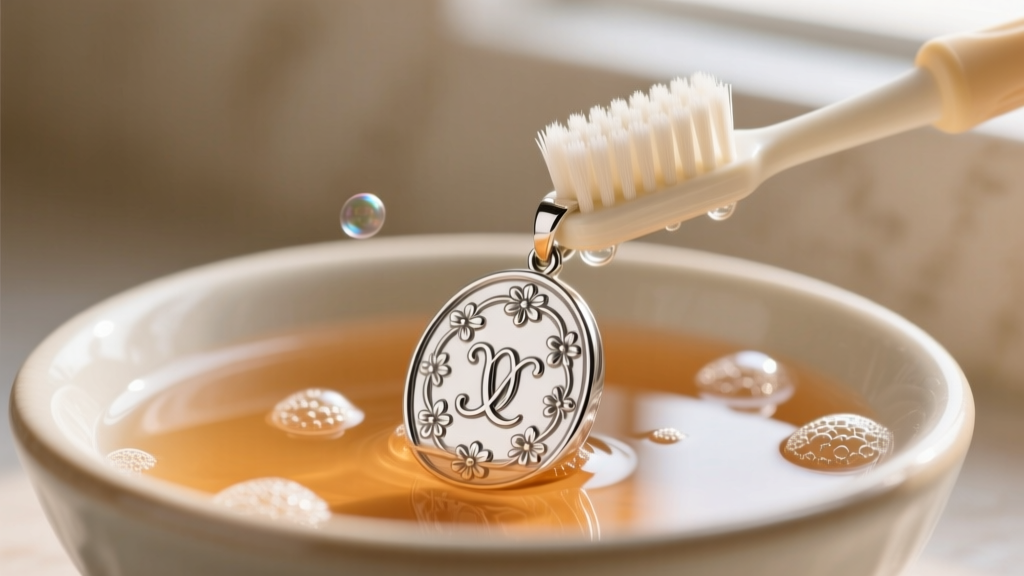
The Safe Soak and Agitation Method
- Prepare the Solution: Mix a few drops of pH-neutral dish soap (like original Dawn) into a bowl of lukewarm distilled water. Avoid tap water, as the chlorine and trace minerals can leave microscopic spots on high-polish gold.
- Soak Briefly: Submerge the metal-only cartouche for 5 to 10 minutes. This softens the sebum and cosmetic buildup trapped inside the carved symbols.
- Agitate Gently: Using an ultra-soft baby toothbrush (never a standard adult toothbrush, as the bristles are too stiff and will leave micro-scratches on 18k gold), gently brush the hieroglyphs. Brush in the direction of the carvings, not across them, to avoid catching and bending any thin gold walls.
- Rinse and Dry: Rinse thoroughly under lukewarm distilled water. Pat dry with a lint-free microfiber cloth. Use a can of compressed air or a hairdryer on the 'cool' setting to blow water out of the deepest crevices.
Expert Warning: Never use a metal needle or pin to dig dirt out of the hieroglyphic grooves. 18k gold is exceptionally soft, and a steel pin (Mohs 6.5) will instantly gouge the metal, leaving permanent, visible scratches inside the carvings. Use a wooden toothpick if you must dislodge stubborn debris.
Specialized Care for Inlaid Gemstones and Enamel
The most breathtaking cartouches feature intricate inlays of lapis lazuli, turquoise, and carnelian, mimicking the treasures found in Tutankhamun's tomb. Cleaning these requires a completely different, dry-first approach. The American Gem Society (AGS) consistently warns against using ultrasonic cleaners on any jewelry with inlaid or porous stones.
The 'Never Do This' List for Inlaid Cartouches
- Never use ultrasonic cleaners: The high-frequency vibrations will shatter porous turquoise and loosen the delicate bezel settings holding the lapis lazuli in place.
- Never use steam cleaners: Sudden thermal shock will cause fired enamel to crack and pop out of its gold recesses. It will also dehydrate turquoise, causing it to turn from a vibrant sky blue to a dull, dead green.
- Never use silver dip solutions: The thiourea and sulfuric acid in quick-dip silver cleaners will instantly eat away the calcite and pyrite flecks in lapis lazuli, leaving a pitted, chalky white surface.
How to Clean Inlaid Pieces Safely
For inlaid cartouches, avoid submersion entirely. Dampen a cotton swab (Q-tip) with a tiny amount of mild soapy water. Carefully trace the metal bezels and the surface of the stones, using the dry end of the swab to immediately absorb any excess moisture. For the metal back of the pendant, you can use a slightly damp microfiber cloth, ensuring no water seeps around the edges of the stone settings.
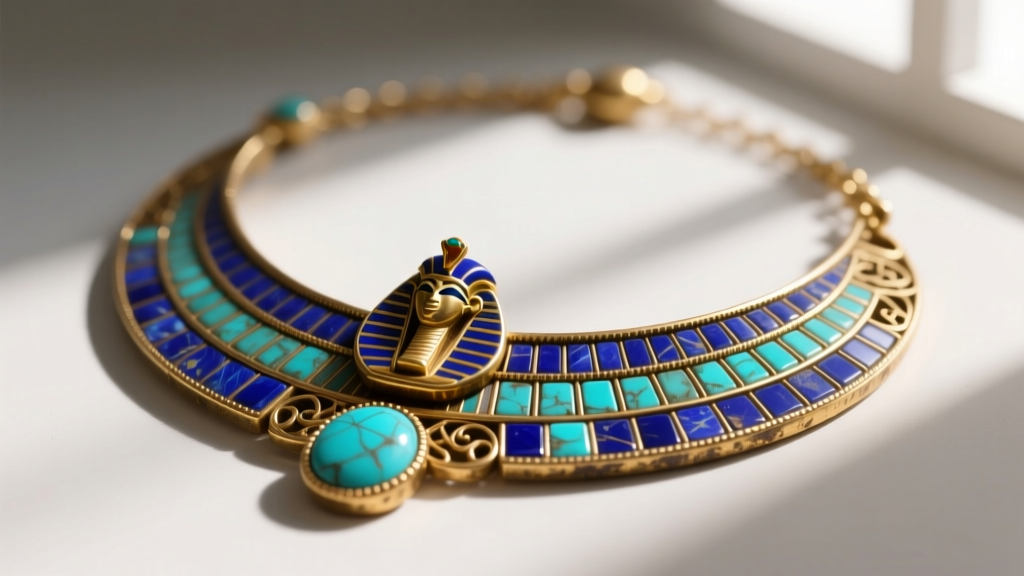
Polishing and Restoring the Shine Without Ruining Patina
Many high-end Egyptian cartouches are intentionally 'antiqued' or oxidized. This means the jeweler has applied a darkening agent (like liver of sulfur for silver, or specialized patinas for gold) into the recessed hieroglyphs to make the symbols stand out in stark contrast against the polished high points of the oval.
If you aggressively polish your cartouche with a standard jeweler's rouge cloth, you will strip away this dark oxidation, leaving you with a flat, hard-to-read pendant. Only polish the raised, smooth outer rim and the flat back of the cartouche. Use a high-quality, untreated microfiber cloth for the recessed areas to remove oils without disturbing the intentional darkening. If your silver cartouche has heavily tarnished in the grooves and you want to keep the dark contrast, simply leave it alone; the dark tarnish mimics the original antiquing effect.
Proper Storage to Prevent Tarnish and Scratching
Maintenance doesn't stop when the cleaning is done. How you store your egyptian necklace name dictates how often you will need to clean it.
The Anti-Tarnish Storage Protocol
- Use Pacific Silvercloth: If your cartouche is sterling silver or gold vermeil, store it in a pouch made of Pacific Silvercloth. This specialized fabric is embedded with microscopic silver particles that intercept and absorb sulfur gases in the air before they can reach your jewelry.
- Include 3M Anti-Tarnish Strips: Place a small, activated carbon anti-tarnish tab in your jewelry box drawer. These strips neutralize airborne pollutants and typically last for 6 to 12 months before needing replacement.
- Isolate the Pendant: The horizontal line at the base of the cartouche (representing the tied rope) often features sharp, angular edges. If tossed into a communal jewelry box, this edge will easily scratch softer pearls or become tangled in delicate cable chains. Always store the cartouche in its own soft flannel pouch.
By understanding the unique material vulnerabilities of the cartouche and abandoning harsh, mass-market chemical dips, you ensure that your personalized piece of Egyptian history remains vibrant, legible, and structurally sound for generations to come.


