Ross and Simons Necklace Review: Metals, Quality & Value
An expert technical review of the Ross and Simons necklace collection, analyzing metal grades, chain tensile strength, and diamond melee quality.

The Metallurgy of Commercial Fine Jewelry
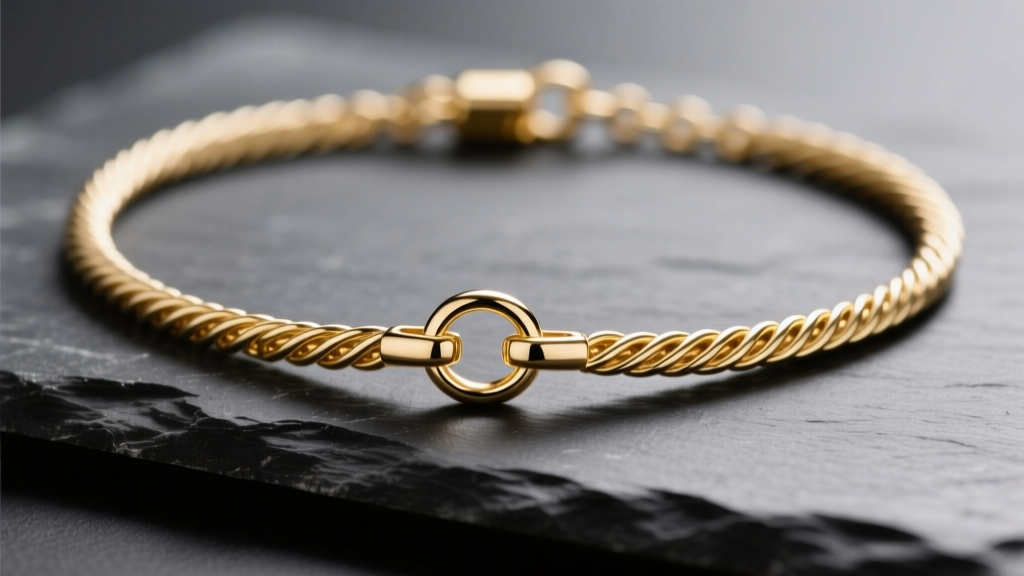
When evaluating a Ross and Simons necklace, it is essential to look past the marketing imagery and examine the metallurgical realities of commercial fine jewelry. Ross-Simons operates in the accessible luxury space, meaning their inventory relies heavily on 925 sterling silver, gold vermeil, and 10k to 14k solid gold alloys. Understanding the exact composition of these metals is critical for predicting tarnish rates, skin reactions, and long-term structural integrity.
Sterling silver is an alloy consisting of 92.5% pure silver and 7.5% copper. While pure silver is highly resistant to oxidation, the copper additive is necessary to achieve a Vickers Hardness (HV) of roughly 65, making it durable enough for chain links. However, copper is highly reactive to sulfur and moisture in the environment. To mitigate this, many commercial silver necklaces are flashed with a micro-thin layer of rhodium. This plating delays tarnishing but typically wears away within 6 to 12 months at high-friction areas like the nape of the neck, eventually requiring chemical polishing or professional re-dipping.
Gold Vermeil vs. Standard Plating
The Federal Trade Commission (FTC) strictly regulates the term 'vermeil.' According to the FTC Guides for the Jewelry Industry, a piece must feature a sterling silver base coated with at least 2.5 microns of 10k gold or higher to be legally marketed as vermeil. Many Ross-Simons vermeil pieces meet this baseline standard. However, compared to heavy-electroplated luxury brands that utilize 3.5 to 5.0 microns of 18k gold, a 2.5-micron layer will eventually wear through to the silver substrate, particularly on pendant bails and chain links that experience constant metal-on-metal friction.
Chain Link Architecture and Tensile Limits
The structural longevity of any necklace is dictated by its chain architecture and whether the links are soldered. Ross-Simons offers a wide variety of chain styles, but their technical performance varies drastically based on the link geometry.
- Cable and Curb Chains: These feature simple, interlocking oval links. If unsoldered, a sudden tensile shock (e.g., the chain getting caught on a garment) will cause the links to pull apart rather than snap. This is actually a beneficial failure mode, as a jeweler can easily push the link back together and solder it.
- Box Chains: Constructed from folded square links, box chains offer excellent drape but are notorious for permanent stretching. Once the folded metal yields under weight, the chain cannot be easily compressed back to its original state without specialized laser welding.
- Rope Chains: While visually striking, machine-made rope chains under 1.5mm in diameter are highly susceptible to micro-fractures. The twisting process used to manufacture them work-hardens the metal, making it brittle over time when exposed to lotions and perfumes.
For pendants weighing over 5 grams, we strongly recommend avoiding hollow-core chains. Solid 14k gold (approx. 120-140 HV) provides the necessary yield strength to support heavier gemstone settings without permanent deformation.
Clasp Mechanics: Spring Ring vs. Lobster
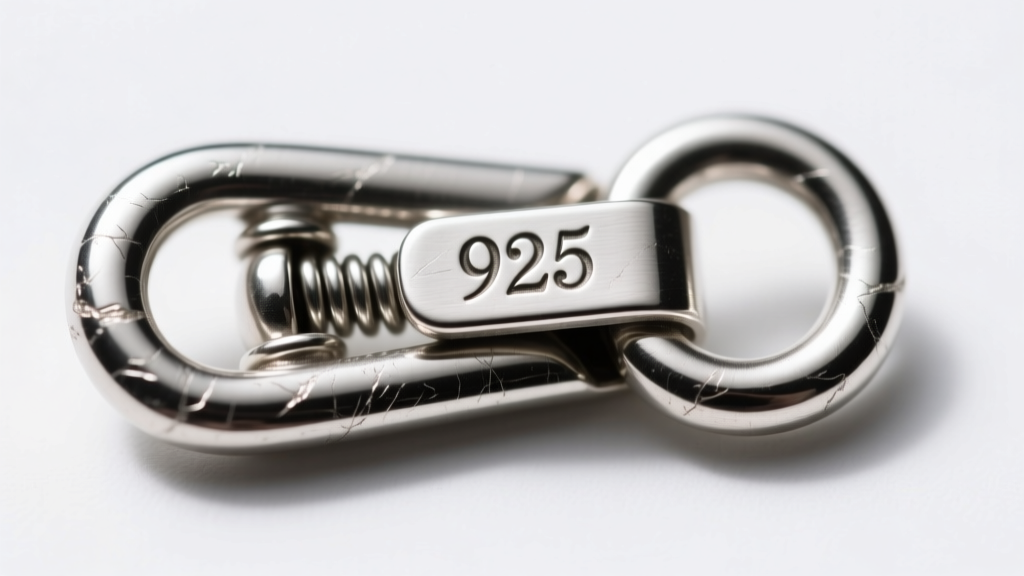
A necklace is only as secure as its weakest mechanical component. The majority of entry-level and mid-tier necklaces utilize either spring ring or small lobster clasps. Spring rings rely on an internal coiled steel spring and a tiny external lever. Over time, the lever can bend, or the internal spring can suffer from tension loss, resulting in a clasp that fails to close flush against the jump ring. This creates a micro-gap that easily slips off the eyelet during wear.
Lobster clasps offer a more robust internal mechanism and a heavier casting, making them the superior choice for chains supporting valuable pendants. When inspecting a Ross-Simons lobster clasp, look for the '925' or '14k' quality stamp directly on the clasp body, not just the attached jump ring, to ensure the entire assembly meets precious metal standards.
Gemstone Grading: The Reality of Commercial Melee
When purchasing diamond pendants from commercial retailers, buyers must adjust their expectations regarding gemological grading. The GIA Diamond Clarity Scale categorizes stones based on the visibility of inclusions under 10x magnification. The vast majority of commercial diamond necklaces in the $300 to $1,500 price range utilize I1 (Included 1) or I2 clarity melee.
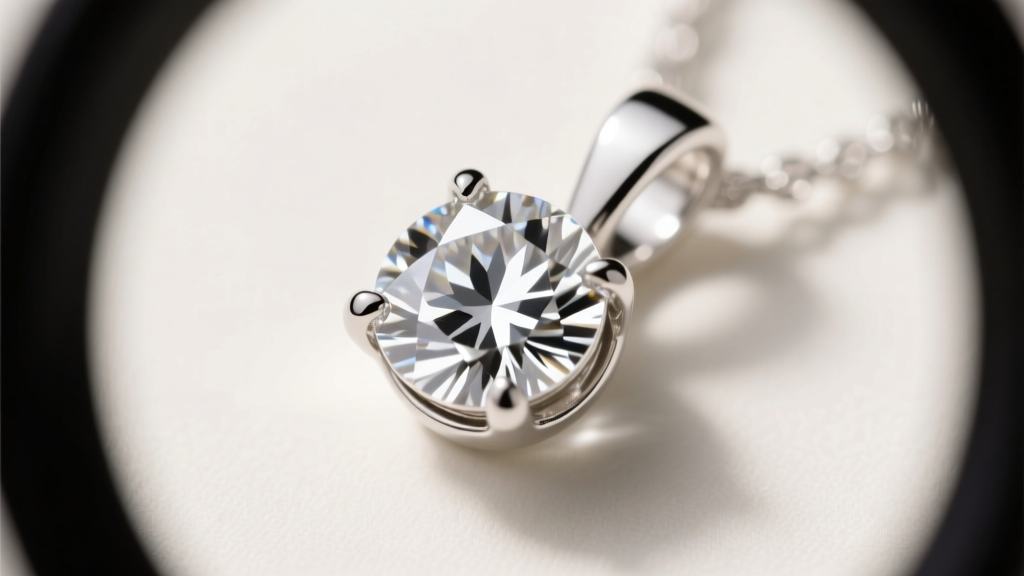
At the I1-I2 level, carbon inclusions and internal feathers are often visible to the naked eye. Furthermore, commercial diamonds are frequently cut for 'spread' rather than optical brilliance. A cutter might polish a 0.25-carat diamond to a 4.2mm diameter (instead of the ideal 4.1mm) by shallowing the pavilion depth. While this makes the stone appear larger in a bezel or prong setting, it causes severe light leakage, resulting in a glassy, lifeless appearance in low-light environments. For buyers prioritizing sparkle over carat weight, seeking out SI1-SI2 clarity stones with Excellent or Very Good cut grades is paramount, even if it requires a slight compromise on total carat weight.
Comparative Value Matrix
To contextualize the value proposition of a Ross and Simons necklace, we must compare its material specifications and pricing structures against direct-to-consumer and traditional luxury brands.
| Brand | Typical Metal Base | Avg. Diamond Clarity | Est. Markup Multiplier | Standard Clasp Type |
|---|---|---|---|---|
| Ross-Simons | 925 Silver / 14k Vermeil | I1 - I2 | 1.5x - 2.2x | Spring Ring / Small Lobster |
| Mejuri | Solid 14k Gold | SI1 - SI2 | 2.5x - 3.0x | Custom Branded Lobster |
| Blue Nile | Solid 14k/18k / Platinum | VS2 - SI1 | 1.2x - 1.6x | Secure Heavy Lobster |
| Tiffany & Co. | Solid 18k / Platinum | VS1+ | 4.5x - 6.0x | Proprietary Box / Lobster |
As the data illustrates, Ross-Simons occupies a highly competitive space regarding base pricing and markup. You are paying a much lower premium for brand heritage compared to legacy houses, but you must accept the trade-offs in baseline diamond clarity and the use of vermeil or lower-karat alloys.
Long-Term Maintenance and Refurbishment
Maintaining commercial jewelry requires an understanding of chemical interactions. Never use ultrasonic cleaners on fracture-filled diamonds or porous gemstones like opals and turquoise, which are frequently featured in seasonal Ross-Simons collections. The high-frequency cavitation can shatter treated stones or strip chemical fillers from internal fissures.
Expert Tip: To extend the life of gold vermeil chains, avoid applying perfumes, sunscreens, or lotions directly to the clavicle before putting on the necklace. The alcohols and emulsifiers in cosmetics act as mild solvents, accelerating the degradation of the gold micron layer and exposing the reactive copper-silver alloy beneath.
Ultimately, a Ross and Simons necklace offers excellent aesthetic value and trend accessibility for the informed buyer. By understanding the mechanical limits of the chain links, the wear-rate of vermeil plating, and the optical realities of commercial melee diamonds, you can make highly strategic purchasing decisions that maximize both longevity and visual impact.


