How to Clean, Restore, and Care for an Elk Tooth Necklace
Learn expert techniques to clean, polish, and store your elk tooth necklace. Protect the enamel and metal settings with our detailed maintenance guide.

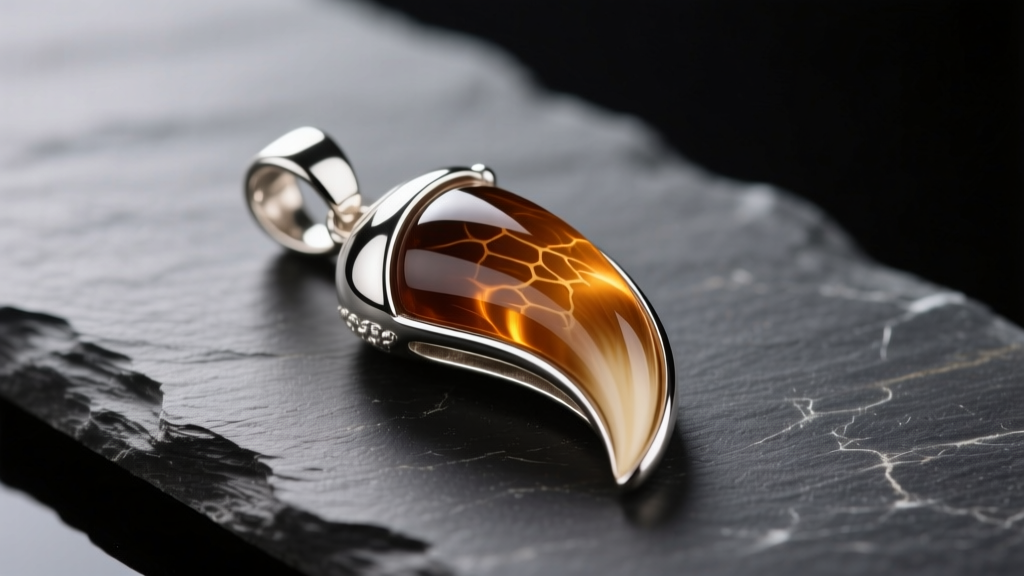
The Unique Composition of Elk Ivories
Elk teeth, commonly referred to as ivories, buglers, or whistlers, are vestigial canine teeth that possess a distinct biological makeup compared to standard bone or antler jewelry. To properly care for an elk tooth necklace, you must first understand its anatomy. The tooth consists of three primary layers: the outer enamel, the middle dentin, and the root cementum. The enamel cap on an elk ivory is relatively thin but highly polished by nature, while the underlying dentin is a porous, organic matrix rich in collagen. This porosity makes the tooth incredibly susceptible to absorbing skin oils, lotions, and environmental pollutants, which can lead to permanent yellowing or structural degradation if neglected.
Unlike inorganic gemstones such as diamonds or sapphires, elk teeth are organic gem materials. According to the Smithsonian Museum Conservation Institute, organic materials like bone, ivory, and teeth require strict environmental controls and specialized, non-abrasive cleaning protocols to prevent the collagen matrix from breaking down over time.
Environmental Hazards and Daily Wear
Wearing your elk tooth necklace daily exposes it to a variety of chemical and physical stressors. Human sweat has a pH ranging from 4.5 to 7.0, and its mild acidity can slowly etch the surface of the enamel, leaving it dull and micro-porous. Furthermore, everyday grooming products—such as aerosol hairsprays, alcohol-based perfumes, and chemical sunscreens—can penetrate the microscopic fissures in the tooth, causing deep-set staining that cannot be wiped away.
Ultraviolet (UV) radiation is another silent enemy. Prolonged exposure to direct sunlight dries out the organic moisture within the dentin core. As the internal moisture evaporates, the tooth becomes brittle and prone to hairline fractures, commonly known as checking. To preserve the structural integrity and the creamy, natural luster of the ivory, it is vital to adopt a proactive maintenance routine.
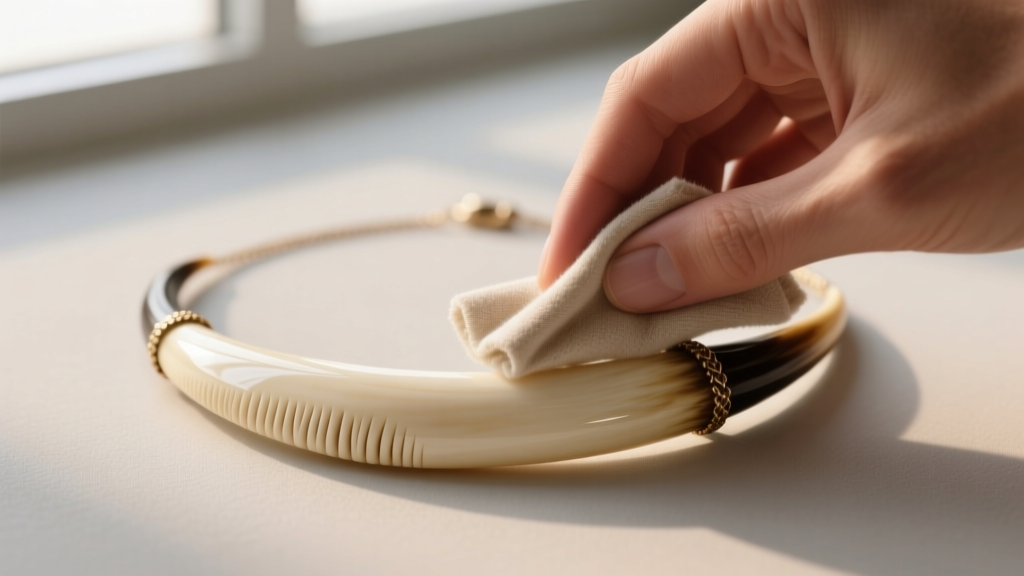
Step-by-Step Cleaning Protocol
Cleaning an elk tooth necklace requires a bifurcated approach: one method for the organic tooth, and another for the metal setting and suspension cord. Never submerge the entire piece in liquid, as water can become trapped between the tooth and the metal bezel, leading to hidden tarnish, rust, or mold growth.
Cleaning the Organic Tooth
- Dry Dusting: Begin by using a clean, dry, ultra-fine microfiber cloth to gently buff the surface of the tooth. This removes loose dust and skin cells without grinding them into the enamel.
- Targeted Spot Cleaning: If the tooth has visible grime, dampen a cotton swab with distilled water (never tap water, as chlorine and fluoride can react with the organic matrix). Gently roll the swab over the soiled areas.
- Mild Surfactant: For stubborn oils, mix a single drop of pH-neutral castile soap into a small bowl of distilled water. Dip a soft-bristled baby toothbrush into the solution, shake off the excess moisture, and lightly brush the tooth in circular motions.
- Drying: Immediately pat the tooth dry with a lint-free cloth. Allow it to air-dry completely at room temperature before storing. Never use a hairdryer or place it near a heat source, as rapid temperature changes will cause the dentin to crack.
Maintaining the Metal Setting and Cord
Most high-quality elk tooth pendants are set in sterling silver (925), brass, or gold. Sterling silver is prone to tarnishing due to sulfur compounds in the air. According to The Silver Institute, the safest way to clean sterling silver is with a treated silver polishing cloth. Carefully fold the cloth and use a wooden toothpick to press the fabric into the crevices of the bezel setting, ensuring you do not accidentally scrape the silver polish onto the elk tooth itself, as the micro-abrasives can dull the enamel.
If your necklace is strung on a leather or sinew cord, wipe it down with a barely damp cloth. Avoid saddle soaps or leather conditioners, as these will darken the leather and transfer oils onto the bottom of the elk tooth where it rests against the skin.
Cleaning Agents: What to Use and What to Avoid
Using the wrong chemical cleaner can permanently ruin an elk ivory. Below is a definitive guide to cleaning agents and their effects on organic tooth material and metal settings.
| Cleaning Agent | Safe for Elk Tooth? | Safe for Sterling Silver? | Notes & Risks |
|---|---|---|---|
| Distilled Water | Yes | Yes (if dried) | Safe for spot cleaning; prevents mineral deposits. |
| pH-Neutral Soap | Yes | Yes | Use sparingly; rinse/dry immediately. |
| Silver Polishing Cloth | No | Yes | Abrasives will scratch and dull the tooth enamel. |
| Hydrogen Peroxide | No | No | Destroys the collagen matrix; causes severe brittleness. |
| Ultrasonic Cleaners | No | Yes | High-frequency vibrations will shatter micro-fissures in the ivory. |
| Liquid Silver Dip | No | Yes | Acidic chemicals will seep into the bezel and stain the tooth root. |
Long-Term Storage and Humidity Control
Proper storage is just as critical as cleaning. Organic materials are hygroscopic, meaning they absorb and release moisture from the surrounding air. The ideal relative humidity (RH) for storing an elk tooth necklace is between 40% and 50%. If the environment is too dry (below 30%), the tooth will desiccate and crack. If it is too humid (above 60%), the metal setting will rapidly tarnish, and mold spores can colonize the porous dentin.
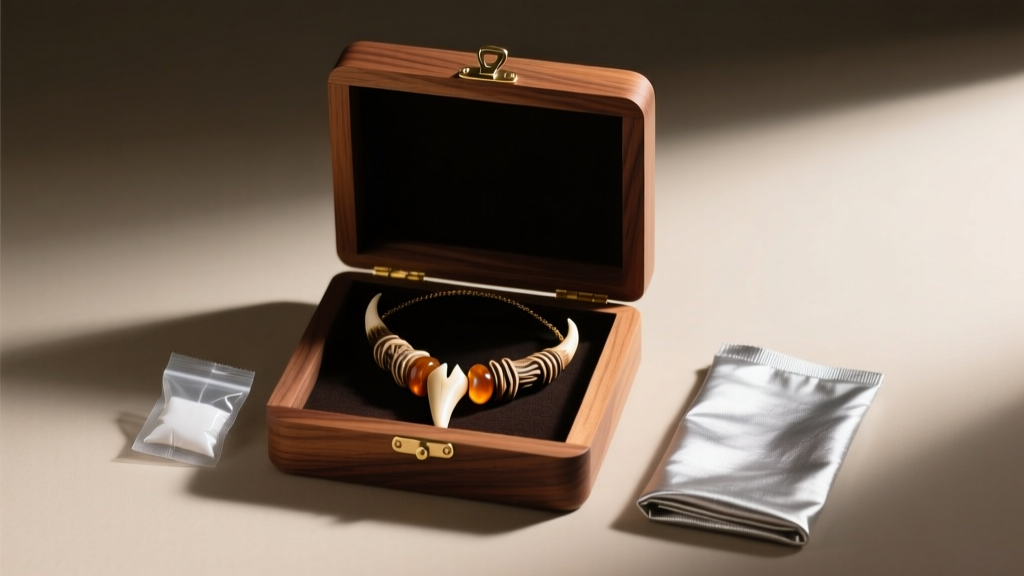
Store your necklace in a breathable cotton or muslin pouch. Avoid airtight plastic ziplock bags, which can trap moisture and off-gas volatile organic compounds (VOCs) that degrade organic materials. Place a small, indicating silica gel packet inside your jewelry box to buffer humidity fluctuations, but ensure the silica packet does not directly touch the silver setting or the tooth.
Troubleshooting Common Elk Tooth Issues
Dealing with Yellowing and Patina
Over time, elk teeth naturally develop a warm, yellowish patina due to the oxidation of the organic compounds within the dentin. Many collectors and hunters prize this aging as a sign of authenticity and history. However, if the yellowing is caused by surface oils and you wish to restore the original creamy white hue, you can create a gentle paste using baking soda and distilled water. Apply it with a soft cloth, rub very lightly, and wipe clean. Never use household bleach, as the sodium hypochlorite will dissolve the structural proteins of the tooth.
Addressing Hairline Fractures
If you notice a hairline crack developing on the surface of the enamel, stop wearing the necklace immediately. In professional conservation, thin cyanoacrylate (CA glue) is sometimes used to wick into and stabilize micro-fractures in organic artifacts. However, for a piece of fine jewelry, it is highly recommended to take the pendant to a bench jeweler or a specialist in organic gems who can assess whether the tooth requires a stabilizing resin treatment or a more secure bezel wrap to prevent the crack from propagating.
Loose Bezel Settings
Because elk teeth are irregularly shaped, custom bezels are often hand-fabricated. Over years of wear, the metal wall of the bezel can pull away from the tooth. Do not attempt to squeeze the metal back into place with household pliers, as the localized pressure will easily shatter the brittle enamel. A professional jeweler can use a bezel pusher and a burnisher to safely tighten the metal against the tooth without applying destructive point-pressure.
Conclusion
An elk tooth necklace is more than just a piece of jewelry; it is a biological artifact and a deeply personal trophy. By understanding the delicate balance between its organic tooth structure and its metallic setting, you can ensure it remains a pristine heirloom for generations. Stick to distilled water, avoid harsh chemicals, control your storage humidity, and rely on gentle mechanical cleaning to preserve the legacy of your elk ivory.


