Necklaces With Meanings: Troubleshooting Faded Engravings & Tarnish
Learn how to restore necklaces with meanings. Troubleshoot faded custom engravings, tarnished symbolic pendants, and protect sentimental jewelry.

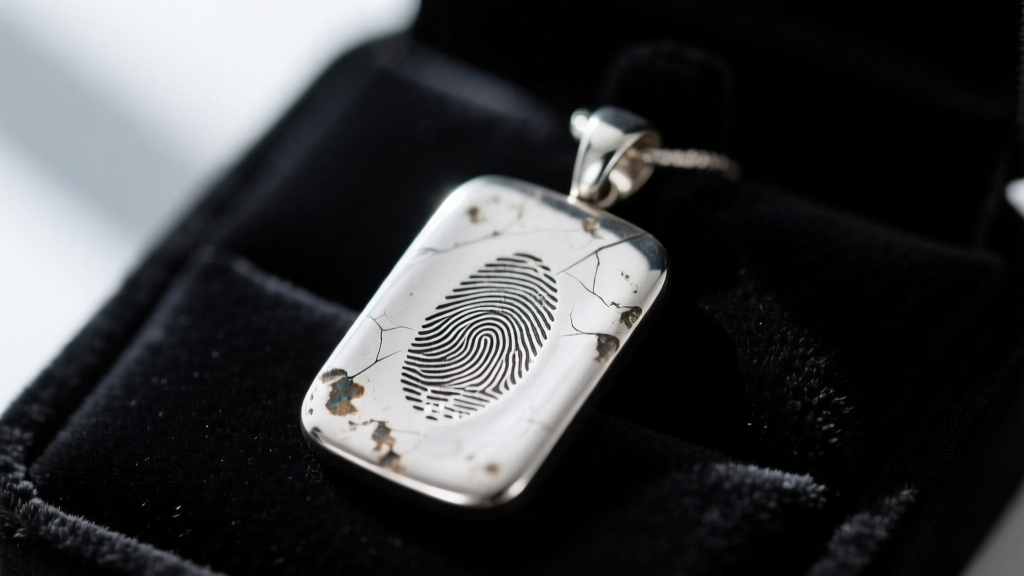
Sentimental jewelry carries an emotional weight that transcends its material value. Whether it is a custom coordinate disc marking where you met your partner, a Morse code bar spelling out a child's name, or an ancestral Hamsa pendant, necklaces with meanings are often worn 24/7. However, this constant exposure to skin oils, friction, and environmental pollutants creates a unique set of problems. The very details that give these pieces their meaning—micro-engravings, oxidized grooves, and delicate enamel work—are the first to degrade.
As a bench jeweler and style archivist, I see countless clients heartbroken when their sentimental pieces become illegible or structurally compromised. This guide moves beyond generic cleaning advice to troubleshoot the specific failure modes of meaningful jewelry, offering professional-grade solutions to restore and preserve your most cherished talismans.
The Fading Epidemic: Troubleshooting Lost Engravings
The most common complaint with personalized necklaces is the fading of laser engravings, particularly fingerprints, handwriting, or soundwave patterns. To fix this, we must first understand why it happens.
Laser vs. Rotary Engraving: The Depth Problem
Most mass-market custom jewelers use fiber laser engraving. Lasers alter the surface color of the metal through oxidation but rarely cut deeper than 0.05 millimeters. On softer metals like Sterling Silver (Mohs hardness 2.5-3) or high-karat gold, daily friction against clothing and skin effectively "sands" the laser marks away within 12 to 24 months.
The Fix: If your meaningful engraving has faded, a laser cannot simply be "touched up" over the worn area without creating a blurred, illegible mess. You must take the piece to a jeweler who specializes in diamond-drag rotary engraving. A diamond stylus physically carves into the metal to a depth of 0.2mm or more. To ensure the deep grooves remain visible even as the metal naturally wears down over decades, request a black enamel inlay. The jeweler will paint a specialized two-part epoxy resin into the carved grooves and bake it, creating a permanent, high-contrast seal that will never fade.
Tarnished Talismans: Saving Oxidized Symbolic Pendants
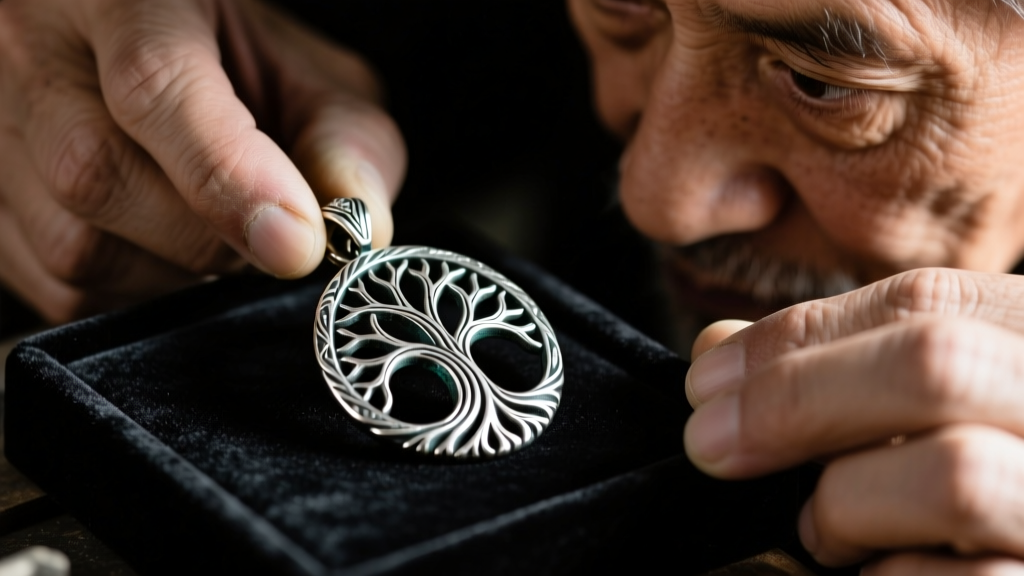
Many cultural and spiritual symbols—such as the Celtic Trinity Knot, the Evil Eye, or the Tree of Life—rely on a technique called "antiquing" or "oxidation" to make the design pop. Jewelers intentionally apply a chemical compound (usually liver of sulfur / potassium sulfide) to the silver, turning the entire piece black, and then polish the high spots. The resulting black recesses provide the contrast needed to read complex symbolic meanings.
The Baking Soda and Ultrasonic Trap
When well-meaning owners notice general tarnish on their silver amulets, they often turn to DIY baking soda baths or commercial silver dip solutions. Never do this to an oxidized symbolic pendant. These methods strip the intentional liver of sulfur from the recesses, leaving you with a flat, completely shiny disc where the intricate knotwork or facial features of a deity are rendered entirely invisible. Similarly, ultrasonic cleaners will vibrate the dark patina right out of the grooves.
How to Re-Antique and Restore Contrast
If your meaningful pendant has lost its contrast, you can restore it using professional bench techniques:
- The Professional Route: Purchase a gel-based silver blackener (like Jax Silver Blackener). Apply it strictly to the recesses using a fine-tipped brush or a cotton swab. Let it sit for 60 seconds, then gently buff the high surfaces with a microfiber cloth and a pinch of jeweler's rouge.
- The At-Home Emergency Fix: Hard-boil an egg, remove the yolk, and place it in a sealed ziplock bag with your pendant (ensure the yolk and metal do not physically touch). The sulfur gases released by the cooling yolk will naturally darken the silver recesses within 4 hours. Polish the raised areas afterward.
Cultural & Symbolic Mishaps: Verifying Your Meaning
A major, often overlooked problem with necklaces with meanings is the proliferation of inaccurate symbols in fast-fashion jewelry. When a piece is meant to serve as a spiritual anchor or cultural homage, an inverted or misstamped symbol defeats the purpose and can even be offensive.
The Troubleshooting Checklist for Symbolic Accuracy
- Runic Errors: Mass-produced "Viking" compass (Vegvísir) pendants frequently feature misspelled or mirrored runes. For example, the Algiz rune (protection) is often stamped upside down, which historically signifies vulnerability or death. Always cross-reference runic jewelry with the Gemological Institute of America (GIA) or academic runic databases before purchasing.
- Zodiac Date Misalignments: Custom constellation necklaces often rely on generic tropical zodiac dates rather than the actual astronomical sidereal positions of the stars on a specific birth date. If the meaning is tied to a birth chart, provide the jeweler with an exact star map generated by astronomical software rather than letting them use a generic "Leo" stamp.
- Hebrew and Sanskrit Typos: Pendants featuring Hamsas or Om symbols are frequently cast from degraded molds, resulting in blurred or missing diacritical marks in the Sanskrit, or misspelled Hebrew words (like 'Chai'). Always have a native speaker or linguist verify the CAD (Computer-Aided Design) file before a custom piece is cast.
Structural Integrity: Clasps and Chains for 24/7 Wear
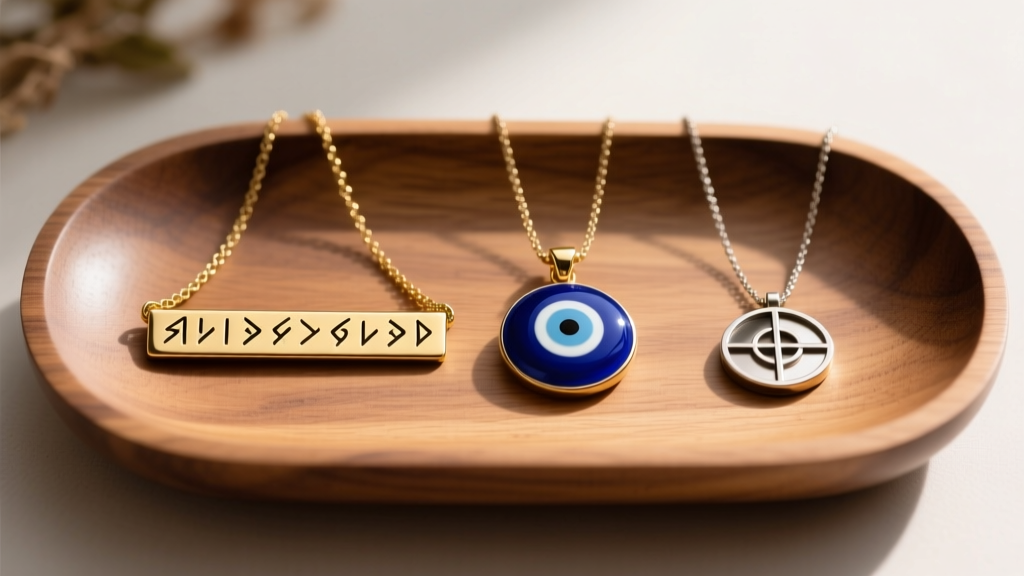
Because necklaces with meanings are rarely taken off, the mechanical points of failure are vastly accelerated. A meaningful pendant lost down a shower drain or snapped during sleep is a devastating event. Troubleshooting the chain and clasp is just as vital as preserving the pendant.
| Component | Common Failure Mode | Expert Upgrade / Solution |
|---|---|---|
| Spring Ring Clasp | Internal spring corrodes from sweat; clasp snaps open during sleep. | Upgrade to a Solid Lobster Clasp or a Box Clasp with a Figure-8 Safety Catch. |
| Welded Jump Rings | Friction wears the metal thin, causing the ring to pull apart and drop the pendant. | Replace with Soldered Jump Rings (where the seam is fused with silver/gold solder, not just pinched shut). |
| Hollow Cables | Thin, hollow chains stretch and permanently deform under the weight of heavy stone amulets. | Switch to a Solid Wheat or Rope Chain (minimum 1.5mm width) for high tensile strength. |
Preventative Care Framework for Sentimental Pieces
To ensure your meaningful jewelry survives for generations, implement a preventative care matrix based on the material and the type of meaning it holds.
"Sentimental jewelry isn't just metal; it's a physical archive of a memory. Treating a fingerprint pendant with the same harsh chemicals you use on a plain wedding band is a recipe for erasing the very memory you paid to immortalize." — Master Bench Jeweler, Rio Grande Metalworking Symposium
For 14k Solid Gold Coordinate Bars, use a mild dish soap and a baby toothbrush. Avoid ultrasonic cleaners if the bar features micro-pave diamonds, as the vibrations can loosen the tension-set stones. For Sterling Silver Fingerprint Pendants, bypass liquid polishes entirely. Instead, store the necklace in a Pacific Silvercloth pouch when not in use, and wipe it down with a dry, untreated microfiber cloth after wearing to remove the acidic skin oils that accelerate surface degradation.
Ultimately, the longevity of necklaces with meanings relies on proactive maintenance. By understanding the metallurgy of your piece, respecting the chemistry of its finishes, and verifying the accuracy of its symbols, you ensure that the physical object remains as enduring as the memory it represents.


