Orange Stone Necklace Buying Guide: What to Look For
Discover how to choose the perfect orange stone necklace. Compare spessartite garnet, carnelian, and sunstone, plus expert tips on color, cut, and pricing.

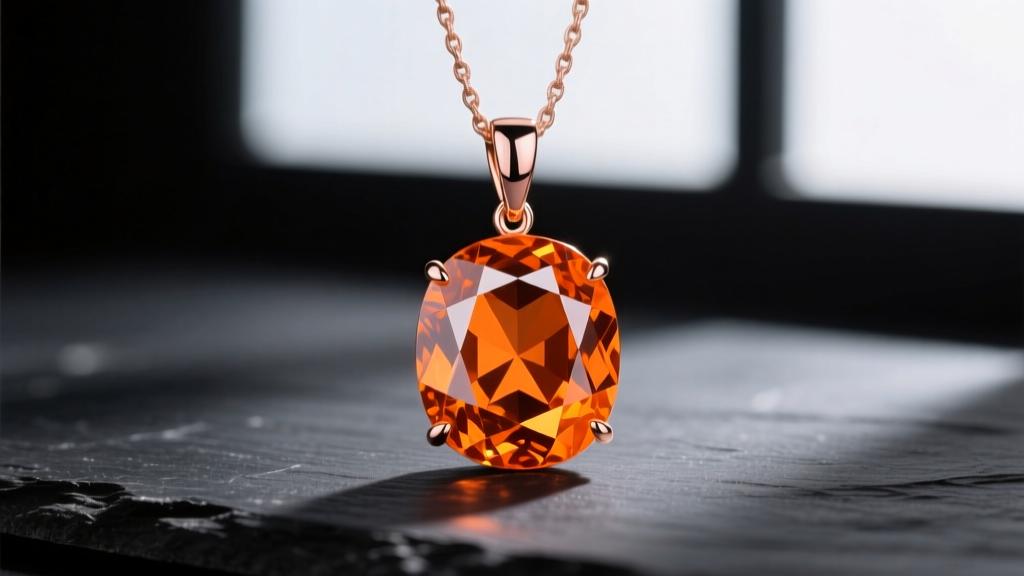
The Allure of Orange Gemstones in 2026
As we navigate the 2026 jewelry market, the demand for warm, earth-toned gemstones has surged, moving beyond traditional reds and blues. An orange stone necklace offers a unique bridge between neutral, everyday wear and bold, high-fashion statement pieces. Orange gemstones are exceptionally versatile, complementing a wide array of skin undertones—from deep melanic skin to fair complexions with peachy undertones. However, the 'orange' category is fraught with misidentified stones, synthetic imitations, and undisclosed treatments. This comprehensive buying guide will help you navigate the mineralogical realities, pricing structures, and setting requirements for the most coveted orange gemstones available today.
Top Orange Gemstones: A Comparative Breakdown
Not all orange stones are created equal. The durability, optical properties, and market value vary drastically across different mineral families. Below is a structured comparison of the top five orange gemstones used in fine necklaces.
| Gemstone | Mohs Hardness | Typical Price (Per Carat) | Durability & Wearability |
|---|---|---|---|
| Spessartite Garnet | 7.0 - 7.5 | $150 - $2,000+ | Excellent for daily wear; high brilliance and no cleavage. |
| Oregon Sunstone | 6.5 - 7.2 | $20 - $500 | Good for daily wear; protect from hard knocks and abrasives. |
| Carnelian | 6.5 - 7.0 | $5 - $20 | Very durable; ideal for carved pendants and cabochon cuts. |
| Fire Opal | 5.5 - 6.5 | $50 - $300 | Poor for daily wear; highly prone to crazing and scratching. |
| Padparadscha Sapphire | 9.0 | $1,000 - $15,000+ | Exceptional durability; luxury investment and heirloom pieces. |
Spessartite (Mandarin) Garnet: The Premium Choice
Spessartite garnet, particularly the highly saturated 'Mandarin' variety, is the undisputed king of orange gemstones. According to the Gemological Institute of America (GIA), spessartite owes its vibrant hue to manganese. Unlike many other colored gemstones, high-quality spessartite is almost never heat-treated or irradiated; the color you see is entirely natural. When shopping for a spessartite orange stone necklace, look for a medium-dark tone with high saturation. Stones that are too light will look washed out, while overly dark stones will lose their signature fiery glow. Because garnet lacks cleavage planes, it is highly resistant to chipping, making it perfect for prong-set pendants that rest against the collarbone.
Oregon Sunstone: The Copper-Infused Marvel
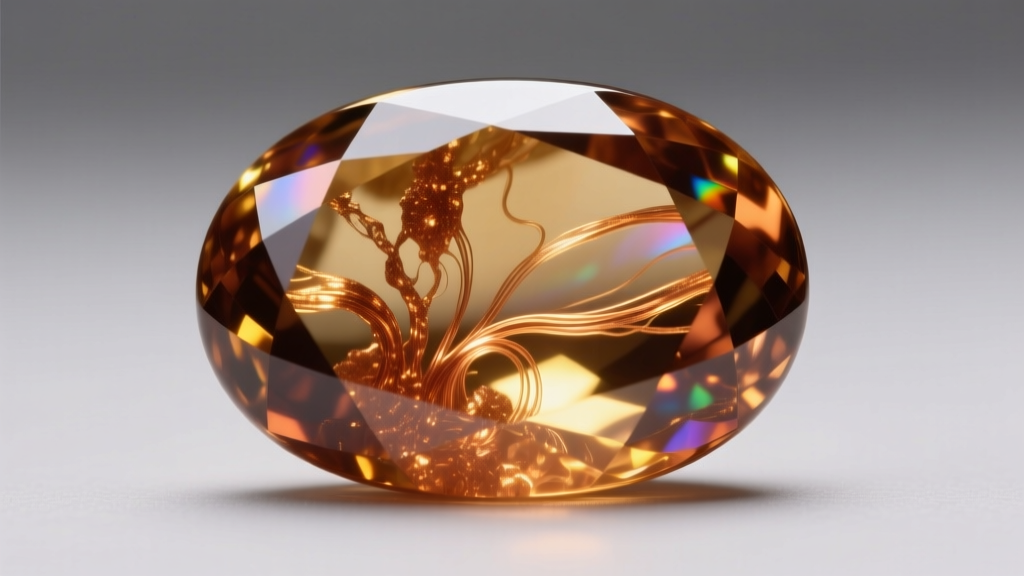
For those who appreciate optical phenomena, Oregon Sunstone is a must-have. This variety of plagioclase feldspar contains microscopic copper platelets that create a mesmerizing glittering effect known as 'schiller.' The GIA Sunstone Profile notes that the intensity of the schiller and the depth of the copper-red or orange hue dictate the stone's value. When buying a sunstone pendant, always request a video of the stone in natural, diffused lighting. Sunstone has a slight cleavage direction, meaning it should ideally be set in a bezel or a protective halo setting if you plan to wear the necklace daily.
Carnelian and Fire Opal: Cabochons and Carvings
Carnelian, a variety of chalcedony, is an ancient, deeply saturated orange-brown stone. As detailed in the GIA Chalcedony Guide, carnelian is exceptionally tough due to its microcrystalline structure. It is rarely faceted; instead, it shines in smooth cabochon cuts or intricate cameo carvings. Conversely, Fire Opal (primarily sourced from Mexico) is amorphous silica with a high water content. While its neon orange body color is breathtaking, fire opal is notoriously fragile. It can easily 'craze' (develop a network of fine cracks) if exposed to sudden temperature changes or extreme dryness. A fire opal necklace should be reserved for occasional evening wear and stored in a humidified environment or a soft, damp cloth.
Evaluating Color, Cut, and Clarity
When assessing an orange stone necklace, gemologists use a strict framework to evaluate color: Hue, Tone, and Saturation.
- Hue: The primary color. Pure orange is rare; most stones lean slightly toward red (red-orange) or yellow (yellow-orange). Red-orange (like Mandarin garnet) generally commands the highest premium.
- Tone: The lightness or darkness. Medium to medium-dark tones are preferred for faceted stones to maximize light return, while lighter tones are acceptable for translucent stones like fire opal.
- Saturation: The intensity of the color. Avoid stones with brownish modifiers, which drastically reduce both the aesthetic appeal and the monetary value.
Clarity expectations depend entirely on the gem species. Spessartite garnets are Type II gems, meaning minor inclusions are expected and acceptable if they do not compromise brilliance. Sunstones are valued specifically for their inclusions (the copper schiller), while carnelian should be completely opaque and free of visible fractures.
Metal Pairings and Necklace Settings
The metal you choose for your orange stone pendant will fundamentally alter its visual impact. In 2026, mixed-metal settings are trending, but single-metal pairings remain classic.
Pro Tip: 14k or 18k Rose Gold contains a high percentage of copper, which naturally harmonizes with the warm undertones of orange gemstones, creating a cohesive, vintage-inspired aesthetic.
If you prefer a modern, high-contrast look, platinum or 18k white gold provides a stark, icy backdrop that makes the orange hue pop aggressively. For setting styles, always match the setting to the stone's Mohs hardness. Stones below a 7.0 on the Mohs scale (like fire opal and some sunstones) must be secured in bezel or flush settings to protect the girdle from abrasion. Garnets and sapphires can safely be held in delicate four-prong or six-prong settings, allowing maximum light penetration through the pavilion.
Treatments and Enhancements to Watch For
The Federal Trade Commission (FTC) requires jewelers to disclose any gemstone treatments that affect value or care. When shopping for an orange stone necklace, be vigilant about the following common enhancements:
- Heat Treatment (Carnelian & Citrine): Much of the 'carnelian' on the market is actually pale agate that has been heated to turn it orange/red. Similarly, many stones sold as 'orange citrine' are actually amethyst heated to an orange-brown color. While these treatments are permanent and widely accepted, they should be priced significantly lower than naturally occurring orange stones.
- Fracture Filling (Fire Opal): Because opals are prone to surface-reaching cracks, some vendors use colorless resins or oils to fill fractures and improve apparent clarity. These fillings can degrade over time or melt under the heat of a jeweler's torch during resizing.
- Dyeing (Chalcedony): Porous orange chalcedony is sometimes dyed to achieve a more uniform color. A quick way to test for dye is to wipe the stone with a cotton swab dipped in acetone (nail polish remover); if color transfers, the stone is dyed.
Final Verdict: Building Your Collection
Investing in an orange stone necklace requires balancing your lifestyle with your aesthetic preferences. If you desire a durable, brilliant, and untreated gemstone for daily wear, a Spessartite Garnet set in 18k rose gold is the ultimate choice. For collectors who value uniqueness and optical phenomena, an Oregon Sunstone pendant offers unparalleled character. Conversely, if you are building a budget-friendly, bohemian wardrobe, a beautifully carved Carnelian piece provides incredible historical resonance and durability at a fraction of the cost. Always insist on a grading report or detailed invoice that explicitly states the gemstone's species, origin, and any treatments applied, ensuring your vibrant new necklace retains its value and beauty for decades to come.


