How to Clean and Maintain Your Fake Life Alert Necklace
Learn how to safely clean, polish, and store your fake life alert necklace. Expert tips for epoxy domes, plastic pendants, and base metal chains.

The Rise of Novelty Streetwear Jewelry
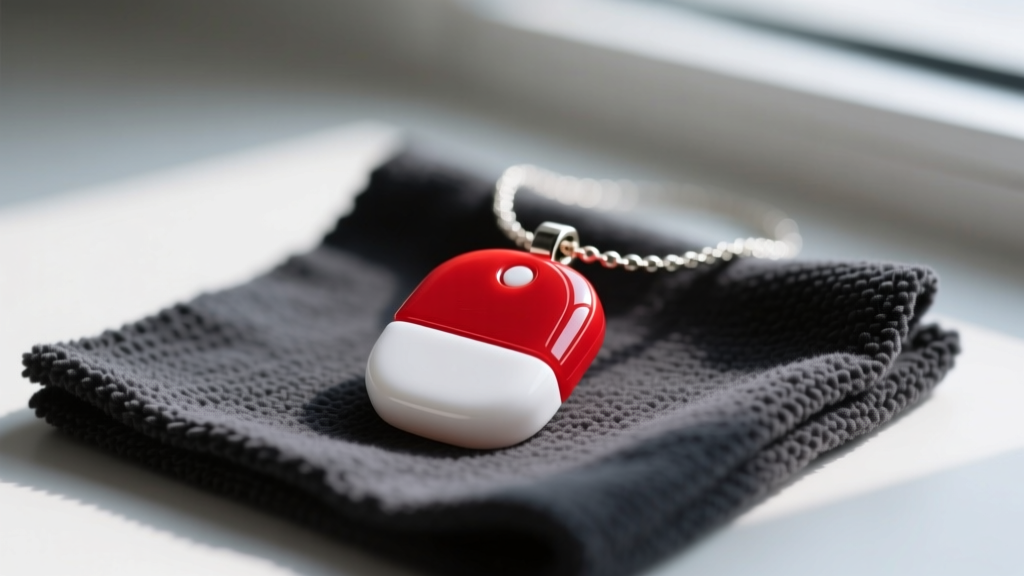
The fake life alert necklace has cemented itself as a staple in Y2K revival and ironic streetwear fashion. Unlike fine jewelry crafted from precious metals and gemstones, these novelty pendants are manufactured using a complex mix of injection-molded plastics, epoxy resins, and base metal alloys. While they make a bold fashion statement in 2026, their mixed-media construction makes them notoriously difficult to maintain. Standard jewelry cleaning methods—like ultrasonic baths or harsh chemical dips—will instantly melt, cloud, or corrode these pieces. To keep your novelty pendant looking pristine, you must understand the specific material science behind its construction and adopt a targeted care routine.
The Anatomy of a Fake Life Alert Necklace
Before applying any cleaning solution, it is crucial to identify the materials used in your specific pendant. According to the Canadian Conservation Institute (CCI), mixed-media plastics require highly specific environmental controls and cleaning agents to prevent polymer degradation.
The Red Button Base
Most high-quality replicas use ABS (Acrylonitrile Butadiene Styrene) plastic for the red base. ABS is impact-resistant but highly susceptible to chemical solvents. Cheaper variants may use enameled zinc alloy, which is prone to pitting and galvanic corrosion when exposed to sweat.
The Clear Dome
The magnified 'HELP' text is typically sealed beneath a dome of clear epoxy resin or polyurethane. Over time, body oils and UV exposure can cause this epoxy to yellow or develop micro-crazing (tiny surface fractures) if cleaned with alcohol-based products.
The Hardware and Chain
The jump rings and chains are rarely solid stainless steel. They are usually plated brass, aluminum, or low-grade zinc. These metals oxidize rapidly when exposed to the sulfur compounds in human sebum, leading to tarnish, skin discoloration, and structural weakening.
Daily Wear and Tear: What Damages Novelty Pendants?
Understanding the failure modes of your necklace is the first step in preventative maintenance. The primary enemies of the fake life alert necklace are acidic sweat, friction, and ultraviolet light.
- Sebum and Sweat (pH 4.5 to 7.0): The natural acids in your sweat will slowly eat away at the metallic plating on the chain and the metallic paint used for the white text on the pendant.
- Friction: The epoxy dome has a Shore D hardness rating of around 75-85, making it softer than glass. Rubbing against zippers, denim, or seatbelts will cause permanent micro-scratches that cloud the dome.
- Chemical Exposure: Hairsprays, perfumes, and lotions contain volatile organic compounds (VOCs) and alcohols that will strip the glossy finish off the ABS plastic and turn the epoxy dome opaque.

Step-by-Step Cleaning Guide for Plastic and Epoxy
When your pendant accumulates skin oils, dust, and environmental grime, avoid commercial jewelry cleaners at all costs. The Gemological Institute of America (GIA) emphasizes that organic and synthetic materials require neutral pH cleaning methods. Follow this exact protocol to safely restore your pendant's gloss.
Step 1: Dry Dusting
Never wipe a dusty plastic pendant with a dry cloth; this will grind silica particles into the epoxy dome. Instead, use a manual air blower (like those used for camera lenses) to dislodge loose debris from the crevices where the red plastic meets the clear dome.
Step 2: The Surfactant Wash
Mix a solution of lukewarm distilled water and a single drop of pH-neutral dish soap (such as original Dawn). Dip a soft-bristled baby toothbrush into the solution and gently agitate the crevices of the pendant. Do not scrub the center of the epoxy dome; let the soapy water lift the oils naturally. Limit this washing process to under 60 seconds to prevent water from seeping into the jump ring holes and rusting the internal metal hardware.
Step 3: Rinsing and Drying
Rinse the pendant briefly under a gentle stream of distilled water. Tap water contains chlorine and dissolved minerals that will leave hard water spots on the epoxy. Immediately pat the piece dry with a lint-free microfiber cloth. Use a cotton swab to absorb any trapped moisture around the bail and jump rings.
Chain Maintenance: Preventing Rust and Tangles
The chain is often the first component of a fake life alert necklace to fail. Base metal chains oxidize, turn your skin green, and snap under minor tension. Proper chain maintenance requires separating the metal care from the plastic care.
Polishing Plated and Aluminum Chains
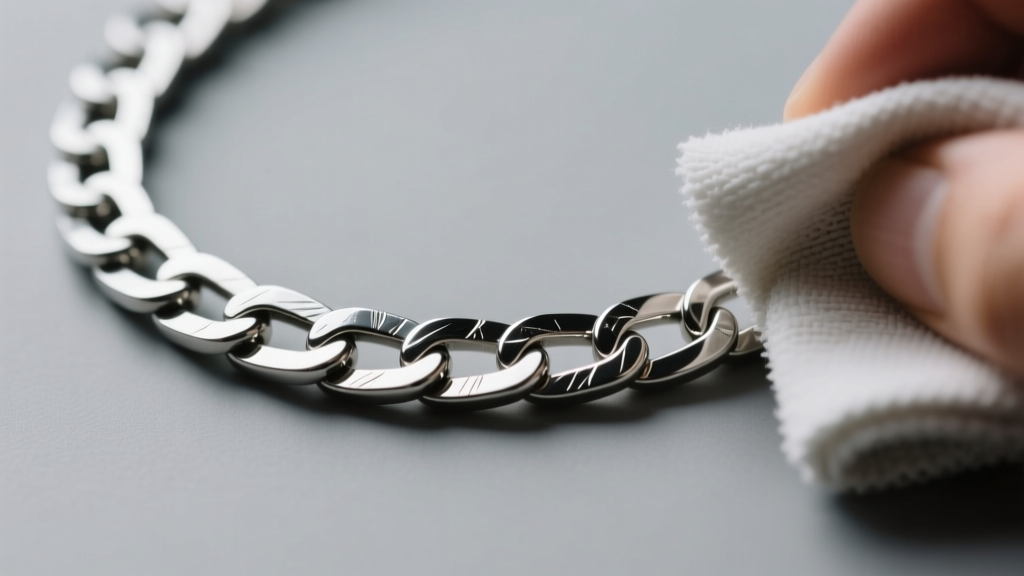
If your chain is aluminum, it will develop a dull, white oxidation layer. You can gently polish this away using a dry microfiber cloth and a tiny dab of metal polish specifically formulated for aluminum. If the chain is gold- or silver-plated brass, avoid liquid polishes entirely, as they will strip the microscopic plating. Instead, use a treated jewelry polishing cloth that contains embedded anti-tarnish compounds. Always unclip the chain from the plastic pendant before polishing to avoid transferring abrasive metal polish onto the epoxy dome.
Lubricating the Clasps
Lobster clasps on novelty necklaces frequently stick or fail to close due to microscopic rust buildup in the spring mechanism. Apply a minuscule drop of sewing machine oil or synthetic watch oil to the clasp hinge using a toothpick. Work the clasp open and closed a few times, then wipe away all excess oil to prevent it from attracting dirt.
Material-Specific Cleaning Cheat Sheet
To prevent catastrophic damage to your streetwear jewelry, refer to this Federal Trade Commission (FTC) aligned material breakdown before applying any cleaning agent to your necklace.
| Component | Typical Material | Safe Cleaning Agents | Strictly Avoid |
|---|---|---|---|
| Red Base | ABS Plastic / Enameled Zinc | Mild dish soap, distilled water | Acetone, bleach, ammonia |
| Clear Dome | Epoxy Resin / Polyurethane | Microfiber cloth, soapy water | Isopropyl alcohol, glass cleaner |
| Text / Decals | Pad-printed ink / Vinyl | Gentle dabbing with damp cloth | Scrubbing, solvent-based cleaners |
| Chain / Clasp | Plated Brass / Aluminum | Dry polishing cloth, mild soap | Ultrasonic cleaners, silver dip |
Storage Solutions to Prevent Yellowing and Scratching
How you store your fake life alert necklace when you aren't wearing it is just as important as how you clean it. Epoxy resin is highly vulnerable to UV degradation, which causes irreversible yellowing. Furthermore, storing the necklace in a humid environment like a bathroom will accelerate the galvanic corrosion of the base metal chain.
UV and Humidity Control
Store your necklace in a dark, climate-controlled drawer. For optimal preservation, place the necklace inside an opaque, anti-tarnish flannel pouch. Toss a small silica gel desiccant packet into the drawer or storage box to maintain a relative humidity level below 45%, which is the threshold where base metal oxidation accelerates rapidly.
Preventing Chain Tangles and Plastic Stress
Never store the necklace with the chain clasped tightly around the pendant, as this puts continuous stress on the plastic bail loop, eventually leading to stress fractures. Unclasp the chain, lay it out straight, and fold it loosely next to the pendant. If you must hang the necklace, use a padded hanger with a wide groove to prevent the chain from kinking and the pendant from swinging into other jewelry pieces.
By treating your fake life alert necklace as a specialized mixed-media artifact rather than standard costume jewelry, you can easily extend its lifespan, keeping the colors vibrant and the hardware intact for years of streetwear styling.


