How to Clean and Maintain Your Initial Bubble Necklace
Learn expert cleaning and maintenance tips for your initial bubble necklace. Protect gold, enamel, and pave diamonds from tarnish and daily wear damage.

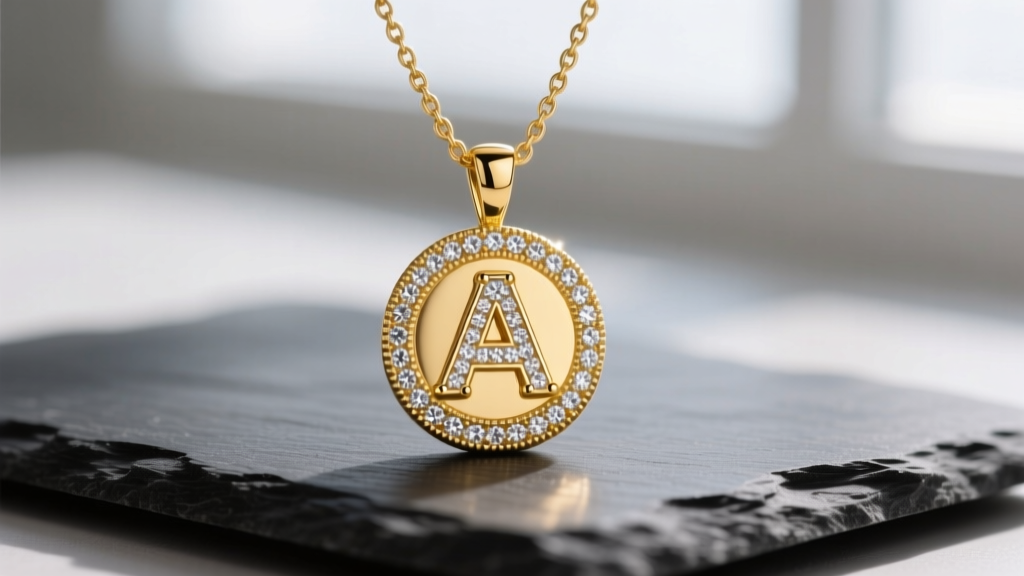
The Anatomy of an Initial Bubble Necklace: Why Specialized Care Matters
The initial bubble necklace has become a staple in modern personalized jewelry, characterized by its three-dimensional, domed, or spherical cage design that houses a specific letter or initial. While visually striking, this convex architecture presents unique maintenance challenges that flat pendants simply do not have. The curved surface acts as a magnet for fingerprints and cosmetic oils, while the hollowed-out gallery (the back of the pendant) creates a hidden trap for dead skin cells, lotion residue, and environmental dust.
Furthermore, many high-end bubble pendants incorporate mixed materials. You might find a 14k or 18k gold shell, cold or vitreous enamel accents, and micro-pave diamond halos. Each of these materials reacts differently to moisture, friction, and chemicals. According to the Gemological Institute of America (GIA), everyday substances like hairspray and lotions can create a cloudy film over diamonds, severely reducing their light return and brilliance. When this film builds up inside the tight prong settings of a bubble pendant's micro-pave letter, the jewelry loses its signature sparkle.
Daily Wear Rules: Preventing Tarnish and Enamel Damage
Prevention is always more effective than restoration. The structural integrity of your initial bubble necklace relies heavily on how you wear it. Follow these strict boundaries to minimize deep-cleaning requirements:
- The 'Last On, First Off' Rule: Always put your necklace on after applying perfumes, sunscreens, and makeup. Alcohol and aerosolized chemicals can degrade cold enamel (epoxy resin) over time, causing it to yellow or cloud.
- Sweat and pH Levels: Human sweat is mildly acidic. If you wear a sterling silver bubble pendant during a workout, the sulfur and salts in your sweat will accelerate oxidation, leading to rapid blackening of the silver alloy.
- Impact Awareness: If your bubble necklace features vitreous enamel (glass-based), avoid wearing it during activities where it might swing and strike a hard surface. Vitreous enamel can shatter or chip upon sharp impact, unlike cold enamel which may only scratch.
Step-by-Step Cleaning Guide for Bubble Pendants
When your necklace loses its luster, avoid harsh commercial dips. Instead, use these targeted methods based on your specific material combination.
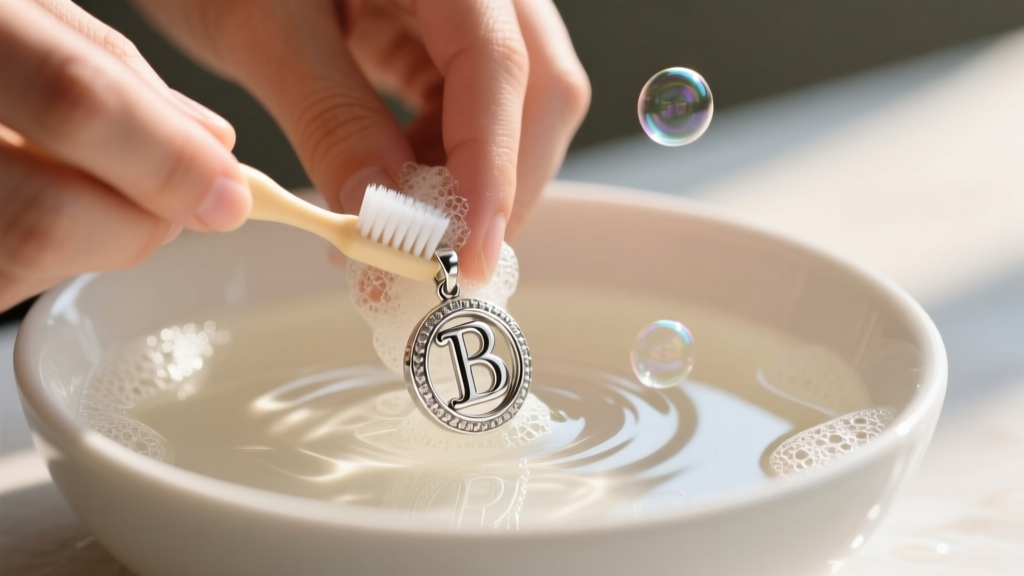
Method 1: The Distilled Soap Soak (For Solid Gold & Diamonds)
Tap water contains chlorine and trace minerals that can leave microscopic water spots on high-polish gold and degrade silver alloys. Always use distilled water for your cleaning baths.
- Mix exactly 3 drops of mild, phosphate-free dish soap (like Dawn) into 1 cup of lukewarm distilled water.
- Submerge the initial bubble necklace for 15 to 20 minutes. This loosens the sebum and cosmetics trapped in the diamond pave and the chain links.
- Using an extra-soft baby toothbrush (bristle diameter of 0.1mm or less), gently brush the pendant. Focus heavily on the gallery wire at the back of the bubble and the bail where the chain connects.
- Rinse thoroughly under a gentle stream of distilled water.
- Pat dry with a lint-free microfiber cloth. Never use paper towels, as their wood-pulp fibers can cause micro-scratches on polished gold.
Method 2: The Dry Polish (For Enamel & Oxidized Silver)
If your bubble necklace features intricate enamel work or deliberate oxidized (blackened) silver detailing, submerging it in water can weaken the adhesive bonds of cold enamel or strip the intentional patina from the silver.
- Use a dedicated, untreated jewelry polishing cloth.
- Gently buff the convex surface of the bubble using circular motions.
- Use a dry, soft-bristled makeup brush to dust out the crevices around the initial letter and the chain clasp.
What to Avoid: The Dangers of Ultrasonic Cleaners
Expert Warning: Never place an enameled or hollow-constructed initial bubble necklace into an ultrasonic cleaner. The high-frequency sound waves create microscopic cavitation bubbles that can shatter vitreous enamel, fracture internal stress points in the gold dome, and vibrate micro-pave diamonds right out of their delicate prongs.
Additionally, avoid chemical silver dips. These acidic solutions strip away the rhodium plating often applied to white gold and sterling silver bubble pendants to give them a bright, mirror-like finish. Once the rhodium is stripped, the underlying metal is highly susceptible to rapid tarnishing.
Storage Solutions: Keeping the Bubble Pristine
How you store your necklace is just as critical as how you clean it. The rounded shape of a bubble pendant means it doesn't lay perfectly flat, making it prone to tangling and crushing if tossed into a communal jewelry box. Jewelers Mutual recommends individual storage to prevent metal-on-metal friction.
| Material Combination | Ideal Storage Environment | Specific Accessories Needed |
|---|---|---|
| 14k/18k Yellow Gold | Low humidity, separate pouch | Soft flannel drawstring bag |
| Sterling Silver | Airtight, anti-tarnish | Ziploc bag with 3M anti-tarnish strip |
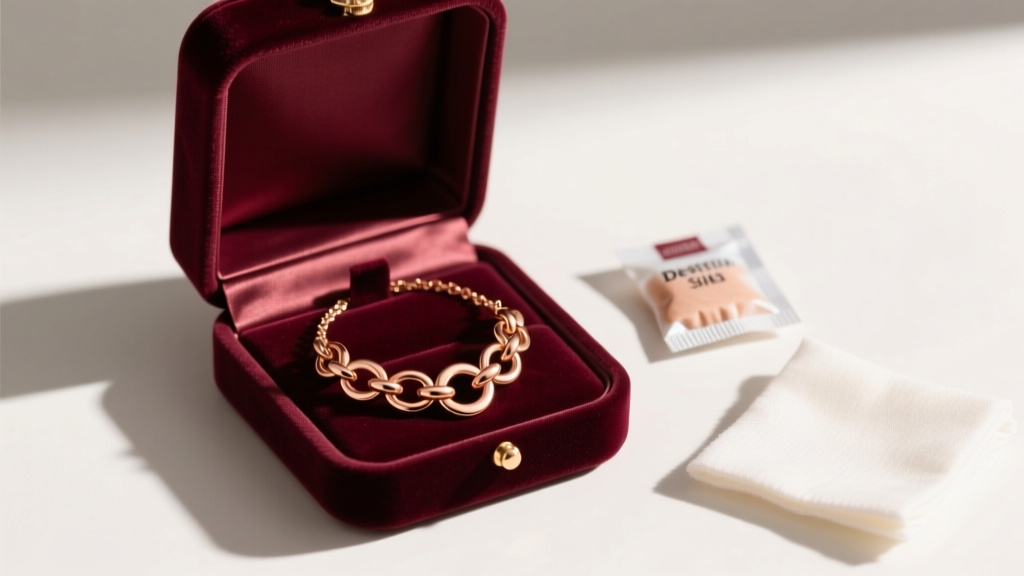
| Gold with Vitreous Enamel | Padded, rigid compartment | Individual velvet-lined jewelry box slot |
| White Gold with Pave Diamonds | Low humidity, protected from friction | Silica gel packet in a microfiber pouch |
Maintaining the Chain and Clasp Mechanism
The pendant gets all the attention, but the chain and clasp are the structural lifelines of your initial bubble necklace. Most bubble pendants hang on delicate cable or rope chains secured by a lobster clasp.
The Lobster Clasp Failure Mode: The tiny spring mechanism inside a lobster clasp is highly vulnerable to thick lotions and hair products. When residue gums up the spring, the clasp fails to close securely, leading to lost pendants. Once a month, use a wooden toothpick to gently scrape out any visible debris from the clasp opening, then wipe it with a cotton swab dipped in a tiny amount of rubbing alcohol (avoiding the pendant itself). This keeps the spring action crisp and secure.
Chain Kinking: Because bubble pendants are often slightly heavier than standard flat charms, they can cause thin chains (under 1.2mm) to kink or stretch over time. Always unclasp the necklace and lay it in a straight line or hang it from a dedicated jewelry stand when not in use to allow the metal links to relax and retain their structural integrity.
Professional Maintenance Schedule
Even with meticulous at-home care, an initial bubble necklace requires professional attention. If your pendant features micro-pave diamonds wrapping around the initial or the bubble's equator, the prongs holding those stones are incredibly small (often less than 0.5mm wide). Daily wear causes microscopic friction that wears down these prongs.
Take your necklace to a certified bench jeweler every 12 to 18 months. They will use a microscope to inspect the pave settings, tighten any lifted prongs, and professionally steam-clean the gallery backing where your toothbrush cannot reach. If your bubble is white gold, this is also the ideal time to have the rhodium plating reapplied, ensuring the metal maintains its brilliant, icy white hue against the diamonds.


