How to Clean and Maintain Your Delicate LA Necklace
Learn expert cleaning, storage, and maintenance tips for your LA necklace. Protect gold vermeil, silver, and pavé stones from damage.

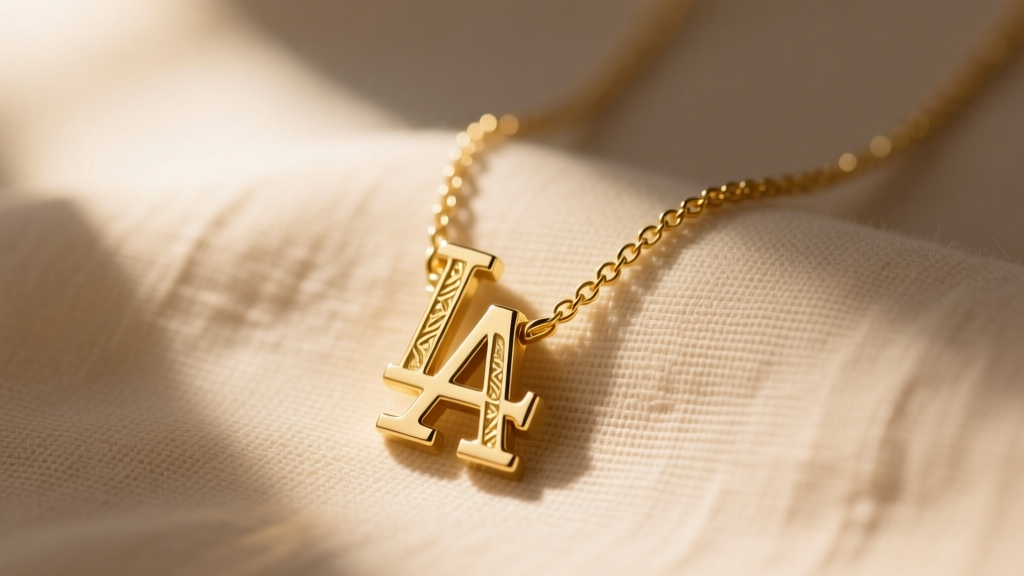
The Anatomy of an LA Necklace: Understanding Your Materials
Whether your LA necklace represents Los Angeles civic pride, a personalized L.A. initial, or a signature designer silhouette, these pieces are mainstays of modern jewelry layering. Because they typically rest directly against the collarbone, they are constantly exposed to skin oils, perfumes, and environmental pollutants. Before applying any cleaning solution, you must identify the exact metallurgy of your piece. The care protocol for a solid 14k gold chain differs vastly from that of a gold vermeil or sterling silver pendant.
Gold Vermeil vs. Solid Gold vs. Sterling Silver
According to the Federal Trade Commission (FTC), true gold vermeil must consist of a sterling silver base coated with a minimum of 2.5 microns of 10k, 14k, or 18k gold. Many trendy LA necklaces utilize vermeil to keep price points accessible while offering the rich aesthetic of solid gold. However, this microscopic gold layer is highly susceptible to abrasive friction and chemical stripping. Solid 14k or 18k gold LA necklaces, while more expensive, are alloyed with metals like copper and zinc, making them far more resilient to tarnish and harsh cleaning agents. Sterling silver (925) pieces, often used for intricate LA city-map pendants, are prone to oxidation and require specific anti-tarnish maintenance.
The 3-Step Safe Cleaning Protocol for LA Pendants
When your LA necklace loses its luster due to accumulated sebum and lotion residue, avoid commercial jewelry dips. Instead, use this gentle, conservator-approved method recommended by gemological experts.
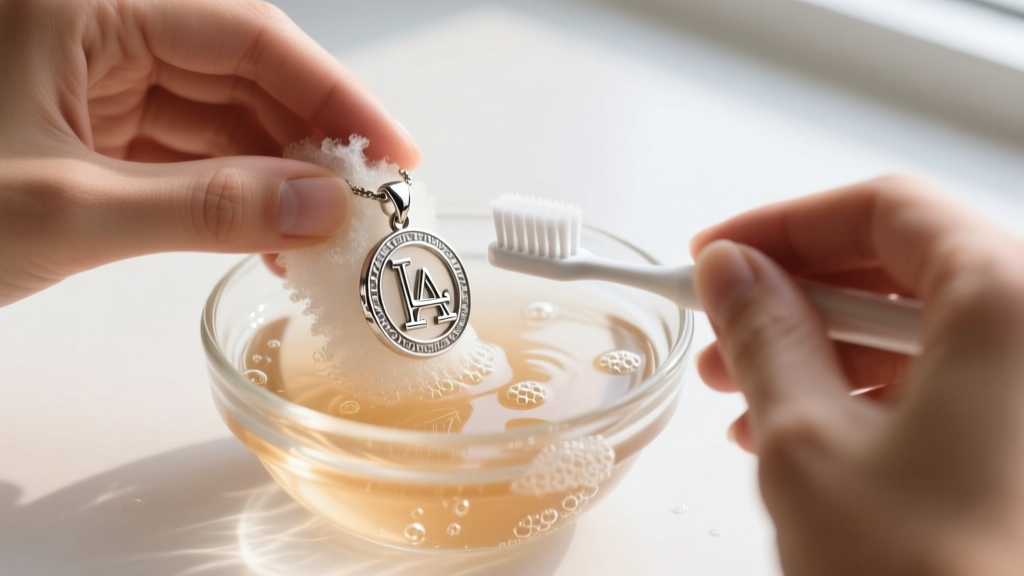
- Step 1: The Distilled Water Bath - Fill a small glass bowl with lukewarm distilled water. Avoid tap water, as the chlorine and heavy minerals can react with the copper alloys in sterling silver, accelerating tarnish. Add exactly one drop of pH-neutral, fragrance-free dish soap (such as original Dawn) and agitate until mild suds form.
- Step 2: Targeted Agitation - Submerge the necklace for no more than three minutes. Using an extra-soft baby toothbrush, gently sweep the bristles behind the LA pendant and along the chain links. Do not scrub the face of the pendant, especially if it features micro-pavé diamonds or cubic zirconia, as lateral pressure can bend the delicate prongs.
- Step 3: Microfiber Drying - Rinse the piece under a gentle stream of distilled water. Pat dry using a lint-free microfiber cloth. Never use paper towels or facial tissues; wood pulp fibers contain microscopic abrasives that will leave micro-scratches on high-polish gold surfaces.
Chain Link and Clasp Mechanism Maintenance
The chain and clasp of your LA necklace endure significant mechanical stress and trap debris differently than the pendant itself. Box chains and rope chains feature intricate, interlocking geometries that easily harbor dead skin cells and cosmetic residues. When cleaning these specific chain styles, use a soft-bristled interdental brush to gently dislodge grime from the interior links without pulling or stretching the metal.
Furthermore, the lobster clasp or spring ring is a common point of failure. If your clasp becomes sticky or fails to snap shut securely, it is likely clogged with dried lotion or soap scum. Apply a microscopic drop of mineral oil to the clasp hinge using a toothpick. Work the lever back and forth to distribute the lubricant, then wipe away any excess with a microfiber cloth. Never use WD-40 or synthetic lubricants, as they contain harsh solvents that will degrade the metal alloys and ruin the finish of your LA necklace.
Critical Mistakes That Ruin Personalized Necklaces
The most common way jewelry enthusiasts destroy their favorite pieces is through well-intentioned but scientifically flawed cleaning hacks.
| Cleaning Method | Safe for 14k Solid Gold | Safe for Gold Vermeil | Safe for Pavé / CZ Stones |
|---|---|---|---|
| Ultrasonic Cleaners (40kHz) | Yes (with caution) | No (Strips gold layer) | No (Shatters stones / loosens adhesive) |
| Whitening Toothpaste | No | No | No |
| Baking Soda Paste | No | No | No |
| Mild Soap & Distilled Water | Yes | Yes | Yes |
As noted by the Gemological Institute of America (GIA), ultrasonic cleaners use high-frequency sound waves to create microscopic cavitation bubbles. While excellent for deep-cleaning solid diamond solitaires, these vibrations will literally shake the micro-prongs off an LA pavé pendant and cause the gold layer on vermeil to peel. Similarly, toothpaste contains hydrated silica—a highly abrasive compound designed to strip plaque from enamel. On a gold vermeil LA necklace, toothpaste acts like liquid sandpaper, permanently removing the gold plating in seconds.
Long-Term Storage and Tarnish Prevention
Proper storage is infinitely more effective than reactive cleaning. Sterling silver LA necklaces tarnish when the copper alloy reacts with hydrogen sulfide and moisture in the air, forming a black layer of silver sulfide.
The Science of Silver Sulfide Tarnish
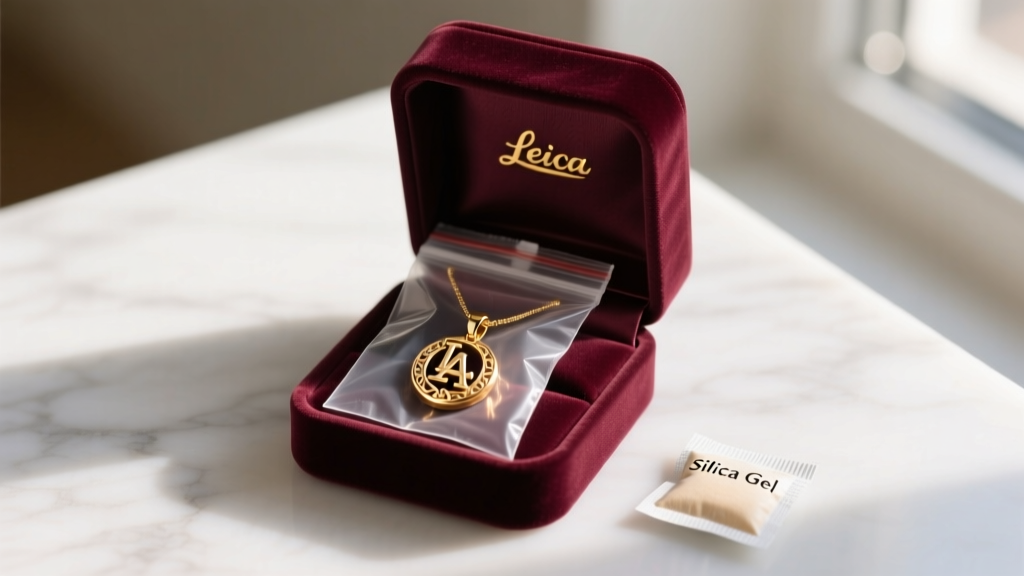
To halt this chemical reaction, you must control the microclimate where your jewelry rests. Store your LA necklace in an individual, airtight polyethylene ziplock bag. Polyethylene is crucial; avoid PVC or vinyl plastics, which emit sulfur-based plasticizers that actually accelerate tarnishing. Place a 3M anti-tarnish strip inside the bag. These strips contain activated carbon and silver nanoparticles that absorb and neutralize hydrogen sulfide gas before it can reach your pendant. Replace the strips every six months.
When to Seek Professional Jeweler Maintenance
While at-home maintenance handles daily grime, mechanical failures require professional intervention. If the bail (the loop connecting the LA pendant to the chain) becomes bent, or if you notice a rattling sound indicating a loose pavé stone, stop wearing the necklace immediately. Take it to a certified bench jeweler who can perform laser welding—a technique that uses pinpoint heat to repair microscopic prongs without damaging the surrounding gold vermeil or thermal-shocking the gemstones. Annual professional inspections ensure the structural integrity of the chain links, particularly at the clasp and jump ring, which endure the most mechanical stress during daily wear.
Expert Insight: Never apply perfume, hairspray, or lotions while wearing your LA necklace. The alcohols and emulsifiers in cosmetics degrade the metallic bonds in gold vermeil and leave a filmy residue on gemstones that dulls their refractive index. Always follow the 'last on, first off' rule.
Final Thoughts on Preserving Your LA Necklace
An LA necklace is more than just a trendy accessory; it is a personal statement that deserves meticulous care. By understanding the specific material composition of your piece, avoiding abrasive DIY cleaning hacks, and implementing a rigorous storage protocol, you can ensure your pendant remains as vibrant as the day you purchased it. Consistent, gentle maintenance will protect your investment, allowing your favorite necklace to anchor your layering stacks for years to come.


