Expert Cleaning & Care Tips for a Lovers Necklace
Discover expert cleaning and maintenance tips for your lovers necklace. Learn how to safely polish interlocking metals and protect custom engravings.

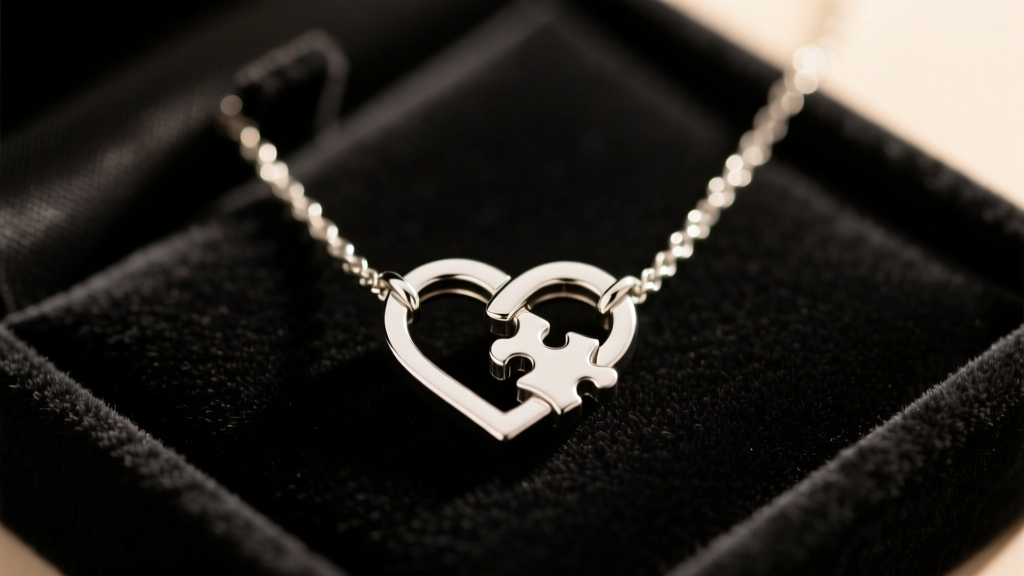
The Anatomy of a Lovers Necklace: Why Special Care is Needed
A lovers necklace—often characterized by interlocking hearts, puzzle-piece pendants, or matching halves that unite to form a single symbol—carries profound sentimental value. However, from a metallurgical and structural standpoint, these intricate connection points are magnets for debris. The grooves, tabs, and magnetic clasps that allow the two halves to seamlessly join also create microscopic crevices where dead skin cells, cosmetic oils, and environmental dust accumulate.
Unlike a standard solitaire pendant, an interlocking lovers necklace experiences unique friction. Every time the pieces are connected or separated, the mating surfaces rub against one another. If abrasive micro-particles are trapped in these joints, they act like sandpaper, gradually wearing down precious metal plating and dulling high-polish finishes. According to the Jewelers of America, jewelry with moving parts or interlocking mechanisms requires a specialized cleaning approach to prevent structural degradation and preserve the integrity of the connection points.
Metal-Specific Cleaning Protocols
Lovers necklaces are manufactured in a variety of metals, each demanding a distinct chemical and mechanical approach to cleaning. Using the wrong method can strip platings or oxidize engravings.
Sterling Silver (925) and Rhodium Flashing
Sterling silver is highly prone to sulfide tarnishing, especially in the recessed areas of puzzle joints. If your silver lovers necklace features a rhodium flash (a thin plating used to prevent tarnish and add shine), you must avoid liquid silver dips. These harsh thiourea-based chemicals will strip the rhodium layer, leaving the raw silver vulnerable. Instead, use a treated micro-abrasive polishing cloth, gently buffing the flat surfaces while using a dry, soft-bristled interdental brush to sweep tarnish out of the interlocking grooves.
Gold Vermeil vs. Solid Gold
Under Federal Trade Commission Jewelry Guides, true gold vermeil must consist of a sterling silver base plated with at least 2.5 microns of 10k, 14k, or 18k gold. Because the interlocking tabs of a lovers necklace experience high friction, the gold layer in these specific areas is often the first to wear thin. Never use ultrasonic cleaners or abrasive baking soda pastes on vermeil. Stick to a mild, phosphate-free dish soap and lukewarm water. Solid gold (14k or 18k) is far more resilient and can withstand gentle ultrasonic cleaning, provided the piece does not contain inset gemstones or hidden magnets.
Surgical Stainless Steel (316L)
Highly durable and hypoallergenic, 316L stainless steel is a popular choice for modern couples' jewelry. While the metal itself will not tarnish, the interlocking seams will still trap sebum and lotion. Stainless steel can be aggressively cleaned with isopropyl alcohol (90% or higher) to dissolve stubborn oils in the connection joints without risking any damage to the metal's passive oxide layer.
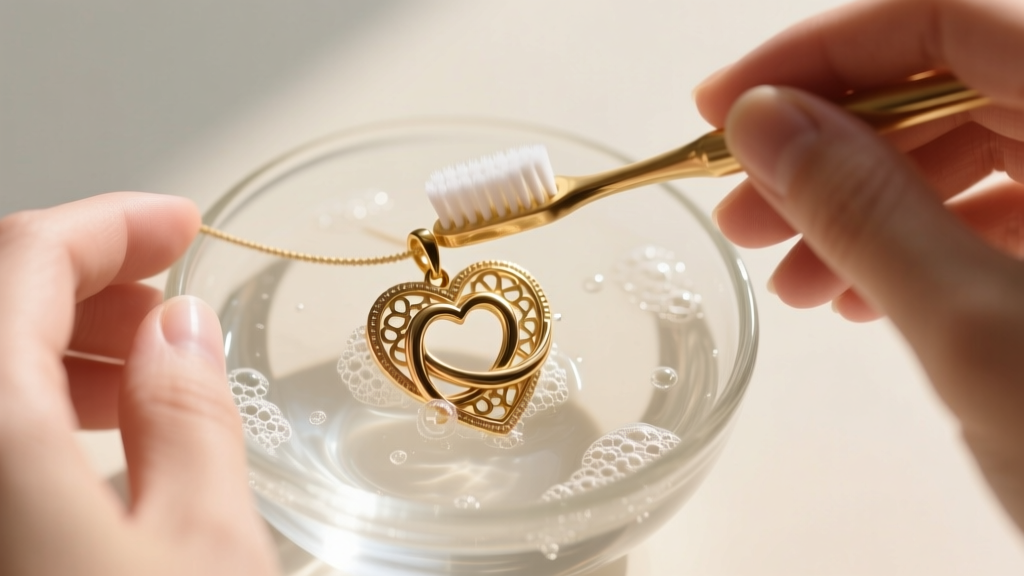
The Step-by-Step Deep Cleaning Method
For a thorough, safe clean that protects both the metal and the structural integrity of your lovers necklace, follow this precise protocol recommended by the Gemological Institute of America (GIA) for delicate jewelry care:
- Preparation: Fill a small glass bowl with lukewarm (never hot) water and add three drops of mild, ammonia-free dish soap. Avoid soaps with heavy moisturizers, which leave a filmy residue.
- Targeted Soaking: Submerge the necklace halves for exactly 3 to 5 minutes. This loosens trapped sebum in the puzzle tabs or heart grooves without compromising any micro-soldered jump rings.
- Mechanical Agitation: Using a baby toothbrush (which has ultra-soft bristles that won't scratch gold or silver), gently brush the connection points. Pay special attention to the male/female interlocking joints and the bail where the chain meets the pendant.
- Rinsing: Rinse thoroughly under a gentle stream of distilled or filtered water. Tap water contains chlorine and calcium that can leave hard water spots in the deep crevices of the pendant.
- Drying: Pat dry with a lint-free microfiber cloth. Use a can of compressed air or a hair dryer on the "cool" setting to blow moisture out of the interlocking seams. Air-drying is strictly discouraged, as it guarantees water spots.
Protecting Engravings, Magnets, and Gemstones
Many lovers necklaces incorporate hidden features to enhance their romantic symbolism, such as laser-engraved coordinates, inset cubic zirconia (CZ), or concealed neodymium magnets that help the pieces snap together. These features dictate strict limitations on your cleaning methods.
- Hidden Magnets: Neodymium magnets are highly susceptible to corrosion and rust if exposed to prolonged moisture. Never submerge a magnetic lovers necklace. Clean the exterior with a slightly damp cloth and immediately dry it.
- Laser Engravings: Aggressive polishing compounds can wear down the contrast of laser-engraved text or fingerprints. Avoid polishing the interior faces of the pendants where these personalizations are typically hidden.
- Inset Gemstones: If the interlocking joints feature pave-set CZ or diamonds, ultrasonic cleaners (which operate at 40kHz frequencies) can easily vibrate the stones loose from their micro-prongs. Always clean gemstone-adorned lovers necklaces by hand.
Cleaning Agents: What to Avoid vs. Safe Alternatives
| Cleaning Agent | Effect on Lovers Necklace | Verdict |
|---|---|---|
| Ultrasonic Cleaners | Shakes loose micro-soldered joints and pave stones | Avoid |
| Chlorine Bleach | Causes catastrophic stress-corrosion cracking in gold alloys | Strictly Avoid |
| Toothpaste / Baking Soda | Micro-scratches high-polish mating surfaces and strips vermeil | Avoid |
| Mild Dish Soap (Dawn) | Safely emulsifies skin oils without damaging metal or stones | Highly Recommended |
| Sunshine Polishing Cloths | Removes tarnish from silver without liquid chemicals | Recommended for Silver |
| 90% Isopropyl Alcohol | Dissolves cosmetic buildup on stainless steel and titanium | Recommended for Steel |
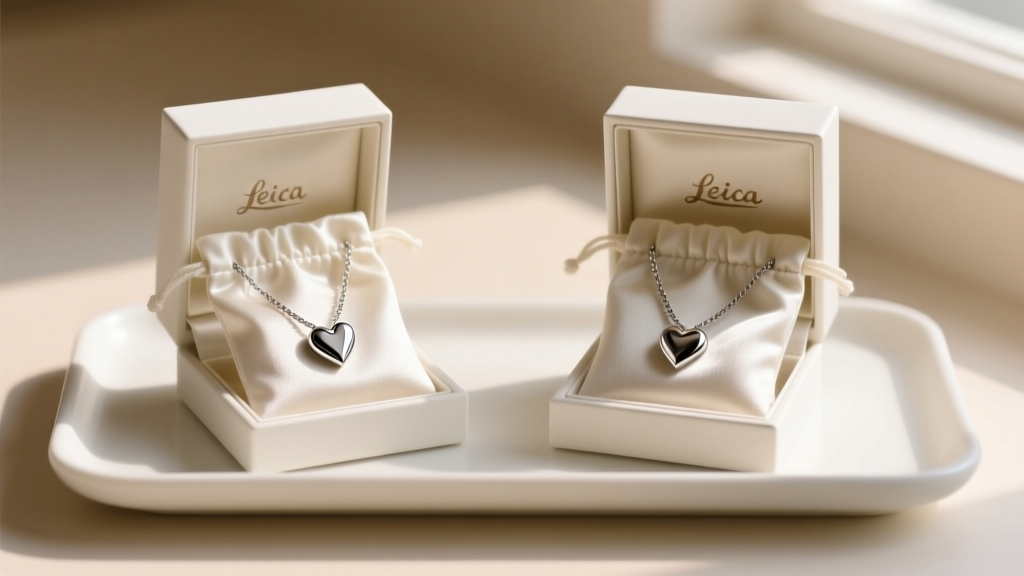
Storage and Daily Wear Best Practices
How you store your lovers necklace is just as critical as how you clean it. A common mistake is storing the two interlocking pieces snapped together in a jewelry box. Over time, the microscopic friction caused by movement in the drawer will cause the pieces to scratch one another, particularly if one half is a harder metal or features a textured finish.
The Separation Rule: Always store the two halves of a lovers necklace separated. Place each piece in its own anti-tarnish flannel pouch or a dedicated compartment in a lined jewelry box. If the necklace features a delicate 1.2mm box or cable chain, hang it vertically or lay it perfectly flat to prevent the links from kinking or tangling with other jewelry.
The Cosmetic Sequence: Adopt the "last on, first off" rule. Apply perfumes, hairsprays, and lotions before putting on your necklace. The high alcohol content in perfumes can rapidly degrade gold vermeil plating, especially on the friction-heavy interlocking tabs.
When to Seek Professional Jeweler Maintenance
While diligent at-home care will maintain the brilliance of your jewelry, mechanical wear is inevitable with interlocking pieces. You should take your lovers necklace to a professional bench jeweler if you notice any of the following failure modes:
- Bent Puzzle Tabs: If the male tab of a puzzle necklace becomes warped and no longer sits flush, a jeweler can carefully reshape it using nylon-jawed pliers without marring the metal.
- Loose Jump Rings: The jump ring connecting the pendant to the chain endures significant lateral stress when the two halves are pulled apart. If the gap in the ring widens, it requires professional micro-soldering to secure it.
- Deep Scratches on Mating Surfaces: A professional can perform a multi-stage lapidary polish to restore the mirror finish of the connection points without compromising the structural tolerance of the interlocking mechanism.
By understanding the unique mechanical and metallurgical demands of your specific jewelry, you can ensure that your lovers necklace remains a flawless symbol of your connection for decades to come.


