Styling The Hashiramas Necklace: Anime Streetwear Trends
Discover how the hashiramas necklace evolved from cosplay prop to high-end streetwear staple. Explore materials, styling tips, and 2026 trends.

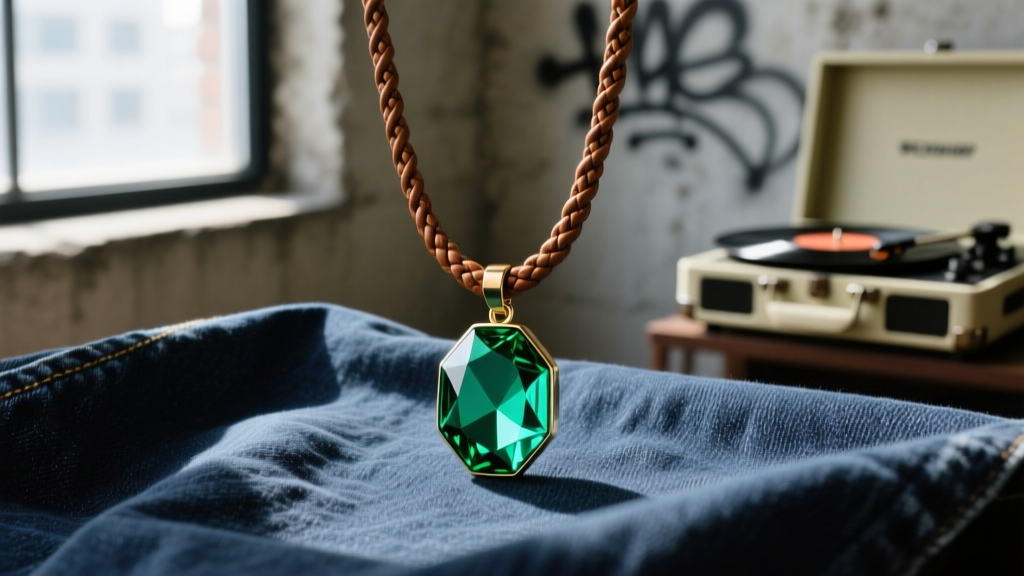
The intersection of anime culture and high-end streetwear has birthed some of the most fascinating jewelry trends of the decade. Among the most iconic of these crossover pieces is the hashiramas necklace. Originally recognized as the legendary green crystal pendant worn by the First Hokage in classic anime lore, this artifact has transcended its fictional roots. In 2026, it is no longer just a cosplay prop; it has been reimagined by bespoke jewelers and streetwear brands as a premium, everyday accessory that bridges geek culture with modern masculine and gender-neutral fashion.
As a style radar tracking the pulse of contemporary jewelry, we have observed a massive surge in demand for 'subtle anime' fine jewelry. Wearers no longer want cheap, painted resin replicas. They want the spirit of the hashiramas necklace translated through the lens of luxury materials, precise gemology, and premium hardware. Here is your comprehensive guide to understanding, sourcing, and styling this iconic piece for the modern wardrobe.
The Evolution of the Hashiramas Necklace in Streetwear
For years, fans relied on EVA foam, 3D-printed PLA, and cast epoxy resins to replicate the famous green gemstone. While these materials are perfect for convention floors, they lack the durability, light refraction, and tactile weight required for daily streetwear. The shift toward fine jewelry adaptations began in the early 2020s but has fully matured in 2026.
Today, the hashiramas necklace is treated as a cultural artifact akin to a signet ring or a classic crucifix pendant. High-end streetwear labels and independent Etsy jewelers are collaborating to produce limited-run drops featuring genuine semi-precious stones. The aesthetic has shifted from 'costume' to 'talismanic streetwear,' appealing to a demographic that values both narrative depth and material quality.
The Geometry of the Pendant: Cabochon vs. Step-Cut
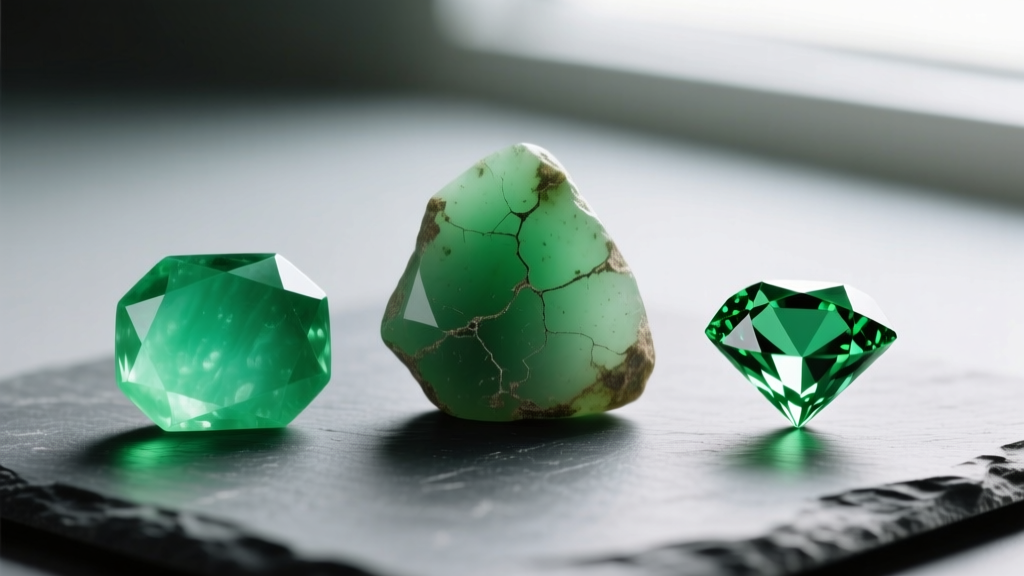
The original anime design depicts a rough-hewn, asymmetrical green crystal. When translating this into real-world jewelry, designers face a critical lapidary decision that drastically alters the necklace's vibe:
- The Smooth Cabochon: Polished into a smooth, domed shape without facets. This cut is traditionally used for opaque or translucent stones like jade and chrysoprase. It gives the hashiramas necklace an organic, earthy, and vintage feel, closely mimicking the 'rough crystal' lore of the original design.
- The Step-Cut (Emerald Cut):strong> Used primarily for transparent gemstones like green tourmaline. This geometric faceting creates a 'hall of mirrors' effect, offering sharp, sophisticated flashes of light. A step-cut pendant elevates the piece from a casual streetwear item to a luxury statement piece that catches the light in dimly spaced environments like nightclubs or evening dinners.
Material Breakdown: From Cosplay to Fine Jewelry
Selecting the right gemstone is the most crucial decision when investing in a premium hashiramas necklace. The green hue must be saturated enough to evoke the iconic anime artifact while possessing the structural integrity for daily wear. Below is a comparative analysis of the most common materials used in 2026 adaptations.
| Material | Mohs Hardness | Visual Profile | Price Range (USD) | Durability Rating |
|---|---|---|---|---|
| Cast Epoxy Resin | 2.0 - 2.5 | Opaque, neon green, lacks depth | $15 - $40 | Poor (Scratches easily) |
| Chrysoprase | 6.5 - 7.0 | Translucent, vibrant apple-green | $80 - $250 | Good (Daily wear safe) |
| Nephrite Jade | 6.0 - 6.5 | Opaque, deep forest green, waxy luster | $120 - $400 | Excellent (Highly impact-resistant) |
| Green Tourmaline | 7.0 - 7.5 | Transparent, rich emerald-like green | $450 - $1,500+ | Very Good (Requires bezel setting) |
According to the Gemological Institute of America (GIA), green tourmaline owes its rich color to trace amounts of iron and titanium, making it a highly prized gemstone for luxury pendants. However, for those seeking maximum durability against accidental drops or impacts, nephrite jade is the superior choice. The GIA's comprehensive guide on Jade notes that nephrite's interlocking fibrous structure makes it exceptionally tough, far more resistant to chipping than transparent faceted stones.
Hardware and Cord Upgrades
The cord is just as important as the stone. The traditional cotton string is a failure point in fine jewelry. Modern iterations of the hashiramas necklace utilize 2mm Kevlar-core braided leather or 1.5mm waxed Irish linen. These materials offer the dark, understated aesthetic of the original design but boast tensile strengths capable of supporting heavy gemstone pendants without fraying.
Furthermore, the knotting mechanism has been replaced by Grade 5 Titanium (Ti-6Al-4V) bayonet clasps. Titanium is hypoallergenic, incredibly lightweight, and will not tarnish when exposed to sweat or humidity, making it the ultimate hardware choice for streetwear jewelry.
How to Style the Hashiramas Necklace in 2026
Styling a piece with such heavy narrative weight requires a balanced approach. The goal is to integrate the pendant into a cohesive stack without letting it look like a misplaced costume piece. Here are the core styling frameworks for the modern wearer:
The Shinobi Streetwear Stack
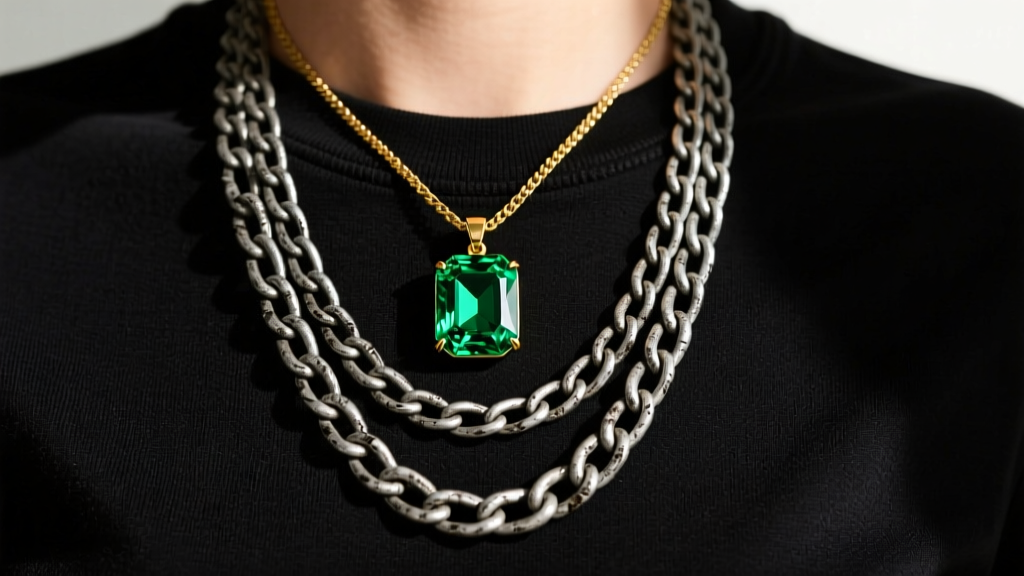
Pair the green pendant with matte or oxidized silver chains. A 4mm oxidized sterling silver Cuban link chain worn at 20 inches, layered with the hashiramas necklace at 24 inches, creates a perfect cascading effect. The dark patina of the oxidized silver complements the dark leather cord, while the green stone pops against the monochromatic metallic backdrop.
Neckline and Proportion Rules
The ideal length for the hashiramas necklace is between 22 and 24 inches. This ensures the pendant rests on the sternum, right below the collarbone. This placement is critical for two reasons:
- It allows the stone to rest flat against the chest, preventing it from flipping upside down.
- It frames the pendant perfectly within the V-shape of an unbuttoned overshirt or the neckline of a heavyweight streetwear hoodie.
Pro Tip: Avoid wearing the hashiramas necklace over busy, graphic-heavy apparel. The intricate geometry of the gemstone and the cultural weight of the piece require negative space to breathe. Solid black, charcoal, or deep navy heavy-cotton tees provide the best canvas.
Care and Maintenance for Gemstone Pendants
Maintaining the luster of your pendant depends entirely on the material you selected. Porous and organic materials require vastly different care routines than crystalline structures.
- For Tourmaline and Chrysoprase: Clean with lukewarm water, a mild dish soap, and a soft-bristled baby toothbrush. Never use ultrasonic cleaners or steamers, as the high-frequency vibrations can cause internal fractures in step-cut stones.
- For Nephrite Jade: Jade is sensitive to harsh chemicals and extreme temperature changes. Simply wipe it down with a damp microfiber cloth after wear to remove skin oils and sweat. Avoid leaving it in direct sunlight for prolonged periods, which can dry out the stone's natural waxy luster.
- Cord Maintenance: If using waxed linen or leather, apply a tiny amount of mink oil or specialized leather conditioner every six months to prevent the cord from drying out and snapping under the weight of the pendant.
Final Thoughts on Anime-Inspired Fine Jewelry
The hashiramas necklace represents a broader shift in how we consume and wear pop-culture merchandise. By demanding real gemstones, precision lapidary work, and premium hardware, fans are elevating their fandom into a sophisticated style statement. Whether you opt for the earthy toughness of nephrite jade or the luxurious flash of a step-cut green tourmaline, this pendant is a testament to the enduring power of narrative-driven jewelry in the modern streetwear landscape.


