How to Clean, Store, and Maintain a Long Bead Necklace
Learn expert techniques to clean, store, and restring your long bead necklace. Discover safe solutions for porous gems and stretch cord maintenance.
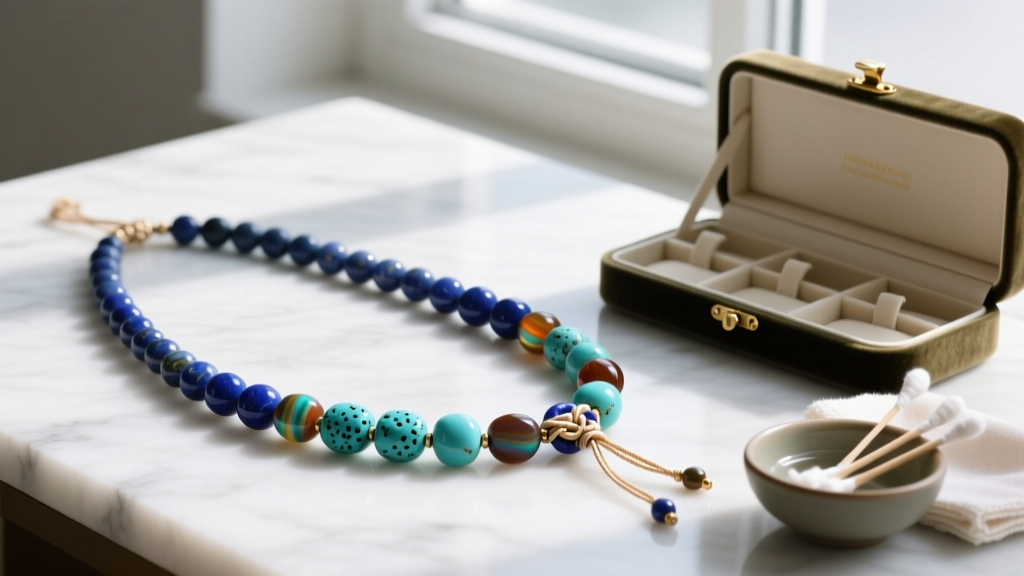
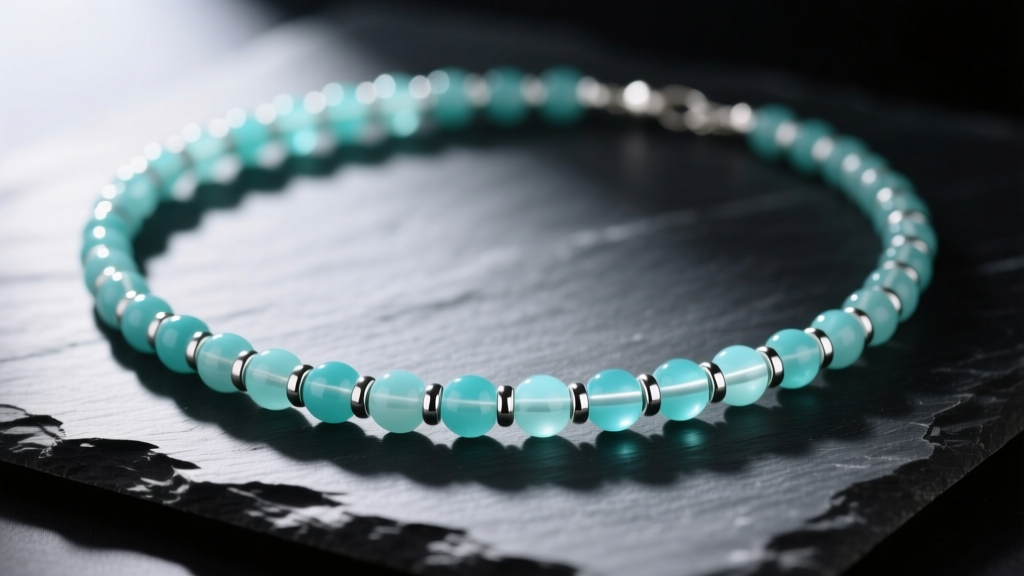
A long bead necklace—typically ranging from 28 to 45 inches in opera or rope lengths—is a striking statement piece that faces unique structural and environmental challenges. Unlike a snug 16-inch choker, a long bead necklace swings with your movements, creating kinetic stress at the clasp, the center bead, and the stringing material. Proper care goes far beyond wiping it down with a cloth; it requires a deep understanding of material porosity, stringing fatigue, and gravity-induced stretching. Whether your piece features organic gemstones, vintage glass, or heavy semi-precious stones, this comprehensive maintenance guide will ensure your necklace remains structurally sound and visually brilliant for decades.
The Anatomy of a Long Bead Necklace: Where Failures Happen
The most common failure point in any beaded strand is the stringing material. Historically, knotted silk thread or nylon was the industry standard. Today, we frequently see elastic stretch cords and braided stainless steel beading wire. Elastic cords (often 0.8mm to 1.0mm in diameter) are highly prone to dry rot, UV degradation, and chemical breakdown from perfumes. When a 40-inch necklace is strung on elastic, the sheer weight of the beads pulls the cord taut, accelerating micro-tears and eventual snapping.
Conversely, modern 49-strand micro-wire offers superior drape and tensile strength but can kink if folded sharply or stored improperly. Understanding what holds your beads together is the first critical step in targeted maintenance. If you can see gaps between the beads when the necklace is laid flat, the stringing material has permanently stretched, and the piece requires immediate professional restringing to prevent a catastrophic break.
Material-Specific Cleaning Protocols
Cleaning a long bead necklace requires a bead-by-bead assessment, especially if it features mixed media. What is safe for quartz will destroy amber. Always identify your most delicate bead and clean the entire strand according to that material's strict limitations.
Porous Organic Beads (Pearl, Coral, Amber, Turquoise)
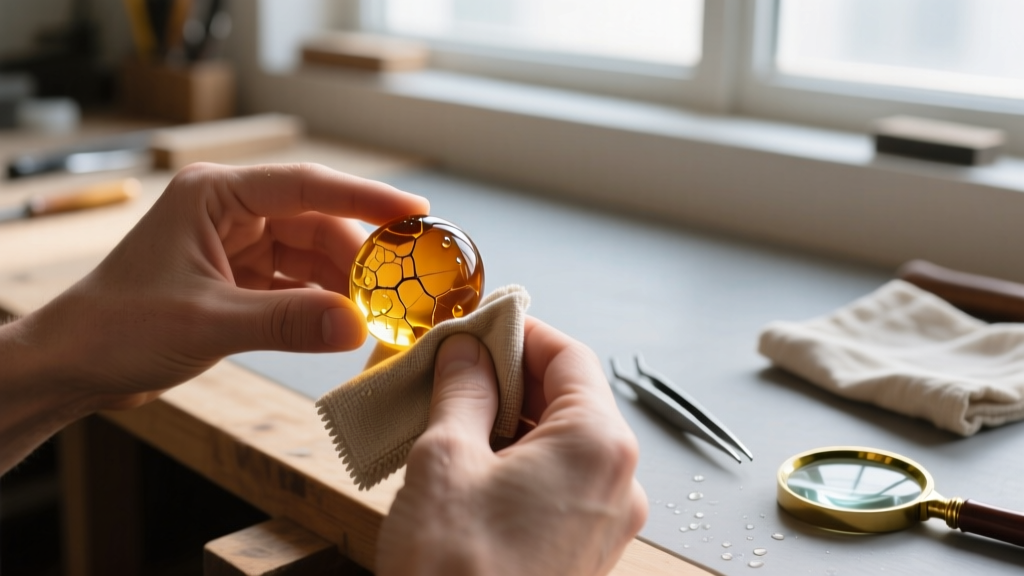
Organic and highly porous beads absorb liquids, oils, and chemicals. According to the Gemological Institute of America (GIA), turquoise is incredibly porous and can be permanently discolored by cosmetics, perfumes, and even natural skin acids. Never submerge these beads in water. Instead, wipe them gently after every wear with a dry, untreated microfiber cloth. For pearls, the GIA Pearl Care Guide recommends wiping them with a soft cloth dampened only with distilled water if they become visibly soiled, then laying them flat to dry.
Hard Gemstones and Glass (Quartz, Agate, Murano)
Harder materials (Mohs 7 and above) can handle mild surfactants. Mix a single drop of pH-neutral dish soap into a bowl of lukewarm water. Dip a soft-bristled baby toothbrush into the solution and gently scrub around the drill holes. This is where sebum, dead skin cells, and lotion accumulate, creating a dull, grayish ring around the bead. Rinse quickly under a gentle stream of tepid water and pat dry with a lint-free towel.
Wood, Bone, and Horn
These organic materials can warp, swell, or crack if exposed to excess moisture. Clean them with a slightly damp cloth and condition them annually with a tiny drop of food-grade mineral oil applied via a cotton swab to prevent desiccation and cracking.
The Ultrasonic Danger Zone: What Never to Submerge
Ultrasonic cleaners use high-frequency sound waves to create cavitation bubbles that blast dirt away at a microscopic level. While excellent for diamond, sapphire, and plain gold hardware, they are catastrophic for many beaded necklaces. The vibrations will shatter internally fractured beads, strip the dye from enhanced agates, and dissolve the natural matrix in turquoise. Furthermore, the heat generated by the water bath can melt the stringing elastic or warp wax-coated beads.
| Bead Material | Mohs Hardness | Porosity | Safe Cleaning Method | Strict Prohibitions |
|---|---|---|---|---|
| Turquoise | 5.0 - 6.0 | High | Dry microfiber cloth | Water, ultrasonic, chemicals |
| Amber | 2.0 - 2.5 | Low | Damp cloth, no soap | Alcohol, heat, ultrasonic |
| Lapis Lazuli | 5.0 - 6.0 | Medium | Dry or barely damp cloth | Acids, ammonia, ultrasonic |
| Agate (Dyed) | 6.5 - 7.0 | Low | Mild soap, soft brush | Ultrasonic, harsh solvents |
| Murano Glass | 5.5 - 7.0 | None | Mild soap, soft brush | Thermal shock (hot/cold) |
Restringing and Hardware Upgrades
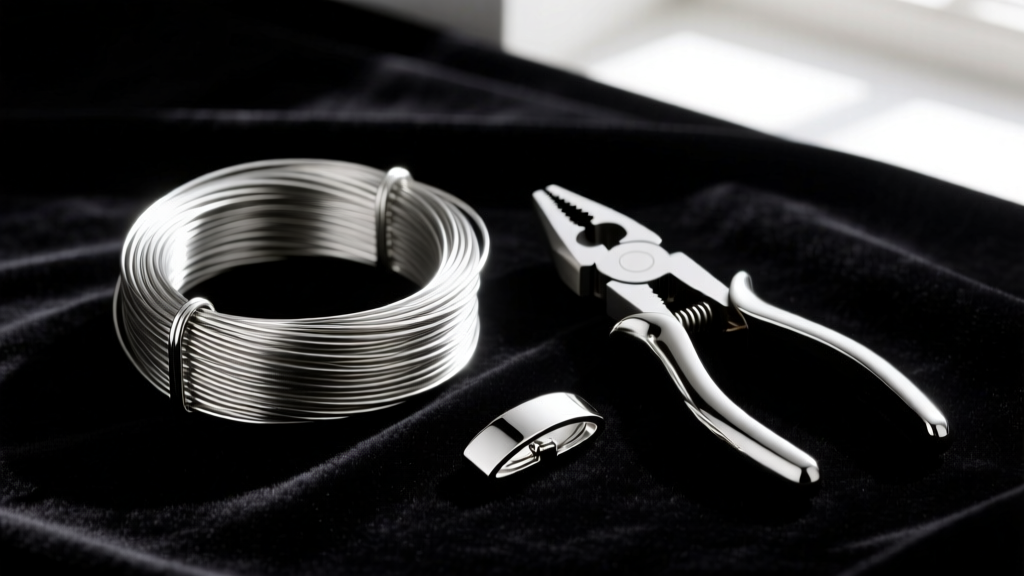
If your long bead necklace feels stiff, or if you notice fraying near the crimp bead, it is time to restring. Upgrading from traditional nylon thread or cheap elastic to a 49-strand stainless steel beading wire dramatically increases the lifespan of heavy rope-length necklaces. According to beading wire manufacturers like Soft Flex Company, a 49-strand wire provides a drape that mimics silk thread but possesses the tensile strength of steel.
Choosing the Right Wire Gauge
- .015" to .018" Diameter: Ideal for standard gemstone beads, glass, and pearls with 1mm to 1.5mm drill holes. Offers excellent flexibility for knotting or draping.
- .024" Diameter: Required for heavy, large-format stone beads, chunky glass, or metal beads with sharp drill holes that could shear thinner wires over time.
The Importance of Wire Guardians
When finishing the ends of a long bead necklace, never loop the beading wire directly through a jump ring or clasp. The friction of the metal clasp rubbing against the wire will eventually saw through the steel strands, leading to a break. Always use a sterling silver or gold-filled wire guardian (also known as French wire). This horseshoe-shaped metal finding takes the friction, protecting your stringing material and ensuring the clasp moves freely.
For crimping, avoid base-metal crimp beads, which can oxidize and weaken. Use sterling silver 2x2mm crimp tubes and a micro-crimping tool to fold the tube into a secure, rounded shape that will not snag on clothing or hair.
Proper Storage to Prevent Tangling and Stress
Storing a 36-inch or 45-inch necklace is notoriously difficult; they tangle instantly in standard jewelry boxes, and untangling them can put immense stress on the stringing material and bead drill holes.
The Travel Straw Trick
When traveling, thread the clasp end of the necklace through a standard plastic or paper drinking straw, then fasten the clasp. This creates a rigid barrier that makes tangling physically impossible inside a suitcase or purse. It also prevents the clasp from scratching softer beads like amber or pearls during transit.
Gravity Stress and Hanging Rules
Expert Rule of Thumb: Never hang a heavy, long bead necklace on a standard jewelry tree hook for extended periods. The continuous, concentrated downward pull will permanently stretch silk thread and elastic cord, leading to visible, unsightly gaps between the beads. Gravity is the enemy of organic stringing materials.
Instead, lay rope-length necklaces flat in a divided drawer lined with anti-tarnish felt, or loosely coil them in a fabric-lined tray. If you must hang them, use a padded, wide hanger specifically designed for heavy beaded garments, and only for short-term display, not long-term archival storage. By respecting the physical limits of your stringing materials and the chemical sensitivities of your beads, your long bead necklace will remain a flawless, wearable heirloom for years to come.


