How to Clean a Necklace Flower Hawaii Pendant Safely
Learn expert care, cleaning, and storage tips for your necklace flower hawaii pendant. Protect koa wood, resin, and vermeil from tropical damage.

The Unique Challenge of Hawaiian Floral Jewelry
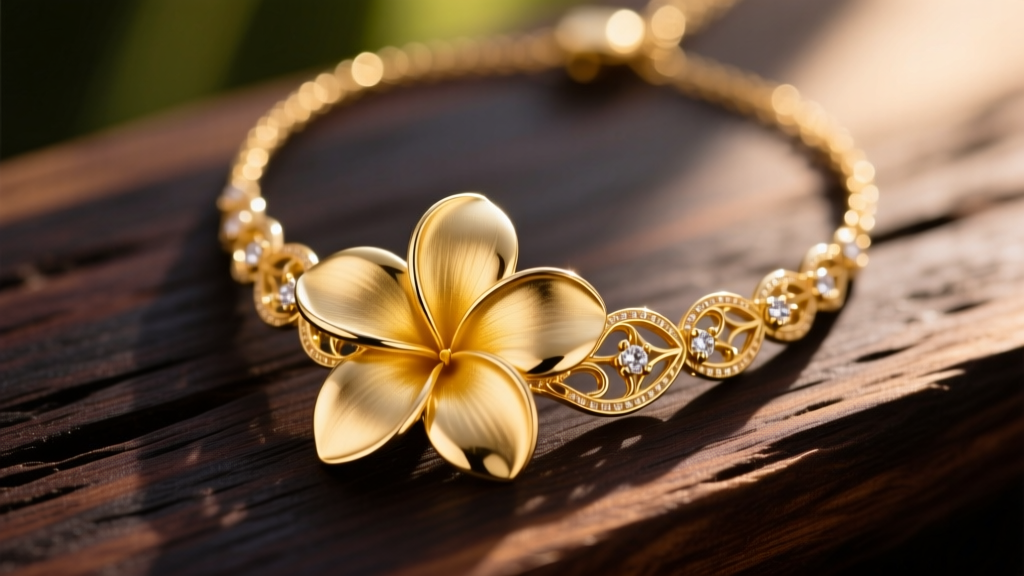
Hawaiian floral jewelry is more than just a vacation souvenir; it is a wearable piece of island culture. Whether your piece features the iconic plumeria, the vibrant hibiscus, or the delicate orchid, maintaining these items requires specialized knowledge. The tropical environment itself—characterized by high humidity, salt air, and intense UV exposure—creates a hostile ecosystem for delicate jewelry materials. When you own a necklace flower hawaii pendant, you are likely dealing with a complex mix of organic and inorganic materials, from porous Koa wood to delicate gold vermeil and cold-fired resins.
As of 2026, jewelry artisans have introduced advanced UV-stabilized resins and ethically sourced wood alternatives, but the fundamental rules of chemistry and material science remain unchanged. Improper cleaning can strip gold plating, melt enamel, or permanently warp organic woods. This comprehensive guide will break down the exact protocols for cleaning and preserving your island-inspired necklaces, ensuring they remain as vibrant as the day you brought them home.
Material Breakdown: Identifying Your Necklace Composition
Before applying any cleaning agent, you must accurately identify the materials used in your necklace flower hawaii piece. Using the wrong solvent is the leading cause of irreversible damage to floral pendants. Below is a diagnostic table to help you match your material with its primary vulnerabilities and safe cleaning agents.
| Material Type | Common Floral Motifs | Primary Vulnerability | Safe Cleaning Agent |
|---|---|---|---|
| Acacia Koa Wood | Plumeria, Hibiscus | Water absorption, grain raising, drying/cracking | Dry microfiber, food-grade mineral oil |
| Cold Epoxy Resin | Orchid, Bird of Paradise | Acetone, alcohol, extreme heat | Mild dish soap (pH neutral), lukewarm water |
| Gold Vermeil (Sterling Base) | Plumeria, Pikake | Salt water (galvanic corrosion), abrasive friction | Anti-tarnish polishing cloth only |
| Vitreous Enamel | Hibiscus, Monstera | Hard impacts, thermal shock | Soft damp cloth, mild soap |
| Real Dried Flower in Glass | Orchid, Fern | UV degradation, condensation trapping | Glass cleaner (applied to cloth, not sprayed) |
Step-by-Step Cleaning Protocols by Material
According to the Jewelers of America, the most common mistake consumers make is using a one-size-fits-all ultrasonic cleaner. Ultrasonic waves create microscopic cavitation bubbles that can easily shatter vitreous enamel, strip gold vermeil, and fracture organic wood inclusions. Here is how to safely clean your specific pendant type.
1. Caring for Koa Wood & Natural Elements
Koa wood is highly prized for its rich, chatoyant grain, but it is inherently porous. Never submerge a Koa wood necklace flower hawaii pendant in water. Water exposure causes the wood fibers to swell, leading to raised grain and eventual micro-cracking as it dries. Instead, use a dry, lint-free microfiber cloth to wipe away skin oils and sweat. If the wood appears dull or ashy, apply a single drop of food-grade mineral oil or a specialized jewelry wax (like Renaissance Wax) to a cotton swab and gently buff the surface. Allow it to cure for 10 minutes before wiping off the excess.
2. Restoring Enamel & Resin Florals
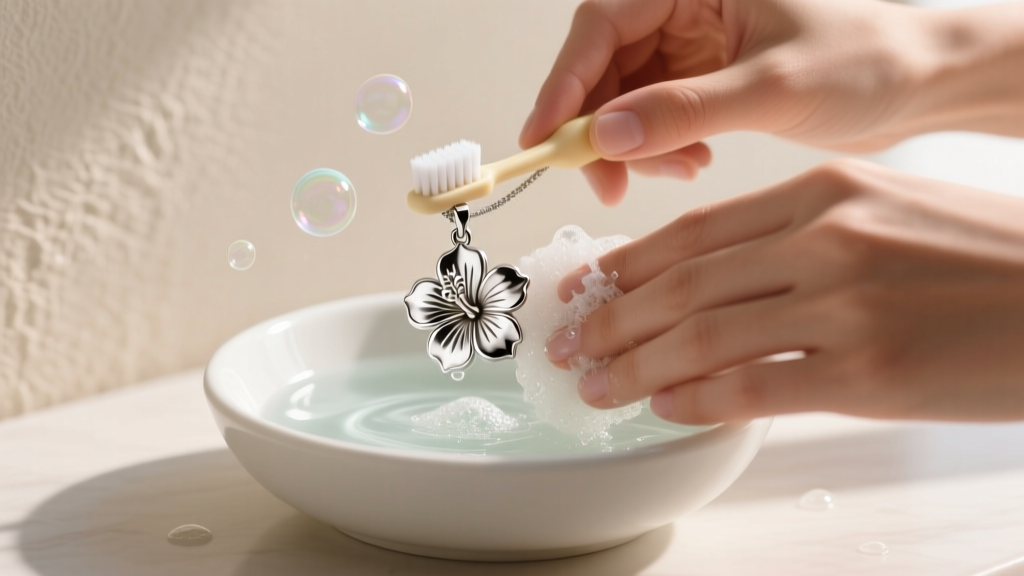
Modern Hawaiian floral necklaces frequently utilize cold enameling or epoxy resins to achieve vibrant, translucent colors. While durable, these polymers are highly susceptible to chemical solvents. Never use rubbing alcohol, acetone, or commercial jewelry dips, as these will melt the resin and destroy the finish. Create a cleaning bath using a 1:10 ratio of pH-neutral dish soap (such as Dawn) to lukewarm water. Soak the pendant for no more than three minutes, then gently agitate the crevices of the flower petals using an extra-soft baby toothbrush. Rinse under a gentle stream of distilled water to prevent hard water spots, and pat dry immediately.
3. Polishing Sterling Silver & Gold Vermeil Plumeria
Gold vermeil consists of a sterling silver base plated with at least 2.5 microns of gold. The tropical environment is particularly harsh on vermeil; the combination of sweat (which is slightly acidic) and salt air accelerates the tarnishing of the underlying silver, which can eventually bleed through the gold layer. To clean a vermeil or sterling silver floral necklace, avoid liquid cleaners entirely. Use a high-quality, untreated microfiber polishing cloth. Gently rub the petals in a circular motion. If heavy tarnish is present on sterling pieces, use a specialized silver polishing cloth impregnated with anti-tarnish compounds, but avoid rubbing the same spot excessively to prevent wearing through the metal.
Common Maintenance Mistakes and Failure Modes
Even with the best intentions, jewelry owners frequently fall victim to environmental hazards. Understanding these failure modes is critical for long-term preservation:
- Ocean Water Exposure: Salt water acts as an electrolyte, triggering rapid galvanic corrosion in mixed-metal jewelry. If your vermeil plumeria necklace is exposed to the ocean, rinse it immediately with fresh distilled water and dry it thoroughly.
- Sunscreen and Bug Spray: Chemical sunscreens contain compounds like avobenzone that can react with copper alloys and resins, leaving a permanent cloudy film on your necklace flower hawaii pendant. Always apply sunscreen and allow it to absorb fully before putting on your jewelry.
- UV Yellowing in Resin: If you own a vintage or lower-quality resin orchid necklace, prolonged exposure to direct UV light will cause the epoxy to undergo photo-oxidation, turning it an irreversible yellow. As noted by the Gemological Institute of America (GIA), UV damage in polymers cannot be polished out; prevention via proper storage is the only safeguard.
Proper Storage for Tropical Climates and Travel
How you store your Hawaiian floral jewelry when not wearing it is just as important as how you clean it. High humidity environments require moisture control to prevent the oxidation of silver bases and the warping of organic materials.
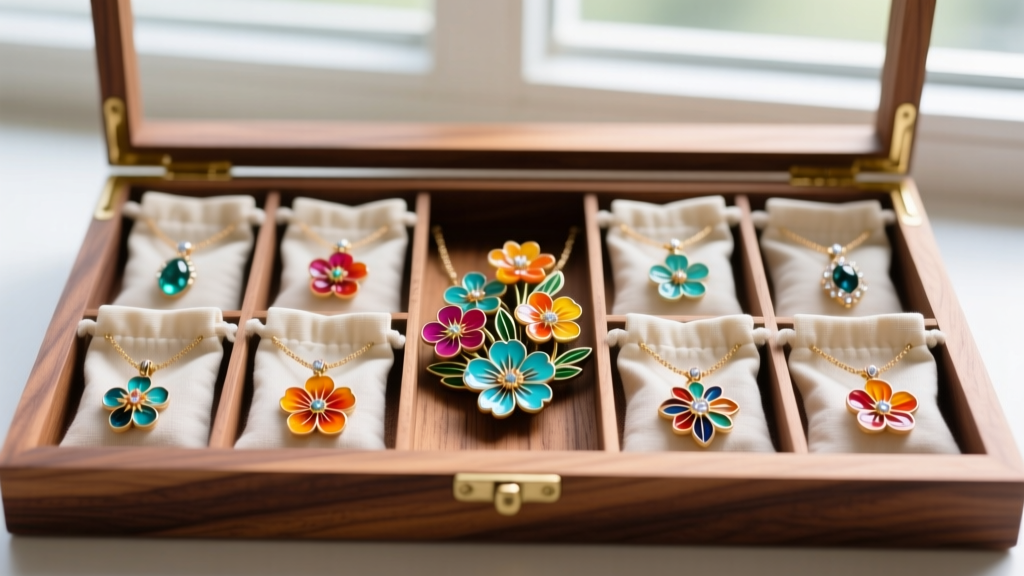
Store your necklaces in individual anti-tarnish flannel pouches. These pouches are treated with silver sulfide inhibitors that absorb airborne pollutants. For added protection, place a small silica gel desiccant packet inside your main jewelry box to maintain a relative humidity level below 45%. Never store Koa wood pieces in the same compartment as silver jewelry, as the off-gassing from tarnishing silver can stain the porous wood grain. When traveling, lay pendants flat in a structured roll to prevent the delicate chains from tangling and scratching the floral faces.
Conclusion
A beautifully crafted necklace flower hawaii pendant is a timeless investment that captures the spirit of the islands. By respecting the unique chemical and physical properties of materials like Koa wood, cold resin, and gold vermeil, you can protect your jewelry from the harsh realities of tropical climates and daily wear. Ditch the ultrasonic cleaners and harsh chemical dips in favor of gentle, material-specific cleaning protocols. With mindful maintenance and proper storage, your floral necklaces will retain their vibrant luster and structural integrity for decades to come.


