Care Guide: Cleaning Your Necklace Slip Knot Adjustable Cord
Learn how to clean, maintain, and restore the friction mechanism of your necklace slip knot adjustable cord without damaging the pendant or fibers.

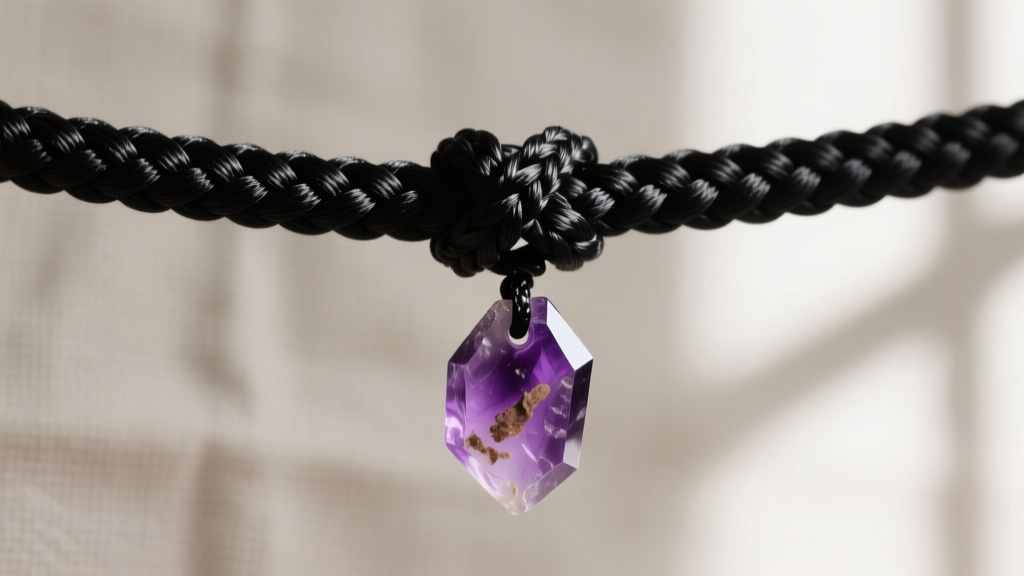
The versatility of a necklace slip knot adjustable design makes it a staple in modern jewelry wardrobes. Whether you are wearing a delicate silk cord with a pearl pendant or a rugged leather macrame piece with a brass talisman, the ability to adjust the length on the fly is unmatched. However, the very mechanism that makes these necklaces so functional—the friction-based sliding knot—is also their greatest vulnerability. As of 2026, textile conservation standards emphasize that improper cleaning can permanently alter the coefficient of friction in these cords, leading to knots that either refuse to budge or slip uncontrollably down your chest.
This comprehensive guide dives deep into the material science of adjustable cords, providing actionable, expert-level maintenance protocols to keep your jewelry functioning flawlessly and looking pristine.
The Anatomy of an Adjustable Slip Knot Mechanism
Before applying any cleaning agents, it is crucial to understand the mechanics of your necklace slip knot adjustable system. Most high-quality adjustable necklaces utilize a variation of the square sliding knot or the double overhand slider. These knots rely on the precise tensile memory and surface friction of the cord material to grip the stationary strands beneath them.
Over time, human sebum (skin oil), which has a naturally acidic pH ranging from 4.5 to 6.0, oxidizes and accumulates within the microscopic crevices of the knot. This oxidized oil acts as a magnet for dead skin cells, environmental dust, and cosmetic residues. In synthetic cords, this buildup creates a sticky, abrasive paste that degrades the polymer surface. In natural fibers, it invites microbial growth and weakens the structural integrity of the cord, eventually causing the slip mechanism to fail.
Material-Specific Cleaning Protocols
Not all cords are created equal. Applying a universal cleaning method is the fastest way to ruin an adjustable necklace. Below are the specific protocols for the most common cord materials used in contemporary jewelry.
Nylon and Polyester Cords
Synthetic cords like nylon and polyester are highly durable and resistant to moisture, making them the easiest to clean. However, nylon (a polyamide) is susceptible to hydrolysis when exposed to harsh alkaline cleaners like bleach or heavy-duty laundry detergents. This chemical reaction breaks the polymer chains, making the cord brittle and prone to snapping under the tension of a tight slip knot.
- Cleaning Agent: A few drops of pH-neutral dish soap (like Dawn) diluted in lukewarm water.
- Technique: Submerge only the cord, avoiding the pendant bail if possible. Use a soft-bristled baby toothbrush to gently agitate the knot crevices. Rinse thoroughly with distilled water to prevent hard water mineral deposits from stiffening the fibers.
- Drying: Lay flat on a microfiber towel. Never use a hairdryer, as high heat can melt or warp synthetic fibers, permanently fusing the slip knot.
Natural Fibers: Silk, Cotton, and Hemp
Natural fibers are highly porous and reactive. Silk fibroin, for instance, is entirely destroyed by the protease enzymes found in biological stain removers. Water can also leave permanent tide-line stains on silk and cause hemp to swell and shrink unpredictably, which will completely lock up your adjustable mechanism.
- Cleaning Agent: For silk, use a dry-cleaning method involving cornstarch or arrowroot powder to absorb oils. For cotton and hemp, use a mild, unscented Castile soap.
- Technique: Apply the powder to the knot, let it sit for 12 hours to draw out sebum, and brush it out with a dry, clean makeup brush. For cotton/hemp, lightly dampen a microfiber cloth with the soapy solution and dab the cord—never soak it.
- Drying: Air dry away from direct UV light, which degrades natural cellulose and protein fibers.
Leather and Suede
Leather cords rely on natural tannins and oils to remain supple. Submerging leather in water strips these essential oils, leading to dry rot and severe 'memory creases' that prevent the cord from sliding smoothly through the knot.
- Cleaning Agent: Glycerin-based saddle soap or a dedicated leather cleaner.
- Technique: Apply a microscopic amount of saddle soap to a damp cloth and wipe the cord in one direction. Follow up with a light application of leather conditioner to restore flexibility.
Restoring the Slip Mechanism: Fixing Loose or Stuck Knots
The most common complaint with a necklace slip knot adjustable style is a change in friction. Here is how to troubleshoot and restore the mechanical grip of your jewelry.
When the Knot is Too Loose (Slipping Down)
A loose knot is usually caused by cord stretching or the lubricating effect of accumulated skin oils. First, clean the cord using the methods above to strip away the oily residue. If the cord has physically stretched and lost its tensile memory, you must artificially increase the friction. Apply a microscopic amount of beeswax or micro-crystalline wax (such as Renaissance Wax) to the stationary inner cords using a cotton swab. Use a hairdryer on the 'cool' setting to melt the wax slightly into the fibers. This creates a tacky surface that restores the knot's grip without damaging the material.
When the Knot is Too Tight (Stuck)
Stuck knots are typically the result of debris buildup, dried soap residue, or microscopic fraying inside the knot tunnel. Do not pull with excessive force, as this will cause the cord to snap. Instead, use a wooden toothpick to gently pick out visible debris from the knot's entry and exit points. If the knot remains stuck, apply a single drop of food-grade mineral oil to a Q-tip and carefully swab the inner tracks of the knot to lubricate the fibers. Once the knot slides freely, wipe away all excess oil with a dry cloth to prevent it from attracting new dirt.
Pendant Care Without Cord Damage
Cleaning the gemstone or metal pendant attached to an adjustable cord requires a strategic approach to prevent chemical damage to the cord material. According to the Gemological Institute of America (GIA), many commercial jewelry dips contain ammonia or thiourea, which will instantly dissolve silk cords and strip the dye from cotton and leather.
Always isolate the pendant from the cord during deep cleaning. If the pendant cannot be removed, wrap the cord and knot tightly in plastic wrap or secure them away from the cleaning basin using a silicone jewelry clamp.
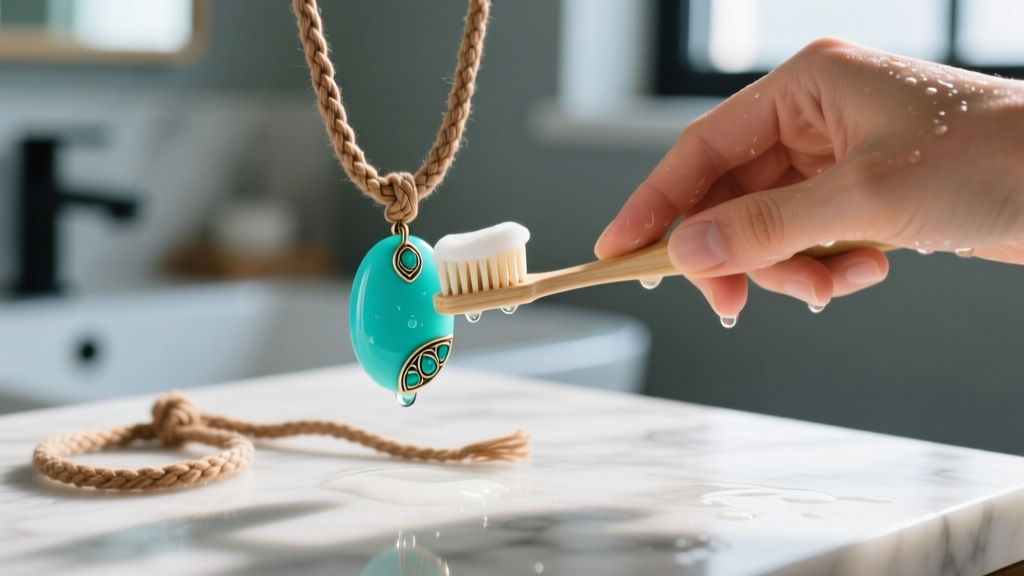
For porous gemstones like turquoise, opal, or malachite, never use ultrasonic cleaners. The high-frequency vibrations can fracture the stone and simultaneously fray the inner fibers of the cord where it passes through the gemstone's drill hole. Instead, use a soft, lint-free cloth slightly dampened with distilled water to polish the stone. For metal pendants, the Jewelers of America recommends using a dedicated polishing cloth rather than liquid dips to ensure no harsh chemicals wick up into the cord via capillary action.
Storage and Environmental Protection
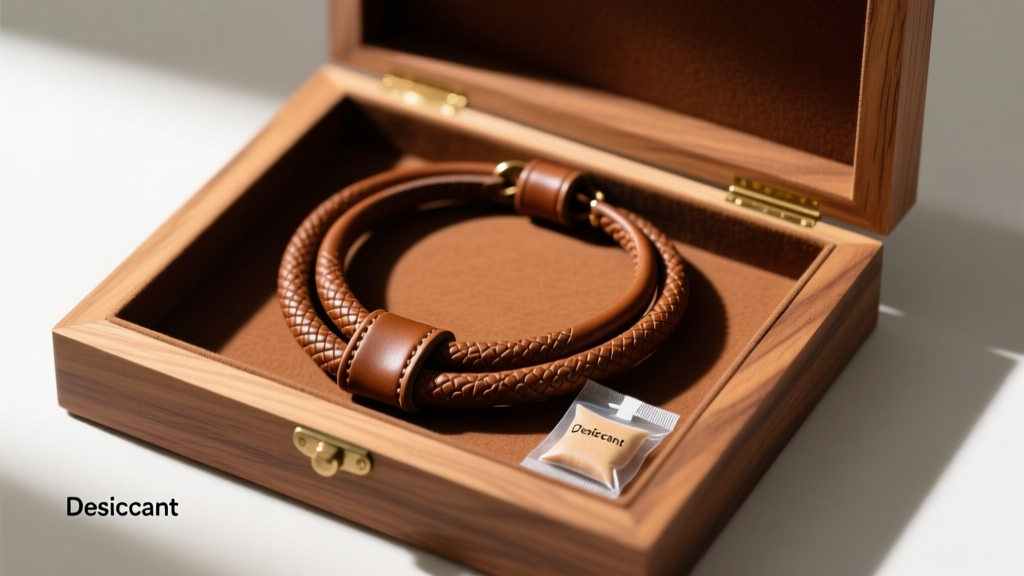
How you store your adjustable necklaces directly impacts the lifespan of the slip mechanism. Leather and thick braided cotton cords should never be hung on standard jewelry hooks for long periods; the weight of the pendant will cause the cord to stretch unevenly, creating a permanent bow that ruins the slide. Instead, loosely coil the necklace in a cedar-lined box or a breathable cotton pouch.
Humidity control is equally vital. High humidity encourages mold growth on natural fibers and accelerates the oxidation of metal bails, which can then transfer black tarnish stains onto porous cords. Always store your necklaces with a small silica gel desiccant packet to maintain an optimal micro-climate, especially if you live in a coastal or tropical environment.
Maintenance Schedule and Troubleshooting Table
To keep your necklace slip knot adjustable pieces in peak condition, adhere to the following maintenance matrix based on your cord material and wear frequency.
| Cord Material | Cleaning Agent | Drying Method | Friction Restorer | Cleaning Frequency |
|---|---|---|---|---|
| Nylon / Polyester | Mild Dish Soap & Warm Water | Air Dry (Flat) | Beeswax (if stretched) | Monthly |
| Silk | Cornstarch (Dry Method) | Air Dry (No Sun) | None (Replace cord) | Bi-Weekly |
| Leather / Suede | Glycerin Saddle Soap | Air Dry (Conditioned) | Micro-crystalline Wax | Quarterly |
| Hemp / Cotton | Unscented Castile Soap | Flat Air Dry | Carnauba Wax | Monthly |
By understanding the specific material properties and friction mechanics of your jewelry, you can ensure that your adjustable necklaces remain as functional and beautiful as the day you acquired them. Treat the cord with the same respect as the gemstone it holds, and your pieces will endure for years to come.


