How to Clean Necklaces With Pictures: Locket & Projection Care
Learn how to safely clean necklaces with pictures, including photo lockets, resin pendants, and projection jewelry, without damaging the images.

The Unique Fragility of Picture Necklaces
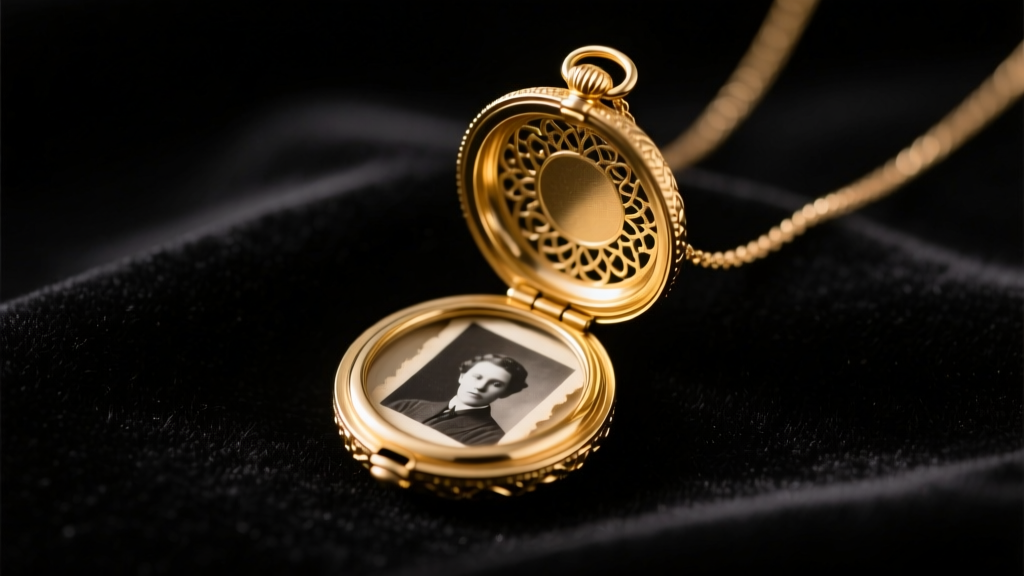
Necklaces with pictures hold immense sentimental value, but they present a unique set of challenges when it comes to care and maintenance. Unlike solid metal or gemstone jewelry, picture necklaces incorporate organic materials, delicate optics, and porous surfaces. As of 2026, the market is dominated by three main types of picture jewelry: UV-cured resin photo pendants, glass micro-lens projection necklaces, and traditional hinged metal lockets containing physical photo paper. Standard jewelry cleaning methods—such as ultrasonic baths, ammonia-based solutions, and liquid silver dips—will permanently destroy the images housed within these pieces.
According to the Gemological Institute of America (GIA), mixed-media jewelry requires specialized, compartmentalized cleaning protocols. In this comprehensive guide, we will break down the exact chemistry and mechanics required to clean and maintain your picture necklaces without degrading the resin, fogging the projection lenses, or warping the vintage photographs inside.
Identifying Your Picture Necklace Type
Before applying any cleaning agent, you must identify the exact construction of your necklace with pictures. The bezel material (usually 925 sterling silver, 14k gold vermeil, or 316L stainless steel) can be cleaned differently than the window or stone protecting the image. Below is a diagnostic matrix to help you determine your necklace type and its primary vulnerabilities.
| Necklace Type | Image Medium | Primary Vulnerability | Forbidden Cleaners |
|---|---|---|---|
| Resin Photo Pendant | Inkjet/Laser print sealed in epoxy | UV yellowing, alcohol clouding | Rubbing alcohol, acetone, ultrasonic |
| Projection Locket | Nano-engraved optical glass/resin | Adhesive dissolution, lens scratching | Liquid silver dips, ammonia, abrasives |
| Traditional Hinged Locket | Physical photo paper behind glass | Moisture trapping, capillary action | Submersion in water, chemical dips |
| Metal Engraved Photo | Laser-etched directly onto steel/silver | Filling of etch lines with polish | Heavy polishing pastes, tarnish dips |
Step-by-Step Cleaning Guide for Resin and Glass Windows
The window protecting the picture is the most critical component. Whether it is a domed epoxy resin or a flat glass crystal, the goal is to remove skin oils and environmental dust without micro-scratching the surface or compromising the seal.
The Safe Soap Bath Method for Resin Pendants
Resin is highly susceptible to chemical burns. Isopropyl alcohol, often recommended for sanitizing jewelry, will cause UV-cured resins to turn cloudy and brittle over time. Instead, use a mild, lotion-free dish soap (such as original Dawn) diluted in lukewarm distilled water. Distilled water is crucial; tap water contains hard minerals that can leave microscopic calcium deposits on the resin dome, creating a permanent foggy appearance.
- Dip a lint-free microfiber cloth into the soapy distilled water and wring it out until it is only slightly damp.
- Gently wipe the resin dome in circular motions. Never apply heavy pressure, as dust particles trapped on the surface can act as an abrasive.
- Use a dry, clean microfiber cloth to immediately buff the surface dry. Do not let the piece air dry, as water spots will form.
Cleaning the Micro-Lens of Projection Necklaces
Projection necklaces utilize a tiny micro-lens (typically 1.5mm to 3mm) set deep within a metal bezel. The image is nano-engraved onto the back of the lens. The greatest risk here is liquid seeping behind the lens, which will ruin the projection effect and cause internal fogging.
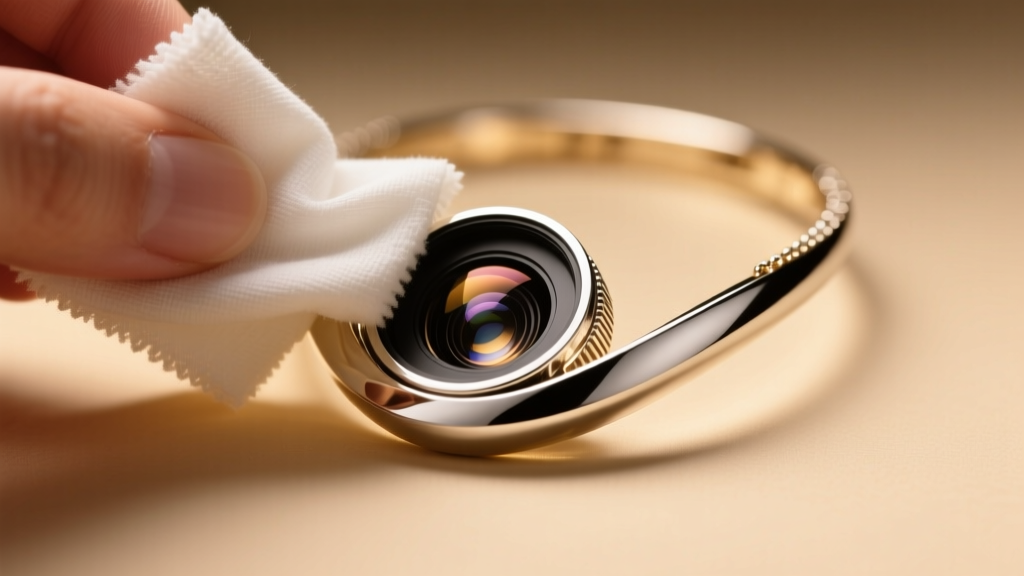
Never spray cleaner directly onto a projection necklace. Instead, use a dry, optical-grade lens cloth (the type used for camera lenses or eyeglasses). Fold the cloth to a fine point and gently twist it over the micro-lens to pick up sebum and fingerprint oils. If the lens is heavily soiled, apply a microscopic drop of optical lens cleaner to the cloth—never the jewelry—and wipe quickly before the liquid can migrate into the bezel seam.
Polishing the Metal Chains and Bezels Safely
The metal housing your picture requires a completely different approach than the image window. The most common metals used for necklaces with pictures are 925 sterling silver and 14k gold vermeil. Sterling silver is notorious for tarnishing due to its copper content reacting with sulfur in the air.
The Danger of Liquid Silver Dips
Many consumers make the fatal mistake of using liquid tarnish removers (often containing thiourea) on silver picture lockets. These liquids rely on capillary action. When you dip a hinged locket or a bezel-set projection stone into the solution, the liquid is pulled deep into the microscopic seams between the metal and the glass/resin. While it strips the tarnish from the outside, it permanently stains the photo paper inside or dissolves the optical adhesive holding the projection lens in place.
The Dry Polishing Protocol
For all picture necklaces, rely exclusively on dry, treated polishing cloths. According to Tiffany & Co.'s jewelry care guidelines, gently rubbing silver with a specialized polishing cloth removes tarnish safely without liquids. Use a Sunshine cloth or a similar micro-abrasive silver cloth to polish the chain and the outer rim of the bezel. Keep the cloth at least 2 millimeters away from the glass or resin window to prevent accidental scratching of the picture cover.
Critical Maintenance and Storage Rules
Preventative maintenance is far more effective than reactive cleaning when it comes to preserving the integrity of picture jewelry. Environmental factors like UV radiation and ambient humidity are the silent killers of photographic memories.
Combating UV Degradation
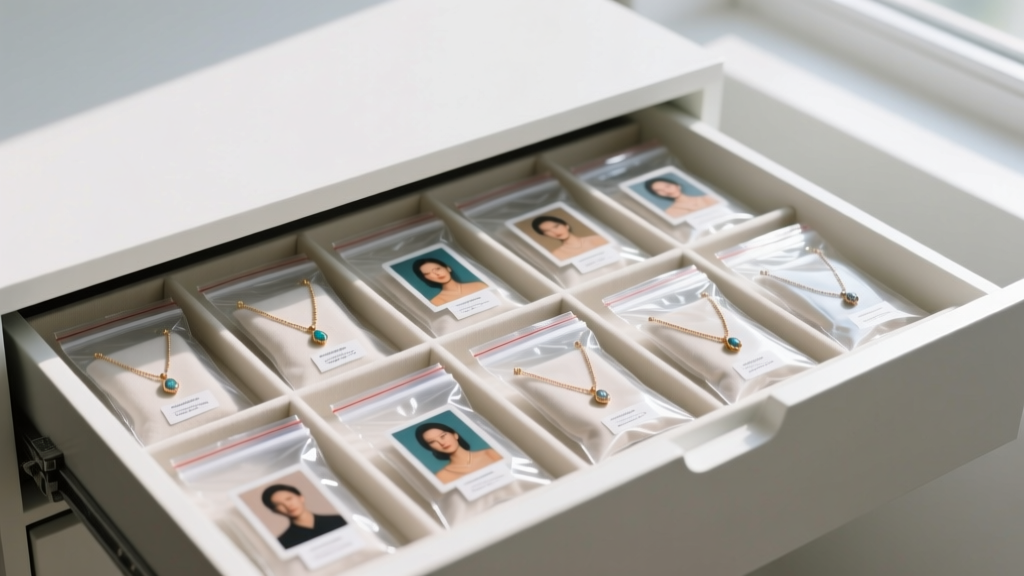
If your picture necklace features a resin dome, be aware that all epoxies and polyurethanes will eventually yellow when exposed to ultraviolet light. While modern 2026 resin formulations include UV-inhibitors, prolonged direct sunlight will still cause the resin to amber, which drastically alters the color balance of the photo beneath. Store resin picture necklaces in dark, opaque jewelry boxes or anti-tarnish pouches when not being worn.
Managing Humidity in Hinged Lockets
Traditional lockets that open on a hinge are highly vulnerable to humidity changes. If you live in a high-humidity environment, moisture can enter the locket chamber, causing the physical photo paper to ripple, stick to the glass, or develop mold. Place a tiny, food-safe silica gel packet inside your jewelry box to maintain a dry micro-climate. If you notice the glass inside your locket fogging up, open the locket immediately and leave it in a dry, air-conditioned room for 24 hours to allow the trapped moisture to evaporate before snapping it shut again.
Troubleshooting Common Picture Necklace Failures
Even with meticulous care, issues can arise. Here is an expert troubleshooting guide for the most common problems associated with necklaces with pictures:
Issue: The projection image is blurry or distorted.
Diagnosis: The micro-lens has likely rotated slightly within its bezel, or oils have built up on the back of the lens.
Solution: Do not attempt to push the lens back into place with a needle; you will scratch the engraving. Take it to a professional jeweler who can safely remove the bezel backing, clean the optical surface with compressed air, and re-seat the lens using jewelers' epoxy.
Issue: The resin dome has a white, cloudy ring around the edge.
Diagnosis: This is known as 'blooming' and occurs when moisture has breached the seal between the resin and the metal bezel, or when harsh chemicals have degraded the top layer of the epoxy.
Solution: Unfortunately, chemical blooming inside cured resin cannot be reversed. The pendant must be sent back to the original manufacturer to have the resin carefully drilled out and the photo re-sealed with fresh, UV-stable epoxy.
Final Thoughts on Preserving Your Memories
Necklaces with pictures are more than just accessories; they are wearable archives of your most cherished moments. By abandoning harsh chemical dips and ultrasonic machines in favor of gentle, targeted dry-cleaning methods, you ensure that both the metal and the memory remain pristine. Treat the picture window as you would a high-end camera lens, treat the metal chain as you would fine silverware, and your custom jewelry will remain vibrant and legible for decades to come.


