How to Clean a Queen of Hearts Necklace: Enamel & Stone Care
Learn how to safely clean your queen of hearts necklace. Expert tips for preserving red enamel, glued crystals, and mixed-metal chains without damage.

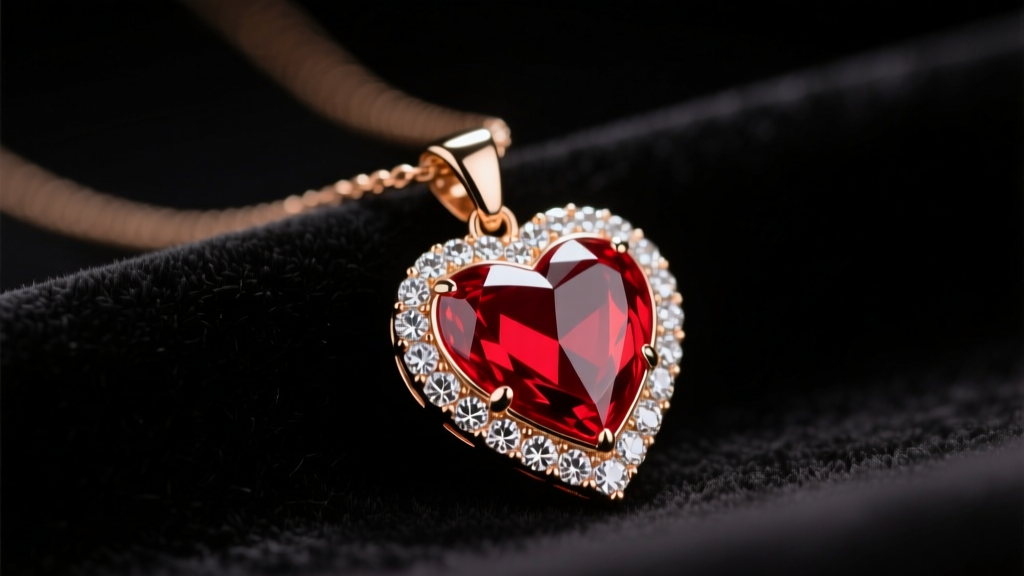
The Anatomy of a Queen of Hearts Necklace: Why Standard Cleaners Fail
The queen of hearts necklace is a staple in both high-fashion and indie jewelry collections, characterized by its striking red and black colorways, crown motifs, and intricate pave crystal accents. However, the very elements that make this pendant visually captivating—cold enamel, epoxy-set rhinestones, and mixed-metal vermeil chains—make it highly susceptible to damage from conventional jewelry cleaning methods. As of 2026, jewelry conservation standards strongly advise against using ultrasonic cleaners, steamers, or harsh chemical dips on mixed-material motif necklaces.
To properly care for your queen of hearts necklace, you must first understand its construction. Unlike solid gold or platinum pieces, these necklaces typically rely on cold enamel (a pigmented epoxy resin) rather than vitreous enamel (kiln-fired glass). Cold enamel is heat-sensitive and porous. Furthermore, the tiny crystals outlining the heart and crown are usually secured with cyanoacrylate or two-part epoxy adhesives, which degrade rapidly when exposed to alcohol, ammonia, or high-frequency ultrasonic vibrations.
Identifying Your Enamel and Plating Type
Before applying any cleaning solution, perform a visual and tactile inspection of your pendant. High-end designer pieces (like those from Vivienne Westwood or Betsey Johnson) often use brass or sterling silver bases plated with rhodium or 18k gold vermeil, topped with precision-poured cold enamel. Independent artisans might use guilloché techniques with a resin overlay.
- The Tap Test: Gently tap the enamel with a wooden toothpick. A dull, plastic-like sound indicates cold enamel (resin). A sharp, glass-like clink suggests vitreous enamel. Treat both with extreme caution, but never expose cold enamel to heat.
- The Plating Check: Inspect the chain and pendant bail for wear. If you see a darker metal (like copper or brass) bleeding through the gold or silver tone, the plating is compromised. Submerging a compromised chain in water will accelerate oxidation and cause permanent pitting.
Step-by-Step Cleaning Protocol for Enamel and Crystal Motifs
According to the Gemological Institute of America (GIA), the safest approach for cleaning jewelry with fragile settings and organic or synthetic overlays is a mild, manual surfactant wash. Follow this precise three-phase protocol to restore your necklace's brilliance without dissolving the adhesive bonds.
Phase 1: Dry Dusting and Surface Prep
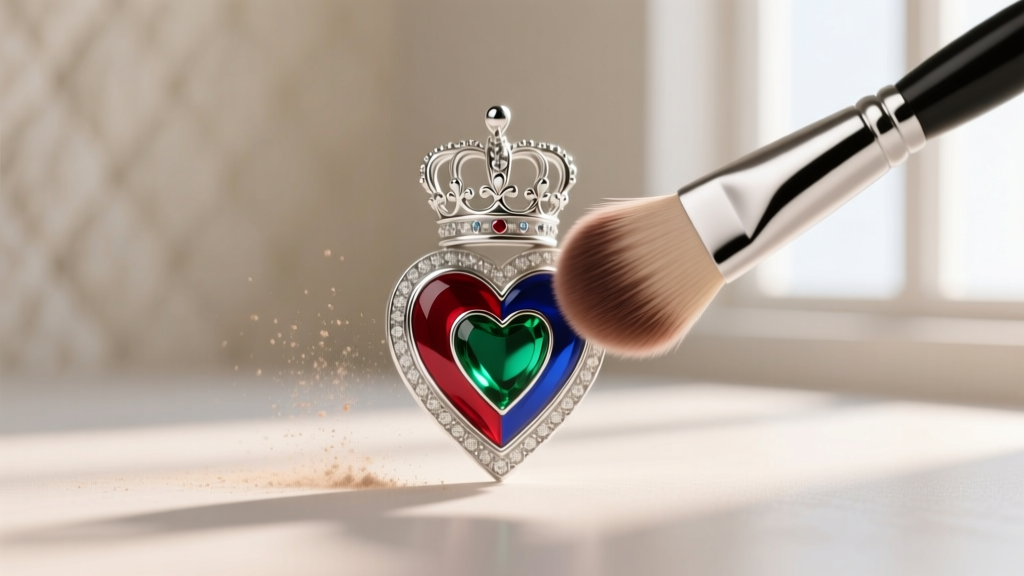
Never apply liquid directly to a dusty pendant; this creates an abrasive mud that can micro-scratch acrylic or glass crystals and dull the enamel finish. Lay the necklace flat on a microfiber towel. Using a clean, soft-bristled makeup brush (like a fluffy eyeshadow brush), gently sweep the surface of the queen of hearts pendant. Pay special attention to the crevices around the crown and the underside of the heart where skin oils and cosmetic powders accumulate.
Phase 2: The Mild Surfactant Wash
Prepare a cleaning bath using distilled water (to prevent hard water mineral deposits on the crystals) heated to a maximum of 30°C (86°F). Hot water will soften the epoxy holding the crystals in place. Add a single drop of pH-neutral dish soap, such as Dawn Platinum, which is formulated to break down sebum and skin oils without containing harsh degreasers or ammonia.
Submerge the pendant for no more than three minutes. Using a cotton swab or a baby-soft toothbrush, gently roll the bristles over the metal bezels and crystal settings. Do not scrub the enamel directly. Instead, let the surfactant lift the oils. For stubborn grime in the chain links, thread the chain through a soft cotton cloth soaked in the soapy solution and pull it back and forth gently.
Phase 3: Drying and Polishing
Rinse the necklace briefly under a slow stream of lukewarm distilled water. Immediately pat it dry with a lint-free microfiber cloth. Avoid paper towels entirely, as the wood fibers can scratch softer synthetic stones and leave microscopic lint caught in the crystal prongs. Allow the piece to air-dry completely in a low-humidity room for two hours before storing it to ensure no moisture is trapped beneath the stone settings.
Chemicals to Avoid: The Enamel and Epoxy Destroyers
The Jewelers of America frequently issues warnings regarding household chemicals that cause irreversible damage to fashion and demi-fine jewelry. Below is a breakdown of common cleaning agents and their specific failure modes when applied to a queen of hearts necklace.
| Chemical Agent | Material Affected | Specific Failure Mode |
|---|---|---|
| Acetone / Nail Polish Remover | Cold Enamel & Glue | Melts the resin surface, causing permanent clouding; dissolves cyanoacrylate glue, causing stones to drop out. |
| Ammonia (e.g., Windex) | Gold Vermeil & Crystals | Strips the microscopic gold layer from vermeil chains; degrades the reflective foil backing on rhinestones. |
| Ultrasonic Waves | Pave Settings & Enamel | High-frequency vibrations shatter the bond between the metal bezel and the enamel; shakes loose glued stones. |
| Chlorine (Pool/Bleach) | Sterling Silver Base | Causes rapid, deep oxidation and structural pitting in the underlying silver or brass base metal. |
| Rubbing Alcohol | Epoxy Adhesives | Dries out and cracks the epoxy resin holding the crown and heart crystals in their micro-prong settings. |
Chain Maintenance: Vermeil and Oxidized Silver Care
The chain of your queen of hearts necklace requires a different approach than the pendant. If your chain is gold vermeil (a thick layer of gold over sterling silver), you must avoid traditional silver polishing cloths. These cloths are impregnated with jeweler's rouge and mild abrasives designed to remove tarnish, but they will aggressively strip the gold plating right off the silver core.
Instead, use a dedicated, untreated microfiber polishing cloth. If the silver chain has intentional oxidation (blackened crevices for an antique look), submerging it in liquid silver dip will strip the dark patina, ruining the designer's intended contrast. For oxidized chains, wipe only the high points with a dry, soft cloth to maintain the dimensional shading.
Long-Term Storage and Preventative Maintenance
Proper storage is 90% of jewelry maintenance. The red and black pigments in cold enamel can fade or yellow if exposed to prolonged UV light, while the silver base will tarnish when exposed to ambient humidity and sulfur in the air.
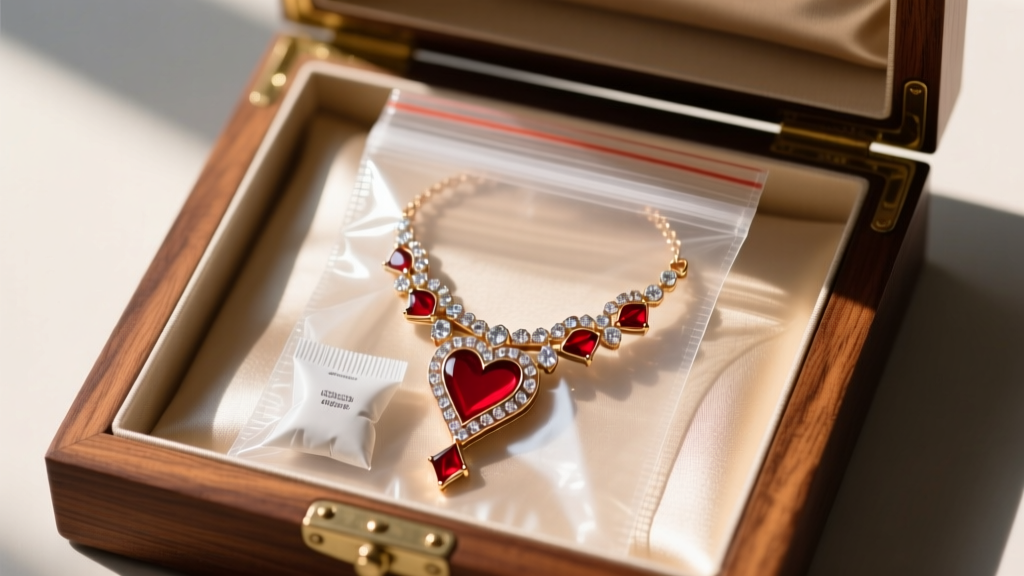
- The Micro-Climate Method: Store your necklace in an airtight, anti-tarnish ziplock bag. Squeeze out all excess air before sealing.
- Moisture Control: Drop a small, jewelry-safe silica gel packet into the bag to absorb ambient moisture. Replace the packet every six months.
- Friction Prevention: Never store the queen of hearts necklace in a communal jewelry box where it can rub against harder gemstones (like diamonds or sapphires) which will easily gouge the resin enamel and scratch the crystals.
- Application Order: Always put your necklace on after applying perfume, hairspray, and lotions. The alcohol and essential oils in cosmetics are primary culprits in degrading epoxy adhesives and clouding enamel finishes.
Troubleshooting Common Issues
Cloudy or Hazy Enamel
If the red or black enamel on your pendant has developed a cloudy, white haze, it has likely suffered from chemical exposure or micro-abrasions. Do not attempt to buff it with polishing compounds, as this will generate heat and melt the resin. Instead, apply a microscopic drop of mineral oil to a cotton swab and gently rub the surface. The oil will fill the micro-scratches and temporarily restore the optical clarity and deep color of the enamel.
Loose or Missing Crystals
If you notice a crystal in the crown or heart border is loose, stop wearing the necklace immediately to prevent losing the stone. Do not use household super glue (which contains solvents that will melt the surrounding enamel and create a frosty white residue). If you must perform a temporary at-home repair, use a flexible jewelry adhesive like G-S Hypo Cement. Apply it with a fine needle tip, allowing it to cure for 24 hours. For a permanent fix, take the piece to a professional bench jeweler who can reset the stone using UV-cured resin that is safe for mixed-material jewelry.


