How to Clean and Restore Your Favorite Plastic Charm Necklace
Learn expert techniques to clean, polish, and store your plastic charm necklace. Discover safe solutions for acrylic, resin, and vintage Bakelite.

Whether you are rocking a nostalgic Y2K-inspired piece or a rare vintage find, a plastic charm necklace requires a highly specific approach to care and maintenance. Unlike gold or gemstones, plastics are porous, chemically reactive, and highly susceptible to environmental damage. Using the wrong cleaning agent can permanently cloud the surface, cause micro-crazing (tiny internal fractures), or even melt the material.
In this comprehensive guide, we break down the exact chemical compositions of modern and vintage plastics, outline the step-by-step restoration process, and provide actionable frameworks to keep your charms vibrant and your hardware secure for years to come.
Understanding Your Plastic: Acrylic, Resin, and Vintage Polymers
Before applying any liquid or polish to your necklace, you must identify the specific polymer. The term 'plastic' encompasses a wide variety of synthetic materials, each with unique vulnerabilities:
- Modern Acrylic (PMMA): Polymethyl methacrylate is lightweight, shatter-resistant, and highly transparent. However, it ranks around a 3 on the Mohs hardness scale, meaning it scratches incredibly easily. It is also highly sensitive to solvents like acetone and alcohol.
- Epoxy and Polyurethane Resin: Often used in artisanal or indie jewelry, resin is slightly more durable than acrylic but is highly prone to photo-oxidation (yellowing) when exposed to UV light.
- Vintage Bakelite (Phenol Formaldehyde): Popular in the 1920s and 30s, Bakelite is heavy, durable, and develops a rich patina over time. It can withstand gentle polishing but should never be subjected to high heat.
- Celluloid (Nitrocellulose): The earliest commercial plastic. It is highly flammable, extremely brittle, and degrades by off-gassing nitric acid. Never submerge celluloid in water.
The Dangers of Common Household Cleaners
Many jewelry owners make the fatal mistake of treating plastic like glass or metal. According to the Victoria and Albert Museum's conservation guide, improper chemical exposure is the leading cause of irreversible damage to historic and modern plastics alike.
What to Absolutely Avoid
- Rubbing Alcohol & Hand Sanitizer: Alcohol acts as a desiccant to polymers, drawing out plasticizers and causing 'crazing'—a network of microscopic cracks that turns clear plastic permanently white and cloudy.
- Ammonia (e.g., Windex): Ammonia strips the protective topcoat of polished acrylic and leaves a dull, etched finish.
- Ultrasonic Cleaners: The high-frequency cavitation bubbles generated by ultrasonic machines can easily shatter brittle vintage plastics and will strip the gold or silver plating right off your charm's chain.
Step-by-Step Cleaning Guide for Plastic Charms
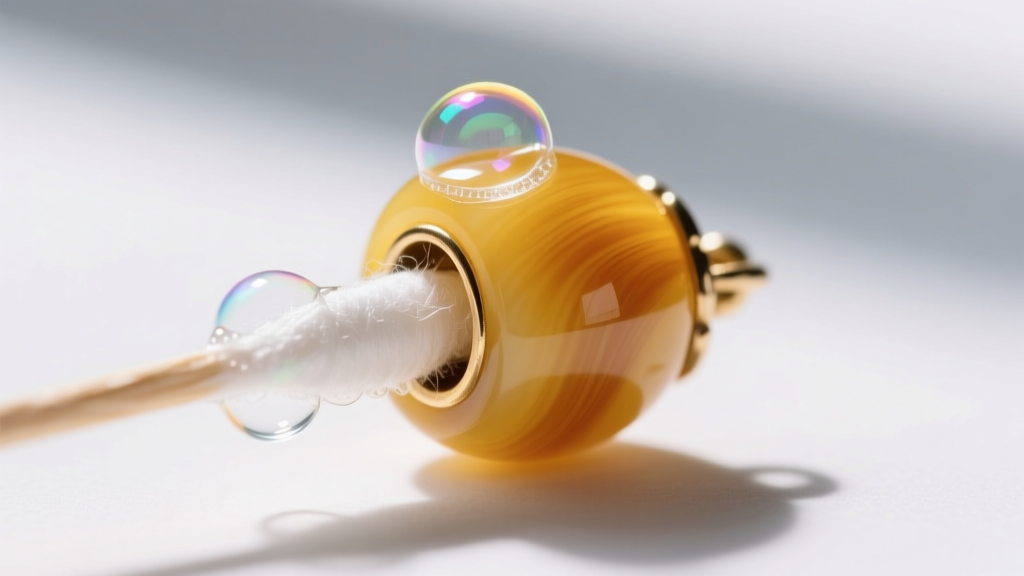
Follow this tiered approach based on the condition of your plastic charm necklace. Always remove the charm from the chain if the jump ring allows, to protect the metal hardware from prolonged moisture exposure.
Level 1: Routine Dust and Grime Removal
For light surface dirt, mix three drops of pH-neutral dish soap (like Dawn) into a bowl of distilled water. Do not use tap water; the calcium carbonate and trace minerals will leave stubborn water spots on the plastic. Dip a lint-free microfiber cloth into the solution, wring it out until it is barely damp, and gently wipe the charm. Dry immediately with a second dry microfiber cloth. Never use paper towels, as the wood pulp fibers will inflict micro-scratches on PMMA.
Level 2: Deep Cleaning Crevices and Hardware
Charms with intricate molds or 3D designs trap skin oils and lotions in their crevices. Dip a soft-bristled baby toothbrush or a cotton swab into your distilled soapy water. Gently agitate the crevices without applying heavy downward pressure. If the charm features glued-in rhinestones, avoid getting the adhesive wet, as moisture degrades cyanoacrylate and E6000 jewelry glues over time.
Level 3: Scratch Removal and Polishing
If your acrylic or resin charm is scratched, you can restore its optical clarity using a specialized plastic polish system. The industry standard is the Novus Plastic Polish Kit (typically priced between $15 and $20).
- Novus #1: Use for routine cleaning and anti-static protection.
- Novus #2 (Fine Scratch Remover): Apply a dime-sized amount to a microfiber cloth and buff in circular motions for 2-3 minutes to remove light scuffs.
- Novus #3 (Heavy Scratch Remover): Use only for deep gouges. This contains a mild abrasive and must be followed by Novus #2 to restore the glossy finish.
Expert Note for Vintage Bakelite: Skip the Novus and use Simichrome Metal Polish (~$12 per tube). While marketed for metal, Simichrome is the secret weapon of antique dealers for safely removing the oxidized, muddy top layer of Bakelite to reveal the vibrant color beneath.
Maintaining the Chain and Jump Rings
A plastic charm necklace is only as strong as its weakest hardware link. Lightweight plastic charms are typically suspended on 20-gauge or 22-gauge jump rings attached to delicate cable or box chains.
If your chain is plated brass or copper, submerging it in water will accelerate tarnishing and cause the base metal to pit. Instead, lay the chain flat on a dry towel and use a jewelry polishing cloth (impregnated with anti-tarnish agents) to gently buff the metal links. Inspect the jump ring connecting the charm to the chain monthly; use two pairs of flat-nose pliers to ensure the split in the ring remains tightly closed, preventing your favorite charm from slipping off unnoticed.
Cleaning Agent Compatibility Chart
| Cleaning Agent | Acrylic / PMMA | Epoxy Resin | Vintage Bakelite | Celluloid |
|---|---|---|---|---|
| Distilled Water + Mild Soap | Safe | Safe | Safe | Avoid (Damp Cloth Only) |
| Isopropyl Alcohol | Destructive | Destructive | Destructive | Destructive |
| Novus Polish (#1, #2, #3) | Excellent | Good | Fair | Avoid |
| Simichrome Polish | Too Abrasive | Too Abrasive | Excellent | Avoid |
| Ultrasonic Cleaner | Risk of Cracking | Risk of Cracking | Risk of Cracking | High Risk of Shattering |
Proper Storage to Prevent Yellowing and Warping
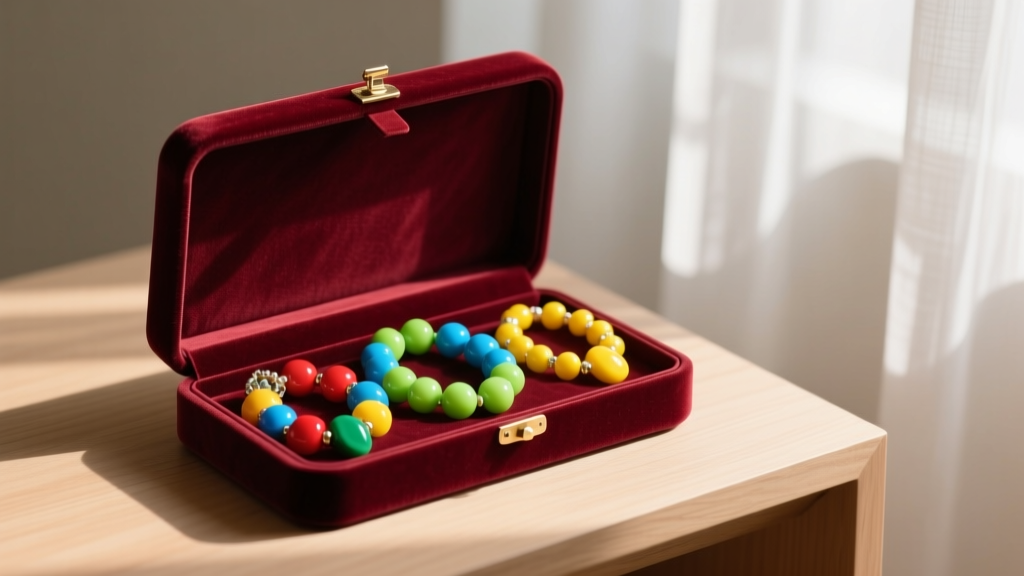
How you store your plastic charm necklace is just as critical as how you clean it. The Canadian Conservation Institute emphasizes that environmental control is the primary defense against polymer degradation.
Combatting UV and Heat Damage
UV radiation breaks the chemical bonds in epoxy resins and white acrylics, causing irreversible yellowing. Always store your necklaces in a dark, climate-controlled drawer or jewelry box. Avoid hanging plastic necklaces near windows or in bathrooms, where fluctuating heat and high humidity can cause the plastic to warp or the metal hardware to rust.
The Danger of PVC Plastics
Never store vintage or modern plastics in cheap, clear PVC (polyvinyl chloride) ziplock bags or plastic bins. PVC off-gasses hydrogen chloride as it degrades, which will chemically attack your jewelry, leaving a sticky, acidic residue on the surface of your charms.
Instead, wrap your necklaces in acid-free tissue paper or untreated cotton muslin bags. This allows the material to 'breathe' while protecting it from dust, UV light, and abrasive contact with other jewelry pieces. By understanding the unique chemistry of your pieces and adhering to these strict maintenance protocols, your plastic charm necklaces will remain vibrant, intact, and ready to wear for decades.


