How Can I Clean Silver Necklace Chains Safely at Home?
Learn how to safely remove tarnish from sterling silver necklace chains at home using expert-approved methods, avoiding harsh chemicals that damage finishes.

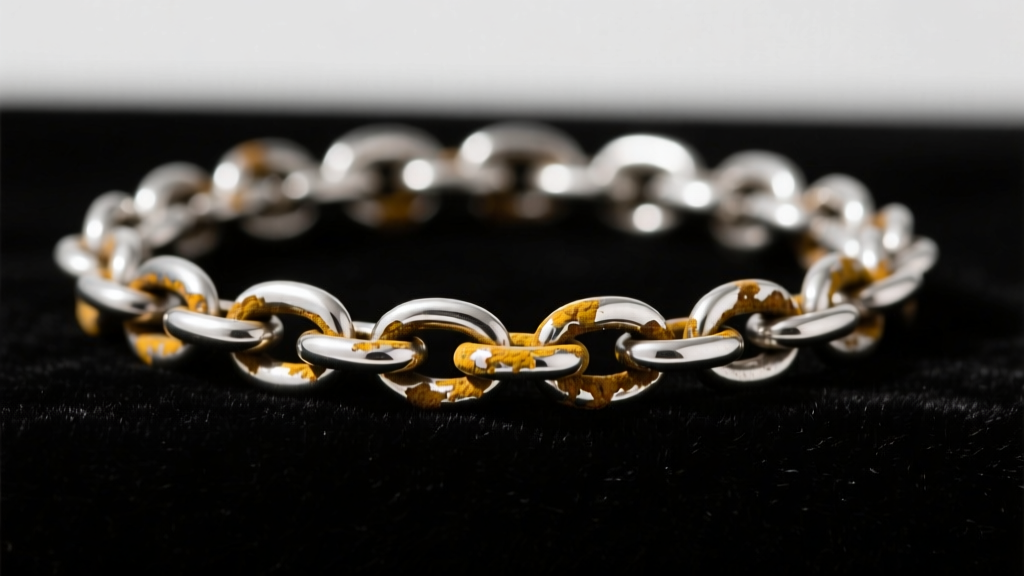
If you have ever pulled a favorite piece of jewelry from your drawer only to find it dull, darkened, or coated in a yellowish-brown film, you are not alone. Silver tarnish is a universal frustration for jewelry lovers, but restoring your pieces does not require expensive professional polishing or harsh commercial dips. Understanding the exact metallurgy of your jewelry is the first step toward safe, effective cleaning.
In this beginner-friendly guide, we will break down the science of silver oxidation, provide step-by-step instructions for the most effective at-home cleaning methods, and outline the specific materials you must never let near your precious metals. Whether you are dealing with a delicate 925 sterling silver cable chain or a heavy oxidized pendant, these expert-approved techniques will restore your jewelry's original brilliance without causing micro-scratches or chemical damage.
The Chemistry of Tarnish: Why Your Silver Turns Black
To clean silver effectively, you must first understand what tarnish actually is. Pure silver (999 fine silver) is highly resistant to tarnish, but it is far too soft to be used for durable necklace chains. To solve this, jewelers alloy pure silver with other metals—most commonly copper—to create 925 sterling silver, which contains 92.5% silver and 7.5% copper.
According to the Gemological Institute of America (GIA), it is this 7.5% copper content that reacts with sulfur compounds in the air, specifically hydrogen sulfide. This chemical reaction creates silver sulfide, which manifests as a yellow, brown, or black film on the surface of your necklace. Humidity, cosmetics, perfumes, and even the natural oils and pH levels of your skin can accelerate this reaction. Because the tarnish is a surface-level chemical compound rather than deep structural damage, it can be safely reversed using basic household chemistry.
The Aluminum Foil Ion-Exchange Bath (For Heavy Tarnish)
When your silver necklace chain is heavily blackened, polishing it with a cloth will only remove a microscopic layer of the silver itself. Instead, you can use an electrochemical reaction to convert the silver sulfide back into pure silver without removing any metal.
What You Will Need:
- A glass or ceramic bowl (never use metal bowls)
- Aluminum foil
- Boiling water
- Baking soda (sodium bicarbonate)
- Table salt (sodium chloride)
- Soft microfiber cloth
Step-by-Step Instructions:
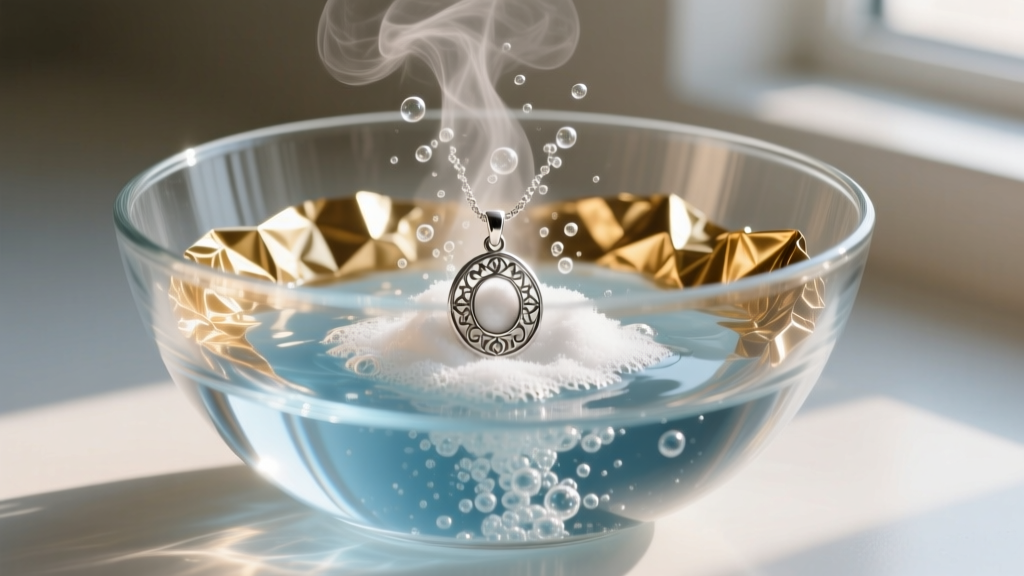
- Line the Bowl: Tear off a sheet of aluminum foil and line the inside of your glass bowl, ensuring the shiny side faces up. The aluminum acts as the sacrificial anode in this reaction.
- Add the Catalysts: Place your tarnished silver necklace into the bowl, ensuring it is physically touching the aluminum foil. Sprinkle 1 tablespoon of baking soda and 1 tablespoon of salt over the jewelry.
- Pour Boiling Water: Carefully pour 1 cup of boiling water into the bowl. You will immediately see bubbling and may notice a distinct "rotten egg" smell. This is the hydrogen sulfide gas being released as the aluminum donates electrons to the silver sulfide, breaking the chemical bond.
- Soak and Agitate: Let the necklace soak for 3 to 5 minutes. Use a wooden or plastic spoon to gently move the chain around, ensuring all links make contact with the foil and the solution.
- Rinse and Dry: Remove the necklace using plastic tongs or your hands (the water will be hot). Rinse it thoroughly under warm running water to remove any residual alkaline solution, then pat it completely dry with a clean microfiber cloth.
The Mild Soap & Microfiber Method (For Light Soil & Rhodium Plating)
The aluminum foil bath is miraculous for heavy tarnish, but it is not suitable for every silver necklace. If your sterling silver chain has been treated with a rhodium plating (a thin layer of platinum-group metal applied to prevent tarnish and add shine), or if it only has light surface oils and dirt, the foil bath can sometimes dull the rhodium finish.
For routine maintenance, a gentle wash is the gold standard. Mix three drops of a phosphate-free, mild dish soap (such as Dawn or castile soap) into a bowl of lukewarm water. Submerge the necklace for two minutes to loosen sebum and cosmetic buildup. Gently agitate the water with your fingers. Avoid using old toothbrushes to scrub the chain, as the nylon bristles can trap microscopic debris that scratches the metal. Instead, rinse the chain under lukewarm water and lay it flat on a lint-free microfiber cloth. Fold the cloth over the chain and gently pull the chain through the fabric to polish and dry it simultaneously.
Cleaning Agents You Must Never Use
The internet is full of DIY jewelry cleaning hacks that can permanently ruin the finish, structural integrity, or value of your silver necklaces. The Federal Trade Commission (FTC) guidelines on jewelry care emphasize avoiding abrasive and highly reactive household chemicals. Below is a breakdown of common mistakes and the metallurgical reasons why they cause damage.
| Household Cleaner | Why It Damages Silver Necklaces |
|---|---|
| Toothpaste | Contains hydrated silica and calcium carbonate, which are highly abrasive. Scrubbing with toothpaste creates permanent micro-scratches that dull the polish and create grooves where future tarnish will accumulate faster. |
| Chlorine Bleach | Chlorine reacts violently with the copper in sterling silver, causing rapid, deep, and often irreversible black oxidation. It can also cause the metal to become brittle and snap. |
| Ammonia | While sometimes used for gold, ammonia will strip anti-tarnish rhodium plating and severely damage porous gemstones (like turquoise or pearls) that are frequently set in silver pendants. |
| Paper Towels | Paper towels and tissue paper are made from wood pulp, which contains trace amounts of sulfur and hard fibers. Wiping silver with paper towels causes microscopic scratching and can actually accelerate tarnishing. |
Special Considerations for Gemstones and Oxidized Silver
Not all silver necklaces are created equal, and treating them uniformly can lead to disastrous results. Before applying any cleaning method, identify your necklace's specific design elements.
1. Porous Gemstones
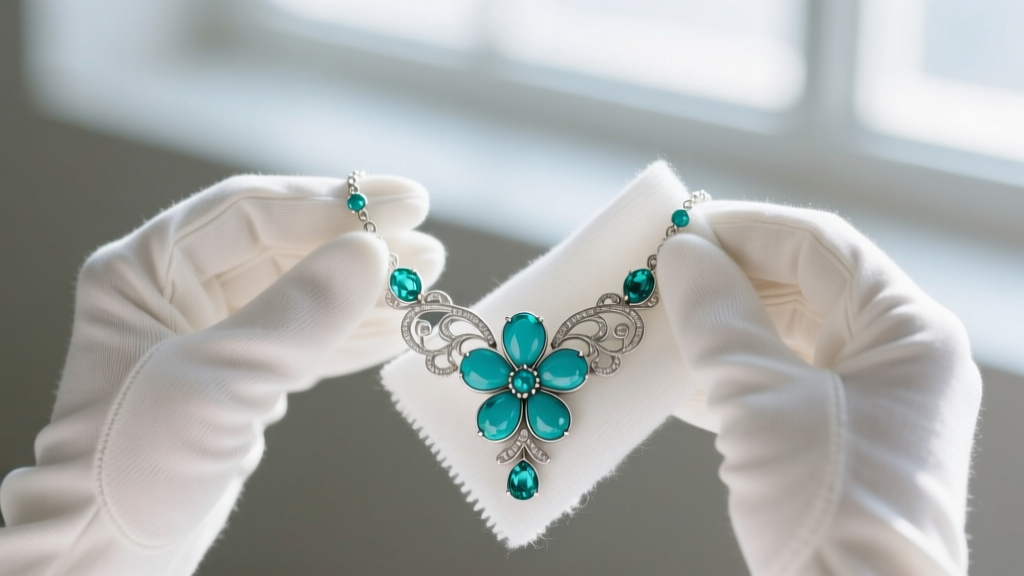
Silver is the traditional setting metal for soft, porous stones such as turquoise, opal, lapis lazuli, malachite, and pearls. These stones act like microscopic sponges. Submerging a turquoise and silver squash blossom necklace in a hot baking soda bath will cause the stone to absorb the alkaline water, leading to cracking, color shifting, and permanent structural weakening. For gemstone necklaces, use a damp microfiber cloth to carefully wipe only the metal components, avoiding the stones entirely.
2. Intentionally Oxidized (Blackened) Silver
Many artisan and gothic silver necklaces feature intentional oxidation—a process where the jeweler applies liver of sulfur to darken the recessed areas of a pendant or chain, creating high contrast and highlighting intricate engravings. If you use the aluminum foil ion-exchange bath on these pieces, the chemical reaction will strip away the intentional black patina, leaving you with a flat, bright silver piece that has lost its original artistic depth. Clean oxidized silver only with a dry, soft polishing cloth, rubbing gently only on the raised, high-polish areas.
Long-Term Storage and Tarnish Prevention
The most effective way to deal with silver tarnish is to prevent it from forming in the first place. Because tarnish requires sulfur and moisture to develop, controlling your storage environment is critical.
- Anti-Tarnish Strips: Invest in 3M anti-tarnish strips. These small paper tabs contain copper particles that absorb airborne sulfur compounds before they can reach your silver. Place one strip inside your jewelry box or storage bag, and replace it every six months.
- Pacific Silvercloth: For heirloom or highly valuable silver chains, store them wrapped in Pacific Silvercloth. This specialized cotton fabric is embedded with microscopic silver particles that act as a sacrificial shield, absorbing tarnish-causing gases.
- Avoid Rubber and Wool: Never secure silver necklaces with rubber bands, and avoid storing them in wool pouches. Both materials emit high levels of sulfur as they degrade, which will cause rapid, localized blackening on the metal.
- Silica Gel Packets: Moisture accelerates the chemical reaction between copper and sulfur. Tossing a few silica gel packets into your jewelry drawer or ziplock storage bags will keep the ambient humidity low, significantly slowing the tarnishing process.
By understanding the specific alloy composition of your jewelry and utilizing targeted, non-abrasive cleaning methods, you can keep your silver necklace chains looking brilliant for decades. Ditch the harsh commercial dips and toothpaste, and rely on the proven chemistry of ion-exchange and proper environmental storage to protect your investment.


